
Backyard Features That Attract Lightning Without You Realizing It
Lightning doesn’t need a direct hit to cause trouble. A nearby strike can still travel through the ground, wiring, or metal and end up doing real damage. And while everyone thinks about tall trees or power lines, there are plenty of things sitting in the yard right now that could be upping your chances without you even realizing it.
Metal Fencing
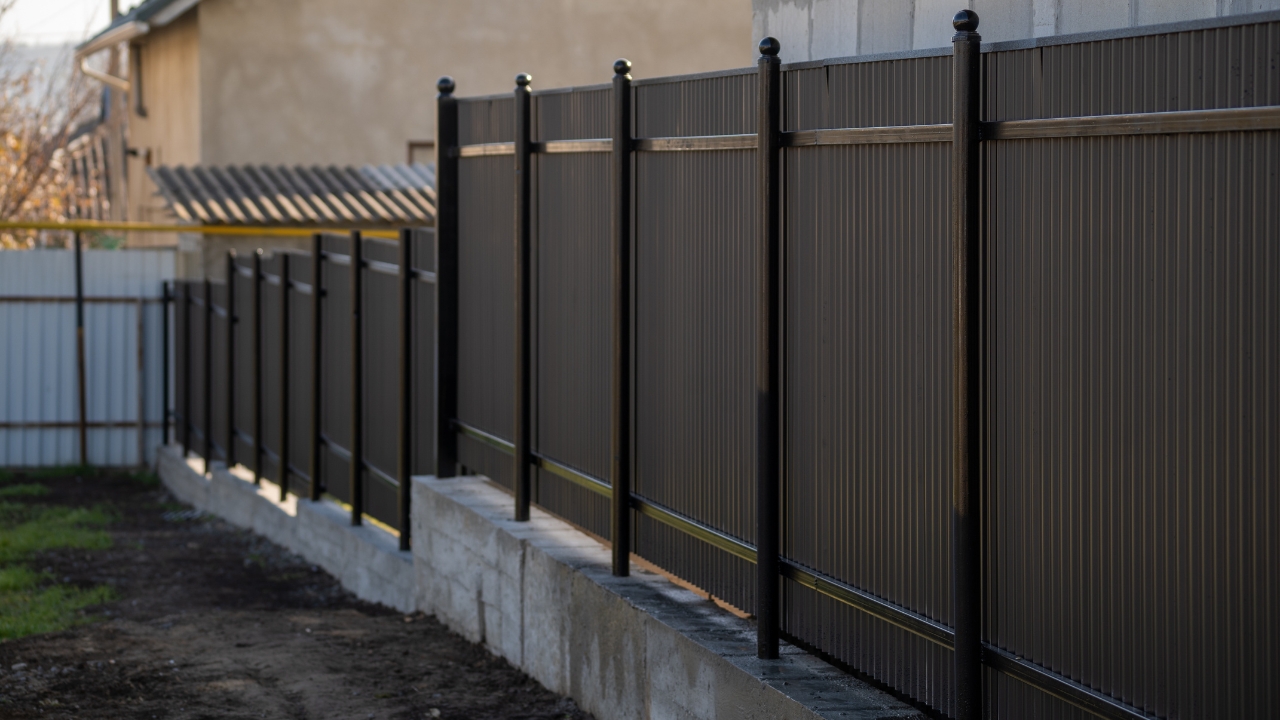
Chain-link, wire, and decorative iron fences can all carry a charge if lightning hits the ground nearby. Because they stretch across long distances and are anchored in the ground, they can act like a giant conductor.
If your fence is metal, avoid leaning anything else metal against it—like tools or ladders—and keep kids and pets away during storms. It’s not something you need to replace, but you should be aware of the risk.
Tall Flagpoles

Flagpoles, especially aluminum or steel ones, are basically lightning magnets. Their height and isolated placement in open areas make them a prime target during a storm.
If you’ve got one, make sure it’s grounded properly. A good grounding rod and connection can help direct a strike safely into the ground instead of through nearby wiring or soil.
Roof Vents and Metal Chimney Caps

Most people don’t think of their roof features as a lightning risk, but vents and metal caps can attract a strike, especially on homes that sit higher up or have limited tree cover nearby.
You don’t need to remove them, but having a professional check that your home’s lightning protection system—or grounding setup—is actually doing its job can make a big difference during storm season.
Solar Garden Lights
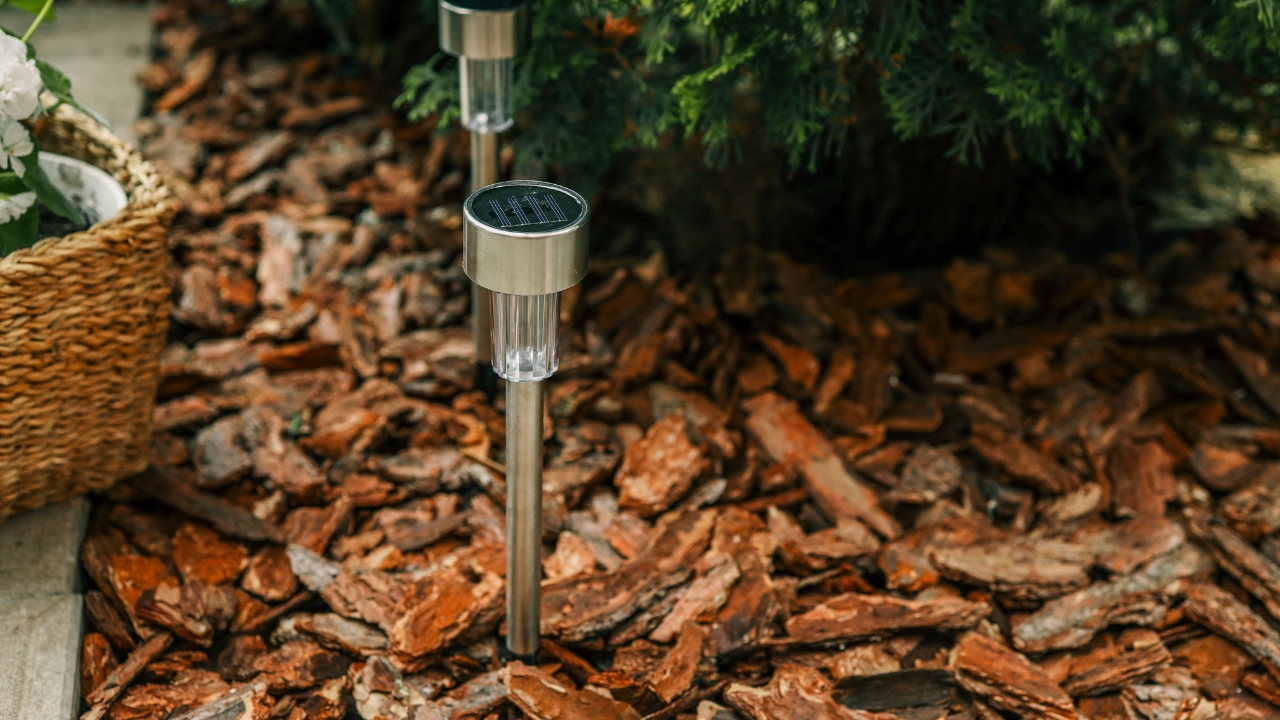
They might seem harmless, but solar lights with metal housings and spikes can carry electricity if the ground is energized. And when they’re scattered across the lawn, they increase the area where a strike can travel.
Stick to models made of plastic if you’re replacing them, and avoid placing them close to patios or walkways where people might be standing during a storm.
Patio Umbrellas with Metal Frames
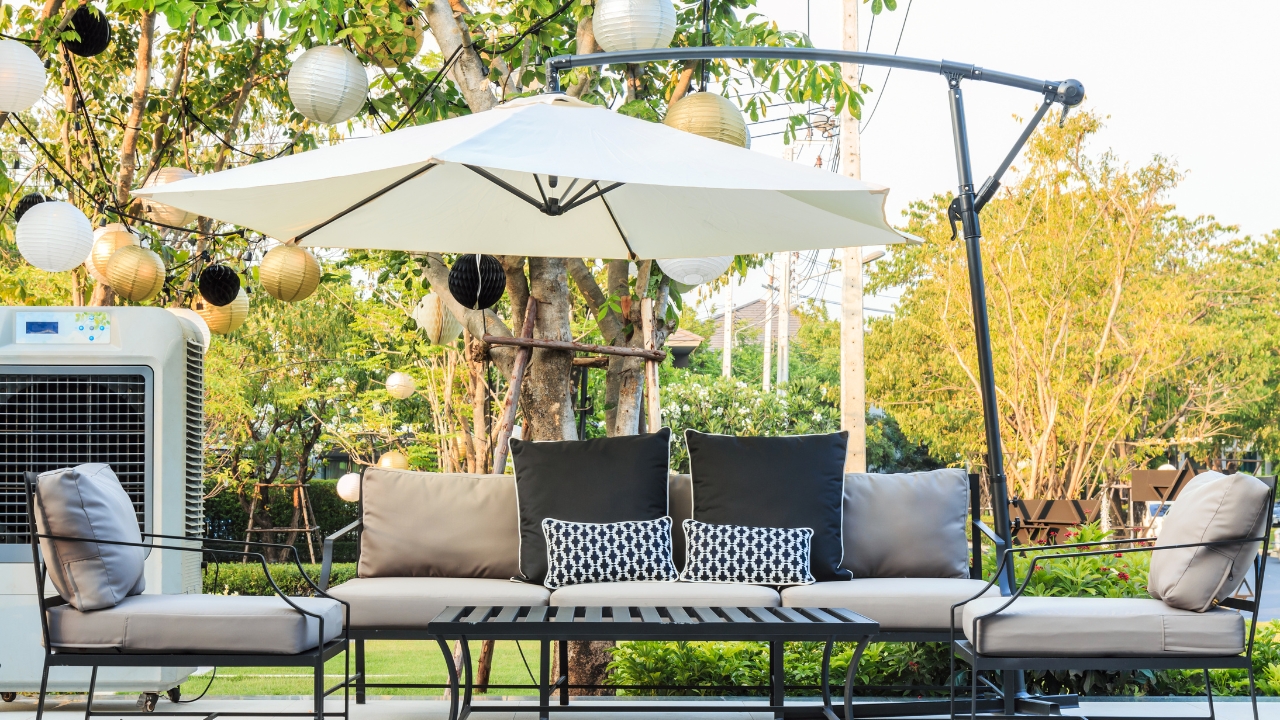
Tall, metal-framed umbrellas—especially those with crank handles—can catch more than just wind in a storm. If lightning strikes nearby, the charge could run through the frame and anything it’s connected to.
Collapse and store umbrellas when storms are in the forecast. It helps prevent wind damage too, so it’s worth making a habit of it even if you don’t think lightning will hit directly.
Trampolines

Most trampolines are built with steel frames and sit in open areas, which puts them right in lightning’s sightline. They can also become airborne in high winds, adding another layer of risk.
If possible, move them closer to the house under a covered area—or at least keep kids off when the weather starts shifting. It’s one of those features that seems innocent until it isn’t.
Decorative Arches or Trellises

If your garden arch or trellis is made of metal and stands taller than surrounding features, it can absolutely attract a strike. Even wooden ones with metal screws or decorative touches can be risky.
Try anchoring them near other structures instead of out in the open. And if you’re building a new one, go for pressure-treated wood or resin instead of anything conductive.
Satellite Dishes
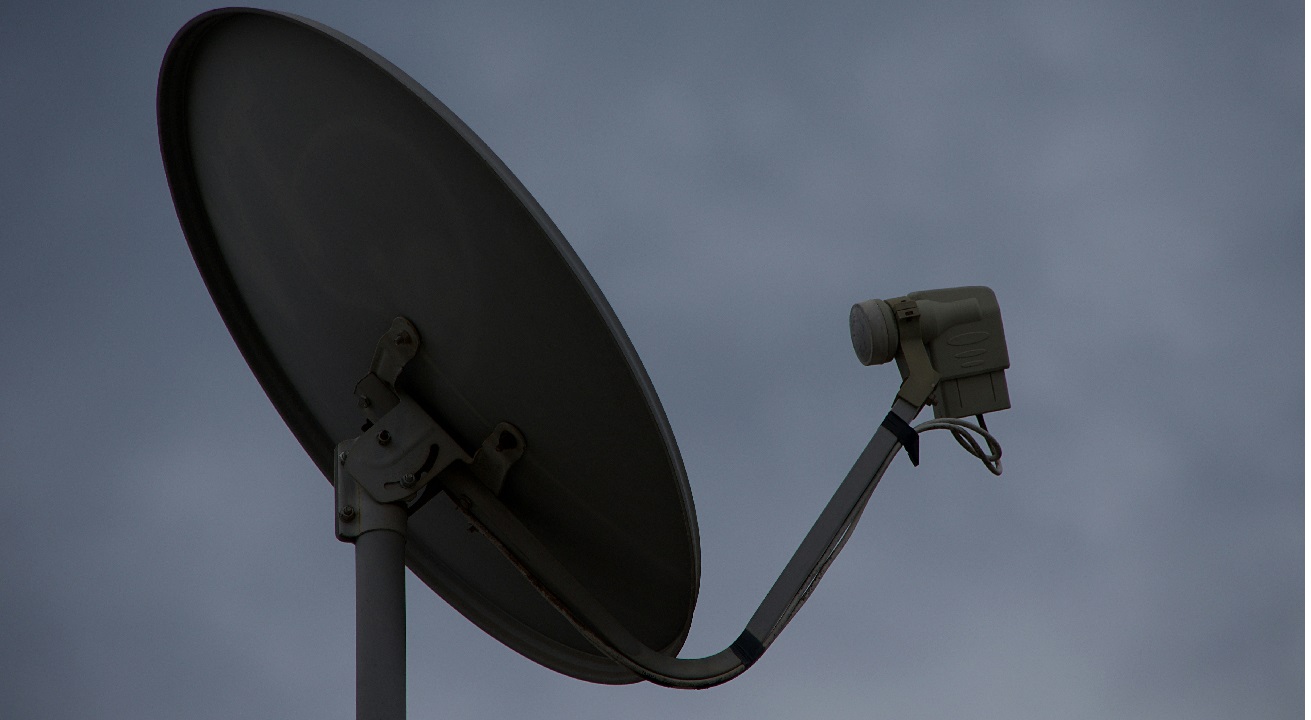
Whether it’s still in use or not, a satellite dish mounted on a pole or your roof increases your lightning risk. These dishes are usually grounded, but improper installation or corroded parts can turn them into a hazard.
If you’re not using it, take it down. If you are, make sure it’s grounded correctly and away from metal structures that could amplify a surge.
Metal-Framed Furniture

Chairs, loungers, and tables with exposed metal can carry current if lightning hits close. They’re usually not tall enough to attract a direct strike, but if they’re near taller items—or stacked—they could still get hit.
Keep furniture grouped near buildings and avoid leaving them under tall trees or out in the open during storm season. Cushions and covers won’t protect them from a surge.
Aluminum Gutters

Gutters that run along your roofline can conduct electricity if lightning strikes a nearby tree or vent. If they’re connected to downspouts that empty into the yard, that current can travel farther than you’d think.
There’s no need to rip them off, but if you’re ever redoing them, look into grounded systems or plastic options. And double-check that nothing metal—like chains or hangers—is connecting them to walkways or decks.
*This article was developed with AI-powered tools and has been carefully reviewed by our editors.