Backyard flock biosecurity matters more right now and this is the simple routine to follow
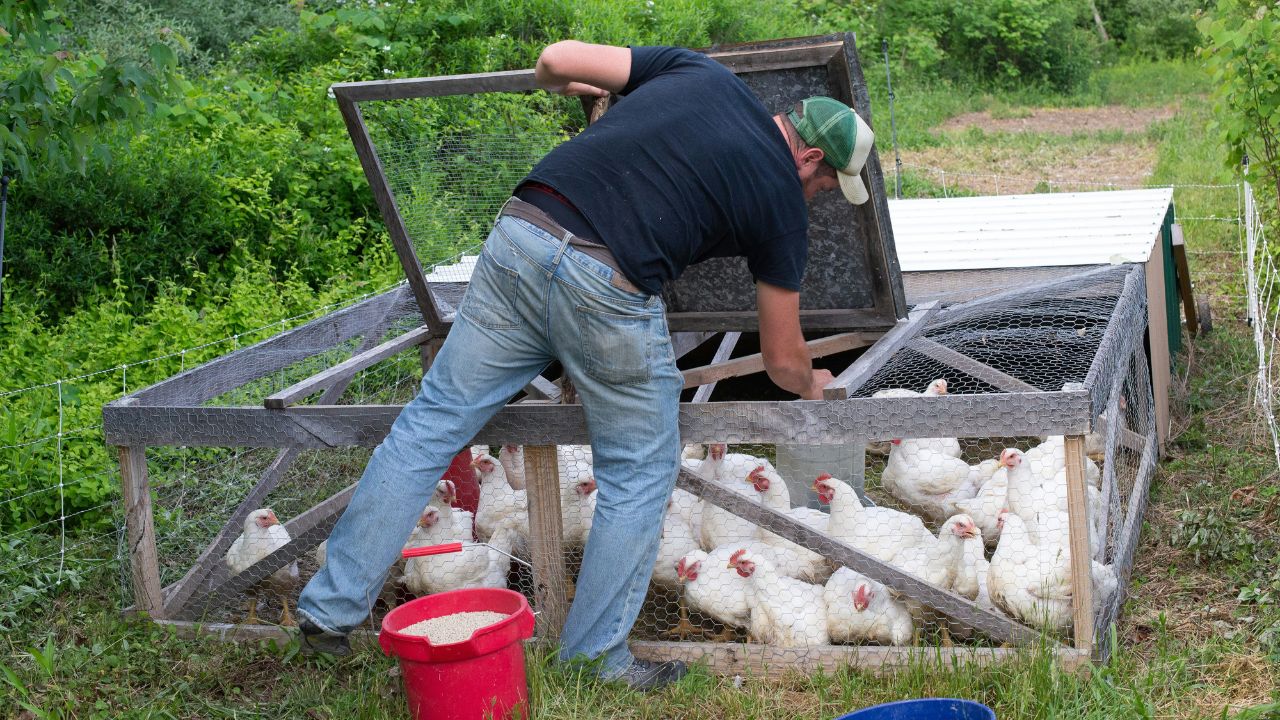
Backyard chickens have shifted from novelty to normal, but the disease pressure around them has shifted too. With highly pathogenic avian influenza circulating in wild birds and other livestock, the margin for sloppy habits is gone. You do not need a commercial-style setup to protect your birds, only a clear, repeatable routine that you follow every single day.
Biosecurity sounds technical, yet in practice it is a short checklist of small decisions that keep germs out and your flock productive. By tightening how you move, what you wear, and how you clean, you dramatically cut the odds of bird flu, parasites, and foodborne infections reaching your coop, while also protecting your own health.
Why biosecurity matters more right now
You are caring for poultry in a moment when disease is not an abstract risk but a constant background threat. Highly pathogenic avian influenza, often shortened to HPAI, has moved beyond wild waterfowl and commercial barns, and in the spring of 2024 the virus was detected in United States dairy cattle herds, a reminder that it can jump between animal sectors and travel long distances in complex ways. As of November 2025, HPAI has not been found in Pennsylvania poultry, but the same update stresses that backyard owners share responsibility for keeping it that way.
That wider context is why agencies such as the United States Department of Agriculture and its Animal and Plant Health Inspection Service, usually shortened to USDA and APHIS, now frame flock protection as a partnership with small keepers. Their guidance on Defend the Flock boils down to a simple idea, that every person who has contact with birds must follow the same basic rules, from limiting visitors to changing gear before moving between flocks. In other words, your backyard habits are now part of the national disease-control strategy, and a consistent routine at home is one of the most practical contributions you can make.
Start with a “closed flock” mindset
The most powerful biosecurity decision you can make is to treat your birds as a closed community instead of a revolving door. A closed flock, as outlined in practical Backyard Biosecurity tips for a Chicken Flock, means you are not constantly adding adult birds from swaps, auctions, or neighbors, which are some of the fastest ways to bring home disease. When you do need new stock, you buy from reputable sources, you plan ahead, and you assume every newcomer could be carrying something your existing hens have never seen.
That mindset continues once birds arrive at your property. State-level Quick Tips for poultry biosecurity are blunt: when obtaining birds, isolate them away from other birds for 30 days before adding them into your flock. That quarantine window gives time for hidden infections to show up, and it lets you monitor droppings, appetite, and behavior without risking your main coop. If you cannot realistically separate new birds for a month, the honest answer is that you cannot safely bring them home right now.
Control who and what comes near your birds
Once you commit to a closed flock, the next step is controlling traffic around it. The USDA and APHIS emphasize that one of the six core practices for backyard poultry is to keep your distance from anyone else with poultry and to keep visitors to a minimum. That means saying no to casual coop tours, asking friends with their own chickens to stay out of your run, and not sharing equipment, egg cartons, or feed scoops between households. Germs ride on boots, hands, and buckets as easily as on feathers.
Wild birds are another form of traffic you need to manage. Practical backyard guides urge you not to hang bird feeders near your coop and to avoid attracting wild flocks to the same space where your hens eat and drink, because shared feed is an easy route for droppings and viruses to mix. One long-running poultry blog on backyard biosecurity goes further, advising you to skip poultry swaps, shows, and fairs entirely when disease risk is high. The fewer outside birds and people your flock encounters, the fewer chances pathogens have to cross your fence.
Dress for the coop, not the grocery store
Your clothing and footwear are quiet but effective disease carriers, which is why a simple wardrobe routine is one of the most protective habits you can build. Extension specialists advising small flock owners recommend having designated footwear that you only use in poultry areas and keeping those boots at the entrance to the coop so you are never tempted to wear them off-site. In the same biosecurity alert that tracks HPAI, they also suggest setting up a simple disinfectant station at those entrances, so every trip in and out includes a quick scrub of soles.
Clothing deserves the same discipline. Poultry health experts advise you to wear dedicated clothing, such as coveralls or a specific jacket, when you enter the coop and to change out of those items before you go anywhere that might have other birds. One practical guide on how to create a biosecurity plan for your backyard flock extends that rule to visitors, recommending that anyone who must enter your poultry space either wears your spare gear or stays outside the fence. Another extension source on flock safety puts it plainly: Shower and change clothes before caring for chickens after going to any location where other poultry or wild birds are present, so you are not carrying invisible contamination back to your birds.
Build a quick daily cleaning routine
Cleanliness is not about having a picture-perfect coop, it is about breaking the life cycle of bacteria, viruses, and parasites before they build up. Poultry health guidance from university specialists stresses that Cleaning and disinfecting coops, feeders, and waterers regularly minimizes the buildup of harmful pathogens, and that daily tasks should include removing wet bedding, scraping droppings from perches, and refreshing water. Those small jobs keep moisture and manure from combining into the kind of environment where coccidia, E. coli, and respiratory irritants thrive.
You can make that routine even more effective by thinking about how germs move through your yard. A practical checklist on Keep Your Coop Clean notes that a clean, dry run also means fewer flies and less standing water, which translates into fewer biting insects and less mud tracking into the coop. Another backyard-focused resource on bird flu protection urges you to clean up spilled feed promptly, because leftover grain attracts rodents and wild birds that can carry disease, and it highlights that Protection From Other Infected Poultry starts with not giving them a reason to visit your yard. A five-minute sweep with a scoop and broom after feeding is a small price to pay for that extra layer of protection.
Feed, water, and housing that keep germs out
Biosecurity is not only about what you remove, it is also about how you set up the basics so they do not invite trouble. Disease prevention guidance for small flocks stresses that feed bins should be secured against rodents and that feeders are best kept covered and, when possible, inside the coop or a roofed run. One detailed fact sheet on Tips for small flock biosecurity adds that egg cartons should not be shared between farms, because cardboard is hard to disinfect and can carry dried droppings from one flock to another.
Water and housing design matter just as much. A 2025 overview of avian influenza and biosecurity advises you to isolate your flock from other birds, both wild and domestic, and to keep feed in covered feeders, preferably inside the house or an enclosed run, so wild birds cannot access it. Another backyard resource on poultry health explains that keeping waterers clean and using uncontaminated water further reduces disease risks, especially when you scrub and refill containers daily instead of topping them off. When you combine those structural choices with the daily cleaning routine, you are not just reacting to mess, you are designing your setup so that germs have fewer ways to enter in the first place.
Protect your own health while you protect the flock
Good flock biosecurity and good human health protection are the same habit seen from two angles. Public health guidance on Backyard Poultry reminds you to Use dedicated shoes when caring for poultry and keep them outdoors, and to avoid putting poultry near your face or kissing backyard birds, because Salmonella and other pathogens can move from feathers and beaks to people. The same advice stresses handwashing with soap and water immediately after touching birds, their eggs, or anything in their environment, which is as much about your safety as theirs.
Those precautions become even more important when bird flu is circulating. Targeted guidance for backyard flock owners lists specific Steps to protect yourself, starting with “Don’t touch sick or dead birds, their feces, or litter” and extending to wearing gloves and a well-fitted respirator if you must handle potentially infected material. A short video from the San Diego Humane Society on how to protect backyard chickens from bird flu reinforces the same message, explaining that so far no backyard chickens in their county have tested positive for the virus and that careful handling and hygiene are key reasons why. When you treat your coop chores with the same seriousness you would bring to a hospital visit, you are protecting both your birds and everyone who shares your home.
Know how disease actually reaches your yard
Understanding the pathways germs use to reach your birds makes your routine feel less like superstition and more like strategy. A detailed briefing on Understanding HPAI and biosecurity for backyard poultry flocks notes the Airborne Disease Risk and explains that Some diseases can travel over a mile in the air, which is why your flock’s location relative to other poultry and waterfowl matters. The same document highlights “Foo” or fomite transmission, meaning germs hitching a ride on equipment, clothing, or vehicles, which is exactly what your dedicated boots, clothing, and cleaning routine are designed to interrupt.
Biosecurity specialists often describe prevention as a series of rational day-to-day activities in the management of your animals that cost little or nothing to carry out. A practical overview of how to prevent disease outbreak among your animals frames it exactly that way, stressing that simple habits like controlling visitor access, cleaning tools, and separating age groups are low-cost but high-impact. When you see each step in your routine as blocking a specific route, whether airborne, on boots, or through shared feed, it becomes easier to stay consistent even on busy days.
Watch your birds like a hawk and act fast
Even the best routine cannot guarantee that disease will never slip through, which is why early detection is the final pillar of backyard biosecurity. A fact sheet on BIOSECURITY: urges you to Look for Signs of Infectious Diseases and to Know what diseases are of concern for your flock, from respiratory infections to sudden drops in egg production. Another backyard-focused guide on poultry health spells out that the comb and wattles are also key health indicators, and that swelling, shrinkage, paleness, or discoloration often reflect poor circulation or systemic illness, a point illustrated in a practical comb and wattles checklist for keepers.
Specific signs should trigger immediate concern. Extension guidance on Know the signs of illness lists sneezing, coughing, nasal discharge, diarrhea, poor appetite, and a sudden increase in bird mortality as red flags that require further evaluation. Another resource on Protecting your Poultry notes that an observed decrease in egg production is sometimes seen in birds with avian influenza and that a purple discoloration in the shank and comb is a classic sign of that disease in poultry. If you see any combination of those symptoms, you should isolate the affected birds, contact a veterinarian or state animal health office, and avoid handling them without gloves and proper protection.
Turn the checklist into a habit you barely notice
What separates flocks that stay healthy from those that struggle is not access to expensive equipment, it is whether the basics happen every day without debate. A practical backyard guide on Backyard Biosecurity for Poultry from USDA and APHIS distills the routine into six practices, including keeping your distance, keeping it clean, and not bringing disease home on your clothes or equipment. Another overview aimed at small keepers frames biosecurity as a living plan that you review and adjust, not a one-time project, and encourages you to write down your steps so everyone in the household follows the same script.
When you zoom out, the routine is straightforward. You keep a closed flock and quarantine new birds. You control visitors and wild bird access. You wear dedicated boots and clothing, clean a little every day, secure feed and water, protect your own health, understand how germs travel, and watch your birds closely. Taken together, those steps match the rational, low-cost measures described in broader animal health guidance and the structured approach promoted in USDA’s Defend the Flock campaign. Once you have repeated them enough times, they stop feeling like a chore and start feeling like the normal way you move through your yard, which is exactly how biosecurity is supposed to work.
Like Fix It Homestead’s content? Be sure to follow us.
Here’s more from us:
- I made Joanna Gaines’s Friendsgiving casserole and here is what I would keep
- Pump Shotguns That Jam the Moment You Actually Need Them
- The First 5 Things Guests Notice About Your Living Room at Christmas
- What Caliber Works Best for Groundhogs, Armadillos, and Other Digging Pests?
- Rifles worth keeping by the back door on any rural property
*This article was developed with AI-powered tools and has been carefully reviewed by our editors.