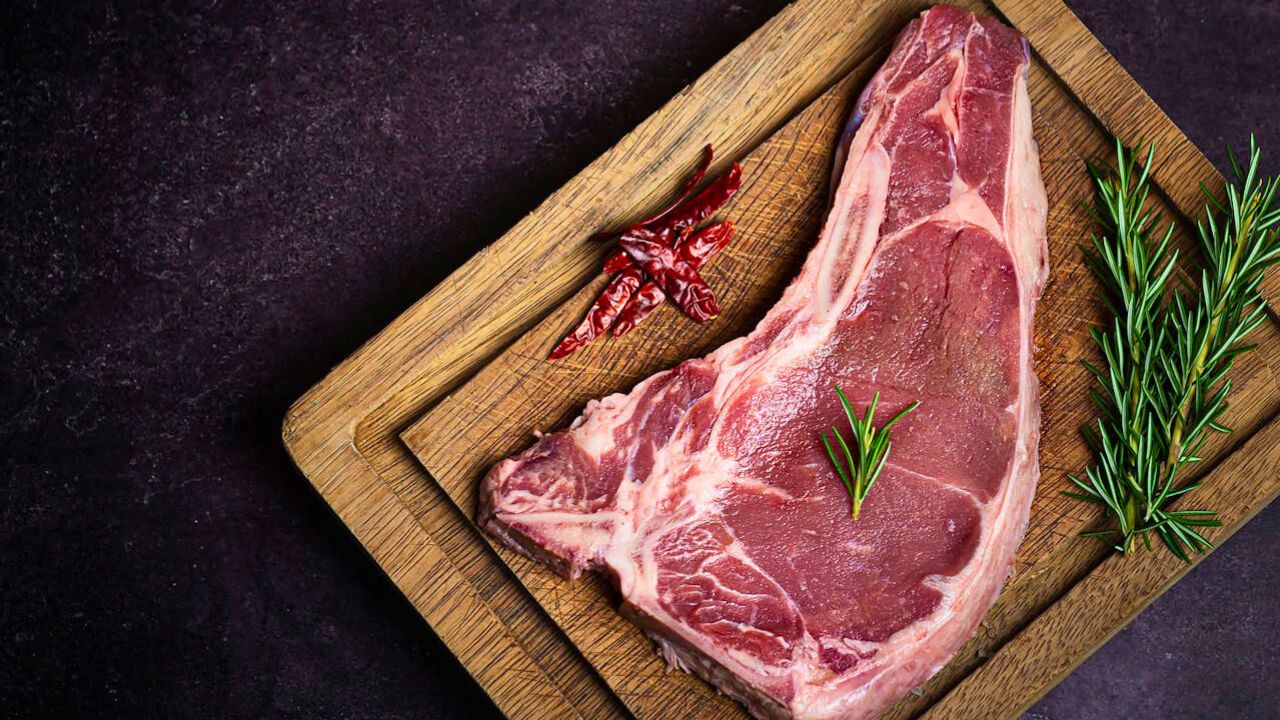
Beef prices just set another record and your grocery bill is feeling it
Beef has quietly become one of the most punishing line items on your grocery receipt, with prices setting fresh records just as household budgets are already stretched. You feel it when a pound of ground chuck costs what a steak used to, and when a simple family taco night suddenly looks like a splurge. The sticker shock is real, but it is the result of a long chain of decisions, disasters, and policy choices that now converge in the meat case.
To understand why your bill is climbing, you have to follow that chain from the ranch gate to the supermarket scanner, through drought-stricken pastures, expensive feed, and a cattle herd that has shrunk to historic lows. Only then do the numbers on the shelf tags start to make sense, and only then can you decide how to adapt your own shopping habits without giving up the meals you care about.
Record prices meet record-low cattle numbers
When you see beef hitting new highs at the store, you are looking at a classic supply squeeze. The national cattle herd has fallen to levels not seen in more than 70 years, which means fewer animals are moving through feedlots and into the packing plants that supply your supermarket. With that kind of scarcity, the price pressure you feel at checkout is baked in long before you reach for a package of steaks or ground beef.
Recent inflation data show that the beef component of the food index is among the most aggressive climbers in the latest CPI readings, reflecting how tight supplies have become. Analysts point to a combination of herd liquidation during drought and producers’ reluctance to rebuild quickly, which has left packers competing for a smaller pool of cattle. That competition flows straight into the retail case, where you are now paying record prices for cuts that, not long ago, were among the least costly options in the meat aisle.
How drought and feed costs shrank the herd
The roots of today’s high prices stretch back through years of punishing weather and expensive feed. As pastures dried out and hay prices climbed, ranchers in key cattle states were forced to sell off breeding cows just to stay afloat. Those decisions reduced the number of calves born in subsequent seasons, which is why you are now seeing the impact in the form of fewer animals available for slaughter and higher prices on every pound of beef.
Economists like Bernt Nelson have traced how earlier COVID-related disruptions, high feed costs, and weather shocks combined to leave the United States with fewer cattle than it needs to comfortably meet domestic demand for beef. Extension specialists describe how keeping herds well fed has become more difficult and expensive, with elevated costs for both feed and the animals themselves. When ranchers pay more to keep cattle alive, and many simply cannot afford to, the eventual result is exactly what you see now: a smaller herd and higher prices at the meat counter.
Supply, demand, and why the usual rules feel broken
On paper, the story should be simple: when prices rise, demand falls, and the market finds a new balance. In practice, your grocery cart shows how messy that adjustment can be. Beef is not just another protein for many households, it is a staple of weekly meals and cultural traditions, which makes you slower to cut back even as the price per pound climbs.
Analysts describe the current situation as a textbook case of the law of supply and demand colliding with emotional attachment and habit. With supply constrained and demand still strong, the imbalance has driven prices to historic highs. Industry experts note that the primary factor driving record
What the data say about your rising grocery bill
If your weekly food budget feels tighter, the official numbers back you up. Federal price tables show that the cost of many staples, from meat to pantry goods, has climbed over the past year, with beef among the standouts. While cereals and bakery products have also risen, the jump in meat prices means a larger share of your grocery money now goes to the protein portion of the cart.
In the government’s breakdown of average retail prices, categories such as Cereals and bakery products and items like Flour, white, all purpose, per lb, are tracked alongside beef cuts to show how food inflation is distributed across your cart. The data for Nov and Oct highlight that while many categories have inched up, beef has surged, forcing you to make tradeoffs between meat and other essentials just to keep the total at the register manageable.
How much more you are paying for steaks and burgers
The jump in beef prices is not abstract, it shows up in specific cuts you buy every week. Since August 2024, the cost of beef for American consumers has risen sharply, with some of the biggest increases hitting the very items that anchor your cookouts and weeknight dinners. When you compare your current receipt to one from a year ago, the difference in the meat line is often the single largest change.
Visual breakdowns of the trend show that Since August 2024, beef prices have soared 13 percent for American consumers, while Steak prices are up 16 percent on an annual basis. That means the ribeye you used to justify as an occasional treat now competes with an entire basket of other groceries, and even ground beef, once the budget-friendly fallback, has climbed enough to force you to rethink how often you serve burgers, meatloaf, or chili.
Why some shoppers are finally pulling back
For a while, many households simply absorbed the higher prices, cutting back elsewhere to keep beef on the table. That patience is starting to fray. As the cost of a pound of ground beef pushes higher, you may find yourself swapping in chicken thighs, pork shoulder, or even meatless meals, not because you want to, but because the math no longer works.
Consumer research shows that a majority of shoppers are now adjusting their habits, with 60% of respondents in one survey saying they are buying less beef or cutting it from their grocery lists altogether. Analysts tracking retail sales report that “We’re seeing people opt away from beef toward cheaper proteins, a shift that shows up in the meat case as more chicken and pork move while some beef cuts linger. For you, that might mean stretching a pound of ground beef with beans, choosing smaller portions, or saving steak for holidays instead of every weekend.
Yet demand stays surprisingly strong
Even with that pullback, demand for beef remains more resilient than you might expect. You may buy smaller quantities or trade down from premium steaks to roasts and ground beef, but you are still putting some form of beef in the cart. That stubborn loyalty helps keep prices elevated, because retailers and packers know that many shoppers will grumble and pay rather than walk away entirely.
Market watchers note that While strong demand is one reason beef prices remain high, supply is another, with Years of drought and high feed costs contributing to the smallest cattle herd in more than 70 years. Experts emphasize that Despite higher retail prices, consumers continue to value beef strongly in their diets. When you put constrained supply together with that enduring appetite, the result is a market that does not respond quickly to price signals, leaving your grocery bill elevated for longer.
Why ranchers are not cashing in on your higher bill
It is easy to assume that if you are paying more, ranchers must be getting rich. The reality on the ground is more complicated. Many cattle producers are squeezed between what they pay for feed, fuel, and labor and what they receive from packers, leaving them with thin margins even as retail prices soar. You may be shelling out record amounts at the store while the people raising the animals struggle to cover their costs.
Industry analyses point out that However, higher prices do not affect all farmers and ranchers equally, especially during an economic downturn in agriculture. Many producers across the United States, including farmers and ranchers, face rising input costs and volatile markets that erode the benefit of higher cattle prices. Some are locked into contracts that limit how much of the retail increase reaches them, while others are still rebuilding herds after drought, meaning they have fewer animals to sell at today’s elevated prices.
Policy, trade, and why relief will be slow
Even if weather improves and ranchers begin to hold back more heifers to rebuild the herd, the biology of cattle means relief will not arrive overnight. It takes years for a calf born today to become a finished animal ready for slaughter, so the decisions producers make now will shape what you pay at the store well into the future. Policy choices and trade dynamics add another layer, influencing both the cost of inputs and the markets available for American beef.
Experts warn that A major driver of the rising price of beef is the record low cattle supply, with ranchers still needing that feed even when it is expensive. At the same time, Prices keep setting records amid a historically small US cattle herd, even after the Trump administration lifted its levies on certain imports in an effort to ease supply constraints. Coverage of retail trends notes that CNN has reported that Beef prices just keep going up and it does not look like it is going to get any better any time soon, despite those policy moves. For you, that means planning for a world where beef stays expensive, and where smart substitutions, careful portioning, and strategic shopping are your best tools to keep the grocery bill in check.
Like Fix It Homestead’s content? Be sure to follow us.
Here’s more from us:
- I made Joanna Gaines’s Friendsgiving casserole and here is what I would keep
- Pump Shotguns That Jam the Moment You Actually Need Them
- The First 5 Things Guests Notice About Your Living Room at Christmas
- What Caliber Works Best for Groundhogs, Armadillos, and Other Digging Pests?
- Rifles worth keeping by the back door on any rural property
*This article was developed with AI-powered tools and has been carefully reviewed by our editors.