Best Rifle Calibers for Protecting a Rural Property Line
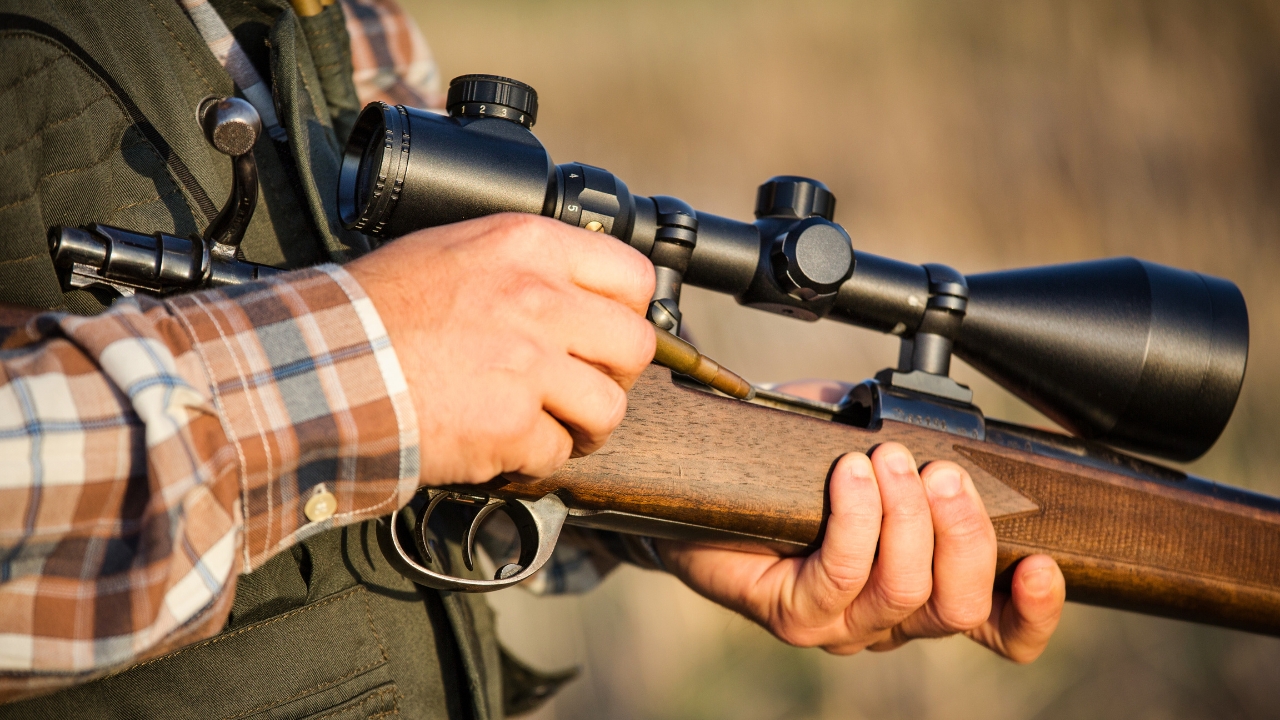
Out on a rural property line, you’re usually not protecting a neat little square. You’re dealing with tree lines, brushy draws, fence gaps, and the random corner where coyotes always seem to cross. The rifle you keep by the back door needs to handle mixed distances and different kinds of trouble without being way more gun than the land can safely handle.
“Best” depends on what’s crossing your fence—coyotes, foxes, feral dogs, or bigger game—and how far you’re realistically shooting. But a handful of calibers have proven themselves over and over for this kind of work.
Think through your worst-case backstop first
Before you fall in love with any caliber, walk your property line and look at what’s beyond it. Roads, houses, cattle, and open fields all change what’s safe to shoot. A flat, high-velocity round is great in open pasture with a big dirt berm behind it, but not when you’re shooting toward the neighbor’s hay field.
You’ll also want to know your typical shot distances—are we talking 75 yards into a pasture or 250 across an open field? Caliber choice before you’ve thought this through is backwards.
.223 Remington: the go-to workhorse
For a lot of rural homesteads, .223 Remington is the most practical starting point. Ammo is relatively inexpensive, recoil is mild, and it’s effective on coyotes and similar-sized pests with good bullets.
In ARs or light bolt guns, it’s easy to carry along a fence line or keep handy in a side-by-side. With varmint or soft-point loads, it gives you enough performance to anchor predators without stepping into heavy big-game territory that might carry too far in the wrong direction.
.22-250 Remington for wide, open country
If your property line runs along open fields and your coyotes never seem to come close, .22-250 Remington is one of the classic “property line” calibers. It drives light bullets at very high speed, which means flat trajectory and excellent long-range performance on small predators.
The flip side is more muzzle blast and the need to pay attention to what’s beyond your target. This is best suited to places where you can control your backstop and you truly need 200–300 yard shots.
.243 Winchester when deer are part of the equation
A lot of rural owners like one rifle that can ride in the truck for both deer season and year-round predator control. The .243 Winchester fills that gap well: plenty of punch for deer with the right bullets, and very effective on coyotes and larger predators with lighter loads.
Recoil is still manageable for most shooters, and it shoots flat enough to be useful across big pastures. Just remember that it’s more gun than you need for small critters close to buildings, and choose your shots accordingly.
Mid-size deer rounds: useful but easy to overdo
Calibers like .308 Winchester, 7mm-08, or .270 Winchester can certainly anchor nuisance animals, and many folks already have them in the safe. They shine when you’re dealing with bigger predators or want a dual-purpose deer rifle.
But they also bring more recoil, more overpenetration risk, and more meat damage on smaller pests. These make sense if your property line is truly remote and you’re comfortable with big-game rifles; they’re not the first choice right behind the barn.
Quiet options for tighter property lines
If your land is chopped up with more neighbors, outbuildings, and roads, quieter rounds like .22 Hornet or .17-caliber centerfires can be useful for small predators at closer ranges. They’re not “property line” hammers for big coyotes way out there, but they work well for closer, controlled shots with less noise.
Just remember: quieter doesn’t mean harmless. You still need a solid backstop, safe angles, and to follow local laws on shooting near property lines.
Matching the rifle to how you actually patrol
If you check fence lines from a truck or side-by-side, a compact bolt gun or AR in .223 is easy to live with day in, day out. If you’re mostly on foot in lots of open country, you might lean toward .22-250 or .243 for the extra reach.
Either way, the “best” caliber is the one you can shoot well, afford to practice with, and use safely on your land. Fancy ballistics don’t matter much if you don’t trust yourself behind the trigger.
Like Fix It Homestead’s content? Be sure to follow us.
- I made Joanna Gaines’s Friendsgiving casserole and here is what I would keep
- Pump Shotguns That Jam the Moment You Actually Need Them
- The First 5 Things Guests Notice About Your Living Room at Christmas
- What Caliber Works Best for Groundhogs, Armadillos, and Other Digging Pests?
- Rifles worth keeping by the back door on any rural property
*This article was developed with AI-powered tools and has been carefully reviewed by our editors.