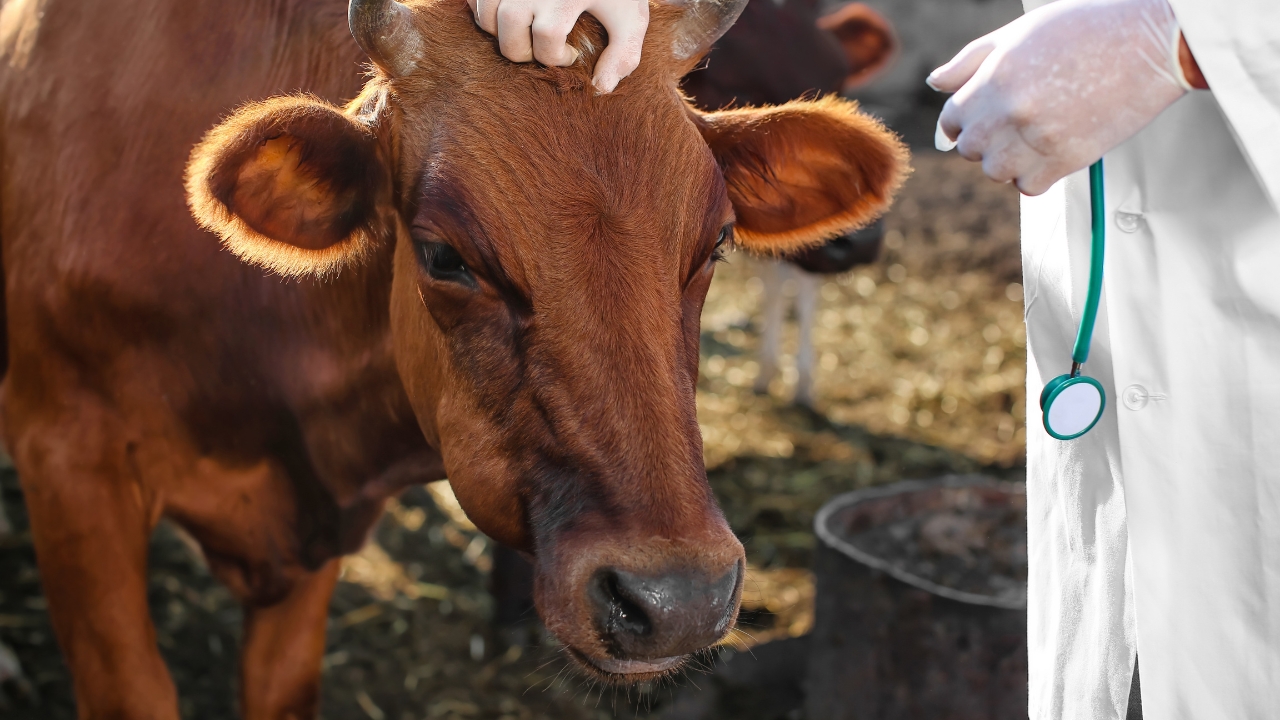
Bird flu popped up in a Wisconsin dairy herd and what that means for small farms
When Highly Pathogenic Avian Influenza turned up in a Wisconsin dairy herd, it confirmed what many veterinarians had warned you about for months: the virus was not just a poultry problem anymore. For small and mid‑sized farms, the Dodge County case is less a distant headline and more a stress test of your biosecurity, finances, and trust in the safety net that is supposed to back you up.
The first detection in cattle inside state lines is forcing you to think through how you move Milk, protect workers, and keep your herd healthy without shutting down your business. It is also revealing how prepared Wisconsin really is, from surveillance programs to emergency protocols, and where smaller operations may be left carrying more risk than they can comfortably afford.
What happened in Dodge County, and why it matters to you
The turning point came when state officials confirmed Highly Pathogenic Avian Influenza in a Dodge County Dairy Herd, the first time Wisconsin had seen the virus in cattle rather than birds. The state agriculture department described the finding as Highly Pathogenic Avian Influenza Detected in Wisconsin in Dodge County Dairy Herd, a formal declaration that instantly raised the stakes for every producer in the state. For you, the key detail is not just the county on the map, but the fact that a virus long associated with poultry barns has now crossed into the same species that anchors your milk check.
Federal investigators later described the Wisconsin detection as a new wildlife spillover, not a continuation of earlier dairy outbreaks in other states, which means your risk picture is now shaped by local wild Bird populations as much as by cattle movements. The US Department of Agriculture, through The US Department of Agriculture and its APHIS arm, has stressed that the commercial milk supply remains safe, but that reassurance does not erase the operational headaches you face if your own bulk tank ever tests positive. The Dodge County case is your warning shot that the line between poultry disease and dairy reality has blurred.
How the virus reached cattle and what APHIS is seeing
For years you have heard about wild waterfowl carrying avian influenza across flyways, but the Wisconsin case shows how that ecology can now intersect with your parlor. Federal animal health officials reported that the virus detected in the state’s dairy herd belongs to an H5 clade labeled 2.3.4.4b, the same genetic family that has been circulating in wild birds and poultry across North America. That detail matters to you because it supports the conclusion that cattle are being exposed from outside reservoirs, not generating a brand‑new strain inside barns.
When APHIS described the Wisconsin detection as a new spillover event, it signaled that wildlife, not neighboring dairies, is still the primary engine of spread into herds. In practice, that means your risk management has to reach beyond cattle trailers and replacement heifers to the ponds, feed bunks, and open lots where wild birds land. Federal guidance on Allowing your flock or herd to come in contact with wild birds, and the need to Disinfect equipment that might carry droppings, is no longer just poultry boilerplate. It is a blueprint for how you keep a virus that lives in wetlands from walking into your milking string on the soles of a boot or the bucket of a skid steer.
Wisconsin’s aggressive Milk testing and what it means for your herd
Long before the Dodge County result, Wisconsin had already built one of the most intensive surveillance systems for dairy cattle in the country, and that decision is now shaping how your farm will be managed. State officials launched a National Milk Testing Strategy that pulls routine samples from bulk tanks, and by late in the year they had run more than 24,000 milk samples without finding a positive in cows until the Dodge County herd. That track record tells you two things at once: the virus is not silently sweeping through every barn, but the testing net is tight enough that if it shows up in your tank, regulators will know quickly.
Under current rules, Milk samples must be collected no more than seven days before certain cattle movements, and Testing is available to producers at no cost through state programs. That is a financial relief if you run a small operation, but it also means you have to build sampling into your weekly routine, especially if you ship animals to shows, sales, or custom heifer growers. The same state guidance notes that the Centers for Disease Control and Prevention see certain workers as at greater risk of infection, which puts your milkers and calf feeders at the center of both animal and human health surveillance every time a sample leaves your farm.
From targeted checks to testing all dairy farms again
After the first cattle detection, Wisconsin regulators decided that a narrow, risk‑based approach was no longer enough and moved back to testing every dairy farm in the state. The agriculture department announced that Wisconsin returns to testing all dairy farms for HPAI, a shift that directly affects how often your bulk tank will be sampled and how quickly you will hear from a state veterinarian if something looks off. For a small farm, that can feel intrusive, but it also means you are less likely to be blindsided by a virus that has been simmering unnoticed in your herd.
The same announcement underscored that Wisconsin’s first avian influenza case in cattle was caught through this proactive model, not because cows were dropping in the freestall. That matters for your planning, because it suggests that surveillance, rather than obvious clinical disease, will probably be the first sign if HPAI reaches your barn. The state’s decision to lean into HPAI testing reflects a belief that early detection protects both the broader Wisconsin dairy sector and your individual balance sheet, even if it adds another layer of regulatory contact to your week.
What the first herd’s history tells you about risk
One of the most revealing details about the Dodge County farm is how often it had already been sampled before the virus finally showed up. State officials noted that, “In terms of the farm history looking back, this farm has been sampled five times since we started testing in the National Milk Testing Strategy in May,” and all of those earlier tests were negative. For you, that pattern is a reminder that a clean result today does not guarantee a clean result next month, especially when wild birds are still moving across your fields and feed pads.
The Dodge County farm’s experience also shows that a positive test is not a moral failing or a sign of sloppy management. According to WPR Dodge County coverage, the farm’s samples were confirmed by both state and federal laboratories, and officials worked with the owner to review biosecurity practices rather than simply pointing fingers. If your own herd ever lands in the same position, you can expect a similar mix of scrutiny and technical support, with regulators focused on containing the virus and tracing wildlife or cattle contacts rather than treating you as a villain.
How neighboring farmers are reacting on the ground
On paper, a new HPAI detection in cattle sounds like a crisis, but on the ground many producers are trying to keep it in perspective. Local coverage quoted Dairy farmer Grham Giese saying, “It’s on our radar, but it’s not our main concern,” a sentiment you may share as you juggle feed costs, labor shortages, and volatile milk prices. His point was not that bird flu is trivial, but that your livelihood depends on keeping cows healthy every day, and HPAI is one more pathogen on a long list that already includes mastitis, respiratory disease, and metabolic problems.
At the same time, the Dodge County case has nudged many small farms to quietly tighten up their routines. You might now think twice before letting visitors walk the heifer pens without clean boots, or you may be more deliberate about separating your backyard poultry from the main dairy herd. Reports that Elisabeth Patton found many farmers “remain unconcerned” about health threats from avian influenza capture that balance: you are aware of the risk, but you are not ready to let it dominate every decision unless the virus starts moving closer to your own bulk tank.
Biosecurity basics you can actually implement on a small farm
For a large operation with a full‑time herd manager and a written protocol binder, biosecurity can be a formal program, but on a 60‑cow tie stall or a 120‑cow freestall, it has to fit into the chores you already do. Federal guidance on protecting poultry from avian influenza warns that Disinfecting shoes, clothing, and equipment is essential because even a small amount of contaminated manure can carry virus from wild birds into barns. Translating that to your dairy means setting up a simple boot wash at the parlor door, keeping a dedicated pair of barn boots for yourself and employees, and cleaning skid steer buckets or feed pushers that might have been used near bird roosting areas.
You can also reduce risk by making small structural changes that do not require a new building. Covering open feed bunks where practical, fencing off low spots where geese like to loaf, and storing bedding under a roof instead of in open piles all cut down on the places where wild birds can leave droppings that end up in your cows’ mouths. State guidance on Avian Influenza in cattle encourages you to register your premises and work with veterinarians on tailored plans, but the day‑to‑day reality is that your own habits, from how often you wash your hands to whether you let barn cats drag dead birds into the hay mow, will do as much as any regulation to keep HPAI out of your herd.
What happens if your farm tests positive
The Dodge County case has also clarified what you can expect if a lab ever calls with bad news. Wisconsin officials have circulated an H5N1 protocol that spells out What to do if H5N1 is confirmed on your dairy farm, including immediate communication with your herd veterinarian, isolation of sick animals, and coordination with state and federal officials on movement controls. You should be prepared for restrictions on shipping cattle off the farm and, depending on the situation, additional testing of both animals and Milk before normal commerce resumes.
At the same time, federal officials have been explicit that pasteurization protects the commercial milk supply, and APHIS has emphasized in its News brief that the detection in Wisconsin does not mean grocery store dairy cases are unsafe. For you, the more immediate concern is cash flow: if your plant cannot pick up milk for a period, you will need to lean on whatever financial assistance the state offers for HPAI in livestock and on your own reserves. The state’s Avian Influenza cattle page notes that there is Assistance for HPAI in livestock, but as a small operator you know that even a short disruption can ripple through feed bills, loan payments, and payroll.
Why small farms face different pressures than large ones
Across Wisconsin, the first cattle detection has landed differently on farms that milk 80 cows than on those that milk 8,000. Larger dairies often have staff dedicated to compliance and can absorb the cost of extra testing, new signage, or a temporary production dip, while you may be handling paperwork at the kitchen table after evening chores. Coverage of the first Wisconsin dairy case stressed that, Importantly, most states have reported that recent dairy detections were identified through surveillance, not widespread clinical disease, and that Wisconsin is offering free biosecurity kits and signage. Those kits can help you standardize entry points and hand‑washing even if you do not have a formal office or employee locker room.
State officials have also framed Wisconsin’s detection of HPAI in a dairy herd as proof that the state’s aggressive and proactive milk testing model is working, arguing that Wisconsin’s detection of HPAI in a dairy herd reflects long‑term investment in animal health and safety. For you, that investment is a double‑edged sword: it gives you confidence that problems will be caught early, but it also means you are part of a system where a single lab result can trigger movement controls, extra chores, and hard conversations with your lender. The Dodge County case has made it clear that small farms are not invisible in that system, and that your choices on biosecurity, testing, and communication will shape how well you ride out whatever comes next.
Supporting sources: Bird flu found in Wisconsin dairy herd for first time – WPR.
Like Fix It Homestead’s content? Be sure to follow us.
Here’s more from us:
- I made Joanna Gaines’s Friendsgiving casserole and here is what I would keep
- Pump Shotguns That Jam the Moment You Actually Need Them
- The First 5 Things Guests Notice About Your Living Room at Christmas
- What Caliber Works Best for Groundhogs, Armadillos, and Other Digging Pests?
- Rifles worth keeping by the back door on any rural property
*This article was developed with AI-powered tools and has been carefully reviewed by our editors.