“Botched Homes” is on HGTV’s 2026 list and it’s basically a warning label for bad remodels
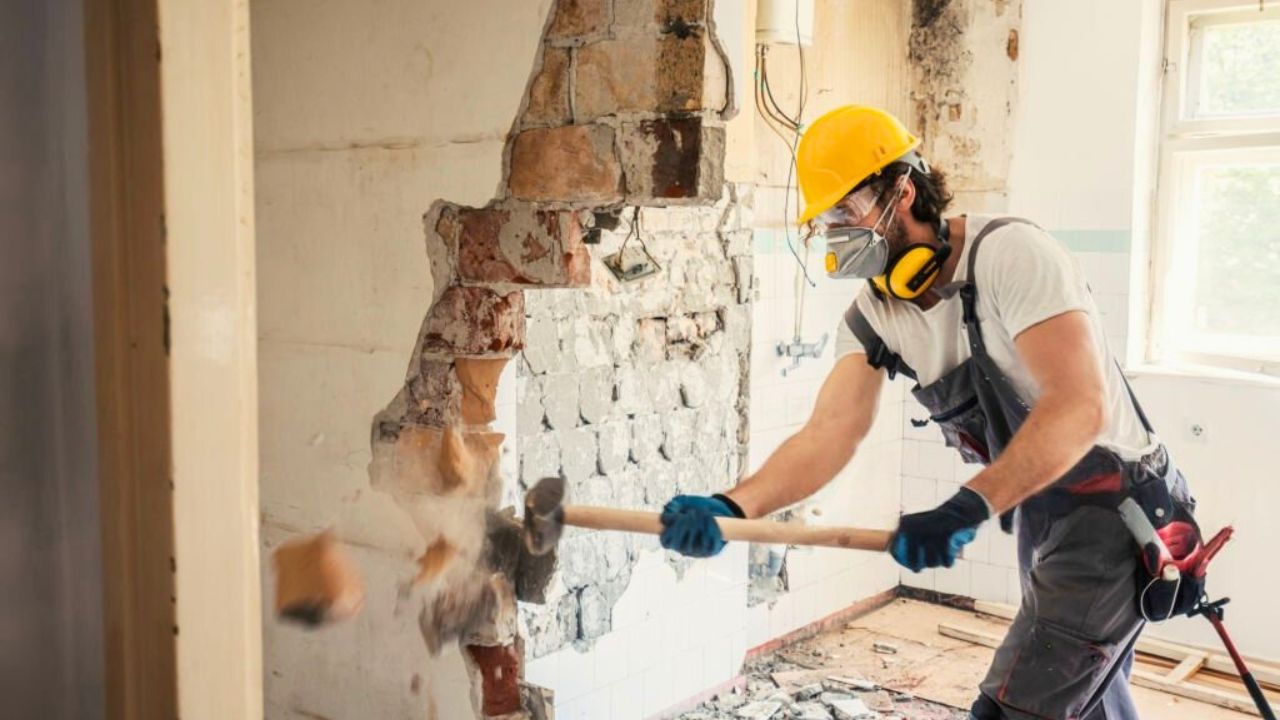
HGTV is turning renovation fails into appointment television, and the new series “Botched Homes” is the clearest sign yet that your DIY missteps are now primetime material. Slotted into the network’s 2026 slate, the show is built around catastrophic remodels that need serious rescue, effectively functioning as a televised warning label for what can go wrong when you cut corners. If you are planning a renovation, you will want to treat it as both entertainment and a field guide to mistakes you cannot afford to repeat.
HGTV’s 2026 pivot: from aspirational to cautionary
You are used to HGTV as a place where every project seems to wrap with a reveal and a tidy bow, but the 2026 lineup signals a shift toward spectacle and risk. The network is still anchored by glossy success stories, yet it is also leaning into the drama of what happens when those stories fall apart, and “Botched Homes” sits squarely in that new lane. The broader programming slate, showcased on the main HGTV site, frames home content as a mix of fantasy, problem solving, and now, damage control.
That shift is not happening in isolation. HGTV has already committed to a robust 2026 schedule that includes returning staples and fresh concepts, with executives positioning the year as a reset after a wave of cancellations that frustrated loyal viewers. Coverage of the upcoming slate notes that the network is layering in more than 30 episodes of new formats that lean into wild listings, travel stays, and big renovations, with a Dec programming preview emphasizing how the lineup stretches what counts as home content “at the” edges of the genre, a context that helps explain why a show built around failed projects fits so neatly into the plan.
Where “Botched Homes” fits in the new slate
Within that broader reset, “Botched Homes” is one of the clearest examples of HGTV betting that you will tune in not just for dream kitchens but for the fallout when those dreams go sideways. The series is part of a cluster of new titles that sit alongside a flood of fresh “House Hunters” episodes and a new “Property Brothers” spinoff, giving the schedule a mix of comfort food and high-stakes renovation drama. Reporting on the 2026 lineup highlights that Four new shows are joining hundreds of new “House Hunters” installments, positioning “Botched Homes” as part of a deliberate expansion rather than a one-off experiment.
The network’s own 2026 programming preview underscores that this expansion is not just about volume, it is about variety. Alongside the new series, HGTV is bringing back established hits under its Returning Series banner, including “My Lottery Dream Home” with HGTV star David Bromstad, which keeps the aspirational fantasy alive even as “Botched Homes” digs into the consequences of bad decisions. For you as a viewer, that means 2026 will offer both the high of watching someone spend a windfall and the sobering reality of what happens when a renovation budget is misused or a contractor cuts corners.
Meet Charlie Kawas, the contractor cleaning up the mess
At the center of “Botched Homes” is Florida contractor Charlie Kawas, whose job is to walk into the kinds of spaces you might scroll past in online horror threads and figure out how to make them safe and livable again. The premise is simple but potent: you see the worst-case scenarios of renovation gone wrong, then watch a professional methodically unwind the damage. A detailed description of the series notes that Botched Homes follows Florida contractor Charlie Kawas as he tackles dangerous, poorly done construction work and DIY projects gone wrong, which tells you exactly how high the stakes are when he walks through the door.
Kawas is not just a local handyman plucked for television. Earlier reporting describes him as a New York City turned Florida contractor, a biographical detail that hints at the range of building styles and code environments he has navigated. One preview of the 2026 slate notes that the most jaw-dropping, head-scratching failed renovations will not deter the New York City turned Florida contractor Charlie, framing him as someone who has already seen enough chaos to stay calm when a load-bearing wall has been hacked apart or a bathroom has been tiled directly over rotting subfloor.
Eight episodes of worst-case scenarios
For you, the structure of “Botched Homes” matters because it shapes how much you can actually learn from each disaster. The first season is built as an eight episode run, with each installment focusing on a different property that has been compromised by shoddy work or overconfident DIY. That same preview of the 2026 slate specifies that the most jaw-dropping failed renovations will play out across eight one hour episodes, giving Charlie Kawas enough time in each case to diagnose the problem, explain the risk, and walk you through the fix rather than racing to a reveal.
Additional details about the format reinforce that the show is designed as a deep dive into failure, not a quick montage of before and after shots. A series listing for Botched Home describes NYC contractor Charlie Kawas and his team fixing dangerous, poorly done construction work and failed DIY projects in damaged homes across eight episodes, which aligns with the idea that each hour will unpack not just what went wrong but how to rebuild correctly. For anyone planning a remodel, that pacing turns the show into a kind of slow-motion case study in what not to do.
From NYC to Florida: why location matters in a renovation rescue
The fact that Kawas built his career between NYC and Florida is more than a biographical flourish, it shapes the way he approaches each botched project you see on screen. New York City construction is defined by tight spaces, strict codes, and aging buildings, while Florida brings its own mix of hurricane exposure, high humidity, and slab foundations. The 2026 slate preview that introduces New York City turned Florida contractor Charlie hints at that dual background, which means when he calls out a structural shortcut or a moisture trap, he is drawing on experience in two of the most challenging environments for residential work.
For you as a homeowner or renter, that cross-regional expertise matters because it highlights how a fix that might be barely acceptable in one climate can be a disaster in another. A bathroom vented into an attic might limp along in a dry region, but in a humid coastal market it can quickly turn into mold and rot. The series description that identifies him as an NYC contractor Charlie Kawas and team suggests that the show will not shy away from those regional nuances, giving you a clearer sense of why copying a project you saw online without understanding your local conditions can be so risky.
Why HGTV is betting on renovation disasters right now
The timing of “Botched Homes” is not accidental. HGTV has spent the past year managing viewer frustration after canceling several fan favorites, and the network needs new concepts that feel fresh without abandoning its core promise of home-focused storytelling. A Dec rundown of returning and renewed series notes that Some stars from canceled shows, including Christina Haack, will return to HGTV next year, which helps soothe some of the backlash but also raises the bar for any new title that wants to earn a spot on your watch list.
At the same time, the network is under pressure to keep pace with how you actually consume home content now, which often involves binge watching spectacular failures on social media. A detailed look at the 2026 slate notes that HGTV is layering in more than 30 episodes of concepts that lean into spectacle, with a Dec preview emphasizing that the network is doubling down on wild listings, travel stays, and big renovations At the outer edges of what counts as home content. In that context, a series that turns renovation disasters into serialized storytelling is less a gamble and more a logical extension of what you are already watching on your phone.
How “Botched Homes” turns into a playbook for your own remodel
For all its drama, “Botched Homes” is poised to function as a practical guide if you are about to sign a contract or pick up a sledgehammer. Each episode walks you through the anatomy of a failure, from the first red flag to the final repair, giving you a mental checklist of questions to ask and shortcuts to avoid. The series description that highlights how NYC contractor Charlie Kawas and his team fix dangerous, poorly done construction and failed DIY projects makes it clear that the show is not just about aesthetics, it is about safety and long term durability.
That focus on risk is especially useful if you have been tempted by the idea of tackling major work yourself after watching quick-hit renovation clips online. By the time you see Kawas open up a wall and reveal a hacked beam or an unpermitted electrical splice, you are also seeing the real cost of getting it wrong, from structural repairs to temporary housing. When you pair that with the rest of HGTV’s 2026 lineup, which still includes aspirational series like “My Lottery Dream Home” under the My Lottery Dream Home banner, you end up with a more complete picture of what it really takes to get from fantasy mood board to finished space.
Balancing fan gripes and fresh concepts
If you have felt burned by HGTV cancellations, you are not alone, and the network is clearly trying to win you back with a mix of familiar brands and bolder experiments like “Botched Homes.” Coverage of viewer reaction notes that HGTV fans have been grumpy after many cancellations, but that New HGTV Shows Have Been Announced and all are currently expected to debut at some point in 2026, with the initial focus on reassuring “House Hunters” loyalists that they will be getting hundreds of new episodes. That reassurance creates breathing room for the network to introduce riskier concepts without alienating its base.
“Botched Homes” benefits from that strategy because it can slot in alongside known quantities rather than carrying the entire burden of reinvention. A feature that invites you to Let viewers Dive In to the New Shows frames “Botched Homes” as part of a broader wave of titles, including a new “Property Brothers” project and other travel and renovation hybrids, which collectively signal that HGTV is willing to experiment as long as the core promise of home improvement remains intact. For you, that means the network is not just chasing shock value, it is trying to recalibrate the balance between comfort viewing and real-world stakes.
What this means for how you watch (and renovate) in 2026
By the time “Botched Homes” arrives on the 2026 schedule, you will be able to toggle between shows that sell you on the dream of a perfect space and one that walks you through the nightmare of a project gone wrong. That contrast is not accidental, it is HGTV’s way of acknowledging that the renovation boom has produced as many horror stories as success stories. The main HGTV hub already reflects that duality, pairing glossy reveals with programming notes that highlight the network’s growing interest in high stakes renovations and unusual properties.
For your own plans, the takeaway is straightforward. Use “Botched Homes” as a checklist of what to question before you sign off on a bid, from verifying permits to insisting on inspections when structural elements are touched. Pay attention to how Charlie Kawas, introduced across multiple previews as a Florida based contractor with New York City roots, methodically diagnoses each failure, and let that inform the questions you ask your own pros. If HGTV is effectively slapping a warning label on bad remodels, your job is to read it closely before you pick up a hammer.
Like Fix It Homestead’s content? Be sure to follow us.
Here’s more from us:
- I made Joanna Gaines’s Friendsgiving casserole and here is what I would keep
- Pump Shotguns That Jam the Moment You Actually Need Them
- The First 5 Things Guests Notice About Your Living Room at Christmas
- What Caliber Works Best for Groundhogs, Armadillos, and Other Digging Pests?
- Rifles worth keeping by the back door on any rural property
*This article was developed with AI-powered tools and has been carefully reviewed by our editors.