What’s really failing first in older homes: HVAC, wiring, or plumbing?

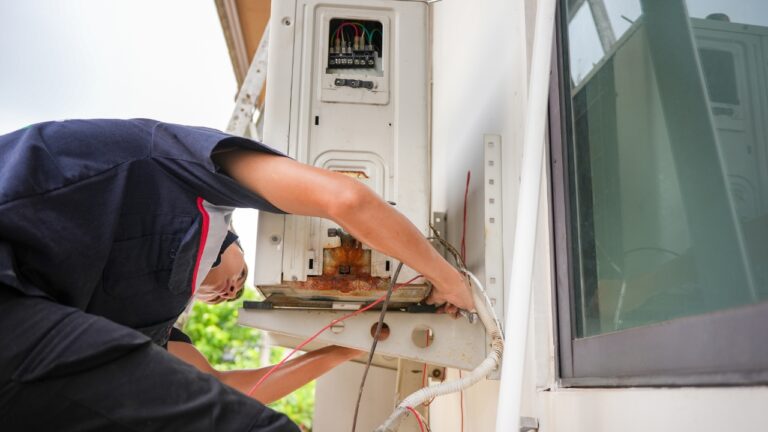
What’s really failing first in older homes: HVAC, wiring, or plumbing?

In an older house, the first system to fail is rarely the one you are watching most closely. The real tipping point is a mix of age, design, and how hard you push the equipment, which means HVAC, wiring, and plumbing all age on different clocks. If you understand those clocks, you can decide what…
The maintenance item people skip that keeps leading to winter ceiling stains

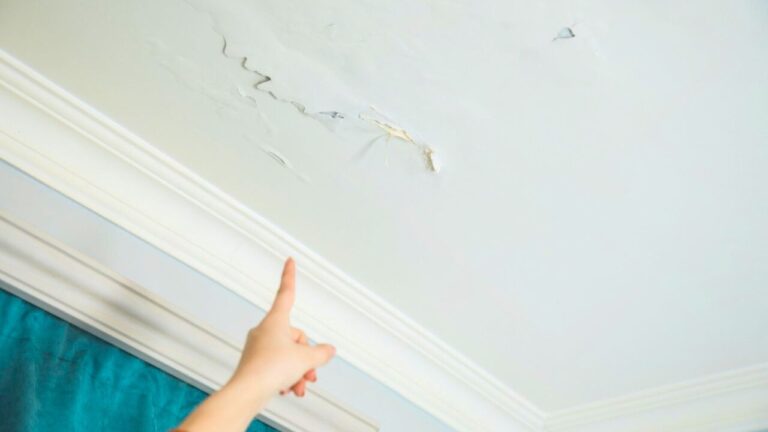
The maintenance item people skip that keeps leading to winter ceiling stains

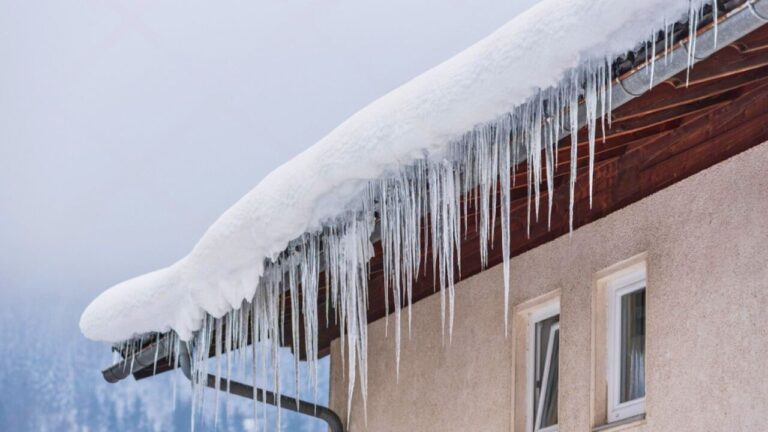
Winter ceiling stains rarely start with a dramatic leak. More often, they trace back to a quiet, overlooked chore that lets water creep in long before you notice a brown halo on the paint. The maintenance step most people skip is keeping gutters and roof edges truly clear so melting snow can move off the…

Home insurance “prevention tech” is spreading—here’s what that means for homeowners

Home insurance “prevention tech” is spreading—here’s what that means for homeowners

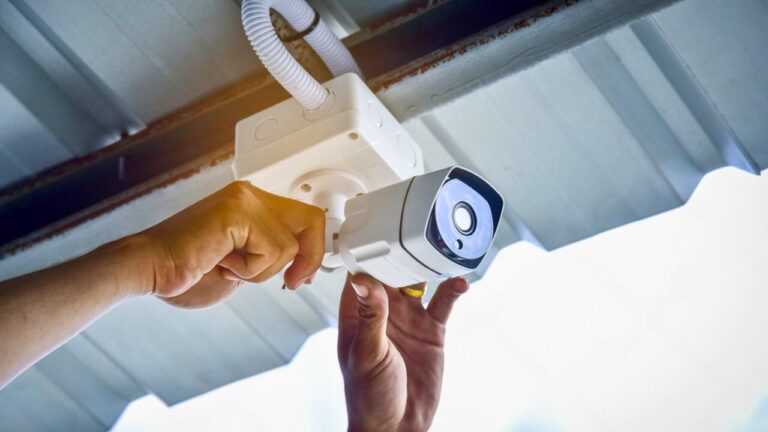
Home insurance is quietly shifting from paying for disasters to trying to stop them in the first place. Instead of only cutting a check after a burst pipe or break‑in, more carriers now want you to install sensors, cameras, and connected alarms that can spot trouble early. For homeowners, that “prevention tech” trend can mean…

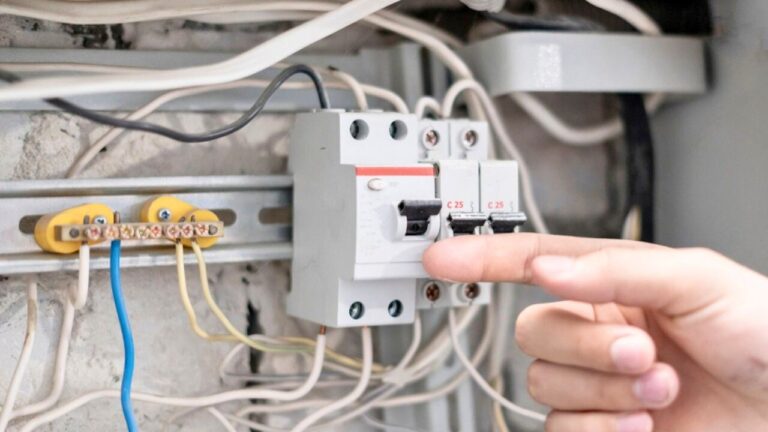
These electrical warning signs are getting more attention from insurers

These electrical warning signs are getting more attention from insurers

Insurers are no longer treating electrical problems as background noise. As loss data and real time monitoring sharpen their view of risk, specific warning signs in your wiring, panels, and even safety signage are starting to influence whether you get coverage at all, and at what price. If you manage property or run a business,…

The home feature that looks harmless but can raise your risk profile

The home feature that looks harmless but can raise your risk profile

Your home is supposed to be a refuge, but some of the features you add to make it more comfortable, stylish, or fun can quietly make you look riskier on paper. Insurers study those details closely, and what feels like a harmless upgrade can nudge your premiums higher or even limit your options. Understanding how…

The fastest way a small leak turns into a full gut job (and how to catch it early)

The fastest way a small leak turns into a full gut job (and how to catch it early)

Water rarely announces itself with a dramatic burst. In most homes, the disaster that ends in ripped-out drywall and a full gut renovation starts with a quiet drip behind a cabinet or a faint stain on the ceiling. If you understand how quickly that “small” problem escalates, you can spot the early clues, act fast,…

Home inspectors keep finding this in pre-1990 houses—and buyers miss it

Home inspectors keep finding this in pre-1990 houses—and buyers miss it

Walk through enough houses built before 1990 and a pattern emerges: inspectors keep flagging the same hidden hazards while buyers focus on countertops and paint colors. The most serious problems are usually baked into the structure, wiring, plumbing, and materials, and they can turn a dream purchase into a long, expensive renovation. If you understand…

If your house was built in the 80s, this pipe could be your biggest surprise

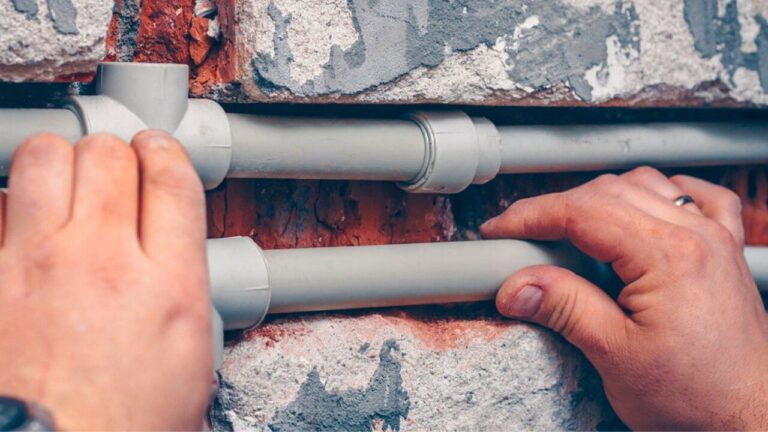
If your house was built in the 80s, this pipe could be your biggest surprise

If your house went up in the 1980s, the most expensive thing hiding behind the drywall may not be knob‑and‑tube wiring or asbestos tile, but a gray plastic pipe that looked like the future when builders first embraced it. Polybutylene, often shortened to “Poly B,” was sold as a miracle material, yet it has since…