Cleaning Methods That Keep the Cat Smell Under Control
If you’ve got cats, you already know how quickly the smell can build up—especially if you’ve got more than one. Even when your house looks clean, that lingering odor can stick around in the litter box, soft fabrics, and places you didn’t think to check. But with the right cleaning habits and a little consistency, you can keep the cat smell from taking over.
Scoop the Litter Box Every Day
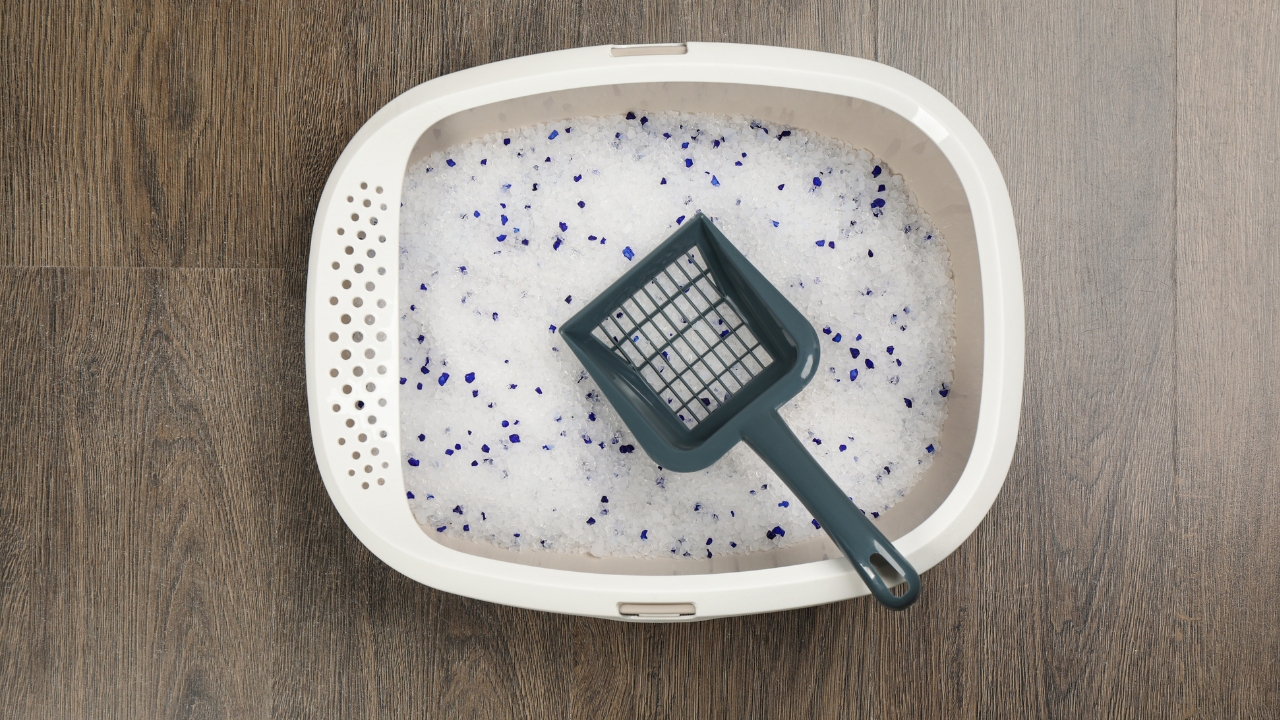
Litter box odors are the biggest contributor to that classic cat smell. Scooping once a day—twice if you have multiple cats—goes a long way in keeping things under control. Waiting too long gives that ammonia smell time to spread.
Use a good clumping litter and keep a trash can with a lid nearby to make the habit easier. It helps to top off with fresh litter after scooping to maintain the right depth for absorption and odor control.
Deep Clean the Litter Box Weekly
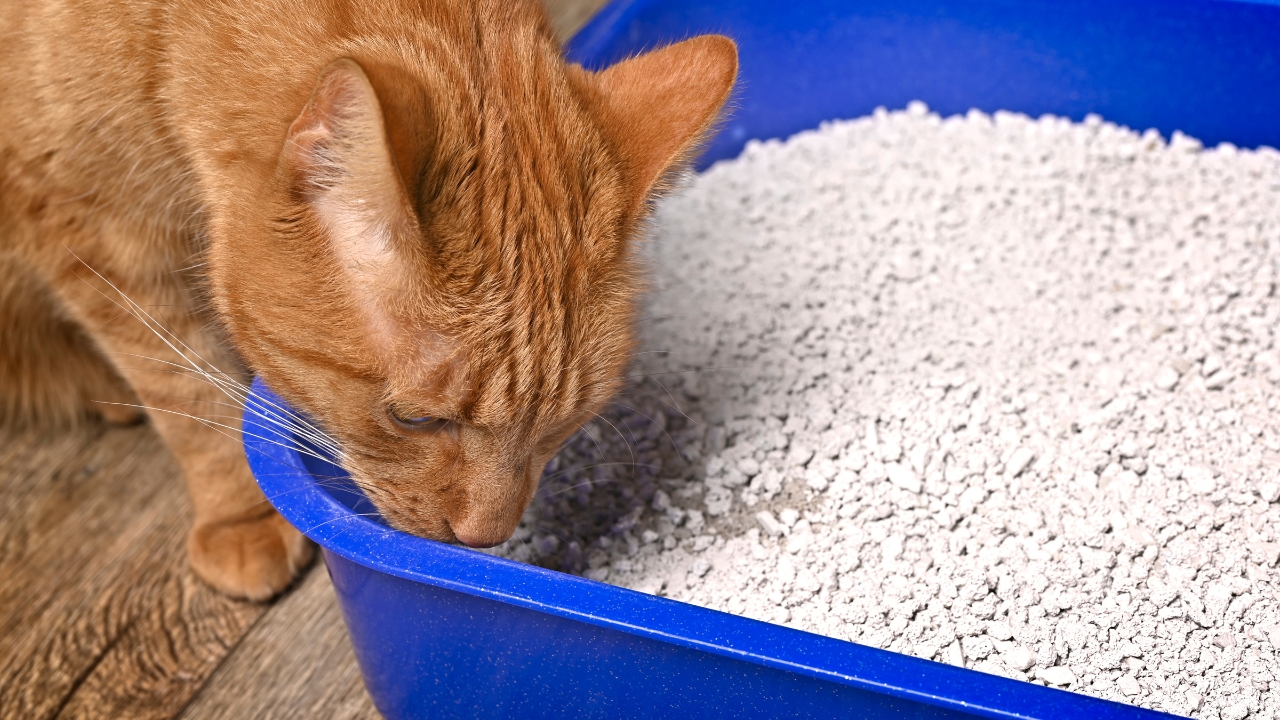
Even if you’re great about scooping, the box itself needs to be scrubbed regularly. Urine can soak into the plastic and cause that lingering sour smell that won’t go away no matter how clean the litter looks.
Once a week, dump everything out and wash the box with warm water and unscented soap. Avoid harsh cleaners like bleach—vinegar works well if you need to cut through any odor buildup. Let it dry completely before refilling it.
Vacuum and Mop Where They Hang Out
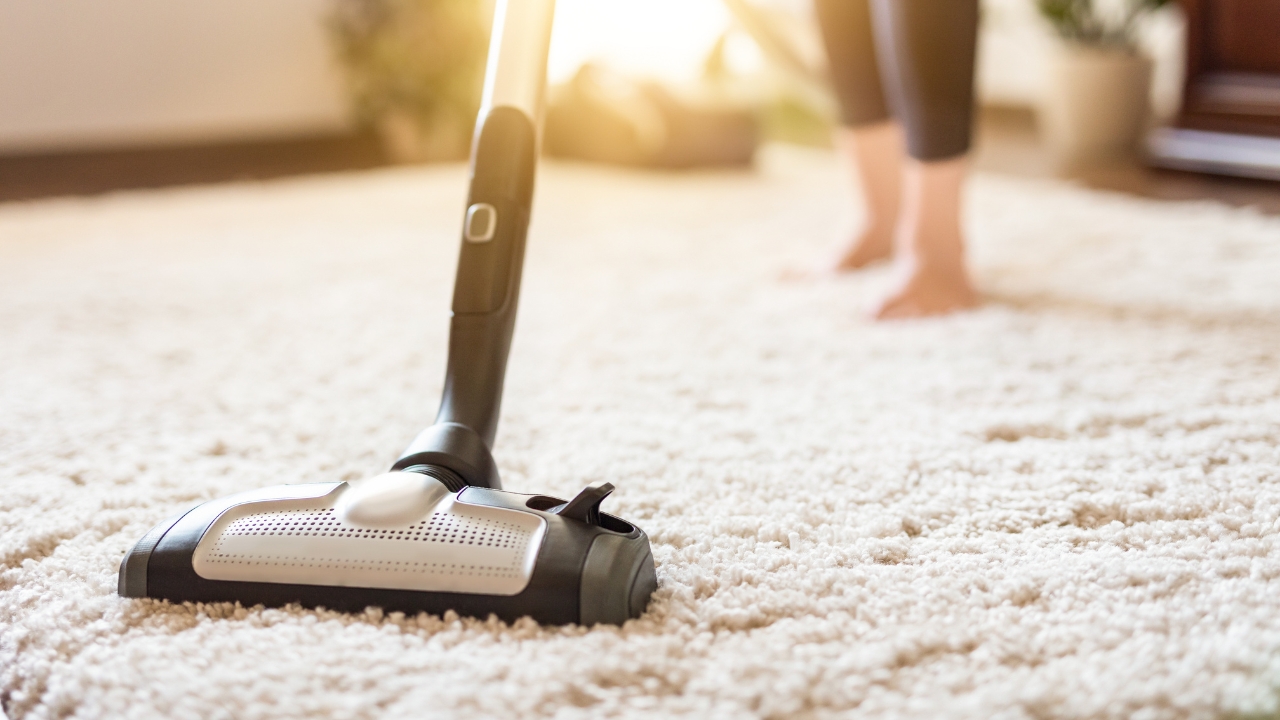
Cat dander and fur collect on every surface, and both can carry odor over time. You’ll want to vacuum often—especially rugs, furniture, and baseboards. If your cat naps in the same spots every day, focus there.
After vacuuming, mop any hard floors with a mix of warm water and vinegar. That helps cut through invisible grime from paws or accidents. A few drops of pet-safe essential oil can help if the vinegar smell bugs you.
Wash Blankets and Cushions Weekly

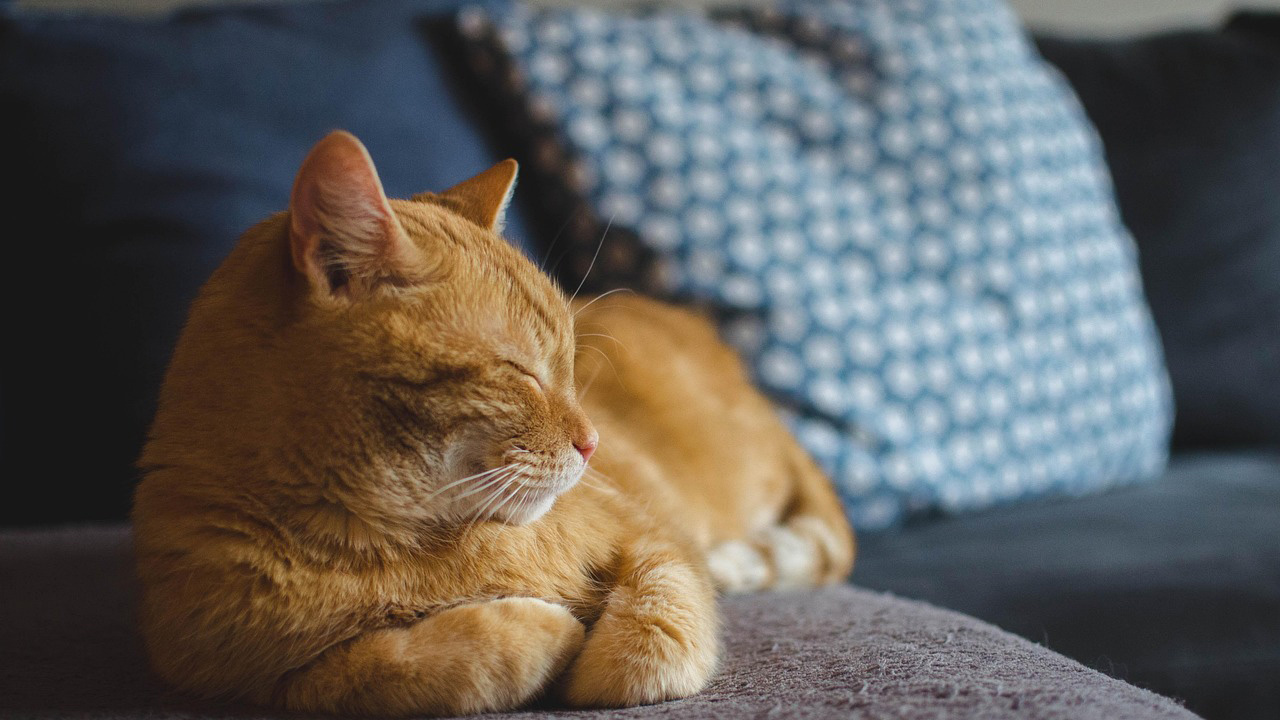
Anywhere your cat lays will eventually smell like your cat. That includes throw blankets, couch cushions, and pet beds. Even if you don’t notice the smell right away, guests probably do.
Toss blankets and covers in the wash with hot water and an unscented detergent. If odor lingers, add a cup of white vinegar to the cycle. Pet beds with removable covers should go in the washer too—if the insert can’t be washed, sprinkle it with baking soda, let it sit, and vacuum it out.
Don’t Forget the Curtains

Curtains are one of those places people forget, but they absorb smells just like fabric furniture. If your cat rubs against them or sleeps on the windowsill, the fabric can hold onto pet odor.
You don’t have to wash them every week, but every couple of months makes a big difference. If they’re not machine washable, take them down and give them a good shake outside, then spray with a fabric-safe deodorizer or steam clean them.
Clean the Litter Mat Often

If you use a litter mat to trap the grit your cat tracks out, that thing needs regular cleaning too. It collects dust, urine dust, and particles that hold odor even if they’re not visible.
Shake it out outside, then rinse with hot water and scrub it down with mild soap once a week. If it’s starting to smell, soak it in vinegar water before rinsing. Let it dry fully before putting it back.
Wipe Down Walls and Baseboards

Over time, baseboards and lower walls collect hair, dander, and even the occasional spray if you’ve got a territorial cat. These areas are often overlooked during regular cleaning.
Once a month, wipe them down with a damp microfiber cloth and a little vinegar. It doesn’t take long, and it helps prevent that stale smell from sticking around—especially in smaller rooms where the air doesn’t circulate as much.
Use an Air Purifier with a Carbon Filter
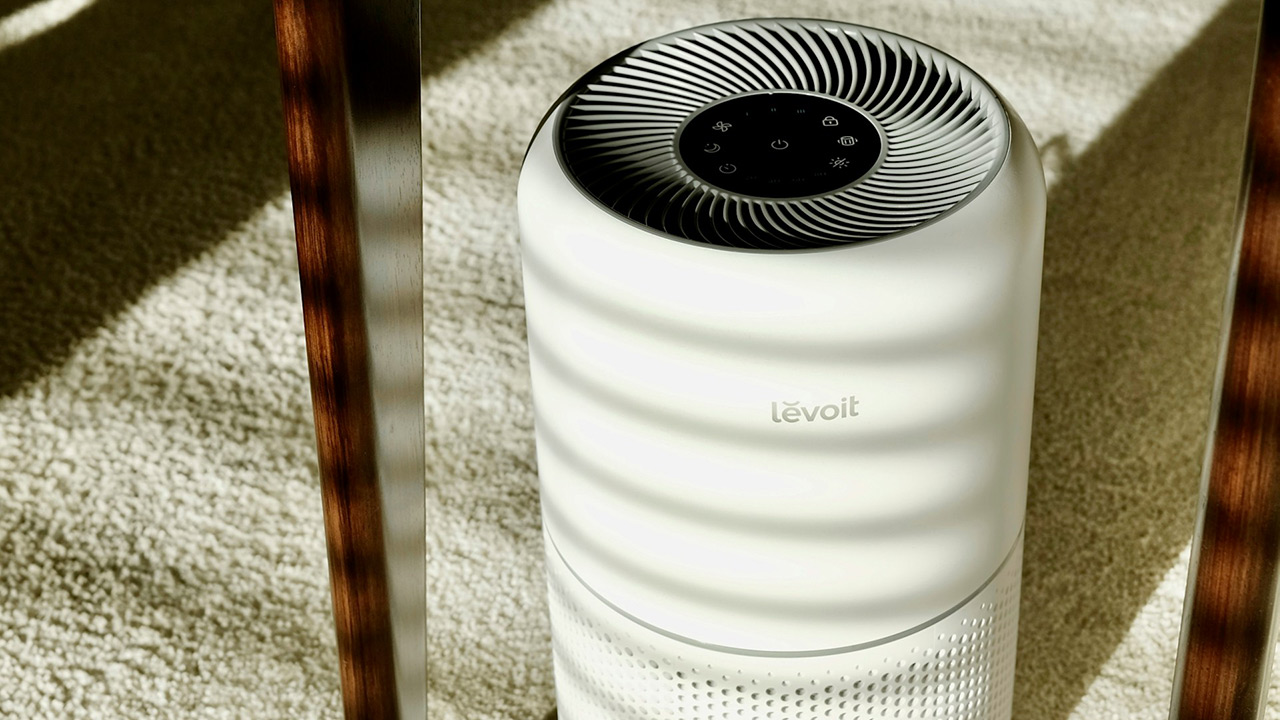
Air purifiers can help, but not all of them are built to handle pet smells. Look for one with a carbon filter, which is designed to trap odor particles. Place it near the litter area or wherever your cats spend the most time.
You’ll still need to clean regularly—an air purifier won’t replace that—but it can keep the overall air fresher and make a noticeable difference for guests who aren’t used to the smell.
Clean Their Food and Water Dishes

Food dishes, especially those with wet food residue, can start to stink fast. That smell can blend into your kitchen or feeding area before you even realize it.
Rinse and wash food and water bowls daily. Once a week, scrub them down with hot water and dish soap, or run them through the dishwasher if they’re safe for it. Stainless steel or ceramic bowls are easier to clean and hold less odor than plastic.
Deal with Accidents Right Away

If your cat ever pees or vomits outside the litter box, don’t wait. The longer it sits, the harder it is to get the smell out—especially on fabric or carpet.
Use an enzyme cleaner designed for pet messes. These break down the compounds that cause odor instead of covering them up. Spray generously, let it soak, then blot it up. Repeat if needed. You don’t want that smell lingering—it’ll keep them coming back to the same spot.
*This article was developed with AI-powered tools and has been carefully reviewed by our editors.