“Even the United States will not be powerful enough to go it alone” — Merz warns Munich conference as Rubio arrives
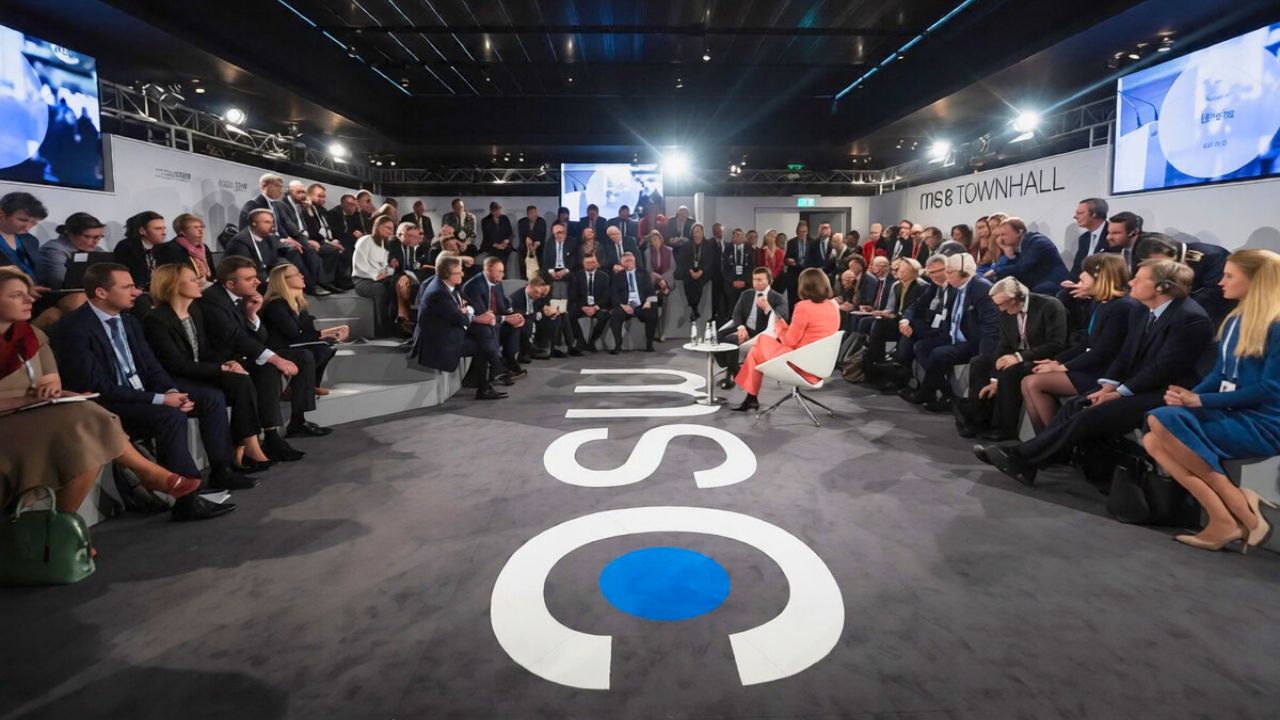
MUNICH — German Chancellor Friedrich Merz urged the United States and Europe to “repair and revive transatlantic trust” on Friday, warning that the geopolitical era ahead will demand tighter coordination, not looser alliances. Speaking at the opening of the Munich Security Conference, Merz said that “in the era of great-power rivalry, even the United States will not be powerful enough to go it alone,” a line that drew immediate attention as Washington and European capitals navigate growing friction over security priorities, trade disputes, and how to sustain support for Ukraine.
Merz framed NATO as an advantage for both sides of the Atlantic, arguing that membership is not only Europe’s competitive edge but also America’s. His remarks were delivered as U.S. Secretary of State Marco Rubio arrived at the conference for meetings and discussions, with the transatlantic relationship once again dominating the agenda in Munich. Rubio, speaking separately, described the moment as a new phase in world politics and signaled that allies should expect a clearer-eyed reassessment of responsibilities and burdens.
The Munich Security Conference, held annually as a marquee gathering for defense chiefs and foreign policy leaders, has become a venue where long-term worries are discussed in real time. Merz called the conference a “seismograph” for the political situation, arguing that it captures the state of U.S.-Europe ties and the direction of global power competition. In Munich, panels and bilateral meetings are expected to focus on Ukraine’s battlefield outlook, long-range strike capability, European defense production, and the uneasy question of what a sustainable security framework looks like if the war drags on.
Merz’s speech also reflected a growing European push for greater strategic capacity inside NATO rather than outside it. European officials have debated how quickly they can increase defense spending, improve ammunition and weapons production, and coordinate air and missile defense systems, while still emphasizing that NATO remains central to deterrence. The fact that Merz — leading Europe’s largest economy — chose to stress limits on U.S. unilateral power underscored a message heard repeatedly in Munich: European leaders want Washington engaged, but they also want Europe to be more capable if Washington’s focus shifts.
Rubio’s participation in Munich, rather than a presidential appearance, has drawn additional scrutiny from diplomats and analysts tracking what the next phase of transatlantic coordination will look like across defense, supply chains, and economic pressure on Russia. The conference is also expected to feature conversations about the broader rules-based order, including climate and health institutions that have become flashpoints in domestic politics and international messaging.