Experts say these are the ugliest colors you can paint a house
Color can boost your curb appeal or tank it before anyone even steps inside. When you pick the wrong shade for your exterior, you are not just making a style misstep, you are potentially shrinking your pool of future buyers and the price they are willing to pay. Designers, color experts, and real estate pros are surprisingly aligned on which hues consistently land in the “ugliest” category for a house, and the list is more specific than you might think.
If you are about to repaint, it helps to know which colors experts say to skip so you do not have to repaint again in a year or explain to your agent why no one is biting. From harsh neons to muddy browns, certain shades are almost guaranteed to turn people off, no matter how trendy they look on a paint chip.
Neons and ultra-bright shades that scream instead of welcome
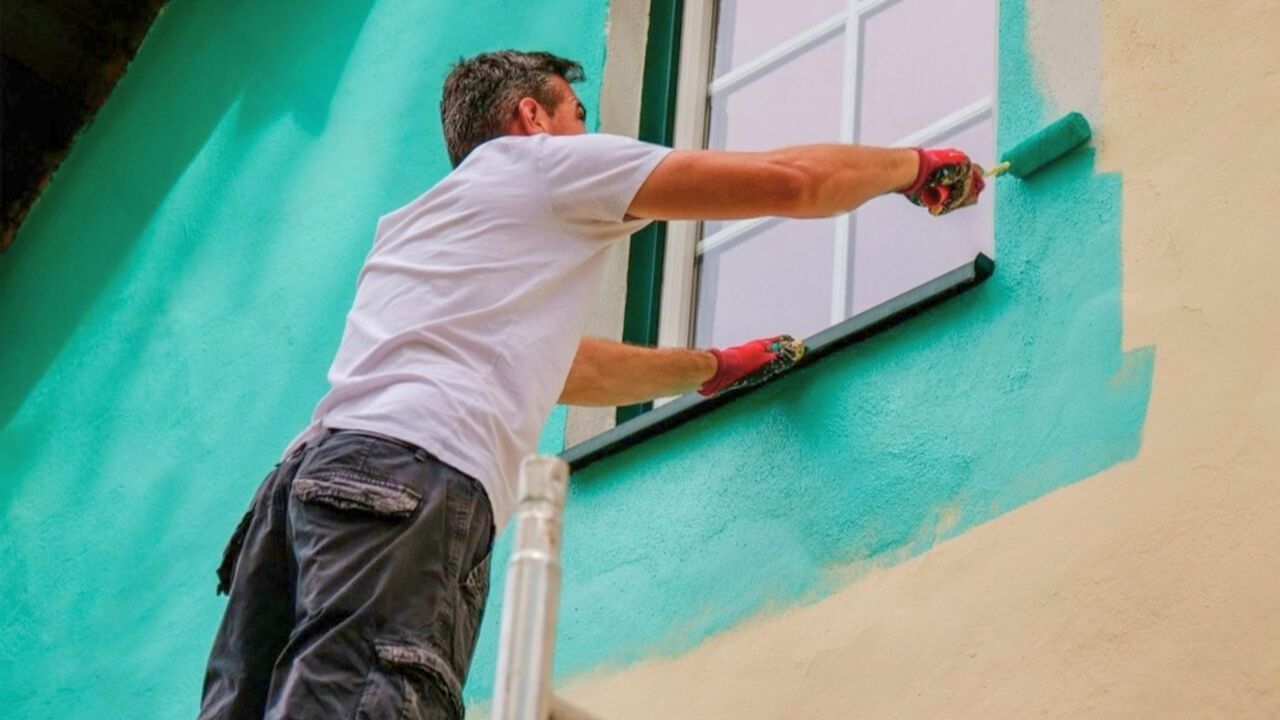
The fastest way to make your house look chaotic from the street is to coat it in neon or ultra-bright color. Highlighter greens, hot pinks, and electric yellows might be fun on sneakers or a festival poster, but on siding they read as jarring and juvenile rather than stylish. Exterior specialists warn that neon greens, pinks, and yellows rarely work on a home, especially in traditional or suburban neighborhoods where they clash with more muted surroundings and can make your place look like a novelty prop instead of a residence.
That same problem shows up when you go for very bright, saturated versions of otherwise classic hues. A blinding “Bright Sunshine Yellow” on the exterior, for example, tends to overwhelm the architecture and can make trim, stone, and landscaping look cheap next to it. Real estate and design reports repeatedly flag bold, trendy colors as a reason buyers walk away, noting that loud shades on main areas of a house can actually cost sellers money when it is time to list. Color trend research also points out that lime green and bold pink are perceived as off-putting in home settings, which is exactly the opposite of the calm, welcoming vibe you want your exterior to give off.
Heavy browns, muddy beiges, and other “dull and outdated” earth tones
Earth tones can be beautiful, but there is a big difference between a warm, modern taupe and a dark, muddy brown that swallows all the light. Designers who focus on exteriors single out “Dark or Muddy Browns” as some of the worst offenders, explaining that these shades can make a house look smaller, older, and more worn than it really is. On a sunny day, a deep brown facade can feel oppressive, and in cloudy or winter light it can turn downright gloomy, especially when it covers both siding and trim.
Real estate agents echo that concern, describing dark brown exteriors as “dull and outdated” and warning that they rarely photograph well for online listings. Staging experts also caution against certain heavy beiges and taupes that skew muddy or dirty, noting that they can drag down curb appeal in the same way as the much maligned “worst” beige that sellers are told to avoid at all costs. When buyers are currently gravitating toward warm neutrals and earthy tones that feel fresh and natural, clinging to flat, murky browns puts your house on the wrong side of that trend and makes it harder to stand out in a competitive market for the right reasons.
Cold grays, steely blues, and other washed-out cool tones
For years, cool gray was the default “safe” choice, but color experts now say that many of those icy tones have tipped into the ugly zone. Reports on current trends note that grays and other cool neutrals are being replaced by warmer, more inviting hues, and that slate blues and similar cool colors are no longer as popular as they once were. On an exterior, a cold gray or steely blue can look flat and lifeless, especially in overcast light, and can make brick, stone, or roofing read as mismatched instead of cohesive.
That same issue shows up in smaller doses on front doors. Lists of paint colors that ruin curb appeal call out “Cool Grays And Steely Blues” as a problem, along with very dark blues and black that can feel severe rather than sophisticated when they are not balanced with the right surroundings. Color trend reports also highlight watery blues and deeper cool hues as signs that a design is becoming passé, which is not what you want buyers to think when they pull up to your place. When experts are telling you to say goodbye to cool neutrals and lean into warm tones, hanging on to those chilly grays outside can make your house look dated and uninviting.
Harsh blacks and gloomy ultra-dark exteriors
Black houses have had a big moment on Instagram, but professionals are increasingly blunt about how risky they are in real life. Guides aimed at sellers now advise you to skip black exteriors altogether, warning that they can turn off buyers who see them as too intense, too trendy, or simply too hard to maintain. In strong sun, a jet-black facade can show every speck of dust and every patch of fading, and in shade it can make a home disappear into a dark mass with no visible detail.
That concern extends to other ultra-dark shades, especially when they are used wall to wall instead of as accents. Color experts point out that very deep hues can feel heavy and closed in, which is the opposite of the bright, airy impression most buyers want from a house. Even on a front door, where drama is usually welcome, lists of curb appeal killers warn that “Dark Blues And Black” can backfire if they are too severe or not balanced with lighter trim and siding. When you combine that with broader advice that bold or trendy paint colors tend to deter buyers, it is clear that going all in on black outside is more likely to read as a design experiment than a timeless choice.
Unconventional, polarizing colors that scare off buyers
Beyond specific shades, experts keep coming back to one big theme: anything that feels extreme or unusual on a house is a gamble, and it usually does not pay off. Real estate agents who track buyer reactions say that bold colors signal “work” to buyers, because they assume they will have to repaint before moving in. That is why advice for sellers consistently urges you to neutralize bold or trendy colors before listing, especially on the exterior where first impressions are formed in seconds.
Research on the “ugliest” color in the world drives home how powerful that reaction can be. An Australian survey of 1,000 smokers identified a drab, brownish green known as Pantone 448C as the most repellent color, and The UK chose it for plain cigarette packaging specifically because people found it so unattractive. Interior color trend reports similarly flag lime green and bold pink as off-putting in home settings, while analyses of the hardest house colors to sell point to bright and unconventional hues, particularly strong reds and other bold tones, as major turnoffs. When you add in data showing that bright or outdated shades in main living areas can actually cost sellers thousands of dollars, it becomes clear that the ugliest house colors are not just a style issue, they are a financial one too.
Like Fix It Homestead’s content? Be sure to follow us.
Here’s more from us:
- I made Joanna Gaines’s Friendsgiving casserole and here is what I would keep
- Pump Shotguns That Jam the Moment You Actually Need Them
- The First 5 Things Guests Notice About Your Living Room at Christmas
- What Caliber Works Best for Groundhogs, Armadillos, and Other Digging Pests?
- Rifles worth keeping by the back door on any rural property
*This article was developed with AI-powered tools and has been carefully reviewed by our editors.