Extreme weather is exposing weak spots like roofs, drainage, and seals
When storms hit harder and seasons swing more sharply, the weak points in your home start to show. You see it in roofs that suddenly leak, gutters that overflow into basements, and window seals that give up under driving rain and heat. As extreme weather intensifies, you are no longer just managing comfort, you are stress-testing the basic shell that keeps water and wind out.
Treat that shell as static, and you end up patching the same problems after every storm. Treat it as a system that responds to rain, wind, heat, and snow, and you can strengthen it in ways that keep you ahead of the next downpour. That shift in mindset, from reacting to failures to anticipating them, will determine how well your roof, drainage, and seals hold up in the years ahead.
Roofs as your first line of defense
You rely on your roof to absorb the first impact of everything from summer cloudbursts to winter ice. When that surface is compromised, even slightly, water and wind find their way into places they were never meant to reach. Structural engineers point out that extreme weather conditions such as heavy winds, intense rain, and snow can weaken building components over time, especially once moisture starts corroding metal or saturating wood. Your roof is the surface that takes that punishment first and most directly.
Because of that exposure, your roof becomes a diagnostic tool as much as a shield. Missing shingles, sagging areas, or discolored patches are really signs of how storms have been testing your home. Guidance on how to prevent stresses that this surface is your home’s first defense and that neglect, even for a few seasons, lets heavy snow, hail, and wind turn small vulnerabilities into serious leaks and structural repairs.
Heavy rain and the fast track to leaks
When rain intensifies, it rarely creates a brand-new problem on its own. Instead, it exposes every pinhole, seam, and gap that already exists in your roofing system. Specialists who study how weather conditions describe heavy rain as a fast track to finding hidden failures, because water under pressure will push through weak spots and show up as stains, drips, or damp insulation that you might not notice in lighter showers. In practice, that means a storm that lasts a few hours can reveal damage that has been quietly developing for years.
For homeowners, the pattern is familiar. Roof leaks during heavy rain occur when water finds its way through weak spots in your roof, then follows gravity through underlayment, insulation, and framing until it reaches your ceiling or walls. Advice focused on Why Do Roof explains that once water gets past shingles or tiles, it will travel along nails, joints, and framing members, often surfacing far from the original entry point. That is why you may see a spot on a bedroom ceiling even though the actual breach is around a vent or valley several feet away.
Wind, uplift, and the hidden cost of storms
Wind does not just rattle your windows, it actively pulls at the edges and corners of your roof. Engineers who examine how wind can describe how uplift forces concentrate on roof edges, corners, and ridgelines. If shingles or panels are not properly fastened, those areas start to lift, breaking seals and letting water drive underneath during the next storm. The damage is often subtle at first, which is why you might not notice a problem until months after a wind event.
That same uplift affects flashing around chimneys, skylights, and walls. The Roofing Perspective notes that Loose flashing allows wind and rain to get driven under the roof cover, where additional wind action increases uplift pressure and can strip more material away. For you, the result is a chain reaction. A single storm that loosens flashing or lifts a few shingles sets up the next round of severe weather to cause interior leaks, soaked insulation, and even structural decay if water repeatedly saturates the same framing members.
Drainage systems under stress
Even a perfectly installed roof will fail if water cannot leave the surface quickly enough. As rainfall intensifies, your gutters, downspouts, and scuppers become just as critical as the shingles above them. Experts who focus on Tips for Maintaining a Working Roof Drainage System stress that it is critical for water to drain off low-slope roofs, because ponding increases the load on the structure and raises the risk of leaks at seams and penetrations. When drains clog with leaves or debris, water finds other paths, often into parapet walls or through tiny cracks at the roof perimeter.
On pitched roofs, the story is similar. If gutters are undersized or blocked, heavy rain spills over, saturating soil next to foundations and backing up under the lower edge of the roof. Guidance on improving roof ventilation points out that directing water away from the structure reduces both roof leaks and basement moisture. For you, that means cleaning gutters, checking that downspouts discharge well away from the house, and confirming that any internal drains on flat sections are protected with strainers that keep debris from entering the pipe.
Seals, flashing, and the building enclosure
While shingles and gutters grab your attention, the smaller components around them often determine whether your home stays dry. The building enclosure depends on seals around windows, doors, vents, and joints between walls and roof planes. Analysts who study Extreme Weather Impact on the Building Enclosure describe how wet and dense snowfall, especially when combined with wind, can drive moisture into joints and seams that previously appeared tight. Once water reaches insulation or framing, repeated freeze and thaw cycles enlarge those gaps, turning minor seepage into active leaks.
Flashing and sealants are especially vulnerable because they often age faster than the materials around them. Specialists who track effects of severe note that intense sun, followed by heavy rain and wind, can crack sealants and pull flashing away from vertical surfaces. For you, that means a roof that looks intact from the ground can still have gaps around chimneys, skylights, or wall intersections where water slips behind siding and into wall cavities.
Heat, cold, and the slow breakdown of materials
Extreme temperatures might not trigger an immediate leak, but they steadily weaken the materials that keep your home watertight. Analysts who examine High temperature impacts report that intense heat can melt the tar that holds shingles together, which weakens your roof’s structural integrity and makes it easier for wind and water to lift or penetrate the surface. Over time, ultraviolet exposure also dries out asphalt, leading to brittleness and granule loss that you might first notice as excessive grit in your gutters.
Seasonal swings compound that stress. Guidance on Let Sun And Extreme Heat explains that intense sun can leave shingles with a faded or patchy appearance, while cold seasons introduce expansion and contraction that open small gaps. Another analysis focused on Understanding How Weather notes that every season introduces unique challenges, with summer heat expanding materials and winter cold making them more brittle, which gradually reduces reliability as the roof ages. For you, those slow changes mean that a roof which handled storms well a decade ago may now be far more vulnerable even if it looks similar from the street.
Ice, water shields, and winter weak spots
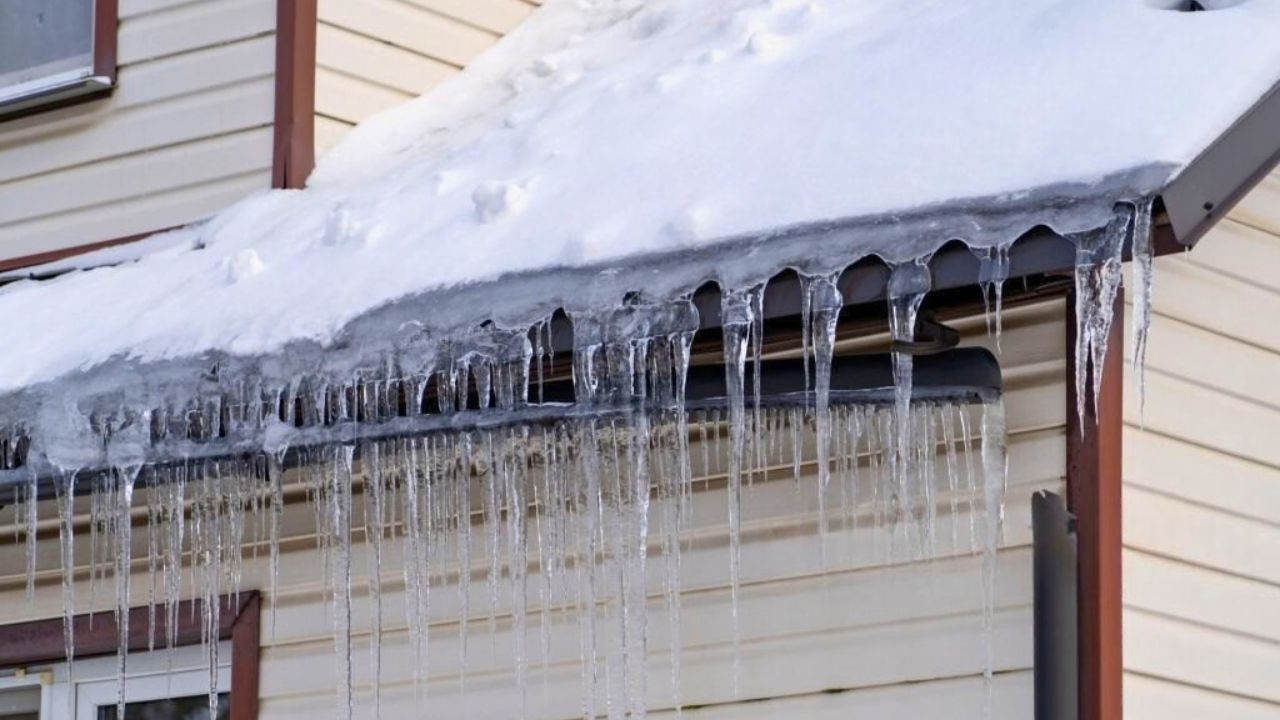
Cold climates introduce a different set of vulnerabilities, especially where snow and ice linger along eaves. Without protection, meltwater can back up under shingles and leak into ceilings along exterior walls. Contractors who explain what is ice emphasize that this membrane creates a watertight barrier under shingles in high-risk areas such as eaves and valleys. When you install it correctly, it helps prevent leaks from ice dams and wind-driven rain that would otherwise exploit nail holes and seams in the roof deck.
Winter also tests seals around vents and penetrations. Wet, dense snow can pile against chimneys, skylights, and sidewalls, then melt slowly, keeping those joints saturated for days. The analysis of wet and dense explains that this prolonged contact makes it common to have reported leaks around roofs and walls after storms that combine heavy snow with wind. For you, that means winter preparation is not just about insulation and heating, it is also about adding ice barriers, checking flashing, and clearing snow that traps meltwater in vulnerable spots.
Maintenance as your main resilience strategy
As storms intensify, you cannot control the weather, but you can control how prepared your home is when it arrives. Roof specialists who focus on Mitigating Damage with Expert Help recommend a clear sequence. Step one is to Inspect Your Roof Regularly and Check for signs of damage like cracked, loose, or missing shingles before severe weather hits. That proactive approach lets you replace vulnerable materials, reinforce flashing, and correct drainage issues while they are still minor.
Preventative guidance that urges you to Inspect Your Roof and Look for damaged or missing shingles frames maintenance as an ongoing habit rather than a one-time project. Another set of Tips to Prepare Your Roof for Severe Weather highlights waterproofing sealants, durable shingles, and upgraded flashing as practical steps that improve performance when storms arrive. For you, the takeaway is simple. Regular inspections, small repairs, and targeted upgrades cost far less than emergency work after water has already reached your ceilings and walls.
How to spot problems after every major storm
Even with strong preparation, you still need a routine for checking your home after serious weather. Guidance on Roof Inspection Tips recommends that Storm Damage Recovery starts with a thorough assessment of your roof immediately after conditions are safe. You are urged to look for missing or curled asphalt shingles, dented metal, displaced tiles, and debris that may have punctured the surface. From the ground, you can often spot obvious problems, but a closer inspection by a professional can reveal subtle issues such as lifted edges or hairline cracks.
Understanding Storm Damage and Its Effects on Your Roof also means recognizing less visible warning signs. Advice that breaks down Understanding Storm Damage explains that Types of Storm Damage include Wind Damage, which is one of the most common roof problems even when you do not see missing shingles from the yard. You are encouraged to check your attic for daylight through the roof deck, damp insulation, or new stains on rafters, because those signs often appear before water reaches interior ceilings. When you combine that post-storm checklist with your regular maintenance routine, you give yourself the best chance to catch weak spots before the next round of extreme weather exposes them again.
Like Fix It Homestead’s content? Be sure to follow us.
Here’s more from us:
- I made Joanna Gaines’s Friendsgiving casserole and here is what I would keep
- Pump Shotguns That Jam the Moment You Actually Need Them
- The First 5 Things Guests Notice About Your Living Room at Christmas
- What Caliber Works Best for Groundhogs, Armadillos, and Other Digging Pests?
- Rifles worth keeping by the back door on any rural property
*This article was developed with AI-powered tools and has been carefully reviewed by our editors.