Fed schedules public “regulatory cleanup” meeting as banks push back on burdens
The Federal Reserve is preparing to put its rulebook on stage, scheduling a public meeting on regulatory burden just as large and small banks intensify their pushback against what they see as costly, duplicative oversight. The gathering is framed as a routine review, but the timing, alongside parallel moves to ease certain expectations on lenders, signals a broader “regulatory cleanup” that could reshape how risk and paperwork are policed across the financial system.
Bankers are pressing for relief on everything from mortgage capital rules to confidential supervisory demands, while consumer advocates warn that trimming requirements too aggressively risks repeating hard lessons from the post‑crisis era. The upcoming review will test how far the central bank is willing to go in rewriting the balance between safety, simplicity, and growth.
Fed’s EGRPRA meeting puts paperwork and burden in the spotlight
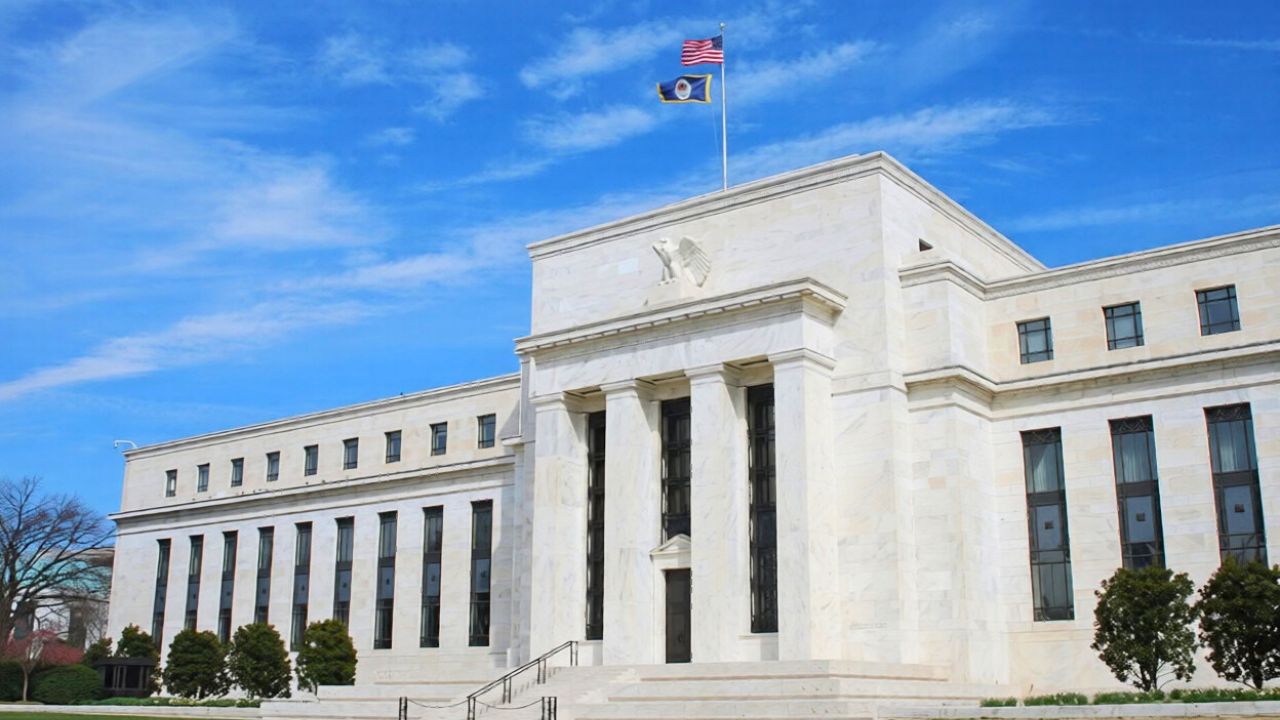
The centerpiece of the cleanup push is an Economic Growth and review that the Federal Reserve Board has scheduled as a Public Meeting in Washington, D.C. Under the Economic Growth and Regulatory Paperwork Reduction Act, often shortened to EGRPRA, the banking agencies must periodically comb through their rules and identify which ones are outdated, unnecessary, or overly burdensome. The Federal Reserve Board has said the event will be held at its building in Washington and that it will be livestreamed, signaling an effort to make the debate over regulatory costs more visible beyond the usual closed‑door meetings with trade groups and lobbyists.
According to a related Federal Reserve Board notice, the Public Meeting will invite testimony from bankers, consumer groups, and other stakeholders on how existing regulations affect economic growth, credit availability, and operational costs. A prior outreach session announced in Jul by the Federal bank regulatory agencies previewed this approach, with a virtual public outreach meeting on September 25, 2024, described as part of their review of regulations under the EGRPRA framework and flagged on the dedicated EGRPRA website. The new Washington session effectively moves that conversation into a more formal, high‑profile venue, where calls for trimming rules will sit alongside arguments for preserving safeguards built after the 2008 crisis.
Supervisory “cleanup”: dropping some prior demands on banks
Even before the public meeting convenes, the Federal Reserve has already begun to recalibrate how it supervises banks, including by deciding to drop certain confidential demands that examiners previously issued to firms. Reporting based on internal discussions indicates that The Federal Reserve plans to abandon some earlier supervisory warnings that had ordered lenders to improve operations and procedures. According to those accounts, the aim is to clear out outdated or redundant findings so that supervisory attention focuses on current, material risks instead of legacy issues that banks argue they have already addressed.
This shift fits into a broader pattern that began when The Federal Reserve Board announced in Jun that reputational risk would no longer be a standalone component of examinations. In that Press Release, The Federal Reserve Board said on Monday that exam ratings would no longer include a separate reputational risk category, a change that banks had long sought because they viewed it as subjective and hard to manage. That decision, combined with the reported plan to pull back some prior confidential demands, suggests a conscious effort to narrow supervisory focus to quantifiable risks like capital, liquidity, and operational resilience, while reducing what banks describe as open‑ended expectations.
Community bank relief and the paperwork grind
Community banks have been some of the loudest voices calling for regulatory cleanup, arguing that rules written with trillion‑dollar balance sheets in mind often fall hardest on institutions that serve small towns and regional business corridors. Earlier this year, a Jan account of an internal agenda described how, in an October memo, supervisory staff were told to focus more tightly on the Fed’s responsibility to promote the safe and sound operation of banks while also scrutinizing the cumulative impact of rules on community lenders. That memo, according to the same report, outlined a regulatory relief agenda for community banks that is expected to run through the end of 2026, with an emphasis on simplifying examinations and reducing duplicative reporting.
The EGRPRA framework gives those concerns a formal channel. At the upcoming Public Meeting, community institutions are likely to highlight specific reporting requirements that they say consume disproportionate resources, such as detailed call report schedules and overlapping data requests from multiple agencies. The Federal Reserve Board has already signaled, through its EGRPRA Public Meeting materials, that it will be collecting comments on regulatory burden and paperwork reduction in Washington. For smaller banks that lack the compliance armies of larger peers, the outcome could determine whether they can redirect staff time toward lending and customer service or remain locked in an administrative grind.
Mortgage rules and capital relief in focus
While supervision and paperwork are one front, capital rules for housing finance are becoming another flashpoint in the cleanup debate. A recent account of internal deliberations reported that the Federal Reserve Wants To Loosen Bank Rules To Boost Mortgage Lending, with a particular focus on the capital weight assigned to certain mortgage assets. According to that report by Tristan Navera, the proposal would reduce the capital weight assigned to some mortgage assets in order to encourage banks to hold more home loans on their balance sheets and expand credit availability.
Bank executives argue that current capital treatment makes certain types of mortgages unattractive compared with other assets, which they say helps explain why nonbank lenders now dominate originations in segments such as Federal Housing Administration loans. The push for relief aligns with a broader political appetite to support homebuyers, particularly first‑time borrowers shut out by high rates and tight credit boxes. Yet consumer advocates and some policymakers worry that lowering capital requirements on mortgage exposures could leave banks more vulnerable to housing downturns, especially if underwriting standards slip. The debate over how to calibrate those weights will likely surface at the EGRPRA Public Meeting and in subsequent rulemaking, as stakeholders weigh the trade‑off between near‑term lending growth and long‑term stability.
Regulatory cleanup beyond the Fed: reputational risk and securities rules
The Federal Reserve’s retreat from reputational risk as a formal exam category has implications that extend beyond bank balance sheets. By removing reputational risk from the core rating framework, as described in the Jun Press Release, The Federal Reserve Board is signaling that it will rely more on concrete measures of safety and soundness rather than perceptions of how a bank’s actions might be viewed by the public. Banks have long complained that reputational risk findings could be used to pressure them on issues like relationships with certain industries or responses to political controversies, even when core financial metrics remained strong.
Parallel efforts are emerging in securities regulation, where lawmakers have introduced proposals such as US HR3484 that aim to streamline rules administered by the SEC. That bill, according to a summary, seeks to reduce what its sponsors describe as unnecessary regulatory burden on businesses by cutting back some requirements that were layered on during the post‑2008 financial crisis regulatory reform period, with the goal of making capital markets more accessible while still preserving investor protections. While HR3484 focuses on the SEC rather than banking agencies, it reflects the same political momentum that is driving the Fed’s paperwork review and supervisory cleanup: a belief among some policymakers and industry groups that the pendulum has swung too far toward complexity, and that recalibrating rules could free up lending and investment without sacrificing core safeguards.
Like Fix It Homestead’s content? Be sure to follow us.
Here’s more from us:
- I made Joanna Gaines’s Friendsgiving casserole and here is what I would keep
- Pump Shotguns That Jam the Moment You Actually Need Them
- The First 5 Things Guests Notice About Your Living Room at Christmas
- What Caliber Works Best for Groundhogs, Armadillos, and Other Digging Pests?
- Rifles worth keeping by the back door on any rural property
*This article was developed with AI-powered tools and has been carefully reviewed by our editors.