Flipped homes keep failing for the same reason
Flipped houses promise you a shortcut to a move‑in‑ready home, but the same structural problems keep resurfacing beneath the fresh paint. Whether you are a buyer or an aspiring investor, you are walking into a pattern that repeats across markets: cosmetic speed, hidden defects, and thin financial margins that leave little room for doing the job properly. To protect yourself, you need to understand why so many flips stumble on the same structural mistakes and how to spot them before you sign.
The real reason flips keep going wrong
At the heart of most failed flips is a simple conflict between time and quality. You are buying a product created under intense pressure to move fast, because the longer a property sits, the more money the flipper bleeds in holding costs like interest, taxes, and insurance. Inspectors who specialize in these properties describe how that pressure pushes investors to prioritize what photographs well over what actually lasts, so the gleaming kitchen you see at an open house can sit on top of work that was rushed or improvised to hit a listing deadline.
That same time crunch encourages a focus on surfaces instead of structure. One inspector notes that when a project drags, every extra week on the market eats into profit, which gives the seller a direct financial incentive to get things done quickly, even if the work underneath is not so great under it all, a pattern you can see in detailed inspection reports. When you combine that urgency with buyers who are often stretching to afford the purchase, you get a recurring cycle: attractive flips that sell quickly, then fail in the same ways once the first serious storm, plumbing backup, or foundation shift arrives.
Thin margins, big risks for both sides
Even in a strong market, the math behind flipping is unforgiving. Professional investors often rely on a simple guideline, the so‑called 70% rule, which says that Professional flippers should Never pay more than 70% of a property’s after‑repair value minus renovation costs. That formula is supposed to build in a cushion for surprises, market shifts, and profit, but in competitive neighborhoods investors routinely push past it, which leaves almost no room for proper structural work once reality intrudes.
On paper, the industry looks successful, with one analysis putting the average house flipping success rate at 88%, with 12% of house flips selling at break even or a loss. Those headline numbers hide the stress underneath: a flipper who is already over budget has a powerful incentive to cut corners on the unglamorous work you cannot see, while a buyer who stretches to the top of their preapproval has no margin for repairs when those shortcuts fail. That is how you end up with first‑time buyers who are one surprise leak or foundation crack away from financial trouble.
Cosmetic upgrades versus structural reality
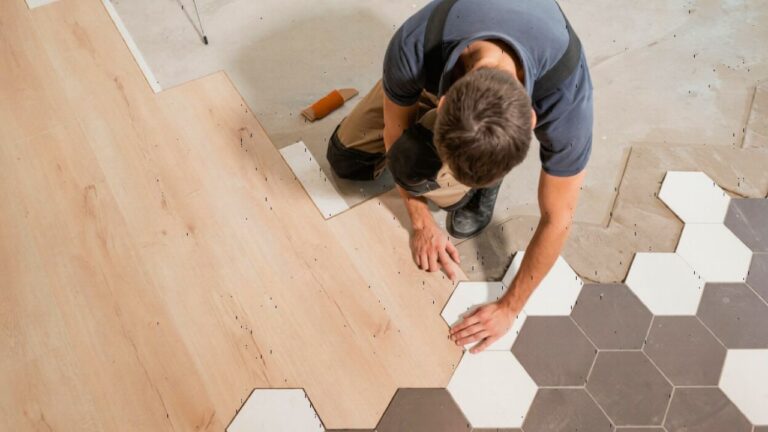
When you walk into a flip, you are usually greeted by the same script: new vinyl plank floors, white shaker cabinets, matte black fixtures, and a staged sofa that makes the living room feel like a design catalog. The problem is that these cosmetic upgrades are cheap and fast compared with the cost of fixing the bones of the house. Inspectors who specialize in flipped properties describe a pattern where the visible finishes are brand new, but the underlying systems, from framing to electrical, are either untouched or patched just enough to pass a casual glance.
Online communities of buyers have noticed the same thing. In one discussion, a commenter in r/FirstTimeHomeBuyer complained that Flippers usually use the cheapest materials and the craftsmanship is usually bottom of the barrel, Then they list the home at a premium because everything looks new. That gap between appearance and structure is the core reason so many flipped homes disappoint: the money went into what you can photograph, not what will keep the house dry, level, and safe ten years from now.
Hidden systems, hidden shortcuts
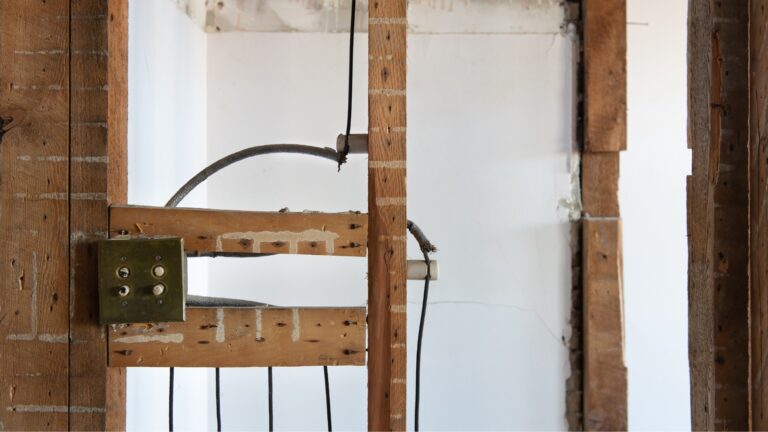
The most expensive problems in a house are usually the ones you cannot see, which is exactly where rushed flips tend to skimp. Inspectors who focus on these properties describe a recurring pattern in Plumbing, where the water distribution pipes will either be in acceptable condition or they will all have recently been replaced, with almost nothing in between. That all‑or‑nothing approach is a red flag, because it suggests the seller is either ignoring aging pipes entirely or swapping them out as cheaply and quickly as possible to get to closing.
Buyers who dig deeper often discover how much was concealed. One homeowner on Houzz described how the double car garage had been converted to a large room, which was a big reason they bought the house, only to learn later that the work was not permitted and that the seller had told them the plumbing was new when it was not, a story laid out in painful detail under the heading What a nightmare. When you add in issues like uninspected wells and septic systems, which specialists in Flipped Home Fails on Well Safety and Maintenance warn can be dangerously neglected, you start to see how much risk is hiding behind that fresh drywall.
How flippers hide mistakes in plain sight
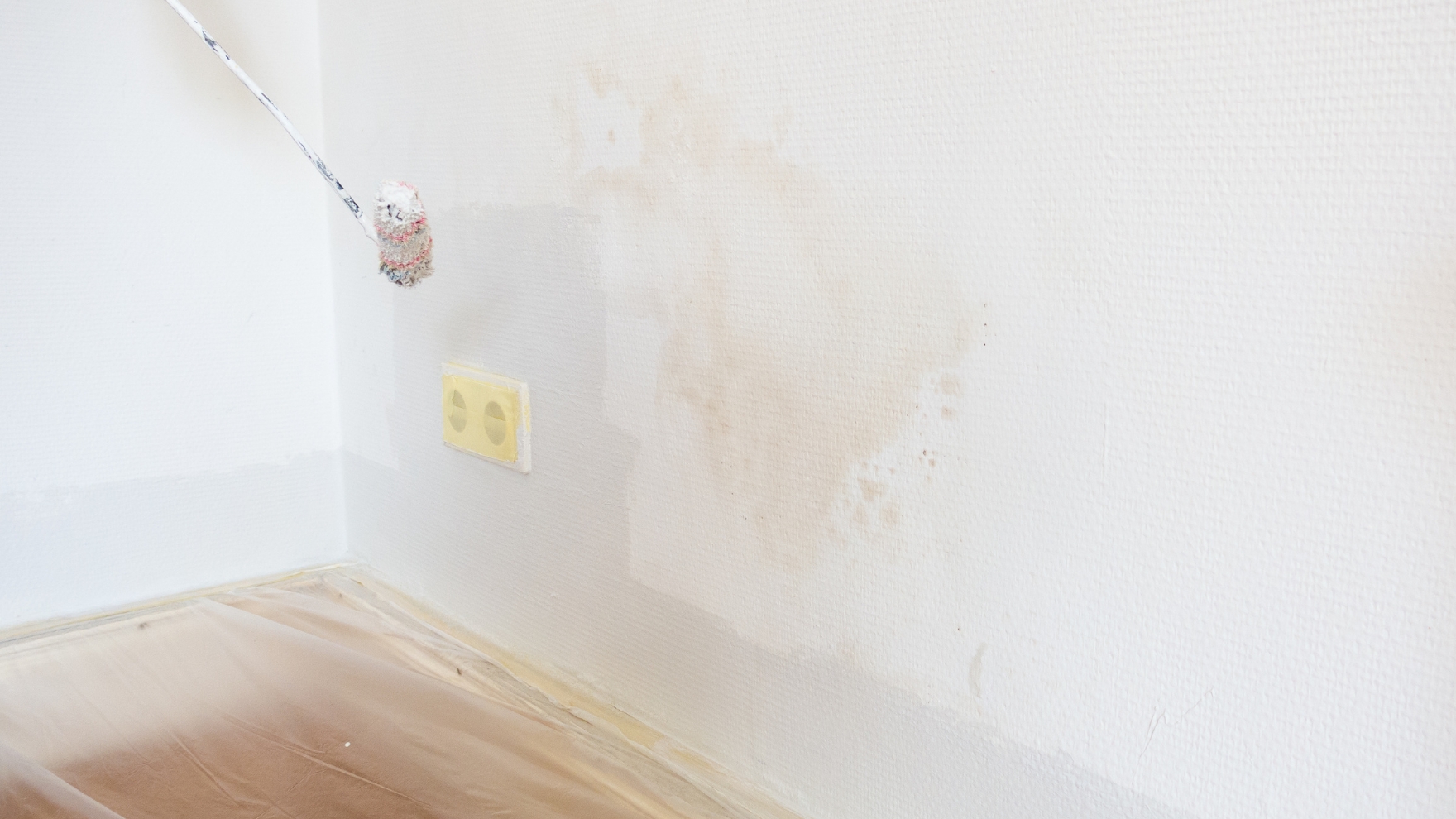
Because so much of a flip’s value is tied to first impressions, some investors become experts at disguising flaws rather than fixing them. Experienced inspectors and consumer advocates describe tactics that range from painting over water stains to installing new baseboards that conveniently cover gaps between floors and walls. In video walk‑throughs aimed at buyers, creators break down how How Home Flippers by using trendy finishes to distract you from uneven floors, sloping ceilings, or suspiciously patched ceilings.
The problem is not just what you see, but what you are encouraged not to question. Some buyers are told that permits were not necessary for certain work, or that a quick cosmetic fix is all a problem required, only to learn later that structural repairs were skipped. That is why seasoned inspectors emphasize that you should never rely on the seller’s narrative alone and that you should treat every flipped property as a potential crime scene for shortcuts. When you remember that the longer the home sits, the more money the flipper loses, as detailed in Jan’s inspection notes, those shortcuts start to look less like accidents and more like a business model.
Why buyers keep getting burned
Even with all these warning signs, you and other buyers keep lining up for flips because the broader market leaves you few alternatives. Analysts point out that There is a shortage of available housing in the real estate market all over the United States, and the majority of buyers want a house that is move‑in ready. That scarcity, combined with the appeal of new finishes, makes flipped homes feel like the only realistic path into certain neighborhoods, especially if you do not have the time or cash to manage your own renovation.
But that same dynamic is feeding a backlash. In r/RealEstate, one poster vented that they were so tired of flipped houses flooding the market, describing how Houses were bought at a good price, given a quick cosmetic overhaul, then relisted at a huge markup. When you combine that frustration with stories from first‑time buyers who discover serious defects after closing, you get the conditions for legal fights. One legal commentator on YouTube argues that the number one cause for lawsuits right now is firsttime home buyers with no margin for repairs running into unexpected expenses, a pattern laid out in a video on Dec liability trends.
The investor side: why so many flips fail as a business
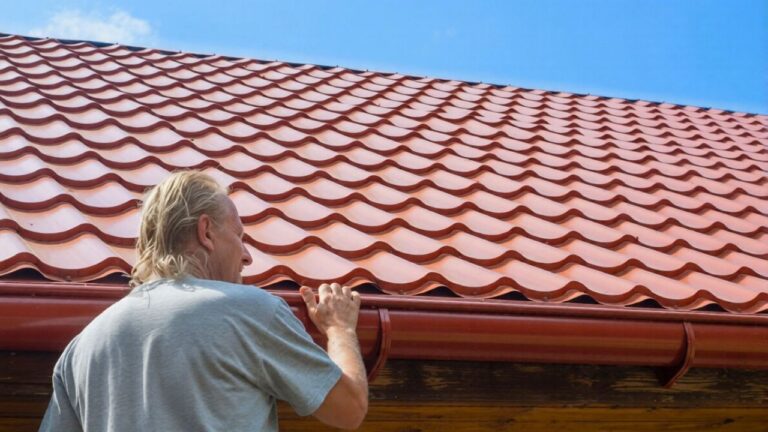
If you are considering flipping yourself, you should know that the same structural blind spots that hurt buyers also sink investors. Guides aimed at new flippers warn that One of the most common Underestimating the Renovation is assuming that a property only needs cosmetic work, then discovering big ones once renovations begin. When the roof, floor and windows need rehabbed, these costs can escalate quickly, and if you did not budget for them, your profit disappears long before the house hits the market.
Seasoned investors stress that the biggest reasons a fix and flip fails are paying too much, misjudging the rehab, and not getting the property sold in the desired timeframe, a pattern laid out in detail under the heading Top Reasons Fix and Flips Fail. Another analysis of Common House Flipping Mistakes and How to Avoid Them notes that new investors often over‑improve for the neighborhood, fail to build a realistic timeline, and treat the project like a passion project instead of a calculated business transaction, a warning echoed in guidance that asks What the biggest mistakes new house flippers make. Every misstep tightens the financial vise, which is how you end up with investors who feel they have no choice but to paper over structural issues instead of fixing them.
Foundation, wells, and other unglamorous deal‑breakers
Some of the most serious risks in a flipped home are the ones that rarely make it into the listing description. Structural engineers point out that When buyers have to move quickly, any hint of a major problem like a faulty foundation can be enough to make them pass on your home, or to come in with lowball offers or walk away entirely, a dynamic explained in detail in guidance on how When foundation repair affects value. For a flipper who is already stretched thin, that creates a temptation to disguise cracks or movement instead of commissioning the expensive repairs that would actually stabilize the house.
Water systems are another blind spot. Specialists who focus on rural properties warn that wells and septic systems in flipped homes are often ignored until something goes wrong, which is why videos under the banner Well Safety and walk through examples of contaminated water, failing pumps, and neglected pressure tanks. Inspectors who specialize in flipped properties emphasize that Since the remodeling is typically significant in a flipped home, you should always do your own investigation with the local building department to confirm what permits were issued, if any, advice that is spelled out clearly in guidance on Since the remodeling is typically significant. If you skip that homework, you are effectively betting your savings on the hope that no one cut corners where it matters most.
How to protect yourself as a buyer or flipper
If you are on the buying side, your best defense is to slow the process down and bring in your own experts. Inspectors who see a lot of flips argue that you should always get a flipped house evaluated before Buying, because Many people need to realize that there can be a lot of costly problems hiding behind new finishes, from code violations and zoning issues to unpermitted additions that can cost you money in the long run, a warning laid out in detail in guidance that starts with Here is why to get a Flipped House Evaluated Before Buying. That means insisting on a full inspection, checking permit history, and being willing to walk away if the seller pressures you to waive contingencies.
If you are the one doing the flipping, the solution is to treat structure as non‑negotiable and to build your numbers around that reality. Guides for new investors stress that Common costly mistakes include over‑improving for the neighborhood, inadequate contingency budgets, and failing to treat each project as a calculated business transaction, a list of Common errors that sink new flippers. Industry veterans who have completed 500 single‑family homes across Washington, Idaho and other markets, such as Paul Myers and, show that it is possible to make money while doing the work properly, but only if you buy right, budget honestly, and resist the temptation to rely on shortcuts that will come back to haunt you or your buyers.
The pattern will not change until incentives do
Like Fix It Homestead’s content? Be sure to follow us.
Here’s more from us:
- I made Joanna Gaines’s Friendsgiving casserole and here is what I would keep
- Pump Shotguns That Jam the Moment You Actually Need Them
- The First 5 Things Guests Notice About Your Living Room at Christmas
- What Caliber Works Best for Groundhogs, Armadillos, and Other Digging Pests?
- Rifles worth keeping by the back door on any rural property
*This article was developed with AI-powered tools and has been carefully reviewed by our editors.