Grocery budgets are getting squeezed again and beef is still one of the biggest drivers
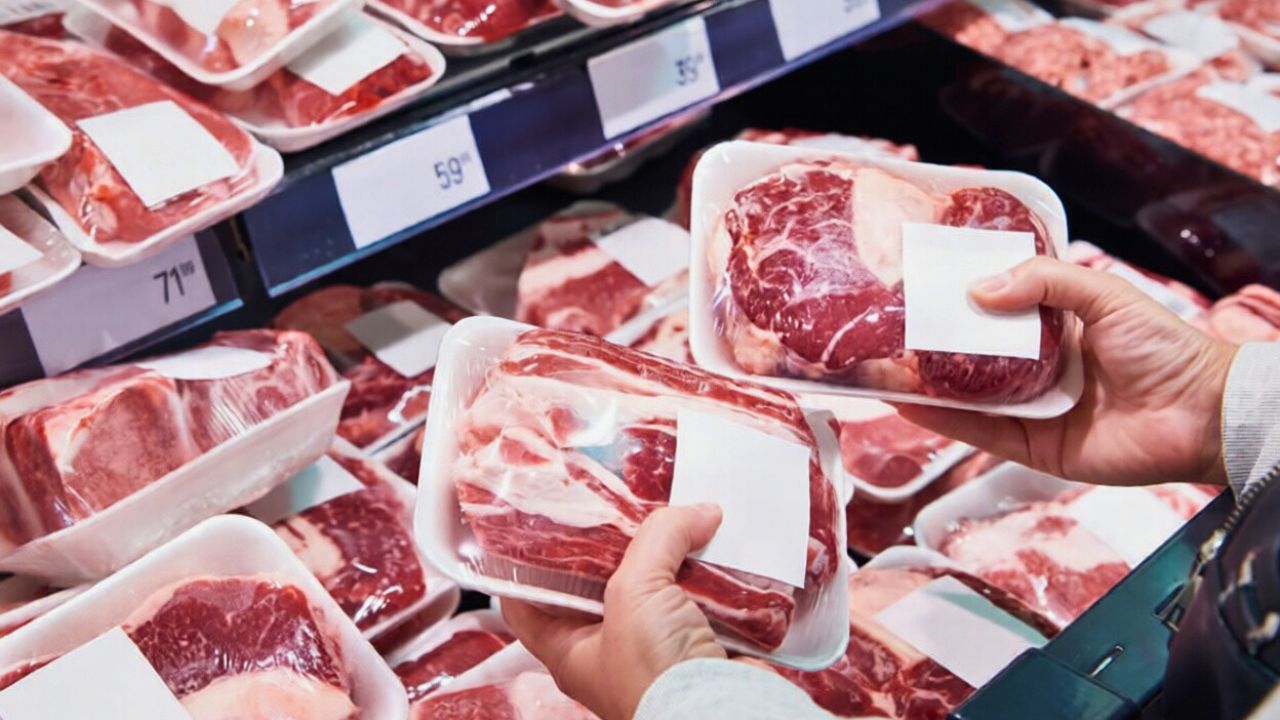
Grocery budgets that had only just started to stabilize are tightening again, and you feel it most clearly in the meat case. Overall food inflation is expected to cool in 2026, but beef is still pushing your total higher, turning what used to be a routine purchase into a careful calculation. As you weigh what to put in your cart, the price of steaks, roasts, and even ground beef is increasingly the line item that forces tradeoffs everywhere else.
Food inflation is slowing, but your cart is not getting cheaper
You are not imagining the disconnect between headlines about easing inflation and the reality of a checkout total that keeps creeping up. Government forecasters expect overall food prices in 2026 to rise more slowly than the long term average, with projections that still put increases in a band of roughly 0.7 to 5.8 percent, which means your bill is still growing, just at a less frantic pace, according to the latest food price outlook. That kind of moderation can sound reassuring in the abstract, but it does not roll prices back to where they were before the recent surge, it simply slows the rate at which they climb.
Inside your cart, the averages hide sharp differences between categories, and meat is where the pressure is most intense. A recent breakdown of items expected to see the steepest increases in 2026 puts beef at the top of the list, with several experts warning that this is one area where prices are unlikely to drop significantly next year. When one of the most expensive proteins in the store keeps rising faster than the rest of the aisle, you end up cutting back elsewhere just to keep the total from blowing past your budget.
Beef has quietly become the most painful line on the receipt
For many households, beef has shifted from a default staple to a calculated splurge, and that shift is reshaping how you plan meals. Analysts describe beef as the most fraught item in the meat case, because you are not just paying for the cut itself but for everything that happens between the pasture and your plate, from feed and fuel to processing and distribution, a chain of costs that a recent analysis of record beef prices traces in detail. When every step in that chain is under strain, the final sticker shocks you even if you have not changed what you buy.
The impact shows up in the weekly math you do in the aisle. Reporting on how much more you are paying for steaks and burgers notes that the jump in beef prices is not abstract, it shows up in specific choices like swapping a family pack of ribeye for cheaper ground meat or cutting the protein portion of the cart altogether, as documented in a recent look at how much more you are paying. When one category forces you to downgrade or skip, it becomes the driver of your entire grocery strategy, even if the rest of the cart is rising more slowly.
Sticker shock is now part of the weekly routine
What used to feel like an occasional surprise has become a routine jolt every time you walk past the meat counter. In one widely shared clip, a shopper describes seeing beef at $7.99 a pound and admitting that it feels like every trip to the store brings fresh sticker shock, a sentiment captured in a $7.99 snapshot that resonated with families across the country. That kind of price point forces you to ask whether a favorite cut still fits into a normal weeknight dinner or has to be saved for a special occasion.
The frustration is not limited to meat eaters. In an online discussion about how the United States is among the top consumers of beef, economics correspondent Paul Sulman is cited as describing how beef prices have soared to all time highs with many families feeling the squeeze, a point that has been picked up in debates about diet and climate on forums like r/vegan, where Paul Sulman is referenced. Whether you are buying beef or avoiding it, the numbers at the meat counter have become a symbol of broader cost of living stress that shapes how you think about food, health, and ethics.
Why the cattle herd keeps your burger expensive
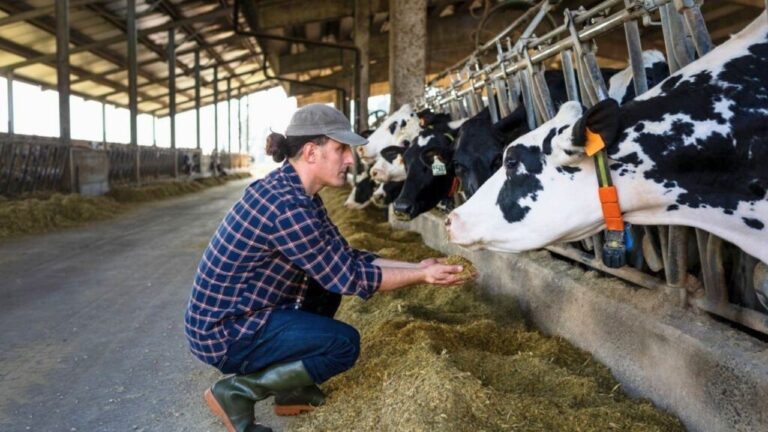
Behind the glass case, the core problem is simple: there are fewer animals available to turn into steaks and burgers at the exact moment demand is still strong. Ranchers and farm analysts point out that beef prices are high because the U.S. cattle herd is historically small, the result of years of decisions, drought, and biology that limit how quickly ranchers can rebuild, a dynamic explained in detail in a discussion of why beef prices are high. When Today’s herd is smaller, every pound of beef has to carry more of the fixed costs of raising and processing cattle, which shows up directly in the price per pound you pay.
That tight supply is not a short term blip. Agricultural forecasts note that beef prices are projected to continue increasing in 2026 as the U.S. beef cow herd, which stood at about 94.7 million head in 2019, has fallen sharply and will take years to rebuild, according to an outlook that bluntly states that Beef Prices Predicted to Keep Climbing. When biology sets the pace, you cannot simply flip a switch and flood the market with more cattle, so you are likely to face elevated prices for several grilling seasons in a row.
Processing bottlenecks and plant closures add fuel to the fire
Even when cattle are available, the system that turns them into retail cuts has its own choke points that can push prices higher. A recent federal forecast lowered cattle price expectations after a major Tyson plant in Lexington, Nebraska, closed, but noted that the shutdown had already sent consumer beef costs soaring to record highs and contributed to record prices for ground beef, as detailed in an analysis of how Tyson’s plant in Lexington affected the market. When a single large facility goes offline, cattle back up in the supply chain while finished product becomes scarcer, a combination that can keep retail prices elevated even if ranchers are not getting more for their animals.
Industry observers also point to a broader mix of pressures on meat processing, from labor shortages to disease risks that require costly safeguards. A recent overview of meat costs notes that Factors driving the high price of beef include the rebuilding of the U.S. cattle herd, higher feed and energy costs, and concerns about animal disease such as New World screwworm, all of which add expense before a steak ever reaches your store, according to a detailed breakdown of the Factors driving the high price. When processors face higher costs and operational risks, they pass much of that burden along to you in the form of higher shelf prices.
Forecasts warn the pressure is not going away in 2026
If you are hoping that beef will suddenly get cheaper later this year, the outlook is sobering. Market watchers tracking cattle numbers warn that Beef Prices Could Surge Again in 2026 as the US Cattle Herd Hits a 70-Year low, a milestone that underscores how far supplies have fallen, according to reporting that highlights how the Beef Prices Could Surge Again as the Cattle Herd Hits a 70-Year Low. With fewer animals coming to market, any disruption, from drought to disease, can push prices even higher, leaving you exposed to volatility every time you shop.
Short term forecasts echo that warning. A recent report from NAFB notes that Beef prices are expected to continue climbing in the coming year as tight cattle supplies in the United St keep pressure on wholesale and retail markets, a trend that will keep showing up in your grocery totals, according to an update that bluntly states that Beef prices are expected to keep rising. When both long term herd data and near term market signals point in the same direction, it is reasonable to plan your household budget around the assumption that beef will remain a premium purchase.
Industry voices are already talking about $10 a pound
The numbers that industry leaders are using in public are striking enough to change how you think about future grocery trips. Omaha Steaks CEO Nate Rempe has warned that American families will soon face a $10 a pound reality for beef, describing a scenario in which the combination of tight supply and strong demand pushes everyday cuts into double digit territory, a warning captured in a detailed interview where the $10-a-pound reality is spelled out. When someone whose business depends on selling beef at scale is preparing customers for that price point, it signals that the industry does not expect quick relief.
That message has been repeated in broader coverage of how beef prices are headed toward record territory. Reports on how Beef prices headed to $10 a pound by 2026 emphasize that the Omaha Steaks CEO sees American households adjusting their habits as they confront that new normal, a shift that could change everything from restaurant menus to backyard barbecues, according to coverage that highlights how the Omaha Steaks CEO believes American families will adapt. For you, that might mean treating beef the way previous generations treated luxury seafood, something to enjoy occasionally rather than a default centerpiece.
Beef is not the only item climbing, but it sets the tone
While beef is the most visible culprit, it is part of a broader pattern of grocery staples that are expected to get more expensive this year. A recent list of 10 Grocery Store Staples That Will Skyrocket in Price in 2026 notes that Beef Cuts Are About to Get Costlier and that Fewer cattle on North American ranches have tightened the beef supply, with ripple effects that can stretch into other meats too, as detailed in an analysis that warns that Beef Cuts Are About to Get Costlier because Fewer cattle on North American ranches are available. When one protein becomes scarce and pricey, shoppers like you often pivot to alternatives, which can then push up prices for pork, chicken, and even eggs as demand shifts.
Other forecasts of grocery items poised for the biggest price increases in 2026 again put Beef at the top, with several experts warning that the U.S. cattle herd is too small for prices to drop significantly next year, a conclusion that reinforces the idea that beef is the main driver of meat case inflation, according to a breakdown of 6 grocery items poised for the biggest price jumps. When you see beef leading every list of problem categories, it shapes your expectations for the rest of the store, priming you to brace for higher totals even before you start shopping.
How you can adapt your cart without giving up on flavor
Even in a tough pricing environment, you still have levers to pull so that beef does not completely blow up your budget. Farm based guides aimed at consumers emphasize that understanding why beef costs what it does in 2026 can help you shop more strategically, for example by choosing less popular cuts, buying in bulk when prices dip, or working directly with local producers, strategies outlined in a practical explainer on why beef costs what it does. When you know that Today’s prices reflect long term herd cycles and processing constraints, you can look for value in places the average shopper overlooks, such as chuck roasts that can be stretched across multiple meals.
You can also rebalance your menu so that beef plays a supporting role rather than carrying the whole plate. Broadcast coverage of food prices forecast to increase in 2026, with meat leading the way, has highlighted how home cooks are responding by using smaller portions of beef in mixed dishes, leaning more on beans and grains, and rotating in more poultry and plant based proteins, as described in a segment on food prices forecast to increase. By treating beef as an accent in tacos, stir fries, or stews instead of a giant steak in the center of the plate, you can keep the flavor you love while softening the hit to your grocery budget.
Like Fix It Homestead’s content? Be sure to follow us.
Here’s more from us:
- I made Joanna Gaines’s Friendsgiving casserole and here is what I would keep
- Pump Shotguns That Jam the Moment You Actually Need Them
- The First 5 Things Guests Notice About Your Living Room at Christmas
- What Caliber Works Best for Groundhogs, Armadillos, and Other Digging Pests?
- Rifles worth keeping by the back door on any rural property
*This article was developed with AI-powered tools and has been carefully reviewed by our editors.