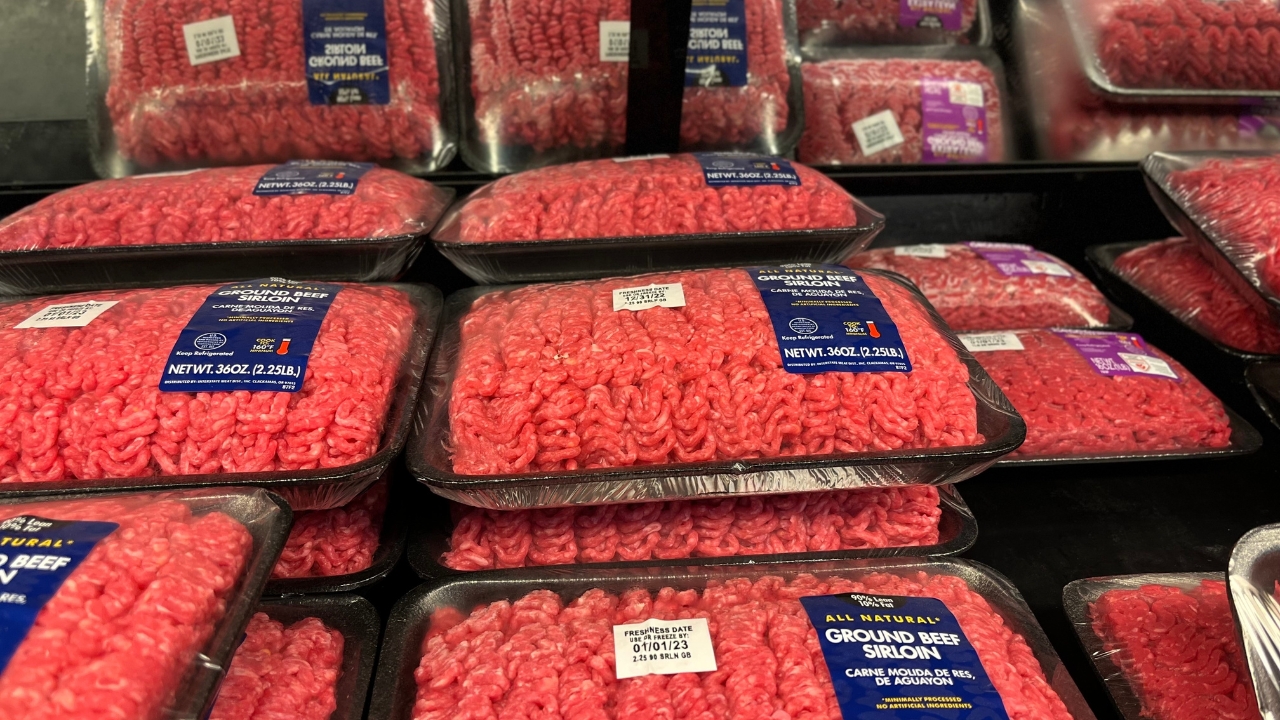
Ground beef hit about $6.78 a pound and the “cheap dinner” plan is changing fast
When a pound of ground beef that once felt like the backbone of a budget dinner hits about $6.78, your weeknight meal plan stops being routine and starts feeling like strategy. The “cheap” protein that anchored tacos, casseroles, and burgers is now a line item you have to justify, not a default you can toss into the cart on autopilot. You are not imagining it, and you are not alone in rethinking what dinner looks like.
Behind that sticker shock is a collision of drought, shrinking cattle herds, and stubborn food inflation that is reshaping how you shop, cook, and even eat out. If you want to keep feeding your household well without blowing up your budget, you now have to understand how those forces work and where you still have room to maneuver.
The new reality of “cheap” ground beef
You feel the change first at the meat case, where the number that matters most is the one on the little white label. Ground beef that averaged $6.78 a pound in November is not just a mild uptick, it is a clear signal that the old idea of a low-cost, high-protein staple is fading. That price represents a 2.1% jump from September and sits about 15% higher than the same time a year earlier, which means your grocery bill is rising even if you are buying the same packages you always did, and the same recipes now cost meaningfully more to make.
Federal data back up what you see on the shelf. A long running series that tracks retail food prices lists “Ground beef, 100% beef, per lb. (453.6 g)” and shows the national average moving from 5.628 dollars to 6.540 dollars, an increase of 16.2%, which mirrors the surge you are paying for that Ground package. When you line that up with the November average of $6.78, it becomes clear that the climb is not a blip tied to grilling season or a holiday rush, it is a structural reset in what ground beef costs and what you can reasonably call “cheap.”
Why supply is so tight, from drought to herd cuts
To understand why your burger night is suddenly expensive, you have to look far from the supermarket, out to the pastures where the supply of cattle has been shrinking. Several years of drought and low profitability have pushed ranchers to sell off animals and delay rebuilding, a pattern agricultural economist Bernt Nelson describes as a key driver of record cattle and beef prices. When feed is scarce and expensive, ranchers cannot afford to keep as many cows, so the pipeline of animals that eventually become ground beef gets thinner, and you pay for that scarcity at the register.
The strain is visible in official herd counts. At the beginning of 2025, the U.S. Department of Agriculture reported that beef cattle inventory had fallen to a decade low, with the average slaughter age rising by about 3.8%, a sign that producers are stretching older animals because younger stock is limited, according to Aug reporting on the trend. Layer on what ranchers describe as “Drought Devastation Across Cattle Country,” where a severe dry spell reduced available feedstock and forced more herd liquidations, and you get a supply squeeze that is not easily or quickly reversed, as detailed in coverage of Drought Devastation Across Cattle Country.
Inflation, CPI, and why beef is outrunning your paycheck
Even if your income has nudged up, beef is moving faster. The latest available CPI data show the beef and veal category up 14.7% while overall food is up 3.1%, a gap that explains why your cart feels lighter even when you are spending more. When one slice of the grocery budget is rising more than four times as fast as the broader food index, you are forced to make tradeoffs, and beef is increasingly the category that gets trimmed or swapped out.
That divergence is not just a matter of perception, it is a reflection of how supply and demand are colliding in a tight market. Analysts point out that a historically small cattle herd, combined with steady consumer appetite, has driven prices to historic highs, a dynamic that fits the classic “law of supply and demand” described in CPI focused coverage of beef costs. When you overlay that with broader food inflation and the lingering effects of COVID era disruptions that still ripple through processing and logistics, as agricultural economists note in their breakdown of the 14.7% and 3.1% figures, you get a category that is structurally more expensive than it used to be.
Policy pressure and why prices keep rising anyway
You might assume that once prices spike, political pressure alone would be enough to bring them back down, especially with food costs ranking high on voter concerns. President Donald Trump has publicly pushed for relief on grocery prices, yet beef costs keep climbing, a reminder that even the White House has limited leverage over a sector shaped by weather, global trade, and long production cycles. When the underlying herd is small and rebuilding takes years, no speech or short term policy tweak can conjure millions of new cattle into existence.
Coverage of the current standoff notes that beef prices keep going up despite Trump’s efforts, in part because the industry is working through a historically small cattle herd and lingering supply constraints that cannot be fixed overnight, as detailed in reporting that begins with the word Close. On top of that, import troubles and tariff chaos have limited the ability of foreign beef to fill the gap, with earlier curbs on imports and ongoing trade frictions meaning that even when domestic supplies are tight, outside product does not automatically flow in to lower costs, a dynamic highlighted in analysis of Import Troubles and Tariff Chaos.
When Beef becomes a luxury on your table
As the numbers climb, beef is slipping into a psychological category that used to be reserved for steakhouse splurges, not Tuesday night chili. Meat has long been viewed as a luxury in economic downturns, and when budgets tighten, consumers switch to cheaper types, a pattern that is resurfacing as you weigh whether a pound of ground beef is worth more than a family pack of chicken thighs. The idea that a simple burger might be a treat rather than a default is no longer hypothetical, it is how many households are now planning their meals.
That shift has been building for years. A decade ago, economist Altin Kalo of Steiner Consulting Grou warned that “Beef is becoming a luxury in the U.S. market at this point,” predicting that big discounts would be few and far between as supplies tightened. Today, that warning is playing out in your cart, where rising beef prices have turned what used to be a routine protein into something you might reserve for weekends or special recipes, while you lean more heavily on other meats that analysts at Meat market research describe as the typical substitutes in a recession like environment.
How your dinner habits are already changing
You may not think of yourself as an economist, but your cart tells a clear story. About a quarter of consumers have tried to save money by buying lower cost ingredients or cheaper cuts of meat, a shift that shows up in the growing popularity of chicken drumsticks, pork shoulder, and plant based proteins in home kitchens. With the same surveys finding that many shoppers are ready to switch away from their favorite brands if prices rise further, you are part of a broader movement that is quietly rewriting what a “normal” dinner looks like in the United States.
That fatigue is not limited to home cooks. Rising beef prices have led many restaurants to offer more chicken options on their menus, while retail stores are putting more pork, turkey, and even canned fish in prominent displays as budget friendly protein alternatives, according to consumer research on Rising food inflation. When you see more chicken sandwiches on fast food boards and fewer beef heavy specials at casual chains, you are watching the same price pressures that hit your grocery list ripple through the broader food economy, a trend that aligns with data showing that About a quarter of shoppers are actively trading down.
Ground beef’s climb from grill season spike to year round strain
In the past, you might have braced for higher beef prices around summer grilling or holiday roasts, then relaxed when the seasonal rush faded. That pattern is breaking. Analysts note that beef prices have soared in the U.S. and not just during grilling season, with experts warning that you should not expect much relief even as the calendar turns, a message that matters when you are trying to plan a year’s worth of meals rather than a single cookout. The idea of waiting out a temporary spike is less realistic when the underlying herd and cost structure keep prices elevated month after month.
Ground beef in particular has shifted from a seasonal bargain to a year round budget headache. Average ground beef prices reached a new high in June and have risen continuously since the beginning of 2025, according to coverage that highlights how Average prices keep setting records. By the time November rolled around, that trajectory produced the $6.78 per pound figure that is now reshaping your dinner math, a level that analysts covering how Ground beef costs are “stuck” at record highs say is unlikely to fall quickly.
Strategies to keep protein on the plate without breaking the bank
Faced with these numbers, you have two choices: buy less beef or buy it differently. One practical move is to treat ground beef as a flavor base rather than the bulk of the meal, stretching a half pound across a pot of chili loaded with beans, or folding a smaller amount into a pan of pasta with lentils or mushrooms. You can also lean on cheaper cuts like chuck roasts that shred into multiple meals, or buy in bulk when you spot a rare sale and portion it into freezer bags, turning a high sticker price into a lower per meal cost.
At the same time, you can diversify your protein lineup. Analysts who study how Meat prices affect demand note that in a recession, consumers switch to cheaper types, which in your kitchen might mean more chicken stir fries, pork tacos, or egg based dinners like frittatas and fried rice. Retailers are already nudging you in that direction with promotions on alternative proteins that, according to research on Retail strategies, are getting good traction as budget friendly stand ins. The more flexible you are about what “dinner” looks like, the more room you have to keep your food budget under control.
What to watch next as you plan your meals
Looking ahead, the key variables that will shape your ground beef bill are mostly outside your control, but they are worth watching. Weather will determine how quickly ranchers can rebuild herds, trade policy will influence whether imports can ease domestic shortages, and broader inflation trends will decide whether your paycheck finally starts catching up to the grocery aisle. Experts who track Experts expectations say consumers should not bank on a rapid return to the old price norms, which means treating today’s levels as the baseline rather than a temporary spike.
In the meantime, you can respond the way savvy shoppers always have when a staple gets pricey: by getting more intentional. That might mean planning one or two beef centered meals a week instead of four, rotating in more plant forward dishes, and using tools like grocery apps to track when your local store quietly drops prices on the cuts you like. As analysts who study food inflation note, With the right mix of flexibility and planning, you can still put satisfying, protein rich meals on the table, even if the era of truly “cheap” ground beef is over for now.
Like Fix It Homestead’s content? Be sure to follow us.
Here’s more from us:
- I made Joanna Gaines’s Friendsgiving casserole and here is what I would keep
- Pump Shotguns That Jam the Moment You Actually Need Them
- The First 5 Things Guests Notice About Your Living Room at Christmas
- What Caliber Works Best for Groundhogs, Armadillos, and Other Digging Pests?
- Rifles worth keeping by the back door on any rural property
*This article was developed with AI-powered tools and has been carefully reviewed by our editors.