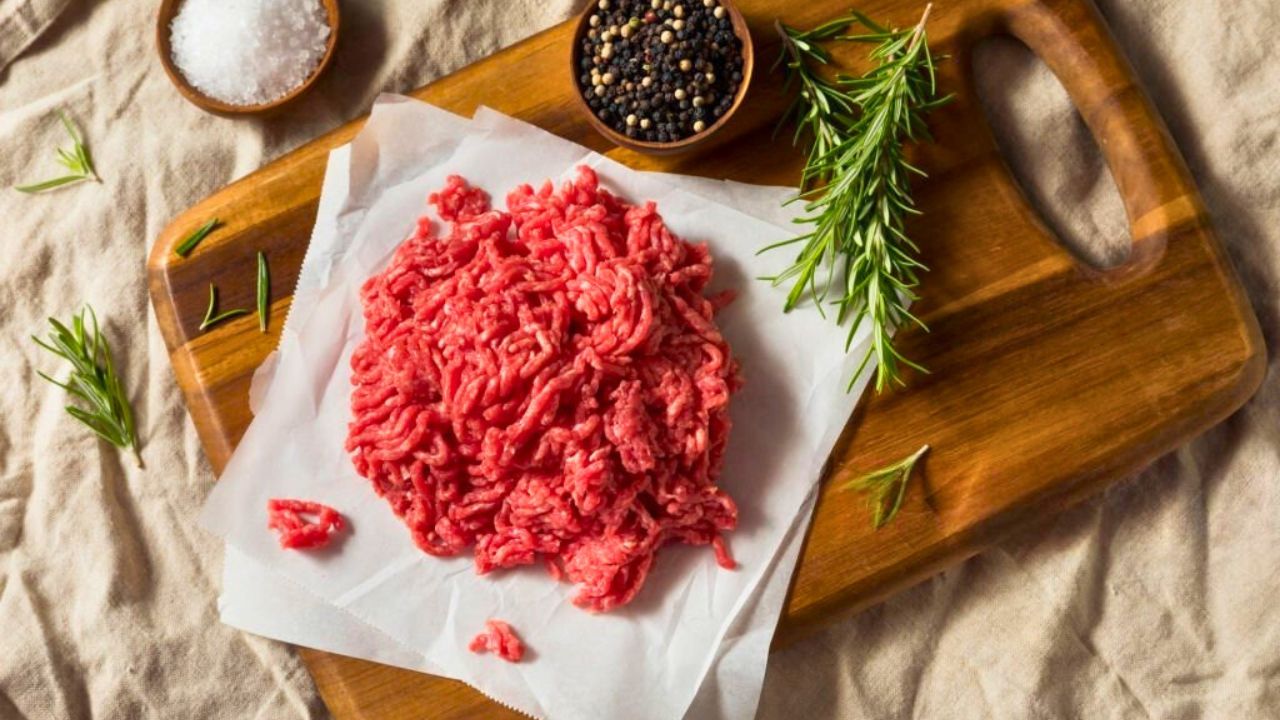
Ground beef hit about $6.78 a pound in November and it’s not a fluke
Ground beef at roughly $6.78 a pound is not a blip on your grocery receipt, it is the new reality of a beef market under strain. You are paying more because the entire system that gets cattle from pasture to patty is squeezed, from drought thinned herds to concentrated meatpacking power. If you are hoping this is a quick spike that will fade by spring, the data and the people closest to the industry suggest you should plan for the opposite.
The $6.78 sticker shock, in context
When you see a family pack of burger meat ring up at nearly seven dollars a pound, you are not imagining things. Ground beef averaged about $6.78 per pound in November, a level that reflects a market stuck near record highs rather than a passing surge. That price is roughly 2.1% higher than what you would have paid in September and about 15% above where it stood a year earlier, turning what used to be a budget staple into a line item you now have to plan around every week.
Government retail data show how sharply beef has broken away from the rest of your cart, with official tables of average food prices confirming that ground beef has climbed far faster than many other supermarket basics over the past year, according to federal price tracking. Local reporting on holiday shopping notes that Ground beef cost an average of $6.78 a pound in November, a 2.1% increase from September and 15% higher than the same time last year, underscoring that this is not just a coastal or big city phenomenon. You are seeing a national reset in what beef costs, and it is landing hardest on the most commonly used cut in home kitchens.
Beef’s outsized role in your inflation headache
Even if your overall grocery bill is rising more slowly than it did a year or two ago, beef is one of the categories still punching above its weight in your personal inflation story. Food as a whole remains a major source of pressure in the consumer price index, and within that basket, beef has posted some of the steepest gains, outpacing broader food inflation and keeping your total at the register stubbornly high. When you feel like you are cutting back yet not saving much, the price of beef is one of the reasons.
Recent inflation breakdowns highlight that Food is one of the major categories where consumers are feeling price pressures, with beef prices soaring and the overall index still up about 3.7% over the past year. Within that, more detailed reporting finds that the average price for ground beef is up almost 15% this year while steak prices have risen even more sharply, so you are getting hit whether you are buying chuck for chili or ribeye for a celebration dinner. In practical terms, that means you can trim snacks or switch brands on pantry items and still feel squeezed, because the protein at the center of your plate is doing so much of the damage.
Why this is not a one month fluke
If you are waiting for a quick reversion to cheaper burgers, the underlying supply story should give you pause. The cattle pipeline that feeds the beef case moves slowly, and the United States entered this year with the smallest herd in generations after years of drought and high feed costs pushed ranchers to cull animals. That structural shortage does not unwind in a single calving season, so the tight supply that helped push ground beef to $6.78 is likely to persist.
Industry analysis notes that The start of 2025 saw the lowest cattle numbers in the U.S. since 1951, after Severe drought over the past few years discouraged herd expansion and continues to affect the ground beef supply. Earlier coverage of the broader market explains that beef prices show no sign of coming down as supply shrinks despite President Donald Trump’s push to ease costs, with futures and wholesale prices setting records. When you combine that long running supply squeeze with steady demand for burgers, tacos, and steaks, a single month’s data point looks less like a spike and more like the new floor.
The drought and herd math behind your burger
To understand why your grocery bill is rising, you have to look upstream to the ranches where calves are born. Years of dry conditions have made it more expensive to raise cattle, as ranchers pay more for hay and supplemental feed or sell animals early when pastures cannot support them. That culling shrinks the national herd, which eventually means fewer animals heading to feedlots and slaughter plants, and fewer trimmings available for the ground beef that fills your cart.
Coverage of the cattle cycle points out that Here is a look at what is driving the rise in beef prices, starting with a Smaller herd as The American beef industry has become more efficient but also more vulnerable to shocks when drought forces ranchers to liquidate cattle. That pattern is echoed in warnings from executives who live and die by steak sales, with one prominent mail order company leader cautioning that The warning comes amid a nationwide drought that has decimated cattle inventory, leading to the highest beef prices on record, with ground beef up 12.9% and a risk that it may reach $10 per pound by 2026. When you hear that kind of forecast from someone whose business depends on you being willing to pay for beef, it is a sign that the supply side problems are deep, not fleeting.
Processing power and antitrust worries
Even if the weather turned perfect tomorrow, the structure of the meatpacking industry would still leave you exposed to price spikes. A handful of large companies dominate beef processing, which gives them significant leverage over both ranchers and retailers. When cattle numbers fall, that concentrated power can amplify the impact on your grocery bill, because there are few alternative buyers for livestock and few alternative suppliers for supermarkets.
Policy debates in Washington have zeroed in on whether that concentration is letting packers keep more of the gains while you and ranchers shoulder the costs. Reporting on the political response notes that rising concerns over beef prices have fueled calls for tougher antitrust scrutiny of the biggest processors as ground beef jumps and steak prices climb even faster. A broader look at the issue explains that inflation in the meat case has become a flashpoint in debates over President Donald Trump’s economic record and whether more aggressive antitrust enforcement could curb the pricing power of dominant packers. For you, the upshot is that the price on the label reflects not only weather and feed costs but also how much competition exists in the middle of the supply chain.
How retailers and restaurants are passing costs to you
Supermarkets and fast food chains are not absorbing these higher beef costs out of generosity, they are passing them along to you in ways that are both obvious and subtle. You see it in the per pound price of ground beef, but also in smaller package sizes, fewer promotions, and menu tweaks that quietly steer you toward cheaper proteins. When beef is this expensive, retailers have to decide whether to risk losing your business with higher prices or risk losing their margins by holding the line.
Local coverage of holiday shopping notes that some grocers are leaning into chicken and pork specials while keeping beef prices high, because Background reporting from CNN describes how Beef prices just keep going up, leaving chicken among the least costly options for families trying to stretch their budgets. At the same time, national chains are adjusting menus and combo deals so that burgers cost more relative to chicken sandwiches or plant based items, reflecting the reality that video coverage of beef prices stuck at record highs headed into Christmas has become a recurring segment, even if the clip itself throws an Error Code 400 and a broken Session Id when you try to watch it online. Those choices shape what you end up ordering for dinner, even if you do not consciously connect them to the $6.78 you saw on the meat case sign.
What this means for your holiday and everyday meals
For your household, the most immediate impact of record beef prices shows up in the meals you plan, especially around holidays. If you used to default to a roast or a tray of burgers for gatherings, you may now be weighing whether to swap in ham, turkey, or a big pot of chili that stretches a smaller amount of meat with beans and vegetables. The psychological shift is real, as beef moves from everyday staple to occasional splurge for many families.
Consumer focused reporting notes that Ground beef at $6.78 a pound is forcing shoppers to rethink traditional dishes headed into Christmas, with some turning to cuts that can be stretched or to proteins more commonly imported in the U.S.. Broader inflation coverage adds that food costs overall are still up about 3.7% over the past year, so even if you pivot away from beef, you are not escaping higher prices entirely. The practical takeaway is that you may need to plan menus more deliberately, look for sales weeks in advance, and be open to recipes that use smaller portions of beef as an accent rather than the main event.
How you can adapt without giving up beef entirely
You do not have to swear off burgers and tacos to protect your budget, but you do need to be more strategic. That starts with paying closer attention to unit prices, buying larger packs when they are genuinely cheaper per pound, and using your freezer to spread those purchases over several meals. It also means being flexible about fat content and grind, since leaner or branded options often carry a premium that you can avoid if you are willing to season and drain a fattier mix yourself.
Industry experts suggest that you can stretch your beef dollars by blending ground meat with mushrooms, lentils, or grains, turning one pound into a pot of sauce or chili that feeds more people without feeling skimpy, a tactic that becomes more attractive as warnings of ground beef potentially reaching $10 per pound by 2026 hang over the market. You can also lean on loyalty apps from chains like Kroger, Safeway, or Walmart, which increasingly target digital coupons to specific items in your cart, including beef, based on your past purchases. Over time, those small adjustments add up, softening the blow of a market that is not likely to hand you many genuine bargains.
What to watch next in the beef market
Looking ahead, the key variables that will shape what you pay for ground beef are herd rebuilding, feed costs, and policy choices in Washington. If ranchers start holding back more heifers to expand their herds, that can tighten supply further in the short term before eventually increasing the number of cattle headed to market. At the same time, any shift in grain prices or pasture conditions will ripple through to the cost of raising animals, and ultimately to the sticker on your supermarket package.
Market watchers are also keeping an eye on how aggressively regulators pursue antitrust cases against major packers, and how far President Donald Trump is willing to go in pressuring the industry to show restraint on pricing, issues that have already surfaced in coverage of record beef prices and shrinking supply, as reported by Ilena Peng on developments tracked by Bloomberg. For your own planning, the most useful signals will be updates on cattle inventory reports, retail price tables, and seasonal demand patterns, all of which are reflected in the average retail food price data that captured November’s $6.78 benchmark. Until those numbers show a sustained turn, you should assume that the price you are paying for ground beef today is not an outlier but a baseline that could edge even higher.
Like Fix It Homestead’s content? Be sure to follow us.
Here’s more from us:
- I made Joanna Gaines’s Friendsgiving casserole and here is what I would keep
- Pump Shotguns That Jam the Moment You Actually Need Them
- The First 5 Things Guests Notice About Your Living Room at Christmas
- What Caliber Works Best for Groundhogs, Armadillos, and Other Digging Pests?
- Rifles worth keeping by the back door on any rural property
*This article was developed with AI-powered tools and has been carefully reviewed by our editors.