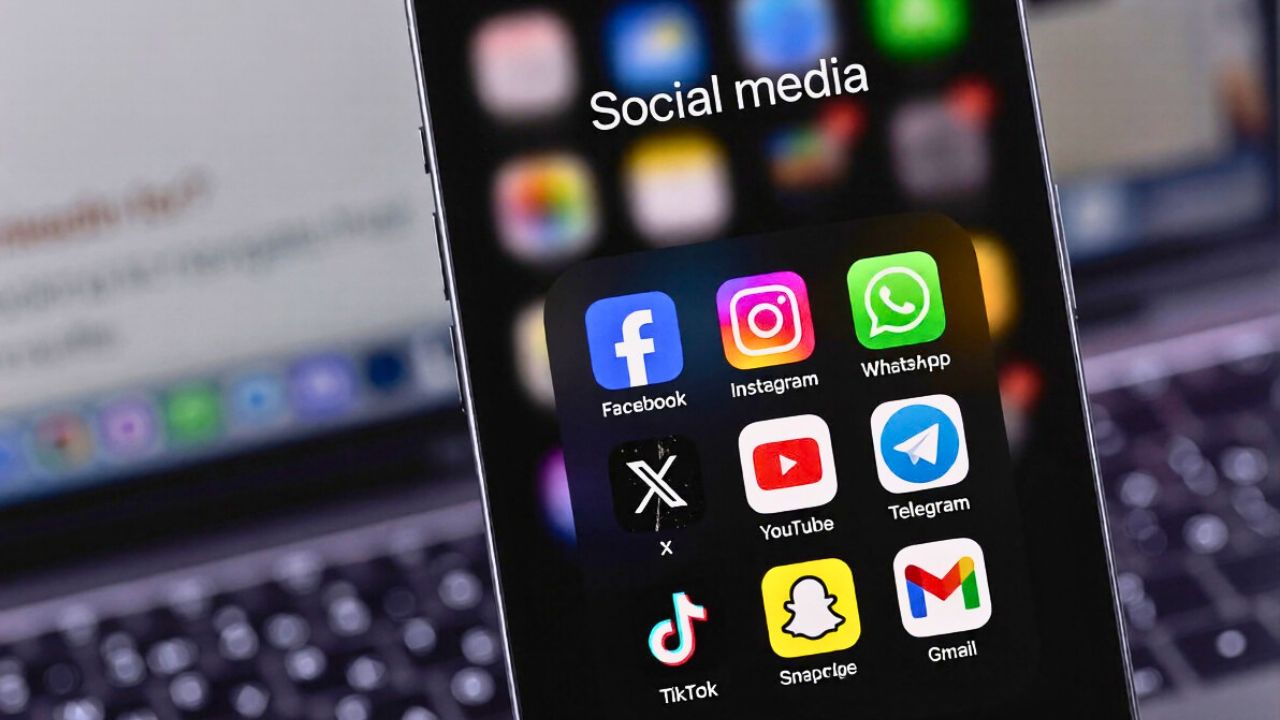
Hand over your socials to visit the U.S.? Senators are trying to veto the plan
WASHINGTON — Two Democratic U.S. senators are urging the Trump administration to abandon a proposal that would require millions of foreign visitors to provide their social media handles from the past five years, warning it could become a privacy and free-speech minefield while doing little to improve security.
The proposal has been circulating as part of a broader push to tighten vetting for entry into the United States, and it’s already drawing heavy reaction online because it hits a modern nerve: people may accept passport screening, but “hand over your socials” feels like surveillance — and critics argue it invites mistakes, misinterpretation, and selective enforcement. Reuters reported the senators asked the administration to drop the idea entirely.
The practical effect would be significant. Social media “handles” are not static identities. People change usernames, delete accounts, use nicknames, or maintain multiple profiles. Requiring five years of handle history raises a predictable risk: travelers get flagged not because they’re dangerous, but because the information is incomplete, inconsistent, or misunderstood by screeners who are making fast decisions in a high-pressure environment.
Supporters of tougher screening argue that online activity can reveal risk signals and networks — and that the government already asks certain travelers for extra information. But opponents argue the net is too wide, catching ordinary tourists, students, and business travelers in a compliance requirement that could discourage travel or create a new layer of arbitrary denials. Reuters’ reporting framed the senators’ request as part of a growing dispute over where security screening ends and invasive data collection begins.
The proposal also has a reputational cost for the U.S. Even people who don’t post politics can worry that jokes, sarcasm, or context-free posts might be misconstrued — especially across languages and cultures. And once that fear spreads, it’s not just an immigration story; it becomes a tourism and business story too, because fewer visitors means fewer hotel stays, conference trips, and spending in gateway cities.
The administration has not publicly backed off in the Reuters report, but the senators’ push signals this may turn into a bigger Capitol Hill fight, especially if travel industry groups or civil liberties organizations join the pressure campaign.