Hand sanitizer won’t fix this one and what to do instead
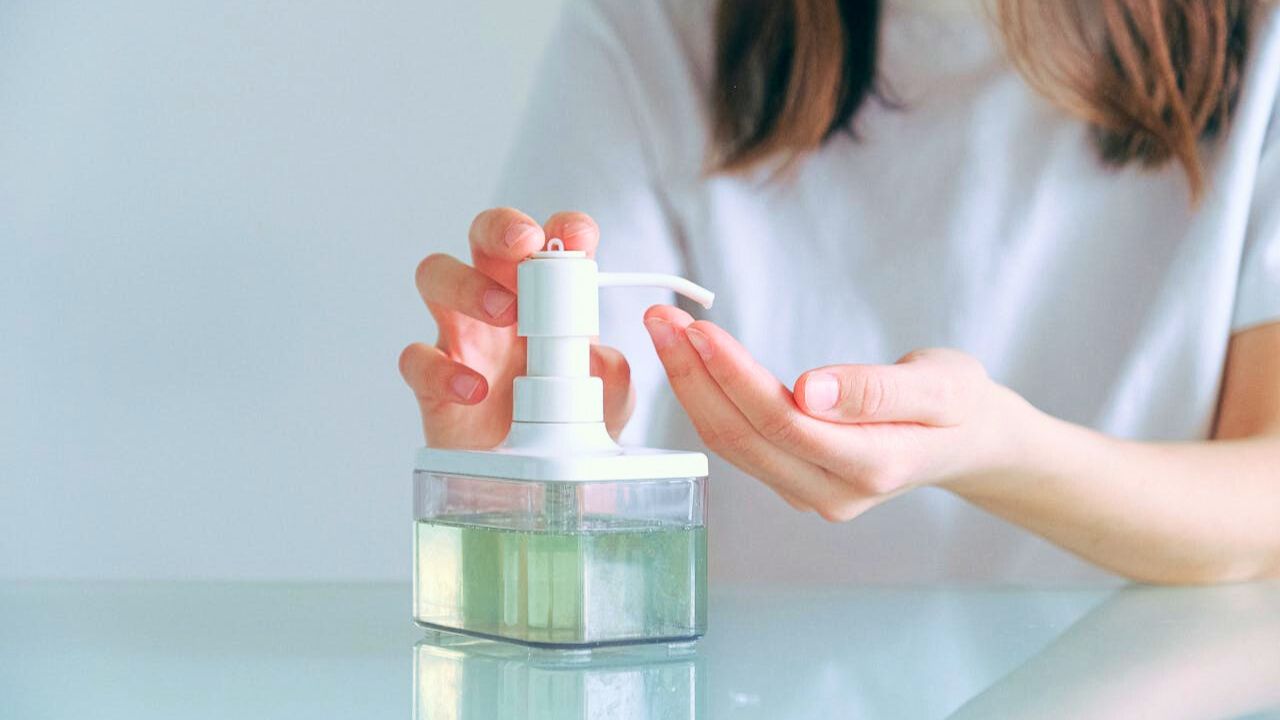
Hand sanitizer turned into a pocket-sized security blanket over the past few years, but it was never designed to solve every mess you get on your hands. When you are dealing with grease, grime, chemicals, or even certain microbes, that clear gel can give you a false sense of safety while the real problem stays put. To actually protect your health and your skin, you need to know when sanitizer helps, when it does almost nothing, and which simple alternatives work better.
The good news is that you do not need a cabinet full of specialty products to handle the jobs sanitizer cannot. With a few basic techniques, from old-school soap and water to smart home remedies, you can clean up faster, keep your skin in better shape, and reserve that sanitizer for the narrow situations where it truly shines.
Why sanitizer became your default solution
You reach for hand sanitizer because it is fast, portable, and marketed as a near-magical germ killer. Alcohol-based gels are convenient in a car cup holder, a backpack, or clipped to a child’s school bag, and you can even buy them as a glossy lifestyle product that promises both disinfection and a designer scent. After a global pandemic, it is understandable that you might treat that little bottle as a first line of defense in almost every situation.
Public health guidance, however, has always drawn a line between what sanitizer can do and what it cannot. The Apr guidance on What to know about hand sanitizer stresses that it is a useful backup when soap and water are not available, not a universal replacement. You are encouraged to use it on relatively clean, dry hands, in the right amount, and to let it dry completely, which is a far narrower use case than the way many people now deploy it on everything from greasy fingers to paint-stained palms.
What sanitizer actually does on your skin
Alcohol-based sanitizer works by disrupting the outer membranes and proteins of many bacteria and viruses, which is why it became a staple for respiratory infection control. The official hand hygiene FAQ explains that when you apply enough gel and rub thoroughly, you can significantly reduce certain microbes, but the same document is clear that you should Use plain soap and water for routine cleaning because Studies have not found antibacterial soap to be better than regular soap for everyday use. In other words, sanitizer is a targeted tool, not a general cleanser.
That distinction matters because sanitizer does not remove physical dirt, food residue, or chemicals from your skin. The Mar guidance on sanitizer notes that Keep in mind that Soap and water work to remove all types of germs from hands, while sanitizer acts by killing certain germs but does not reliably handle organisms like Clostridioides difficile, as well as chemicals. If you have pesticide on your fingers or heavy metals from a hobby project, rubbing in gel simply spreads the contamination around instead of rinsing it away.
Why soap and water still beat the bottle
When you have access to a sink, traditional handwashing is still your most powerful move. The Mar guidance from a major health system points out that for people like medical providers who wash their hands multiple times a day, it is helpful to switch between sanitizing and washing, but that you still need soap and water to remove the debris that sanitizer cannot touch, especially when your hands are visibly dirty, greasy, or sticky, which is highlighted in the Mar comparison of handwashing vs sanitizer.
Soap has a physical and chemical advantage that sanitizer lacks. Detailed explanations of Why soap and water work better than hand sanitizer describe how soap molecules surround oils and grime on your skin, then let water wash them away. What this means for you is simple: when your hands are actually dirty, not just potentially contaminated, a thorough wash is the only way to physically remove the problem instead of just trying to kill whatever is living in it.
When sanitizer fails outright
There are entire categories of mess where sanitizer is almost useless. Official guidance on CDC hand sanitizer facts notes that if your hands are greasy or heavily soiled, the gel cannot reach the microbes effectively and may not work at all. That is why you are told to wash with soap and water after handling food, gardening, or working on a car, even if you have a sanitizer bottle in your pocket.
There are also limits on which germs sanitizer can handle. The Mar guidance on Soap and sanitizer explains that some pathogens, including Clostridioides difficile, are not reliably inactivated by alcohol gels, and that chemicals like pesticides and heavy metals stay on your skin unless you wash them off. A separate overview of sanitizer performance notes that Hand sanitizers also do not work well when your hand is dirty or oily, which means that relying on gel in a workshop, garage, or kitchen can leave you with both lingering contaminants and a false sense of security.
Grease, oil, and the mechanic’s problem
If you have ever tried to clean up after changing the oil in a 2012 Ford F-150 or tuning a motorcycle, you already know that sanitizer barely makes a dent in engine grime. Mechanics who spend their days handling dirty and oily car parts need products that physically cut through layers of grease, which is why guidance on the Best Hand Soap for Mechanics highlights heavy duty soaps and even one at-home method that uses a mix of oil and sugar scrubbed together for 15 seconds before rinsing. The point is not just to disinfect, but to lift away the petroleum-based film that traps dirt and metal particles against your skin.
Home cleaning guides echo that approach for anyone who ends up with similar grime after weekend projects. One detailed breakdown of Dish Soap and Salt methods explains that Dish soap is designed to cut through grease, and that combining a few drops of Dish soap with an abrasive like salt or sugar lets you scrub off oil and tar in seconds. Compared with that kind of mechanical and chemical action, a thin layer of alcohol gel simply cannot compete, which is why you should save sanitizer for after you have already washed away the visible mess.
Home remedies that actually work on tough messes
When you do not have a specialty mechanic soap on hand, simple pantry ingredients can outperform sanitizer by a wide margin. One popular guide on How to Clean Greasy Hands using Home Remedies recommends a Spoonful of Sugar mixed with a little water to create a gritty paste that scrubs away oil before you follow up with soap and water. That combination of abrasion and surfactant is exactly what sanitizer lacks, which is why it struggles with anything more substantial than a light film.
Other do it yourself tricks rely on the chemistry of oil dissolving oil. A widely shared Jan Life Pro Tip describes how, When you have greasy dirt on your hands from cars or yard equipment, you can rub your hands with straight dish soap like Dawn until it feels almost dry, then rinse, a method detailed in the Jan discussion. Another set of tips on How to get grease off your hands suggests you Step 1: Mix about a teaspoon of sugar with a little water to form a paste, then Step 2: Scrub your hands with that mixture before washing with standard hand soap and water, which again shows how physical scrubbing and rinsing beat any amount of gel.
Sticky, tarry, and oddly textured problems
Not every stubborn mess is oily, and some of the most frustrating residues are sticky rather than slick. If you have ever peeled a label off a glass jar or handled roofing tar, you know that sanitizer barely budges the glue. A practical guide on Top 10 Ways to remove grease, oil, and tar from hands in seconds recommends using a small amount of oil, followed by a gritty scrub and then dish soap, because the oil helps dissolve the sticky substance before you wash it away.
Some people do use sanitizer as a first step on glue or sap, but even those fans often end up pairing it with oil. In one Oct lifehack thread, a commenter notes that, Well, now that I think about it, any oil should work to break down whatever is on your hands, and that they just used oil because it was available, as described in the Oct discussion of getting sticky stuff off your hands. A separate video tutorial titled Clean Grease from Hands shows how you can remove greasy residues instantly with no soap or chemicals by using mechanical wiping and natural materials, underscoring again that physical removal, not just chemical killing, is what actually solves the problem.
How to wash properly when it really matters
Even when you know soap and water are better, it is easy to rush the process and lose most of the benefit. Public health campaigns on handwashing awareness week emphasize that you should scrub for at least 20 seconds, covering palms, backs of hands, between fingers, and under nails, before rinsing and drying thoroughly, a sequence highlighted in a Dec explainer that urges you to Help stop the spread of germs by following the full five-step routine, as shown in the Dec reel. If you cut that short, you are essentially doing the same thing as using too little sanitizer and wiping it off before it dries.
When you do need sanitizer, you should treat it with the same level of care. Guidance on hand sanitizer facts stresses that you must apply enough product to cover all surfaces of your hands and rub until they feel completely dry, without wiping the gel off before it has dried. If you are using a product that contains at least 60% alcohol, as recommended in the Apr comparison of Soap vs Hand Sanitizer, that technique can significantly reduce certain germs when a sink is not available, but it still does not remove dirt, chemicals, or all pathogens.
Building a smarter hand hygiene toolkit
To move beyond reflexively grabbing the gel, you need a simple decision tree and a few basic supplies. A practical overview of hand cleaning options notes that Although hand sanitizer is qualified for stealthy bacterial assassinations, it is not a perfect protector and cannot kill every type of germ, a limitation spelled out in the Although analysis of washing your hands vs sanitizer. That is why your everyday kit should start with mild liquid soap at home, a travel-sized bottle in your bag, and a small nail brush near the sink if you do hands-on work.
Sanitizer still has a place, but it should be a supporting actor. Expert comparisons explain that in a pinch, hand sanitizer can disinfect if it is at least 60% alcohol, but that hands down, soap is better because Hand sanitizers do not eliminate every kind of germ and can be dangerous if swallowed, a point made in the Apr discussion of Hand Sanitizer risks. If you pair that knowledge with a few proven home remedies, like sugar scrubs and dish soap techniques, you can match the cleaning method to the mess instead of hoping that one clear gel will fix everything.
Like Fix It Homestead’s content? Be sure to follow us.
Here’s more from us:
- I made Joanna Gaines’s Friendsgiving casserole and here is what I would keep
- Pump Shotguns That Jam the Moment You Actually Need Them
- The First 5 Things Guests Notice About Your Living Room at Christmas
- What Caliber Works Best for Groundhogs, Armadillos, and Other Digging Pests?
- Rifles worth keeping by the back door on any rural property
*This article was developed with AI-powered tools and has been carefully reviewed by our editors.