HGTV’s most common lighting mistake is why renovated homes still look gloomy
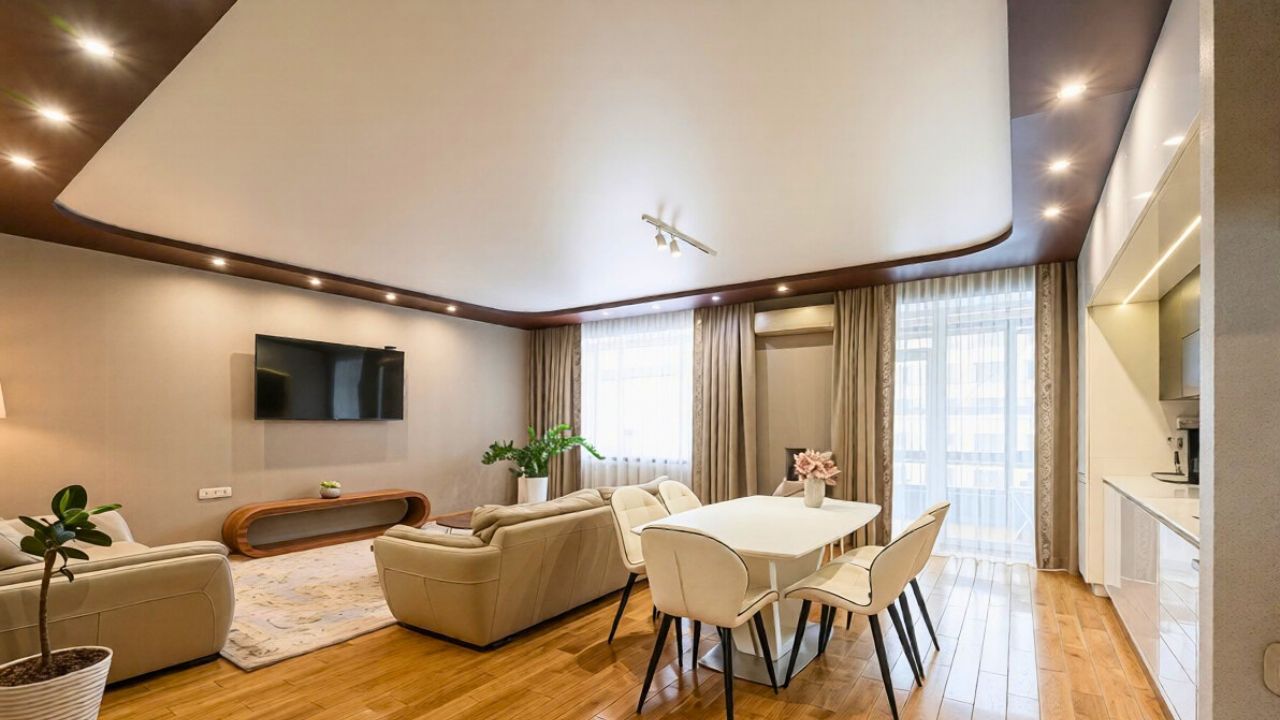
You can spend six figures on an HGTV-style renovation and still end up with rooms that feel flat once the cameras, crews, and natural daylight disappear. The recurring culprit is not your sofa, your paint color, or even your flooring; it is the way you handle light. When you copy the most common TV renovation move, a grid of recessed cans and one oversized fixture in the middle, you lock your home into a kind of permanent twilight that no amount of staging can fix.
If you want your spaces to look as good on a Tuesday night as they do in a reveal photo, you have to treat lighting as architecture, not as an afterthought. That means rethinking the ceiling-first approach you see on screen, planning layers of light around how you actually live, and choosing bulbs and fixtures that flatter your finishes instead of fighting them.
The HGTV effect: too many cans, not enough light
Watch a renovation show and you will see a familiar pattern play out in almost every episode. The crew patches the ceiling, then someone pulls out a lighting plan that is really just a grid of recessed cans spaced like graph paper. You are meant to believe that more fixtures automatically equal better lighting, yet you can copy that exact layout and still end up with a room that feels oddly gloomy. A recent renovation clip from Armin Group spells it out bluntly with the line “More lights do not equal better lighting,” and warns that one of the most common renovation mistakes is too many pot lights crowding a ceiling with no strategy for how the room will actually be used, which leaves you with brightness overhead and shadows everywhere else.
Design-focused renovators are voicing the same skepticism, calling out large overhead can lights as a dated upgrade that does not add warmth. In guidance built around what is and is not worth your money, the Property Brothers point out that large overhead can tend to look stuck in the 1980s, the way wall-to-wall carpet does, and that they fail to make a room feel inviting. When you line your ceiling with cans and skip everything else, you create glare on shiny surfaces, harsh shadows under eyes, and a general sense that your house is lit like a big-box store instead of a home.
HGTV’s own verdict: ignoring lighting is a top renovation mistake
Even the network that popularized the all-new, all-recessed look has started to admit that lighting is the weak link in many renovations. On an HGTV social thread that asked “What’s the biggest decorating mistake someone can make?”, the answer labeled as Number 6 Biggest is “Ignoring Lighting Another” key element of the project. The caption spells out that when you do not take lighting into consideration throughout the renovation, you sabotage what could have been a really good end design, because your finishes and furnishings never get a chance to shine.
That admission matters if you have been using HGTV reveals as your mental checklist for what a finished space should look like. You are told to obsess over shiplap placement and cabinet door profiles, yet the network itself is now grouping lighting alongside layout changes and structural work in its list of renovation missteps. When HGTV flags “Ignoring Lighting Another” major factor as a top mistake, it is essentially telling you that a pretty kitchen with bad lighting is still a bad kitchen, no matter how many before-and-after shots you scroll past.
The single overhead trap: why “The Big Light” falls flat
Interior designers keep returning to the same warning because almost everyone makes the same error once the contractors leave. You flip a switch, a single ceiling fixture blasts the room, and you assume that because you can see, the lighting is working. In a reel that bluntly lists interior design mistakes that make professionals cringe, one designer notes that Almost everyone makes, and the first on the list is “Relying on a single overhead light flattens a room.” When you only have what British designers jokingly call “The Big Light,” every surface looks the same, faces are washed out, and there is no depth or drama.
Lighting specialists who work on both residential and commercial projects describe the same phenomenon with more technical language. In a breakdown of common renovation errors, one professional notes that Focusing only on is a major mistake, because you end up chasing lumen counts instead of thinking about contrast, direction, and reflection. When you rely on one central source, you get bright spots and dead corners, especially at night, which is why your freshly painted walls can look dull beige in the evening even if they read as a complex greige in daylight.
Layered light: the concept HGTV reveals skip past
To make your home feel like the after photos you save, you need to build what lighting designers call layers. That means combining ambient, task, and accent lighting so your eye moves comfortably through the room instead of being blasted from above. HGTV’s own how-to guides describe the concept of layering light as the foundation for good design, explaining that you should integrate general, task, and accent lighting into the room’s architecture rather than treating fixtures like accessories you pick at the end of a project. Done well, this gives you options, from bright, functional light for cleaning to softer pools of light for conversation.
Other designers turn that idea into a simple rule of thumb. One widely shared guideline, described as the Lighting Rule, suggests that every room should have between five and seven different light sources. The explanation is straightforward: why limit yourself to one harsh source when you can create a mix that controls not only brightness but also atmosphere. Because a single ceiling fixture cannot do all of that, you are better off combining a modest number of recessed cans with sconces, table lamps, floor lamps, and even strip lighting in shelves or under cabinets.
Color temperature: how the wrong bulb keeps rooms looking staged
Even with several fixtures installed, your home can still feel gloomy or oddly fake if you choose the wrong bulbs. The color of light changes how every finish reads, from your quartz counters to your oak floors. Lighting experts explain that when you choose bulbs for a living room, you should think about the intended use of the space, the mood you want, and technical factors like color rendering index and lumen count. One guide on living room lighting notes that When choosing the of light, you want something that supports activities from relaxing to reading, especially in rooms designed for comfort and leisure.
Designers who work with sellers see the same mistake again and again in staged homes. A breakdown of common staging errors points out that the lighting in your home does more than illuminate your surroundings; it sets the tone of the room and influences how colors in your decor appear. When you rely on cool, daylight-labeled bulbs in every fixture, your home can look like a sales center even when you are not showing it, which is why one staging expert warns that leaving the overhead lights running all the time makes your home feel like a set instead of a place you live. Swapping to warmer bulbs in living areas and slightly cooler ones in bathrooms can instantly soften that staged, sterile feeling.
Fixture choices: when “updates” date your renovation
HGTV-inspired renovations often treat new fixtures as a quick way to signal that a home has been updated, but the specific choices you copy from television can age your project faster than you expect. The same Property Brothers guidance that criticizes large recessed cans also points out that those big, old-school fixtures tend to look dated in the same way wall-to-wall carpet does, and that they do little to add warmth to a room. The advice is to skip spending heavily on those kinds of permanent overheads and instead use your budget on elements that actually change how the room feels, like layered fixtures and well-placed accent lights that highlight texture and art.
Lighting manufacturers who work with designers try to simplify those decisions by grouping fixtures by type and function. One fixture guide lists Light Fixtures Types at a Glance in a table that pairs each Light Fixture Type with what it is Best for, so you can match, for example, a flush mount to low ceilings, a chandelier to a dining table, or sconces to bedside reading. When you use that kind of functional map instead of copying whatever pendant you saw over an HGTV kitchen island, you end up with fixtures that suit the architecture of your room and the way you move through it, which keeps your renovation from feeling like a snapshot of one specific TV trend.
Real estate reality: buyers notice bad lighting instantly
If you are renovating with resale in mind, lighting is not just a mood issue, it is a market problem. Real estate teams point out that one of the most common renovation mistakes they see is a ceiling packed with pot lights that do not actually make the space feel better. In a renovation video series, Armin Group literally spells out that More lights do, and calls this “One of the” top mistakes that leaves finished homes feeling oddly flat during showings. Buyers may not know why a room feels off, but they react to the glare, the shadows, and the lack of warmth.
Sellers who focus on lighting upgrades before hitting the market tend to make more strategic moves. One pre-listing checklist urges you to Consider upgrading ceiling fans to models with integrated lighting and Smart fan features that buyers can control from their phones. That same advice encourages you to swap yellowed glass shades, add under-cabinet lighting in kitchens, and ensure exterior lights are bright and welcoming, because Several small lighting changes can shorten your home’s time on the market by making every showing feel brighter and more inviting without a major construction project.
Designer fixes: how to correct a gloomy “after”
If your renovation is already finished and your rooms still look gloomy, you are not stuck with the lighting you inherited from the contractor. Designers who specialize in correcting these missteps often start by turning off the main overhead fixture and rebuilding the room from the walls in. A short video that calls lighting the most overlooked design mistake spells it out plainly: if your home feels off, it is probably your lighting, because lighting is the part of interior design almost everyone overlooks, even though it is the easiest way to change how a space feels without touching the structure. That kind of advice encourages you to treat lamps, sconces, and even LED strips as tools to reshape your existing rooms.
HGTV personalities echo that strategy by encouraging you to treat lighting as decor, not just hardware. In one recent feature, HGTV’s Nate Berkus urges you to Make a statement in areas like entryways, especially if all the cream and beige in your home is making you snooze. The suggestion is to use sculptural fixtures, plug-in sconces, and even battery-powered lamps that do not need to be near an outlet, so you can add glow exactly where you need it. When you combine that approach with dimmers and warmer bulbs, you can soften a too-bright, too-flat renovation without opening a single wall.
Changing your renovation mindset: plan light first, not last
Like Fix It Homestead’s content? Be sure to follow us.
Here’s more from us:
- I made Joanna Gaines’s Friendsgiving casserole and here is what I would keep
- Pump Shotguns That Jam the Moment You Actually Need Them
- The First 5 Things Guests Notice About Your Living Room at Christmas
- What Caliber Works Best for Groundhogs, Armadillos, and Other Digging Pests?
- Rifles worth keeping by the back door on any rural property
*This article was developed with AI-powered tools and has been carefully reviewed by our editors.