HGTV’s newest show announcements are pushing travel stays over starter homes
HGTV is quietly redrawing your idea of what a “dream home” looks like. Instead of the classic starter ranch or split-level in a suburb, the network’s newest announcements lean into castles, wild rentals, and destination resorts that feel more like travel fantasies than first-time buyer realities. You are being invited to imagine yourself as a guest, not an owner, at the very moment when real-world homeownership is slipping further out of reach.
The shift is not accidental. Across its upcoming slate, HGTV is stacking its schedule with shows that treat real estate as a backdrop for escape, comedy, and short-term stays, while still keeping a few legacy formats alive for viewers who are actually trying to buy. The result is a lineup that mirrors your own Zillow scrolling habits: a little bit practical, a lot aspirational, and increasingly tilted toward properties you might book for a weekend instead of a 30‑year mortgage.
HGTV’s pivot from starter homes to pure escape
You can see the new direction most clearly in how HGTV is framing its 2026 slate as a kind of curated getaway. One analysis notes that HGTV is no longer just filling time slots, it is “programming an escape,” using real estate as a vehicle for fantasy rather than financial planning, with shows like Zillow Gone Wild and Castle Impossible at the center of that strategy. Instead of walking you through interest rates or inspection contingencies, the network is inviting you to mentally check into a turreted castle or a bizarre listing you would never actually buy.
This is a sharp contrast with the era when HGTV’s identity was built on practical buyer journeys and modest renovations. The network still trades on the comfort of that formula, but its newest announcements lean heavily into escapist real estate that you are more likely to visit than own. The tone is closer to vacation planning than financial literacy, and the message is clear: if you cannot afford the starter home you once expected, you can at least spend half an hour living inside someone else’s outrageous property search.
From “House Hunters” to “Zillow Gone Wild”
For years, you probably treated House Hunters as a kind of unofficial homebuying seminar, watching couples debate commute times and closet space. HGTV is not abandoning that formula, it is doubling down on it, with HGTV Announces 4 New Series and 400 New Episodes of House Hunters in a sweeping programming refresh. That sheer volume, the figure “400” spelled out in the network’s own language, keeps the traditional buyer narrative alive, but it also turns it into a kind of background hum while flashier concepts grab the spotlight.
Those flashier concepts are built around the viral energy of your social feeds. The TV version of Zillow Gone Wild takes the internet’s strangest listings and turns them into appointment viewing, while HGTV’s broader 2026 slate is framed as a playground for that kind of “can you believe this place” energy. Coverage of the lineup points out that the network is leaning into escapist real estate, with Dec describing how the shows are designed to be “yours through laughter and dreaming,” not through a down payment. A second reference to Zillow Gone Wild reinforces that this is not a one‑off experiment but a pillar of HGTV’s new identity.
Castles, impossible renovations, and destination fantasies
If you feel like HGTV’s properties are getting more theatrical, you are not imagining it. The network is building entire series around structures that are closer to tourist attractions than starter homes, including the aptly titled Castle Impossible, which focuses on elaborate, often crumbling castles that require extreme creativity to revive. These are not the kinds of properties you or your friends are likely to buy; they are the kinds of places you might book for a milestone birthday or a once‑in‑a‑lifetime trip.
Industry coverage of HGTV’s 2026 plans highlights how Castle Impossible sits alongside other escapist titles in a lineup that treats real estate as spectacle. You are encouraged to marvel at moats and great halls, not to compare mortgage products. That shift subtly repositions you as a future guest, someone who might one day stay in a restored castle or destination property, rather than as a buyer trying to claw your way into a conventional housing market.
“Wild Vacation Rentals” and the rise of the must‑stay property
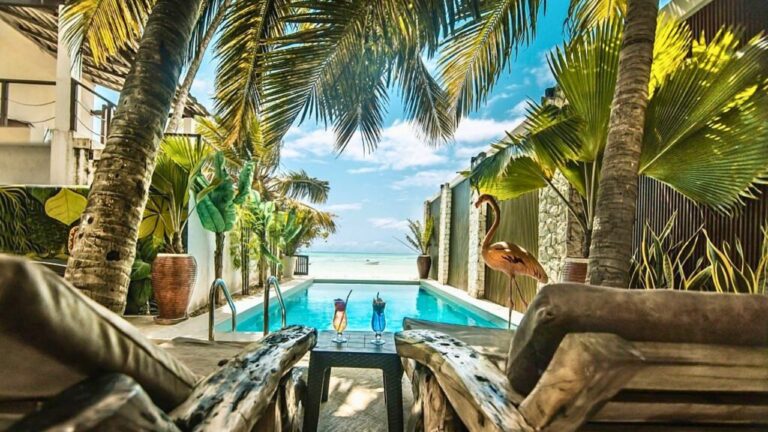
The clearest expression of HGTV’s travel‑first mindset is its new series Wild Vacation Rentals, which is built entirely around short‑term stays. The show is fronted by Sherry Cola and D’Arcy Carden, described together as “Sherry Cola and D’Arcy Carden Star in an All-New HGTV Series,” and each episode zeroes in on a single “must stay” property. You are not asked to imagine owning these places; you are asked to imagine booking them, posing for photos in them, and then going home.
The casting underscores how much HGTV wants you to treat real estate as entertainment. In the official announcement, the network spotlights Sherry Cola, Arcy Carden, Jack, Ian Fig and Daphne Fig Bonnie Nichoalds, Luke Fontana as part of the creative package behind the eight half‑hour episodes, framing the series as a comedy‑infused tour of outrageous rentals. You are effectively being coached to see the housing market through the lens of your next getaway, not your next lease renewal.
Vacation House Rules and the economics of turning homes into stays
HGTV is not just celebrating vacation rentals, it is teaching you how to build them. The returning series Vacation House Rules focuses on transforming underused cottages and cabins into income‑generating escapes, walking property owners through the math and design choices that make a listing stand out. The show’s premise assumes that the smartest move for a second property is not to house a relative or a long‑term tenant, but to turn it into a short‑term rental that can fund your own lifestyle.
Promotional material for the new season spells that out, with Vacation House Rules Airs April on HGTV and promises to help owners “turn their dreams into reality” by optimizing their properties for guests. A second reference to Vacation House Rules Airs April reinforces that HGTV sees this as a cornerstone of its schedule. When you watch, you are not just daydreaming about a lakefront deck; you are absorbing a playbook for converting housing stock into vacation inventory, a trend that has real consequences for the availability of long‑term homes in many markets.
Resort competitions and the gamification of destination real estate
HGTV is also turning destination properties into high‑stakes competitions. In Renovation Resort Showdown, four pairs of renovators are given just eight weeks and a budget of $150,000 to design “ultimate destination resort” homes, complete with primary bedrooms and bathrooms that feel like boutique hotels. The format treats resort development as a timed challenge, with teams racing to create the most Instagram‑ready experience rather than the most livable long‑term space.
That framing matters for how you internalize what a “successful” property looks like. When the winning team is crowned for building the most desirable vacation compound, you are encouraged to value features that photograph well and impress short‑term guests. The show’s structure, which highlights that the four pairs will have exactly $150,000 to execute their vision, turns resort building into a kind of game show, and in the process, it normalizes the idea that the most exciting use of a property is as a destination, not a dwelling.
Legacy renovation brands chasing pressure and spectacle
Even HGTV’s most established renovation stars are being pulled toward higher drama and more extreme stakes. The network has ordered a new series titled Property Brothers: Under Pressure, with Jonathan and Drew Scott promising some of their “most intense home makeovers yet.” The title alone signals that you are meant to tune in for the stress and spectacle of renovation under tight timelines and emotional constraints, not just for practical tips on layout and storage.
That shift fits into a broader refresh in which HGTV Announces New Series and New Episodes of House Hunters while also expanding the Property Brothers brand. Additional reporting notes that Next year, Drew and Jonathan Scott will front Property Brothers: Under, a spinoff that again emphasizes high‑pressure transformations into the owner’s dream house. You are still seeing primary residences on screen, but the storytelling is calibrated to feel like a race, not a roadmap you can follow in your own starter home.
Travel‑flavored spinoffs and the soft sell of escapism
HGTV is also layering travel language into shows that are not explicitly about vacations. A slate of new series ordered amid cancellations includes concepts that blend romance, lifestyle, and location, with one description noting that Escape to the Beach will follow people seeking both heat in life and love. The title alone positions the beach house as a cure‑all, a place where you can reset your career, your relationship, and your Instagram grid in one move.
Other spinoffs deepen that tone. A report on HGTV’s orders notes that in Aug the network greenlit five new shows, with one description explaining that “The description of the spinoff reads, ‘The renovation experts, who have successfully revived many outdated homes and h…’” in a package that also references Aug and White House Christmas 2025. Even holiday programming is framed as a kind of destination experience, inviting you to tour a decorated landmark rather than think about your own modest living room. The cumulative effect is a soft but persistent nudge toward seeing homes as backdrops for experiences, not just as shelters or investments.
What this means for you as a viewer and would‑be buyer
For you, the viewer who might also be a renter, a first‑time buyer, or someone priced out entirely, HGTV’s pivot has real psychological stakes. When the bulk of new programming is about castles, wild rentals, and resort competitions, your baseline for what a “normal” home should look like quietly shifts upward. You may find your own starter condo or aging bungalow looking drab by comparison, even though shows like Fixer to Fabulous and 100 Day Dream Home still model more attainable renovations.
At the same time, HGTV is not entirely abandoning grounded formats. A rundown of returning shows notes that Retta and Alison Victoria will continue to explore some of the country’s most unique homes, and that House Hunters International will air throughout 2026, giving you at least some exposure to real‑world budgets and trade‑offs. Yet even those series increasingly spotlight unusual properties and far‑flung locales. When you add in the way older cabin‑shopping shows like Log Cabin Living have been criticized for glossing over interest rates and everyday stress, you start to see a pattern: HGTV is most comfortable when it can keep you dreaming, not budgeting.
Escapist real estate in a long tradition of TV fantasy
None of this is happening in a vacuum. Television has a long history of using real estate as a canvas for wish fulfillment, from glossy soap‑opera mansions to summer schedules packed with unaired oddities. A look back at how networks once Heats Up the Leftovers with “Unaired Episodes” in a “Summer Lineup Aside” from canceled series shows that repackaging content for escapist summer viewing is an old trick. HGTV is simply applying that instinct to the housing market, turning unsellable castles and quirky rentals into bingeable comfort food.
What feels new is the timing. You are watching this wave of travel‑flavored real estate TV at a moment when starter homes are historically scarce and expensive, and when short‑term rentals are reshaping neighborhoods. HGTV’s choices do not cause those trends, but they do help normalize them, especially when the network orders large slates of escapist shows while quietly trimming more grounded fare. As you scroll past Vacation House Rules reruns and new episodes of Zillow Gone Wild, you are being nudged, gently but persistently, to see the housing market less as a path to stability and more as a carousel of stays you might one day sample.
Like Fix It Homestead’s content? Be sure to follow us.
Here’s more from us:
- I made Joanna Gaines’s Friendsgiving casserole and here is what I would keep
- Pump Shotguns That Jam the Moment You Actually Need Them
- The First 5 Things Guests Notice About Your Living Room at Christmas
- What Caliber Works Best for Groundhogs, Armadillos, and Other Digging Pests?
- Rifles worth keeping by the back door on any rural property
*This article was developed with AI-powered tools and has been carefully reviewed by our editors.