HGTV’s staged pantry trend looks great on camera and drives people nuts at home
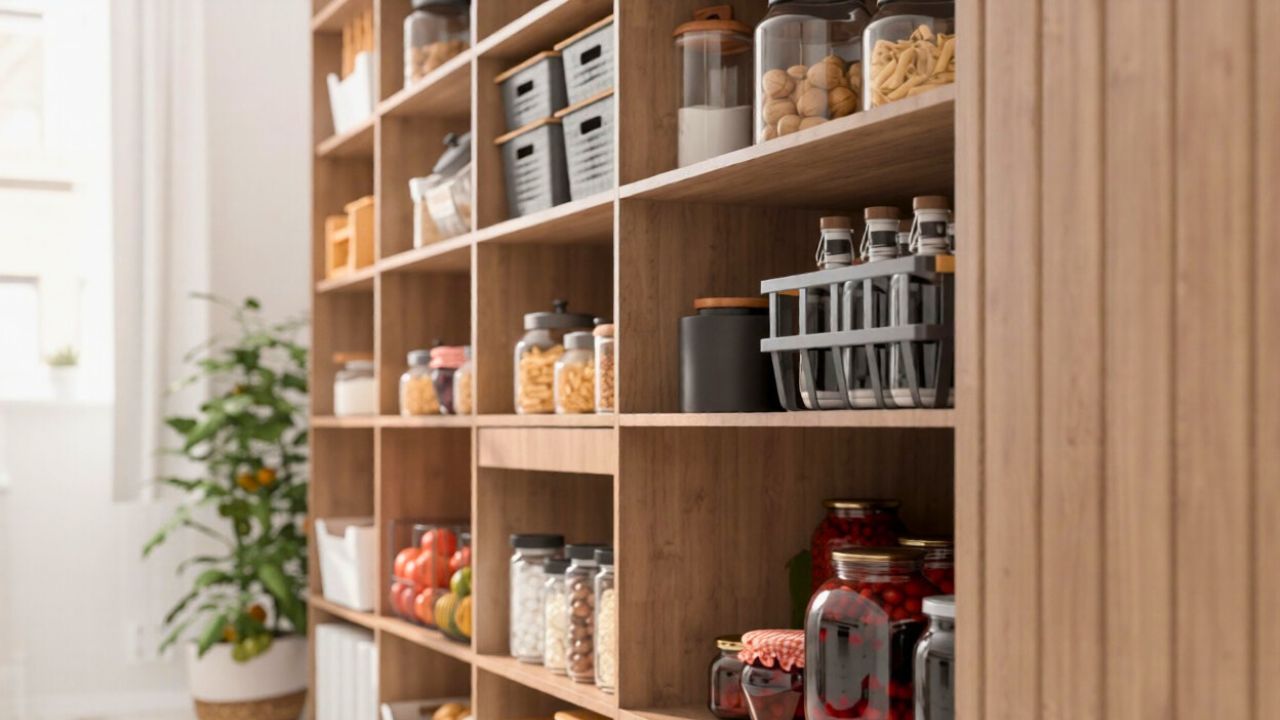
You see the perfectly staged pantries on HGTV, all color-coded snacks and rows of matching jars, and you are meant to imagine your own life instantly calmer if only your shelves looked the same. On camera, that vision is irresistible. Once you try to live with it, though, the gap between television fantasy and a working kitchen can start to feel exhausting. The current pantry craze gives you a useful language for storage and layout, but it can also push you toward a style of organizing that looks flawless in a reveal shot and slowly drives you up the wall in real use.
This tension sits at the heart of HGTV’s influence: you are invited to chase a dream home, then left to reconcile that dream with grocery budgets, kids, roommates and late-night cereal. By understanding how these staged spaces are built, why they are spreading and where they clash with real life, you can borrow the parts that serve you and ignore the rest without guilt.
The fantasy pantry that broke the comments
One of the clearest windows into this tension comes from the reaction you see whenever a picture-perfect pantry circulates on social media. In one widely shared set of kitchen organization photos, viewers gush over how pretty the space is, then immediately point out that “the average person does not store their food like this.” They complain about the missing cans, the lack of “carelessly opened boxes of cereal,” even joke about “who needs that many onions.” The pantry is immaculate, yet commenters keep circling back to the same judgment: “No one lives like that.”
If you have ever tried to keep your own shelves that pristine, you probably understand why the skepticism is so sharp. A pantry that looks like a styled set can be inspiring, but the moment you are hunting for the half bag of rice or stacking bulk paper towels, you run into the limits of a system built for the camera. The reaction in those comments, right down to the exasperated “Where’s the cann…” sentiment, captures how quickly admiration can flip into annoyance when a design ignores the messy reality of how you actually cook and shop.
Why HGTV keeps selling you pantries as prizes
Despite that backlash, you are still encouraged to covet these spaces, because HGTV has turned the pantry into a kind of prize. In a recent clip about the HGTV Dream Home 2026, the account raves that “We’ll never get over the gorgeous green pantry at HGTV Dream Home 2026” and invites you to “Enter the $2.4M sweepstakes” tied to the property, framing that green pantry as a signature feature you could win along with the house. The message is clear: if you are lucky enough, you too might own a walk-in room of color-coordinated shelves that looks flawless every time you open the door.
The same pattern shows up in earlier projects, where a butler’s pantry is singled out as the one feature that “just makes sense,” “Located just off the kitchen” with its own sink, dishwasher and extra fridge to handle overflow. When you see a dedicated space for prep and storage presented as the detail that makes a dream home feel complete, you start to believe that your own kitchen is missing something essential if it does not have a similar room. That framing nudges you toward chasing square footage and cabinetry that may not match your actual cooking habits or available space.
Hidden pantries and the rise of the butler’s nook
Scroll through design accounts and you are told that the pantry is no longer just a closet with shelves, it is a hidden room or a full butler’s station. One popular post explains that “If we were to build a new home in 2026, a butler’s pantry would DEFINITELY be on our wishlist,” and situates that dream in places like Sandy, Utah, where new builds can carve out entire secondary kitchens. That kind of messaging encourages you to think of a pantry as a must-have extension of the main room, not a modest storage zone you adapt to your existing footprint.
Trend roundups reinforce the idea by celebrating the “growing popularity of the hidden pantry or butler’s pantry” and noting how Designers have turned these spaces into showpieces that continue to spread into 2026. You are shown doors disguised as cabinet panels, secondary sinks and full runs of countertop, all tucked just out of sight. The appeal is obvious: you get a place to stash clutter during a dinner party while the visible kitchen stays pristine. The tradeoff is that you may end up walking extra steps for every ingredient and cleaning double the surfaces, all to maintain a visual that looks good from the living room.
When “architectural anchors” meet grocery reality
On the professional side, you are told that storage is now the main event rather than an afterthought. Designer Kati Curtis describes pantry cabinets as “architectural anchors,” not just “secondary utility zones,” and explains that in tight urban projects in Boston “every inch” has to work harder. If you live in a city condo or a small townhouse, that language might sound promising, because it suggests you can turn even a single wall of tall cabinets into a workhorse that organizes your life instead of letting food spill across countertops.
Once a pantry becomes an “architectural anchor,” however, you are often nudged toward dramatic built-ins and custom millwork that look best when they are minimally filled. You might be encouraged to hide your microwave, toaster and bulk staples behind tall doors that run to the ceiling, which can make the room feel serene when closed. In practice, you still need somewhere for the family-sized cereal, pet food and lunch snacks, and those items rarely fit the narrow, evenly spaced shelves that photograph so well in a Boston loft. The more you treat storage as a visual statement, the more you risk designing a pantry that impresses visitors and quietly frustrates you every week.
Color, glass and the pressure to keep up appearances
Color trends add another layer of pressure. You are urged to embrace bold cabinetry, with advice that “While dramatic use of color is key” in a modern kitchen, including “bold and playful brights” and even all-black schemes. That approach can be thrilling in a pantry, especially when you see that same green storage room highlighted as a standout feature in a dream property. Yet once you commit to a saturated hue or a high-contrast palette, every scuff, stain and random snack bag reads as visual noise against the carefully chosen backdrop.
Material choices can make that tension even sharper. Some experts point out that Kitchen cabinets or pantry doors with clear glass fronts “can be beautiful, but they come with a few practical challenges” that make daily life harder. You are suddenly responsible for keeping every shelf photo-ready, dusting jars and aligning labels so the view through the glass stays tidy. If you slip, the whole wall starts to look cluttered, which defeats the promise of serenity that drew you to the trend in the first place. Instead of enjoying your space, you may find yourself editing what you buy so the packaging matches your color scheme.
When trends fade and your patience goes with them
Designers already warn you that some kitchen ideas are on their way out because they never balanced style with function. In one summary of what is fading by 2026, the conclusion is blunt: “In Summary, Most of the trends fading in 2026 revolve around themes that either lacked lasting charm or weren’t practical over the long term.” If you have ever decanted every dry good into matching containers only to realize you still need somewhere for the half-used bags and odd-shaped boxes, you know exactly how a pantry trend can wear thin once the novelty fades.
The same pattern shows up with open shelving, all-white everything and now hyper-staged storage rooms. At first, you might feel energized by the discipline of keeping every bin labeled and every jar aligned. Over time, the constant maintenance can start to feel like a part-time job, especially if you are managing a household with kids, roommates or frequent guests. When a trend is built on daily perfection, even a small lapse can make you feel like you are failing, which is a heavy burden to attach to the simple act of putting groceries away.
Social media, platforms and the performance of your pantry
Your sense of what a pantry “should” look like is shaped not only by television but by the platforms where those clips circulate. When a green storage room becomes a viral reel, it travels through systems run by companies like Meta, whose corporate site at about.meta.com sits behind the Facebook and Instagram feeds you scroll. The same infrastructure connects to experimental tools at meta.ai and newer conversation hubs such as Threads, all of which help amplify images of spotless shelves and color-coded snacks.
Those images are not neutral. They are curated, filtered and boosted by algorithms that reward engagement, including your mix of envy and aspiration when you see a space that feels just out of reach. Even the help pages that explain how Instagram works, such as the guides at Facebook help, sit behind the same ecosystem that turns a single pantry shot into a reference point for how your own kitchen ought to look. Once you internalize that performance standard, you may start organizing less for your own convenience and more for an imagined audience that will never actually open your cabinet doors.
How to borrow the good ideas without losing your mind
If you still love the look of a staged pantry, you can treat HGTV-style images as a catalog of options rather than a rulebook. You might decide to copy the idea of grouping baking supplies together or adding a shallow shelf for oils, while ignoring the insistence that every item must be decanted into identical jars. The comments under those aspirational photos, full of people asking “Where’s the half bag of” chips or laughing about “Not much ‘food’ here,” are a reminder that plenty of viewers value practicality as much as polish.
You can also lean on the more grounded side of professional advice. When someone like Kati Curtis talks about making “every inch” work harder in a Boston apartment, the underlying point is that your storage should match your routines. That might mean a simple cabinet pantry with pull-out drawers instead of a hidden room, or solid doors instead of glass so you can stash bulk staples without worrying about how they look. If you focus on what makes cooking and cleanup easier for you, the parts of the HGTV aesthetic that truly fit your life will naturally rise to the top.
Designing a pantry you can actually live with
In the end, you are the one who will stand in front of your shelves at the end of a long day, not a camera crew or a social media audience. You might still dream about the butler’s pantry “Located just off the kitchen” in a show home or the hidden room behind a seamless wall of doors, and there is nothing wrong with letting those images shape your sense of what is possible. The key is to remember that the most successful storage spaces are the ones that quietly support your habits, not the ones that demand constant performance.
If you treat the HGTV pantry trend as a menu rather than a mandate, you can pick the elements that genuinely help, like a deeper cabinet for small appliances or a single run of open shelving for daily staples, and skip the parts that feel like a chore. You do not need a Dream Home sweepstakes win, a viral reel or a room full of matching canisters to have a kitchen that works beautifully. You only need a pantry that fits your budget, your square footage and the way you actually eat, even if that includes a few carelessly opened boxes of cereal tucked onto a less-than-perfect shelf.
Like Fix It Homestead’s content? Be sure to follow us.
Here’s more from us:
- I made Joanna Gaines’s Friendsgiving casserole and here is what I would keep
- Pump Shotguns That Jam the Moment You Actually Need Them
- The First 5 Things Guests Notice About Your Living Room at Christmas
- What Caliber Works Best for Groundhogs, Armadillos, and Other Digging Pests?
- Rifles worth keeping by the back door on any rural property
*This article was developed with AI-powered tools and has been carefully reviewed by our editors.