Hidden safety issues your home inspector is most likely to find
When you pay for a professional inspection, you are really paying someone to hunt for the problems you cannot see. National research into home inspections shows that defects are uncovered in the vast majority of transactions, and even seemingly small issues can snowball into major safety risks or expensive repairs if they are missed. Understanding the kinds of hidden hazards inspectors flag most often helps you read the report with a sharper eye and decide what to fix, renegotiate, or walk away from.
That matters because a standard inspection is not cheap, and it is one of the few chances you have to stress test a property before you are fully committed. Recent guidance on inspection costs notes that Home inspections in 2025 average $343 nationally, with typical prices ranging from $296 to $424 depending on location and Home size, so you want to be sure that money is buying real risk reduction rather than a quick checklist.
Why hidden safety defects show up so often
Behind almost every clean listing photo is a house that has quietly aged, been modified, or simply been neglected in ways you cannot see during a short showing. A large survey of buyers cited in research on Defects Revealed by Home Inspections found that Porch collected responses from 998 homebuyers and reported that 86% of inspections uncovered at least one issue that needed attention, a reminder that problems are the rule, not the exception. Inspectors treat the visit as an independent assessment of the Home, moving methodically through structure, systems, and safety features rather than focusing on cosmetic flaws.
Because of that assessment mindset, they are trained to look past fresh paint and staging to the places where risk hides: in overloaded panels, damp crawlspaces, and sagging roof lines. Industry breakdowns of the Most Common Home Inspection Findings emphasize that inspectors routinely document roofing, plumbing, electrical, and window problems that owners either did not know about or chose not to disclose. For you, that means the most valuable parts of the report are often the sections that look boring at first glance, where a few lines about “active moisture” or “improper wiring” can signal thousands of dollars in future costs or a serious safety hazard.
Structural movement and roof damage at the top of the list
Structural movement is one of the most serious categories of hidden trouble, because it can threaten both safety and insurability. Guides aimed at Deciphering Potential Red Flags warn that Structural and Foundation Issues often start subtly, with hairline cracks or doors that do not quite latch, before progressing to major settlement or shifting that compromises the load path of the building. Practical checklists of What to look for highlight Cracks in foundation walls (especially horizontal ones), Uneven floors, and Doors that stick or go out of square as classic signs that an inspector will probe more deeply.
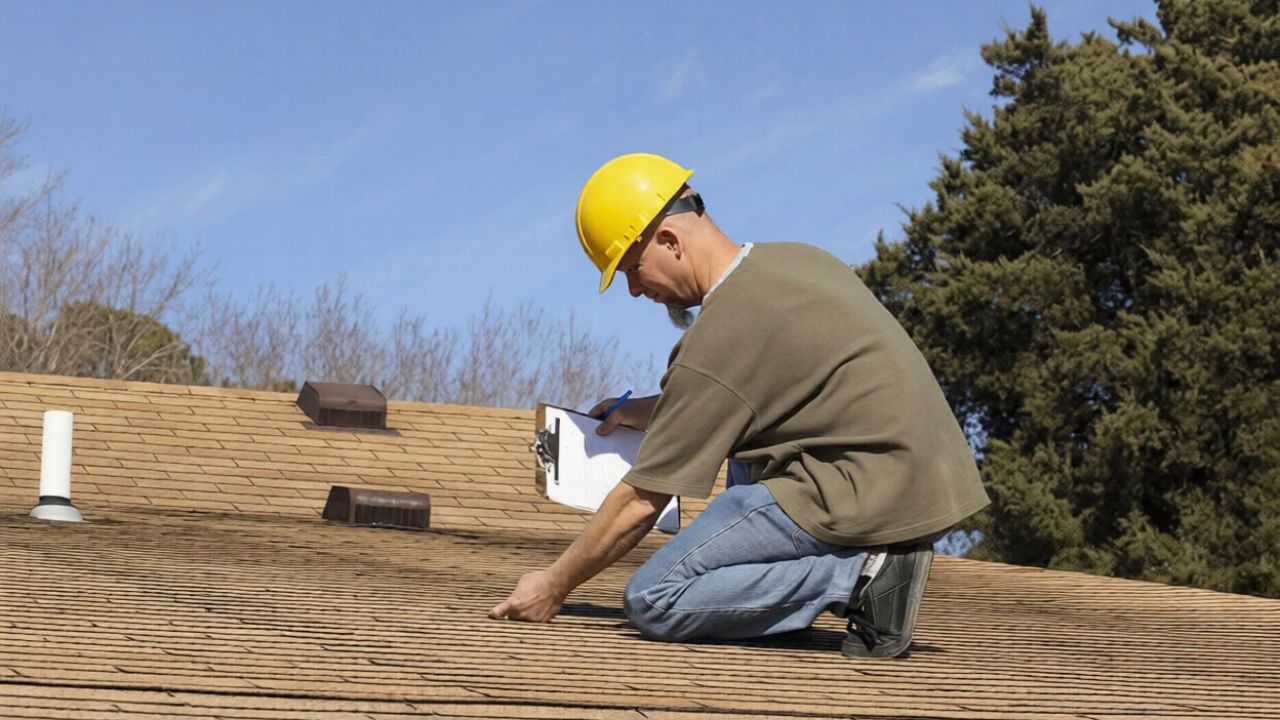
Roof problems are another recurring “hidden” finding, because you rarely spend time on the roof and leaks can travel far from the original failure point. Overviews of the Top Common Issues Found During Home Inspections consistently put Roof Damage near the top, from missing shingles to deteriorated flashing and soft spots in the decking. More detailed lists of Top Home Inspection Issues call out Missing or damaged shingles, Improper flashing around chimneys and vents, and Sagging roof sections as patterns that inspectors see again and again. When another analysis of the Top Hidden Issues a Home Inspection Can Reveal describes Foundation Problems That Can Cost You Thousands Later as One of the biggest hidden threats, it is underscoring the same point: if the structure or roof is compromised, you are not just negotiating over cosmetics, you are deciding whether the building can safely do its job.
Moisture, mould and drainage that quietly undermine the house
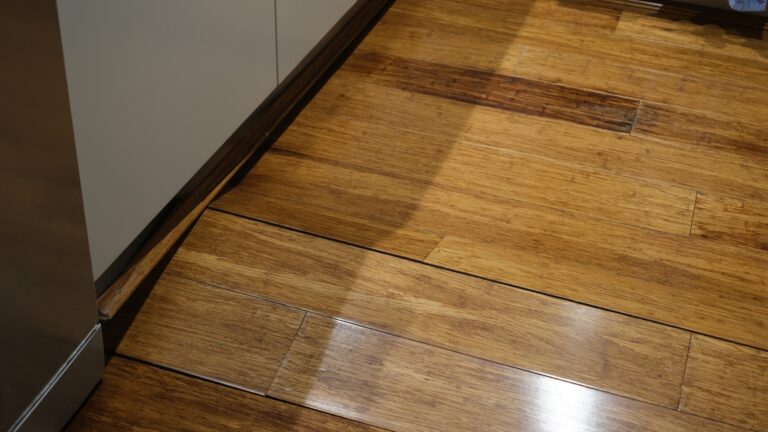
Water is one of the most destructive forces in a home, and inspectors are trained to treat unexplained moisture as a serious warning sign. A detailed breakdown of Identifying Hidden Issues in property inspections singles out Damp and Mould as a category that can Uncover both health hazards and structural damage, because persistent dampness leads to rot in framing, decay in subfloors, and conditions that allow mould to spread behind walls. Another guide to Hidden Home Inspection Red Flags Every Buyer Should Know stresses that Foundation Problems are often tied to water, with poor drainage or leaks causing soil movement, mould, and rot that may not be obvious until an inspector starts probing around the base of the house.
Drainage and grading issues are a common root cause, and they often show up in inspection reports as a few understated lines about standing water or negative slope. A technical overview of Here are common problems found during a home inspection notes that HVAC performance, roof life, and even interior finishes can be affected when water is allowed to pool near the foundation instead of being directed away. When another inspection-focused resource on Hidden Issues Home Inspectors Uncover That Save Buyers lists Here are some of the most common hidden issues and starts with Roof leaks and basement moisture, it is reinforcing the same pattern: if an inspector is flagging dampness, you should treat it as a system-level problem, not an isolated stain.
Electrical, fire and indoor air hazards that put people at risk
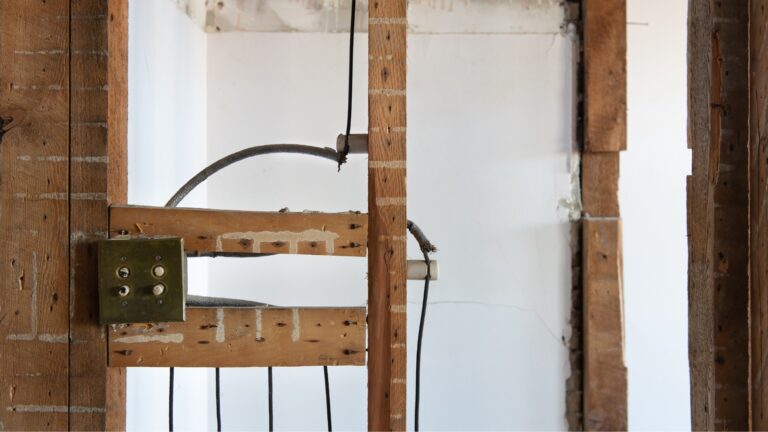
Some of the most consequential findings in an inspection report are the ones that affect life safety directly, even if they are relatively inexpensive to fix. A safety-focused overview of Hazards in the home points to Fire as a central risk, noting that Fires at home threaten both property and the people who live there. Inspectors respond to that reality by looking for missing smoke alarms, outdated panels, and overloaded circuits, and a trade analysis of Top 10 Most Common Inspection Failures highlights how Documentation That Doesn Match the Field, Framing Errors That Break the Load Path, and Electrical Rough In Problems can all translate into fire or shock hazards if they are not corrected before walls are closed up.
Electrical system reviews are not just about code compliance, they are about whether the infrastructure can safely handle modern loads. A technical guide to Critical Electrical System Components The electrical system in your home stresses that panels, breakers, and wiring demand regular attention and maintenance to ensure both safety and functionality, and another explainer on Plumbing and Electrical Systems The plumbing and electrical systems are described as essential components that Our inspectors will thoroughly evaluate for problems that could lead to costly repairs. Broader safety checklists of what inspectors look for also note that they will test carbon monoxide alarms and may recommend additional services like Radon testing, Indoor air quality checks, and Mold sampling, which a separate industry survey identifies as some of the most common add‑on services inspectors now provide. Those recommendations are not upsells for their own sake, they are responses to invisible risks that can affect your health long before any visible damage appears.
Plumbing, HVAC and the “small” issues that add up
While structure, water, and electrical problems grab attention, inspectors also spend significant time on the systems that keep the home livable day to day. A buyer‑oriented guide explains that During the inspection, the inspector will prioritize critical areas including Plumbing, Checking for leaks, monitoring water pressure, and looking for signs of corrosion or outdated materials that could fail. Another overview of Plumbing and Electrical Systems The plumbing and electrical systems reiterates that inspectors are looking for both immediate leaks and conditions that could lead to future failures, such as poorly supported pipes or makeshift repairs under sinks.
Like Fix It Homestead’s content? Be sure to follow us.
Here’s more from us:
- I made Joanna Gaines’s Friendsgiving casserole and here is what I would keep
- Pump Shotguns That Jam the Moment You Actually Need Them
- The First 5 Things Guests Notice About Your Living Room at Christmas
- What Caliber Works Best for Groundhogs, Armadillos, and Other Digging Pests?
- Rifles worth keeping by the back door on any rural property
*This article was developed with AI-powered tools and has been carefully reviewed by our editors.