Home inspectors keep flagging this overlooked area
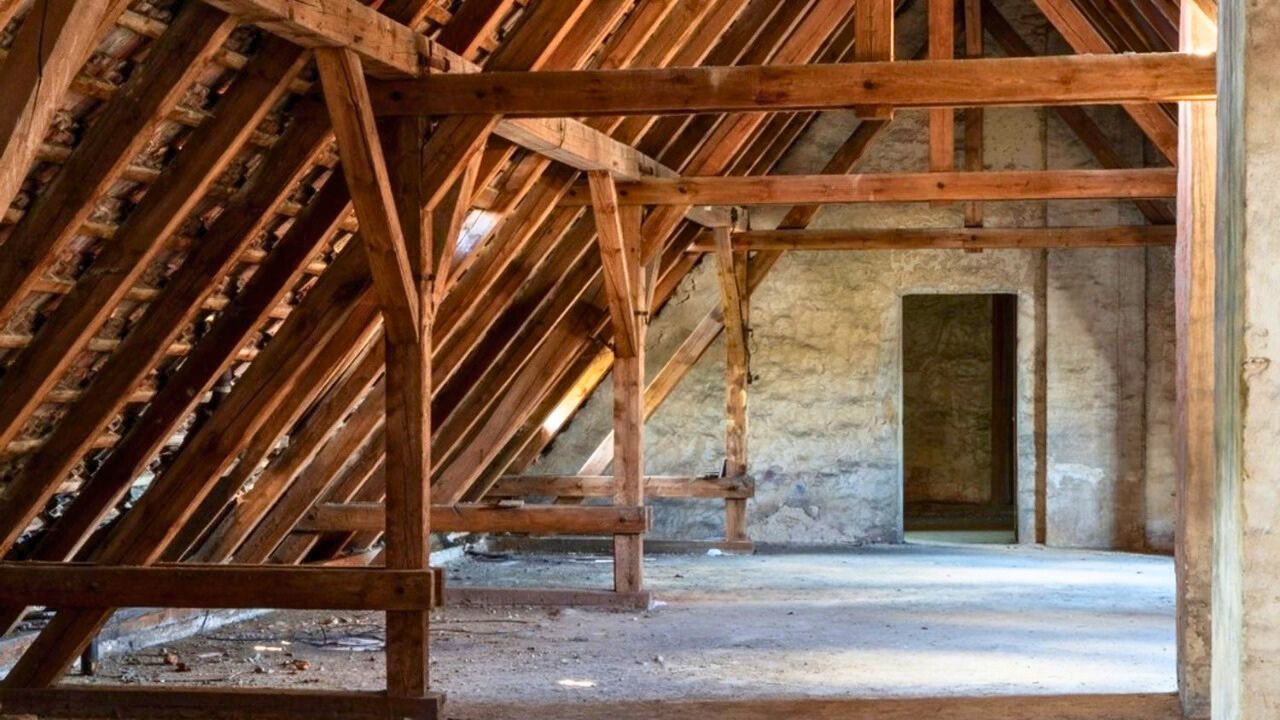
Across the country, home inspectors keep circling the same overlooked trouble spot, and it is not the roof, the foundation, or the wiring that usually grabs attention. The quiet repeat offender is the attic, a space you may barely think about until an inspection report suddenly turns it into a negotiation battlefield. If you are buying, selling, or simply trying to protect your biggest asset, treating that hidden upper level as an afterthought is starting to look like an expensive mistake.
Inspectors describe a pattern that has become hard to ignore: pristine listing photos, freshly painted interiors, and then a neglected attic that tells a very different story about how the home has actually been maintained. When that upper cavity is poorly insulated, badly ventilated, or scarred by moisture, it can hint at deeper problems that ripple through the rest of the structure and your long term costs.
Why the attic keeps blindsiding buyers
From the street, a house can look solid, and even a quick walk through might not reveal much more than cosmetic flaws. The attic, however, is where the building’s true condition often shows up first, because it sits between the living space and the elements and quietly records every roofing leak, ventilation mistake, and shortcut repair. Inspectors reviewing 2025 listings have repeatedly flagged that upper void as the place where insulation is thin or missing, ventilation is blocked, and past water intrusion has left staining or mold that never made it into the disclosure. Across recent reports, that pattern has been consistent enough that some inspectors now head upstairs as soon as they can, knowing the attic will likely tell them more than the staging downstairs.
Part of the problem is access. Attics are hard to reach, cramped, and often unlit, so you may only see them when you are dragging out holiday decorations. Professional guidance on overlooked inspection areas notes that spaces which are difficult to see or reach, such as attics and crawl spaces, are exactly where Hidden Problems tend to accumulate. When you combine that with the fact that many standard inspections are time boxed, it is easy to understand why the attic can be rushed or skipped, even though it is one of the few places where you can see the underside of the roof, the tops of walls, and the path of major mechanical runs in one glance.
The costly chain reaction from a neglected attic
Leaving that space unchecked does not just risk a few damp rafters. Poor insulation and ventilation in the attic can drive up your energy bills, shorten the life of your roof, and create the conditions for mold that eventually shows up in the rooms below. Inspectors who track common red flags point out that interior issues such as mold, moisture staining, and aging systems are increasingly being tied back to what is happening above the ceiling, not just at the surface level. When you see Interior red flags like that, the attic is often the next place a seasoned inspector will look.
Moisture that lingers in the attic can also telegraph deeper structural trouble. If roof leaks go unchecked, they can lead to Cracks in walls, Doors that stick, and Uneven floors as framing members warp or settle. Structural specialists warn that issues like Sticking Windows and Doors, often brushed off as humidity quirks, can actually be early signs of movement that started with long term moisture exposure. By the time those symptoms show up in your daily life, the repair bill can be far higher than if the original attic leak had been caught and fixed early.
How the attic connects to the “usual” red flags
When you think about inspection problems, you probably picture shingles curling on the roof, hairline cracks in the foundation, or a tangle of questionable wiring in the basement. Those are real concerns, and inspectors consistently report Roofing Problems That Keep Popping Up at the top of their lists. What often gets missed is that the attic is the bridge between those headline issues and the rest of the house. If shingles are failing, the first place water shows up is usually on the underside of the roof deck and the insulation in the attic, long before you see a brown ring on a bedroom ceiling.
The same is true for electrical and structural red flags. Inspectors are increasingly wary of DIY wiring, and the attic is a favorite hiding place for those improvised junctions and spliced cables that never should have passed a permit inspection. Structural experts caution that some of the biggest problems they see, such as misinterpreted settlement or framing damage, are exactly the kinds of issues a rushed inspector might miss if they do not spend enough time in the attic where the tops of load bearing walls and trusses are visible. Guidance on structural blind spots notes that Here, too, subtle signs are often written off as cosmetic when they actually point to deeper movement.
Why inspectors and insurers are paying closer attention
As claims data and inspection reports stack up, insurers and lenders are starting to treat the attic as a bellwether for how a property has been cared for. When interior surveys flag mold, chronic moisture, or outdated systems, underwriters increasingly want to know whether those conditions are tied to roof and attic issues that could worsen over time. Reporting on inspection trends notes that while the roof still gets top billing, While the focus is often on visible surfaces, the underlying concern is whether the building envelope, including the attic, is doing its job.
Owners who have shared their experiences with missed problems describe a similar pattern. They assumed the inspection had covered everything, only to discover later that there was no access cut into a key area or that the inspector never entered the attic because it was blocked by stored items. In one widely discussed account, a homeowner listed multiple serious defects that had been overlooked, noting that All of them were expensive to fix and had implications for insurance coverage. That kind of experience is pushing more buyers to insist on full access to attics and other concealed spaces before they waive contingencies or finalize coverage.
How to make sure your attic is not the next surprise
If you are preparing to sell, you can treat the attic as a liability waiting to be discovered, or as an opportunity to demonstrate that your home is better maintained than competing listings. Start by making sure there is safe, clear access, with a pull down ladder or at least a stable step ladder and adequate lighting. Then look for obvious trouble signs: dark stains on the underside of the roof deck, compressed or patchy insulation, disconnected ducts, and any wiring that looks improvised or spliced outside of junction boxes. Professional checklists for thorough property reviews emphasize that areas often missed include the roof, attic, crawl spaces, and exterior drainage, and that paying attention to these Areas early can prevent minor issues from turning into serious problems.
As a buyer, you can be just as proactive. When you schedule an inspection, confirm in writing that the attic will be entered and evaluated, not just viewed from the hatch. Ask your inspector to photograph what they see, including insulation depth, ventilation paths, and any signs of previous leaks or amateur electrical work. If access is blocked by stored items or painted shut panels, insist that the seller clear the way or consider bringing in a specialist for a second look. Guidance on Home Inspection blind spots stresses that Some of the most expensive surprises are hiding in exactly these hard to reach spaces, and that a little extra diligence before closing can save you from years of repair bills and insurance headaches.
Like Fix It Homestead’s content? Be sure to follow us.
Here’s more from us:
- I made Joanna Gaines’s Friendsgiving casserole and here is what I would keep
- Pump Shotguns That Jam the Moment You Actually Need Them
- The First 5 Things Guests Notice About Your Living Room at Christmas
- What Caliber Works Best for Groundhogs, Armadillos, and Other Digging Pests?
- Rifles worth keeping by the back door on any rural property
*This article was developed with AI-powered tools and has been carefully reviewed by our editors.