Home inspectors keep flagging this wiring issue in pre-1990 houses
In houses built before 1990, inspectors keep circling back to one quiet but consequential problem: aging electrical systems that were never designed for today’s power-hungry lives. You might notice the vintage trim or solid wood doors, but what often matters more is the wiring hidden behind the plaster. If you own or are eyeing an older home, understanding how that wiring was installed, and how it has aged, is now as important as checking the roof or foundation.
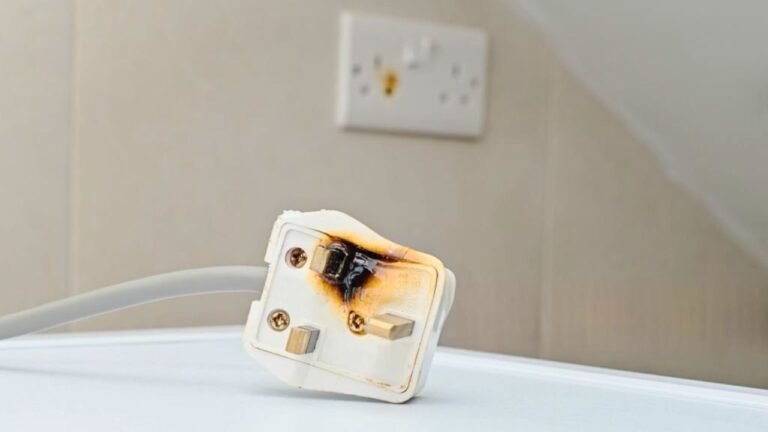
Across the country, inspectors report that outdated electrical components are among the most common issues they document in older properties, right alongside tired plumbing and worn roofs. The risk is not just inconvenience or a tripped breaker, it is the elevated chance of overheating, shock, or fire when yesterday’s infrastructure is pushed by today’s loads.
Why pre‑1990 wiring keeps landing in inspection reports
When you walk into a pre‑1990 house, you are stepping into an electrical system that was designed for a different era of demand. Decades ago, builders did not anticipate multiple computers, high‑draw kitchen appliances, electric vehicle chargers, or whole‑house HVAC systems running at once. Inspectors now routinely flag Outdated electrical systems in these homes, noting that the wiring, panels, and protection devices often fall short of current safety expectations even if they technically still function.
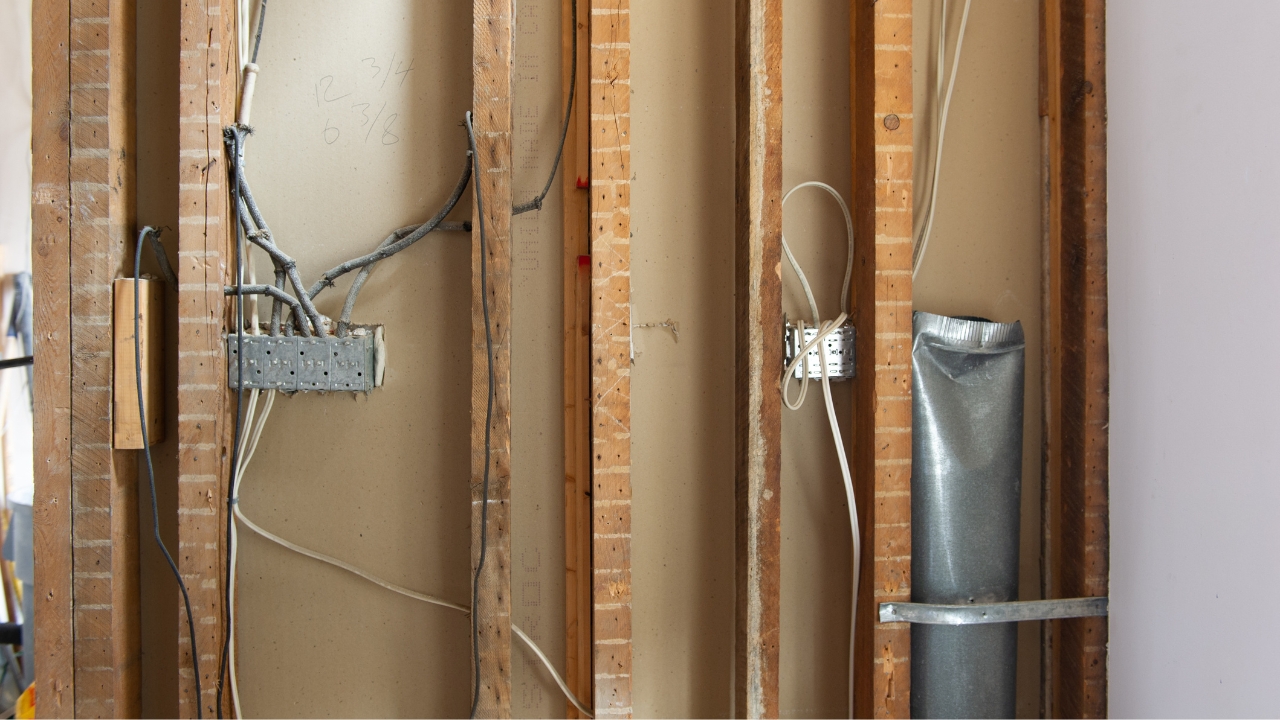
In many older properties, the electrical system has also been modified piecemeal over the years, with additions layered onto an original backbone that was never upgraded. Another report on homes built before 1990 describes Outdated electrical systems ranging from knob and tube to overloaded panels that struggle to safely support high draw devices. That combination of age, patchwork changes, and higher modern loads is why inspectors keep writing up the same category of concern in their reports.
The wiring types most likely to trigger concern
Not all old wiring is equally worrisome, so inspectors pay close attention to what type of system is actually in the walls. In many older homes, especially those built in the first half of the twentieth century, you may still find knob and tube circuits, aluminum branch wiring from the late 1960s and early 1970s, or early grounded cable that has been modified in questionable ways. Each of these has a distinct risk profile, and understanding which one you have is the first step toward a rational plan.
Guides to Old Home Electrical point out that older houses may contain knob and tube wiring, aluminum wiring, or other forms of Outdated Wiring that would never be installed in new construction today. Inspectors are trained to identify these systems visually at panels, basements, and attics, then to recommend further evaluation or upgrades when they see combinations of age, wear, and modern loads that push the original design beyond its limits.
Knob and tube: the “ticking time bomb” in the walls
Knob and tube wiring is one of the oldest standardized systems still found in American houses, and it remains a frequent red flag in pre‑World War II properties. In this method, individual conductors run through open air, supported by porcelain Knobs and tubes rather than being bundled in modern cable. It lacks a grounding conductor, relies on insulation that has often become brittle, and was never intended to coexist with modern insulation practices or high‑wattage appliances.
Inspectors and electricians who specialize in older homes describe Knob and tube as a “ticking time bomb” when it remains energized in living spaces, particularly because it has no ground wire and cannot safely be buried in insulation. Educational material on the topic notes that Knob and tube wiring was once the go‑to method from the late nineteenth century into the mid‑twentieth century but is not permitted in new construction today. If your inspector finds active knob and tube, you can expect a recommendation for either full replacement or at least de‑energizing those runs and installing new circuits for kitchens, baths, and other high‑use areas.
Aluminum branch wiring: why insurers and buyers worry
For homes built roughly between the mid‑1960s and early 1970s, the most common electrical surprise is aluminum branch‑circuit wiring. A home inspector is likely to identify whether aluminum wiring, which is mostly found in homes built between 1965 and 1973, is present in your outlets and lighting circuits. The issue is not that aluminum cannot conduct electricity, but that the specific solid conductor products used in that era tend to expand, contract, and oxidize in ways that loosen connections over time.
One community discussion aimed at buyers bluntly labels ALUMINUM WIRE a “Safety and Insurance Issue,” warning that if You or your client are planning on purchasing a home in an older established neighborhood, you need to know how that affects coverage and resale. Technical guidance on the subject explains that the main concern with solid conductor aluminum wiring from the 60s and 70s is safety, specifically the risk of fire, because aluminum expands more than copper and carries only about 61 percent of the current that the same sized copper wire can, which increases heat at poor connections, as outlined in a discussion of Did you know style facts.
How big the aluminum risk really is
For buyers and owners, the natural question is how much danger aluminum wiring actually poses in day‑to‑day life. The answer, according to federal data, is that the risk is significantly elevated compared with copper. The Consumer Product Safety Commission found that homes with aluminum wiring are 55 times more likely to have fire hazard conditions than homes wired with copper, a figure that has shaped how inspectors, insurers, and lenders view these properties.
Regional inspection firms explain that Aluminum Wiring was commonly used in homes built during the 1960s and 1970s, and that the primary Concern is its tendency to oxidize and corrode at connection points, which can lead to overheating and fire. Professional commentary on inspection practice notes that, In the world of residential real estate, few discoveries cause as much concern during a home inspection as aluminum wiring, and that industry Common standards and safety protocols now treat it as a material defect that must be addressed.
Panels and “Obsolete Electrical Cabinets” hiding in plain sight
Even if the branch wiring is copper, inspectors are increasingly focused on the main service equipment in pre‑1990 homes. Beyond the age of the wiring itself, they flag Beyond the age of the system, “Obsolete Electrical Cabinets” that no longer meet current standards and may not provide reliable overcurrent protection. These panels can look perfectly ordinary during a quick walk‑through, yet still contain breakers that fail to trip properly or bus bars that have deteriorated.
One major issue highlighted by real estate professionals is an electrical panel that is known to overheat or cause a fire. One example is the family of Federal Pacif panels that have been associated with breakers failing to trip during overloads. Video explainers on the subject describe how, Between the 1950s and 1980s, Federal Pacific Electric Lok panels became standard in many homes, yet However, as they aged, people reported breakers that would not trip during an overload or short circuit, leading to overheating and fires. Another technical overview notes that Canada Federal Pioneer Lok panels, and in the USA, Federal Pacific Electric panels, sometimes failed to trip when they were overloaded or short circuited, which is why so many inspectors now recommend replacement.
Ungrounded outlets and “Electrical System Nightmares”
Even when the main panel is acceptable, inspectors often find problems at the outlet level in pre‑1990 homes. One of the most visible clues is the presence of two‑prong receptacles or three‑prong outlets that are not actually grounded. A feature on common red flags notes that Electrical System Nightmares often start the moment you Walk into an older home and spot those charming two‑prong outlets. Ungrounded receptacles are more than an inconvenience, they are genuine hazards that demand attention, especially where people plug in electronics or appliances with metal cases.
Inspectors who focus on older housing stock report that a very common thing they regularly find in older (pre‑1965) homes are ungrounded three‑wire receptacles that have been installed on circuits without a ground. One technical notebook explains that Older two‑wire (ungrounded type) receptacles are still allowed in some locations, but that ungrounded three‑prong outlets are not acceptable, particularly near kitchen counters and the exterior. When your inspector calls out this condition, it is a signal that the system needs either new grounded circuits or properly installed ground‑fault protection, not just cosmetic changes to the faceplates.
Fire statistics, insurance pressure, and the cost of doing nothing
Behind the technical language in inspection reports is a simple reality: old wiring that is overloaded or deteriorated is a fire hazard. Electric cooperatives and safety organizations warn that old, outdated wiring can pose a fire hazard because as electrical components age or become overloaded, the system can overheat and start fires, according to data from the Consumer Product Safety Commission. One safety bulletin cautions homeowners not to let old electrical wiring pose a problem, noting that That’s not good because old wiring is implicated in a significant share of residential electrical fires.
Insurers and lenders have taken notice, which is why certain wiring types and panels can affect your ability to get coverage or favorable loan terms. Real estate guidance points out that rewiring a house can cost tens of thousands of dollars, and one trade association notes that rewiring a house is $16,000 on average, which is why buyers and sellers often negotiate credits or repairs when inspectors uncover aluminum branch circuits or obsolete panels. At the same time, the cost of doing nothing can be far higher if a preventable electrical fire damages the property or injures someone.
What you should do if your inspector flags old wiring
If your inspection report calls out knob and tube, aluminum wiring, ungrounded outlets, or obsolete panels, the next step is to get clarity rather than panic. Start by asking your inspector to walk you through the specific findings and their implications for safety, insurability, and future renovations. Many inspection checklists on Common Electrical Problems in an Old House emphasize the importance of having a licensed electrician assess your home’s electrical system before you decide on a repair strategy.
From there, you can weigh options that range from targeted upgrades to full rewiring. In some cases, electricians can install approved connectors at aluminum terminations or add new grounded circuits to key rooms while leaving lower‑risk areas for later. In others, especially where Outdated electrical systems from knob and tube to overloaded panels cannot safely support high draw devices, a more comprehensive overhaul is the only responsible path. Either way, treating the inspector’s findings as an early warning rather than an obstacle can help you protect both your investment and the people living in the home.
Like Fix It Homestead’s content? Be sure to follow us.
Here’s more from us:
- I made Joanna Gaines’s Friendsgiving casserole and here is what I would keep
- Pump Shotguns That Jam the Moment You Actually Need Them
- The First 5 Things Guests Notice About Your Living Room at Christmas
- What Caliber Works Best for Groundhogs, Armadillos, and Other Digging Pests?
- Rifles worth keeping by the back door on any rural property
*This article was developed with AI-powered tools and has been carefully reviewed by our editors.