Home inspectors say this decor trend causes repeat damage
Home inspectors are sounding the alarm about a decor craze that looks luxurious on the surface but quietly destroys what is underneath. When you chase a certain aesthetic without thinking about moisture, structure, or basic safety, you set your home up for the same hidden damage to return again and again, even after expensive repairs. The trend causing the most repeat headaches combines water loving finishes, dark dramatic surfaces, and design choices that hide problems until they are far more serious.
The “spa bathroom” look that keeps rotting from below
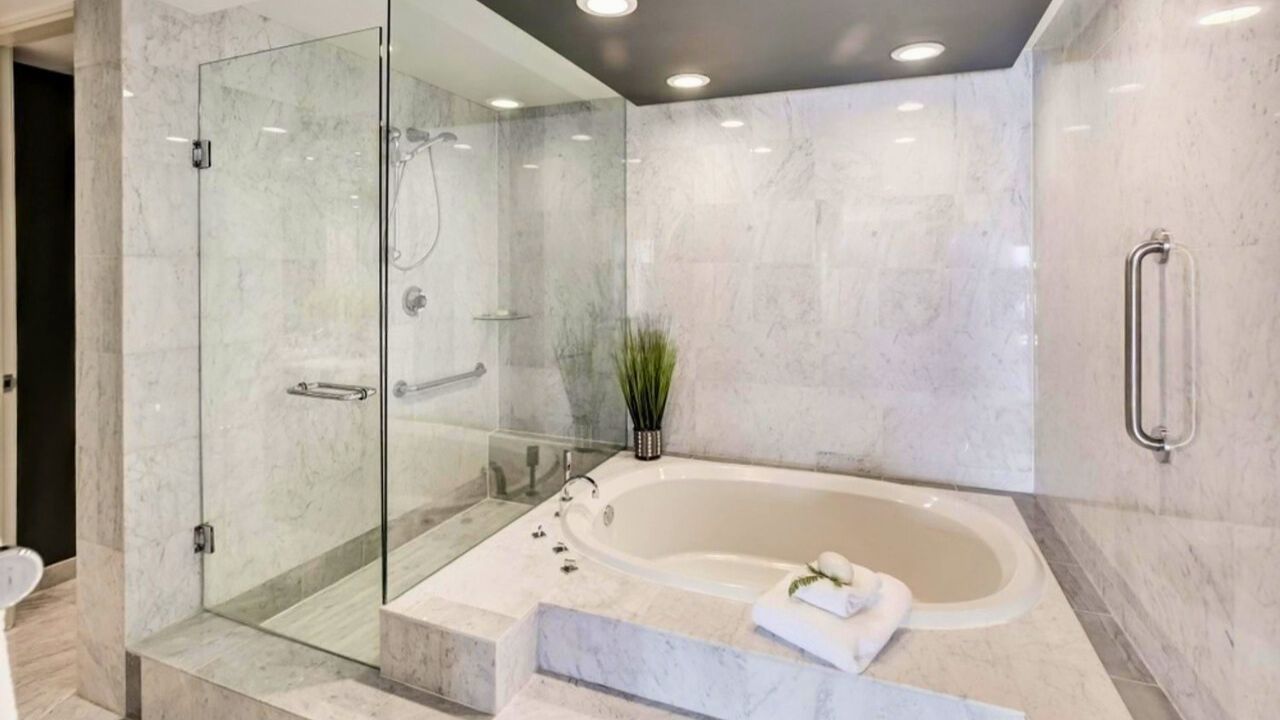
If you love a spa style bathroom, you are probably picturing floor to ceiling tile, a walk in shower, and maybe even a wet room layout where water can splash freely. Inspectors say that when this look is built like a movie set instead of a waterproof envelope, it becomes the classic repeat damage trap. Water seeps through tiny gaps in grout and around shower trays and tubs, then disappears into the floor cavity where you cannot see it, so you keep repainting or retiling while the structure quietly deteriorates underneath.
Restoration specialists point out that the real failure often starts at the subfloor, not the tile you can see. Once that layer is saturated, every cosmetic fix sits on a sponge, so the same stains, loose tiles, and soft spots reappear after each “refresh.” Inspectors in damp climates also warn that over time, shower trays and baths develop hairline gaps in seals and grout, which let water travel into walls and floors. Carpentry experts add that many tiled showers never had proper waterproofing behind the tile at all, so moisture simply migrates into framing and subflooring. Once that happens, mold and rot become recurring characters, not one time guests.
Dark, dramatic finishes that hide leaks and mold
At the same time, you are being encouraged to wrap your home in moody, saturated color. Designers note that Dark Colors Still Feel Sophisticated and that they are Evolving into enveloping, color drenched rooms. Exterior and door specialists echo that You can choose moody dark tones for doors and trim, and garage door makers are pushing Dark colors like black, charcoal, and deep brown. The problem, inspectors say, is that when you combine water prone spaces with very dark surfaces, you make it much harder to spot the early warning signs of trouble.
Dark tile and grout in a shower can mask hairline cracks, faint discoloration, and the first signs of Mold growth. Deeply colored floors hide subtle cupping or warping that would be obvious on a pale oak plank. Even exterior doors and trim painted in very dark shades can conceal swelling and hairline splits where water is getting in around thresholds. Inspectors who specialize in water damage say that by the time you notice a soft spot or a musty smell in a dark, “moody” room, the subfloor or framing may already be compromised, which is exactly how you end up repairing the same area multiple times.
Trendy layouts that invite falls and structural stress
Beyond color and finishes, certain layout trends are quietly increasing the odds that you will damage your home simply by living in it. Inspectors describe Sunken living rooms as a classic example. They look architectural and cozy, but that unexpected step down becomes a built in trip hazard, especially when furniture or rugs blur the edge. When people fall, they often slam into railings, drywall, or built ins, which then need repair. Over time, those impacts, combined with minor framing movement around the lowered floor, can create cracks and gaps that invite more moisture and structural issues.
Staircases are another repeat offender. Design driven homeowners sometimes remove or minimize Handrails to keep lines clean, or they install sculptural versions that look great in photos but do not meet basic safety standards. Safety experts remind you that Falling hazards are the most common household accident, and loose or missing rails are high on the list of Household risks inspectors flag. When someone slips on a sleek stair with no proper grip, you are not just facing medical bills, you are also paying to repair dented treads, damaged drywall, and sometimes even cracked tile at the bottom of the flight.
Decor that traps dirt, grease, and moisture in plain sight
Some of the most Instagram friendly trends are also the ones that quietly grind down your finishes day after day. Kitchen pros note that Some of the current kitchen looks, like Open shelving that Many homeowners love, expose every surface to airborne grease and dust. Interior designer Unlike closed cabinetry, open shelves leave dishes and decor constantly coated in residue, which means you scrub them more often and more aggressively. Over time, that extra cleaning wears down finishes, loosens anchors, and can even warp wood shelves, especially in humid kitchens.
Cleaning habits themselves can become part of the damage loop. Professional cleaners warn that when you Perform heavy duty scrubbing too often, you strip protective layers and leave surfaces dull or vulnerable. Homeowners restoring vintage fixtures are told that Any heavy cleaning can take the finish off entirely. In bathrooms, that combination of constant moisture and aggressive scrubbing can open up micro cracks in grout and caulk, which then let water in behind the surface. Inspectors see the pattern: decor that demands constant maintenance, plus harsh cleaning, equals finishes that fail early and let water reach the layers that are expensive to fix.
When aesthetics collide with safety and value
Home inspectors also worry about decor choices that quietly undermine both safety and resale value. Some trends are simply impractical, like carpeting in bathrooms that inspectors still find soaked and musty, or Saying Goodbye to decor Home Trends like Non functional decorations and Fake plants that collect dust. Interior designer Alice Moszczynski, a New York based Interior Designer at Planner 5D, warns that She sees Another trend quietly hurting home values, because buyers see high maintenance, fragile finishes as future repair bills.
Inspectors also flag decor choices that cross into safety systems. Electrical pros warn that a cheap looking fix, like plug in adapters for three prong cords, can be far more serious than it appears. Home inspectors say They flag these adapters because they have seen the aftermath of Ungrounded connections, which can void insurance coverage and lead to fire damage that dwarfs any decor upgrade. More broadly, inspection guides remind you that Home inspectors look for visual cues of major flaws, and that Appearances can be deceptive when decor is used to disguise, rather than solve, underlying problems.
Like Fix It Homestead’s content? Be sure to follow us.
Here’s more from us:
- I made Joanna Gaines’s Friendsgiving casserole and here is what I would keep
- Pump Shotguns That Jam the Moment You Actually Need Them
- The First 5 Things Guests Notice About Your Living Room at Christmas
- What Caliber Works Best for Groundhogs, Armadillos, and Other Digging Pests?
- Rifles worth keeping by the back door on any rural property
*This article was developed with AI-powered tools and has been carefully reviewed by our editors.