Home insurance “prevention tech” is spreading—here’s what that means for homeowners
Home insurance is quietly shifting from paying for disasters to trying to stop them in the first place. Instead of only cutting a check after a burst pipe or break‑in, more carriers now want you to install sensors, cameras, and connected alarms that can spot trouble early. For homeowners, that “prevention tech” trend can mean lower premiums and fewer crises, but it also brings new questions about data, privacy, and who really benefits.
From claims to prevention: why insurers are pushing smart sensors
Insurers have always cared about risk, but prevention technology lets them manage it in real time instead of relying only on historical claims. Smart sensors, part of the broader Internet of Things ecosystem in your home, can track water leaks, temperature swings, smoke, and motion, then send alerts before a minor issue becomes a major loss. That shift from reactive payouts to proactive monitoring is exactly what many carriers are betting on as they look for ways to stabilize costs and keep coverage available in higher risk areas.
Industry specialists describe how these connected devices are already reshaping underwriting and claims. In one analysis, smart sensors are framed as a way to cut both the frequency and severity of losses, which reduces stress for policyholders and improves results for carriers that adopt this kind of Sensor based prevention. The same reporting notes that this is not just a gadget story, it is a strategic move to transform home insurance into a service that constantly watches for risk instead of waiting for you to file a claim.
What “prevention tech” actually looks like inside your home
When insurers talk about prevention, they are not imagining a single magic device, they are picturing a network of Smart tools that quietly monitor your property. At the basic level, that might mean a smart water shutoff valve on your main line, a connected smoke detector in the hallway, and a door sensor on the back entrance. At a more advanced level, it can include whole‑home leak detection, integrated security cameras, and environmental monitors that track humidity or freezing temperatures in vulnerable spots like attics and crawl spaces.
Some carriers are especially focused on water, because non‑weather water damage is one of the most expensive and common home claims. Innovation leaders such as Brian Mumper, who is described as an Innovation Princi in one detailed review, point to smart water technology that can automatically cut off the supply when a leak is detected, turning what would have been a flooded kitchen into a quick cleanup instead. That same analysis, titled in part From Claims and Prevention and framed around How Smart Sensors Are Transforming Home Insurance, highlights how these systems rely on a networked Sensor approach and how much homeowners still need to know about smart water technology before they install it.
How smart devices can cut your risk and your premium
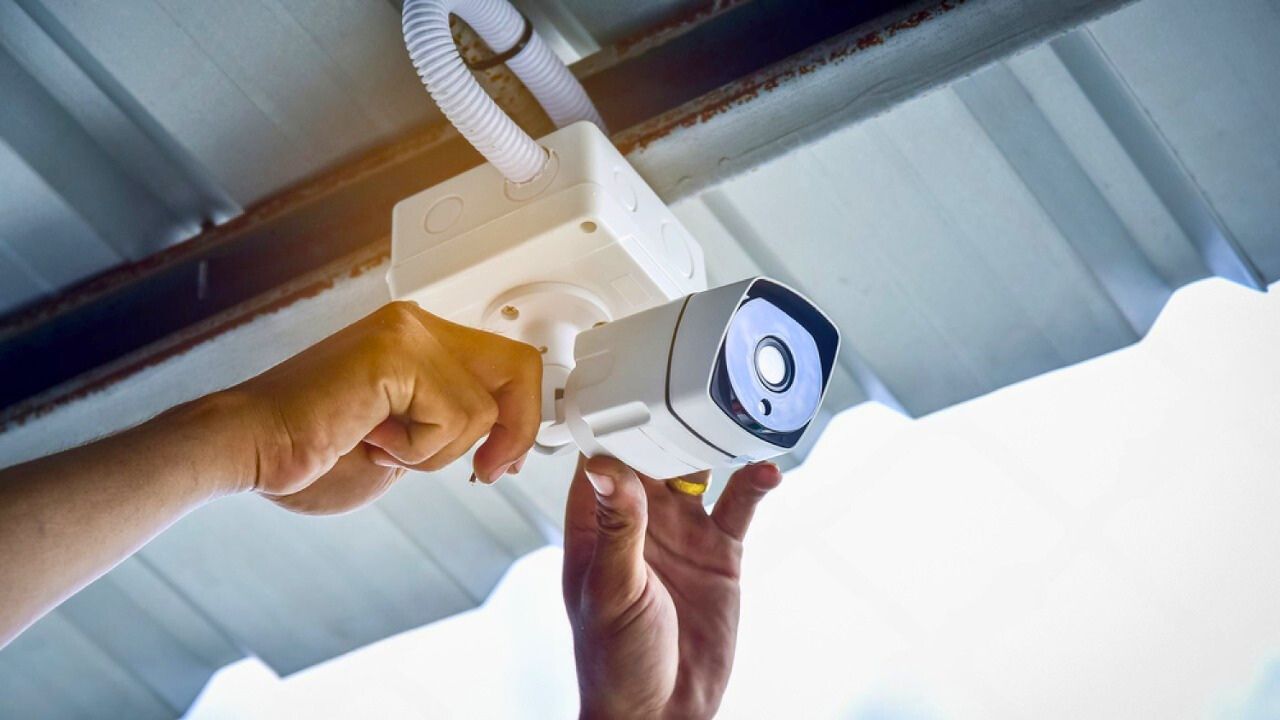
For you, the appeal of prevention tech is simple: fewer disasters and a better shot at keeping your rates under control. Smart home devices like security cameras, motion sensors, and connected locks can provide Enhanced Security that deters burglars and documents what happens if someone does try to break in. When you combine those tools with monitored alarms and environmental sensors, you are not just making your home more convenient, you are directly addressing the kinds of losses that drive up homeowners premiums.
Insurers are increasingly explicit about that connection. Guidance on the Benefits of Smart Home Technology for Home Insurance explains that Smart devices can reduce the likelihood of theft, fire, and water damage, which in turn affects The Impact on Your Premium when you shop for coverage or renew. In practice, that can mean discounts for installing monitored alarms, credits for connected smoke detectors, or preferred pricing when you share proof of a comprehensive system, all grounded in the idea that better data and faster alerts lower the chance of extensive damage or loss in the first place, as outlined in Benefits of Smart Home Technology.
Discounts, incentives, and what insurers really offer
As prevention tech spreads, insurers are turning it into a carrot rather than a mandate, at least for now. Smart home technology offers more than just convenience, it can qualify you for reduced insurance premiums when you install devices that directly address covered risks. That might include a percentage discount for a monitored security system, a credit for smart smoke detectors, or a break on your deductible if you agree to share certain sensor data with your carrier.
Some companies spell out those incentives in detail. One breakdown of The Connection Between Smart Home Technology and Insurance Discounts notes that Smart home insurance discounts are becoming more common as carriers compete for tech‑savvy customers, and that Insurance companies offer smart home incentives specifically to encourage you to invest in smart home upgrades that reduce claims. The same guidance explains that these offers are not uniform, so you need to ask how your devices will be classified and whether they qualify for the kind of Smart home insurance discounts and other savings that are now being marketed to households that embrace prevention.
Fire, water, and security: where prevention tech already shines
Not every gadget delivers the same value in the eyes of insurers, and three categories tend to stand out: fire, water, and security. Smart smoke detectors go beyond the Traditional beeping disc on your ceiling by sending alerts to your phone, integrating with other devices, and in some cases notifying monitoring centers that can dispatch help. That kind of early warning can be the difference between a scorched pan and a structural fire, which is why carriers are increasingly willing to recognize connected alarms as a meaningful risk reducer.
Security systems and smart locks are another focus. Detailed guidance on How Do Smart Smoke Detectors Protect Your Home explains how smart detectors and related devices fit into a broader ecosystem of smart security, while separate advice on How Do Smart Devices Help highlights how integrated systems make it easier than ever before to manage alarms, cameras, and access control from a single app. When you combine those tools with smart water shutoff valves and leak sensors, you are building a layered defense that can prevent small issues from turning into major claims, a pattern that aligns with how smart devices for homeowners are being promoted by insurers and banks that see fewer losses as a win for everyone.
How much can you actually save with prevention tech?
Even if you like the idea of a smarter, safer home, the cost of devices and installation is real, so the natural question is how much you can recoup through insurance. Some carriers outline specific ranges, such as up to 15 percent off for Full home security systems that include monitored alarms, cameras, and smart locks. Others offer smaller but still meaningful credits for individual devices, like a connected smoke detector or a water leak sensor in a finished basement, especially when those tools are part of a Comprehensive package that addresses multiple risks.
One overview of how smart tech affects premiums notes that comprehensive home security systems offer some of the largest discounts, particularly when they are professionally monitored and integrated with other Smart devices that can lock doors or adjust lighting if you forgot to lock the door. Another analysis of The Impact of Smart Home Gadgets on Homeowners Insurance Costs explains that smart home tech can reduce the likelihood of extensive damage or loss, which is why insurers are willing to share some of the savings with you through lower rates. Taken together, these reports suggest that while prevention tech will not make your policy free, it can meaningfully reduce what you pay over time, especially if you invest in a full suite of smart tech that can protect your home.
Where the biggest savings and risks show up in practice
In practice, the most attractive savings often show up in areas where claims are both frequent and expensive, such as water damage and theft. Analyses of The Rise of Smart Home Technology point out that Smart devices like leak sensors, automatic shutoff valves, and connected cameras can significantly reduce the chance that a small problem turns into a full‑blown claim. When you prevent a pipe leak from soaking your hardwood floors or deter a burglary with visible cameras and smart locks, you are not just avoiding hassle, you are helping your insurer avoid a large payout, which is why they are willing to reward those investments.
Several insurers now highlight how security systems and smart locks can lead to lower insurance premiums, especially when they are professionally monitored and installed in higher risk neighborhoods. One breakdown of how smart home devices can reduce your insurance rates explains that Security Systems and Smart Locks are often treated as core risk‑mitigation tools, not optional extras, because they directly address common loss scenarios. At the same time, guidance on the Impact of Smart Home Gadgets on Homeowners Insurance Costs emphasizes that the real financial benefit comes from avoiding the disruption and expense of extensive damage or loss in the first place, a point that is reinforced in The Impact of Smart Home Gadgets.
California, wildfires, and the rise of community‑level tech
Nowhere is the push toward prevention more visible than in states facing climate‑driven disasters, and California is a prime example. As wildfire seasons grow longer and more intense, homeowners and insurers are looking beyond individual smoke detectors to tools that can monitor conditions across neighborhoods. Smart Home Devices and Their Impact on Home Insurance Discounts in California are now part of a broader conversation about how to keep coverage available in high‑risk zones while still pricing policies sustainably, and Understanding Smart Home Devices is becoming essential for households that want to qualify for the best terms.
Some of the most ambitious efforts go beyond single homes and into community collaboration. In one discussion on All Things Wildfire, a segment titled Why Firebird Matters The Firebird describes how the Firebird device adds a crucial layer to fire detection by supplementing traditional alert systems with real‑time environmental data. That conversation emphasizes that Position in the landscape matters, because sensors placed strategically around a community can spot smoke or heat signatures earlier than any one homeowner could. For you, that means prevention tech is no longer just a gadget on your wall, it is part of a shared network that can influence evacuation timing, firefighting response, and ultimately how insurers evaluate wildfire risk, as highlighted in Why Firebird Matters The Firebird.
Privacy, AI, and what you should watch before you plug in
For all the upside, prevention tech also raises hard questions about how much of your home life you are willing to share. As more devices feed data back to insurers, artificial intelligence systems are increasingly used to analyze video, sensor readings, and behavioral patterns. One legal and policy review of The Rise of AI and Surveillance in Homeowners Insurance notes that, on the one hand, these tools can help carriers tailor coverage and pricing more precisely, but on the other hand they can create new forms of discrimination or exclusion for certain groups of homeowners if the algorithms are not carefully designed and monitored.
That same analysis flags another concern, the lack of clear rules about how long data is stored, who can access it, and how it might be used beyond underwriting and claims. For you, that means prevention tech is not just a financial decision, it is a trust decision, and you should be asking pointed questions about data retention, sharing with third parties, and what happens if you later decide to disconnect your devices. The implications for policyholders are significant enough that experts urge regulators to step in so homeowners can feel confident in their coverage and in the safeguards around their information, a theme that runs through the discussion of Implications for policyholders.
How to decide which prevention tech is worth it for you
With so many devices and incentives on the market, the most practical step you can take is to match technology to your specific risks and your insurer’s actual discounts. Many insurers offer discounts between defined percentage ranges for certain devices, and some analyses estimate that widespread adoption of smart leak detectors and other tools could save insurers $5.2 billion annually in avoided losses. That scale of potential savings is why Smart Home Technology is now framed as a core part of How it Affects Your Property Insurance, not a side perk, and why you are likely to see more aggressive marketing of prevention bundles in the years ahead.
To make the math work in your favor, start by asking your carrier which devices qualify for credits and how they verify installation. Some companies in California, for example, explicitly promote smart home devices and their impact on home insurance discounts for households that invest in them, while others focus more on security systems and smart locks that lead to lower insurance premiums. Guidance from agencies that specialize in this space, including those that explain how Security Systems and Smart Locks can reduce your insurance rates and how Understanding Smart Home Devices can help households that invest in them, underscores that prevention tech is most valuable when it is part of a deliberate plan rather than a random collection of gadgets. That perspective is echoed in advice that Smart home technology is no longer a novelty but a practical way to unlock insurance discounts for homeowners who invest in prevention, as described in smart home tech unlocking insurance discounts.
Supporting sources: From Claims to Prevention: How Smart Sensors Are …, From Claims to Prevention: How Smart Sensors Are …, Modernizing Your Home: How Smart Technology Impacts …, The Connection Between Smart Home Technology and …, The Connection Between Smart Home Technology and …, How They Protect Your Home and Lower Insurance Costs, How Smart Tech Can Protect Your Home, Reduce Your …, The Impact of Smart Home Gadgets on Homeowners Insurance Costs, Smart Home Tech: Unlocking Insurance Discounts, Smart Home Technology: How it Affects Your Property Insurance, How Smart Home Devices Can Reduce Your Insurance Rates, Smart Home Devices and Home Insurance Discounts in California, The Future of Homeowners and Property Insurance: Navigating AI, …, All Things Wildfire Podcast – Spotify.