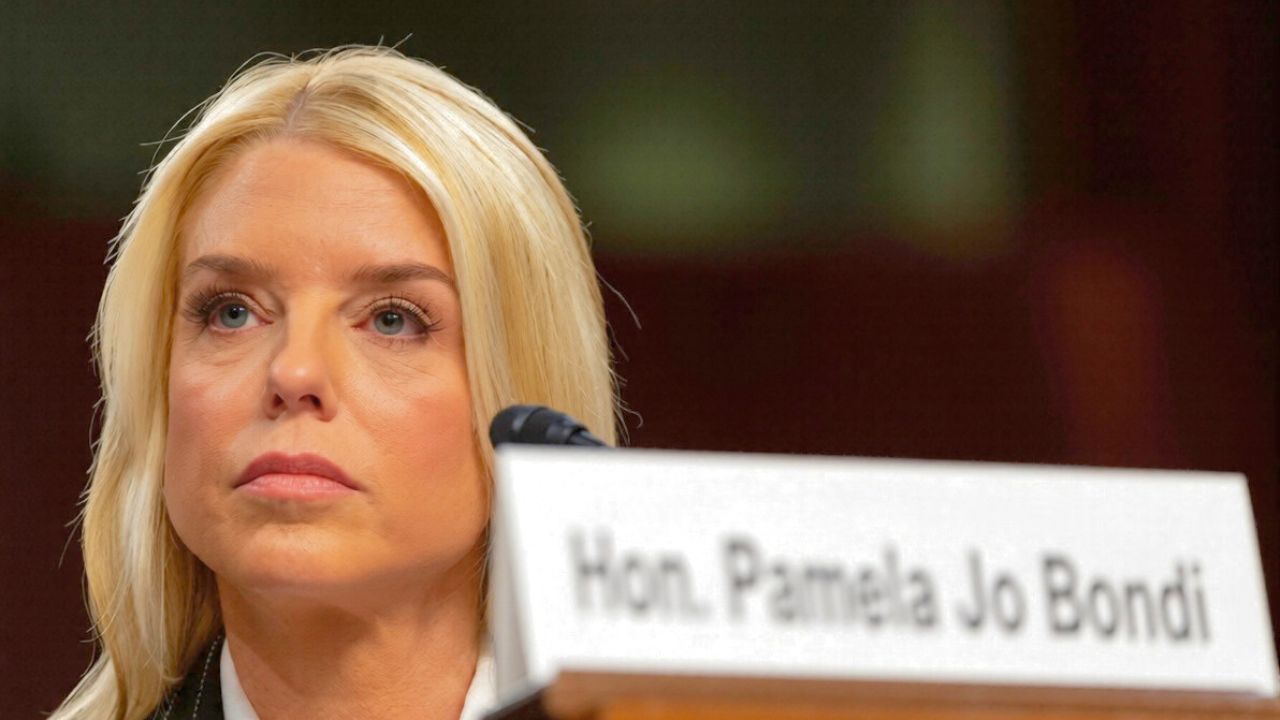
House Democrats hammer Bondi over DOJ handling tied to Epstein survivors’ privacy claims
WASHINGTON — House Democrats intensified criticism of Attorney General Pam Bondi this week, arguing the Justice Department’s handling of Jeffrey Epstein-related files has compounded harm to survivors by exposing sensitive information while failing to provide clear answers about who else may face accountability.
During a House Judiciary Committee oversight hearing, Democrats pressed Bondi on how the department has managed access, redactions and disclosures related to Epstein documents, with several lawmakers focusing on survivor privacy and the risk of re-traumatization. PBS NewsHour reported that the Epstein files dominated the hearing’s biggest moments and drew sustained questioning from members.
The criticism sharpened after reports that identifying details about survivors were made public while other information was withheld. Democrats argued that approach reflects misplaced priorities — and demanded clarification about the department’s standards for redactions and the safeguards used when handling victim-related material.
A separate dispute over alleged monitoring of lawmakers’ review activity added to Democrats’ complaints. CBS News reported that Rep. Pramila Jayapal accused Bondi of “spying” on her search history while she reviewed Epstein-related documents, after Bondi was seen with what appeared to be a list of Jayapal’s searches during the hearing. Axios reported that Reps. Jamie Raskin, Robert Garcia and Jayapal later sent Bondi a letter demanding the Justice Department “immediately cease” what they described as a surveillance operation targeting members of Congress.
Democrats framed that allegation as part of a broader concern that the department is controlling access and information flows in a politically charged way, while Bondi and allies have said the department is operating within appropriate procedures.
The hearing also underscored the political intensity surrounding Epstein-related questions, which have generated pressure from both parties. While Democrats highlighted victim privacy and DOJ decision-making, some Republican lawmakers and outside conservative figures have also demanded fuller transparency and criticized the department’s approach.
The Justice Department has not publicly released detailed explanations for every redaction and disclosure decision tied to the Epstein materials, and the department’s posture has become part of the oversight fight itself. Democrats argue a credible process must protect survivors while also ensuring Congress can conduct meaningful review without intimidation or monitoring.
The Judiciary Committee is expected to continue seeking documents and briefings as lawmakers push for clearer rules on how sensitive files are handled and what protections exist for victims whose information may appear in records reviewed by Congress.