How I made the room feel less cold after choosing the wrong white paint
Many homeowners discover too late that the “perfect white” on a paint chip can leave a finished room looking icy, flat and uninviting. Once the walls are up, though, the fix rarely requires a full repaint, because the right mix of light, texture and color accents can shift a space from clinical to calm.
More designers now treat a misjudged white not as a disaster but as a neutral backdrop that can be warmed with strategic styling, from layered textiles to carefully chosen bulbs and art.
When the wrong white turns a room cold
The problem usually starts with undertone. Cool whites with a blue or gray base often read crisp in a showroom, yet in a north-facing living room they can feel “icy” and amplify every shadow. That effect intensifies at night if overhead fixtures rely on bright, cool LEDs.
Color specialists warn that whites and neutrals shift dramatically with changing daylight and bulbs, which is why many recommend a simple light test before painting entire walls. Once the paint is already up, the same principle can guide the fix: adjust the light first, then layer in warmer surfaces.
Start by fixing the lighting
Several designers argue that when a room feels sterile, the paint is often not the main culprit. If the space relies on a single ceiling fixture or very cool bulbs, the white will skew harsh regardless of undertone, so they advise “warming up the lighting” before anything else.
Guides to all-white living rooms stress that layered light, including table lamps, floor lamps and sconces, creates depth and softness, especially when paired with warmer bulbs that sit at the lower end of the Kelvin range. Warmer 2700K bulbs tend to make colors feel cozier, while higher, cooler temperatures can leave the same walls looking flat and overly bright.
Paint experts explain that artificial lighting can change how paint colors appear, and that warmer bulbs will pull out cream and beige notes while cooler ones highlight blue or gray undertones, a shift that can be dramatic in a room that already feels cold. Their guidance on how lighting affects effectively treats bulbs as a second chance at choosing the right white.
Decorating advice for white walls reinforces the same message, noting that a minimalist, cool-toned white room can look bright in daylight but stark at night, and that choosing warm lighting is one of the fastest ways to make the space feel more inviting. Recommendations to choose warm lighting are framed as a first-line correction, not an afterthought.
Layer texture so the white recedes
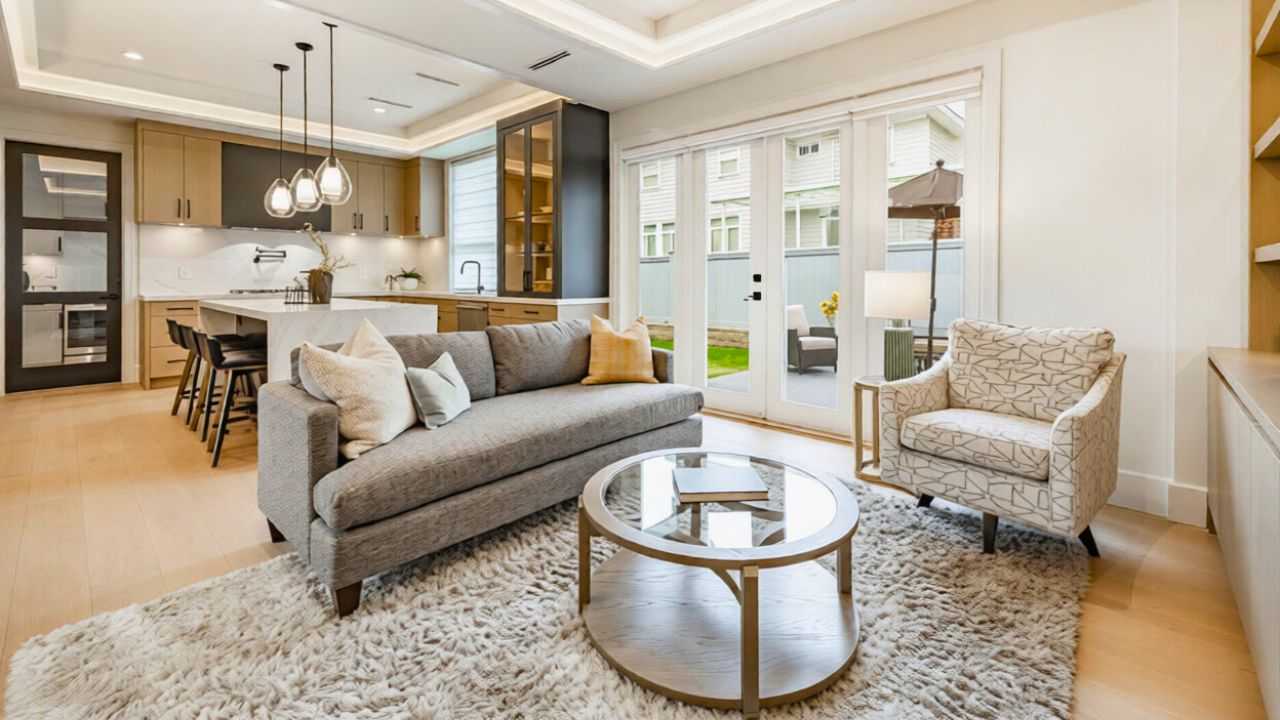
Once the light is softened, designers turn to texture. One detailed guide to all-white living rooms argues that “layers” create visual interest and warmth, recommending a mix of chunky knits, linen, boucle and natural fibers so the eye lands on surfaces rather than stark walls. That approach treats the white as background while textiles carry the mood.
Another source focused on an all-white room without repainting states that it is “all about the layers” and that patterns, textures and colors can offset a cool-toned white within a neutral family. By stacking rugs, pillows and throws in sand, camel and greige, homeowners can effectively re-tint the room without touching the paint.
Advice on warming up white decor also highlights wood as a key material. One stylist recounts a “when I was building” story about spotting a magazine photo that paired white surfaces with warm timber, then credits that mix of wood and soft furnishings with making an otherwise cool palette feel comfortable.
Guidance tailored to white walls specifically also leans on wall art. One designer, Matilda Martin, explains that wall art is one of the easiest ways to bring warmth and personality to white walls, especially when combined with considered lighting, both natural and artificial. Her comments on how to warm frame art as both color and texture, since frames, mats and canvases all add layers.
Add color in controlled, warm doses
Color strategy becomes the next lever. Experts on white living rooms recommend that when adding color, homeowners look for warmer tones that play well with the existing white, rather than introducing more cool blues or grays that repeat the problem. They suggest earthy neutrals, muted terracotta and soft browns to bridge between cold walls and cozy furnishings.
Color pairings for white also point to specific hues such as blue, yellow, plum and brown as options that do not feel too stark when balanced correctly. These guides argue that rich browns and rusts, along with terracotta, are excellent choices for grounding white walls and preventing a space from feeling washed out.
Social media advice aimed at white houses echoes the same palette. One reel framed around “having a white house” insists that it does not have to be boring and demonstrates a few ways to warm up white walls with natural textures and warmer accent colors, effectively using decor to correct a paint decision.
Use mirrors, plants and personal pieces
Reframing a paint mistake as a design asset
Like Fix It Homestead’s content? Be sure to follow us.
Here’s more from us:
- I made Joanna Gaines’s Friendsgiving casserole and here is what I would keep
- Pump Shotguns That Jam the Moment You Actually Need Them
- The First 5 Things Guests Notice About Your Living Room at Christmas
- What Caliber Works Best for Groundhogs, Armadillos, and Other Digging Pests?
- Rifles worth keeping by the back door on any rural property
*This article was developed with AI-powered tools and has been carefully reviewed by our editors.