How inflation is reshaping the way people maintain their homes
Inflation is no longer just a line on an economic chart, it is quietly rewriting the rules of homeownership. As everyday costs climb, people are rethinking how they repair, upgrade, and even live in their homes, trading splashy renovations for strategic maintenance and hard choices about what can wait.
I see a clear pattern emerging: homeowners are spending more to stand still, paying higher prices to keep aging properties safe and functional while postponing big dreams. That shift is reshaping everything from the projects they prioritize to the way they shop for contractors, insurance, and even building materials.
From dream projects to defensive spending
The first big change is psychological. Instead of treating their homes as canvases for constant improvement, many owners now treat them as assets that must be defended against rising costs. Surveys in Angi’s State of Home Spending Pulse show homeowners delaying projects and concentrating on basic upkeep, a pivot from aspirational remodels to essential maintenance. That defensive mindset is a rational response to inflation, which has made everything from lumber to labor more expensive and turned once-routine upgrades into budget-busting decisions.
At the same time, the hidden price of simply owning a house has climbed sharply, which leaves less room for discretionary work. One recent analysis found that hidden homeownership costs, from taxes and utilities to routine repairs, hit $21,000 a year in 2025, a figure that has surprised many people who assumed the big hit ended at closing and that underscores how Buying a home is only the start of the financial commitment. But those rising outlays are not optional, so owners are trimming or shelving nonessential projects to keep up with the basics.
Costs that outpace inflation, and what that does to priorities
Even as overall inflation has cooled from its peak, the specific costs tied to home repair and remodeling have continued to run hotter. Reporting on construction and materials shows that home renovation spending still rose 0.5% to $513B in the first quarter of 2025, a sign that people are paying more even when they are not necessarily doing more work, and that the 0.5% increase is being driven by higher prices as much as by new demand. Nearly half of U.S. homes were built before 1980, which means a huge share of the housing stock is hitting the age when roofs, plumbing, and electrical systems all start needing attention at once.
Those structural realities collide with a second trend: the cost of repairs and remodels has been rising faster than general inflation. Analyses of contractor estimates and material prices show that Home repair and remodeling costs have outpaced inflation, putting extra pressure on households that already feel squeezed. When the price of a new bathroom vanity or a simple drywall patch jumps more than groceries or gas, owners start triaging: patch the leak now, repaint later; replace the failing furnace, but live with the dated kitchen another year.
Inflation and labor shortages: why every fix feels pricier
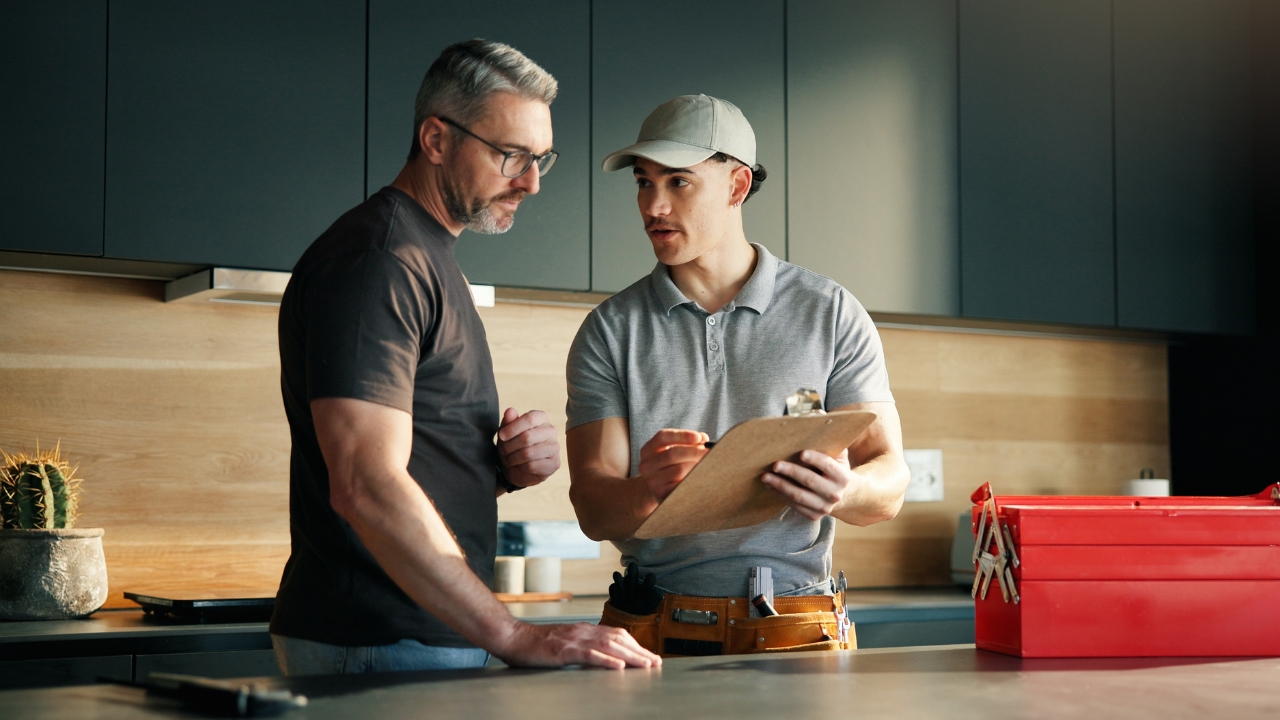
Behind those numbers sits a stubborn mix of inflation and labor shortages that makes every project more expensive and harder to schedule. Analysts point to a combination of higher material prices, elevated borrowing costs for contractors, and a shortage of skilled tradespeople as the main drivers, a dynamic summed up in the blunt framing of Inflation and Labor Shortages. Although the Federal Reserve has tried to tame inflation, the lag in construction supply chains and the time it takes to train new electricians, plumbers, and HVAC technicians means homeowners are still paying a premium when they need to call in a professional.
That premium is not just a line item, it changes behavior. I hear more stories of people attempting DIY fixes they would once have outsourced, from installing their own vinyl plank flooring to watching YouTube tutorials on replacing a garbage disposal. Some succeed, but others end up calling a contractor anyway, now to fix both the original problem and the failed repair, which only reinforces the sense that every misstep is costly in this environment. The result is a more cautious, research-heavy approach to even modest jobs, with owners comparing multiple bids, checking apps like Thumbtack and Taskrabbit, and stretching timelines to match their cash flow.
When standing still gets more expensive
Inflation is also punishing homeowners who are not planning any big changes at all. The Cost of Standing Still is that when prices rise, everything around the house shifts, from tax bills to insurance premiums, so even people who are not renovating feel the squeeze. One analysis of how 2025 inflation affects owners with no plans to renovate notes that When inflation rises, Property taxes go up, Insurance premiums climb, and the cost of basic services like landscaping or pest control follows suit.
That reality is forcing a reprioritization of what “maintenance” even means. Instead of thinking only about physical upkeep, owners are now budgeting for financial maintenance too, shopping around for cheaper coverage, contesting assessments, and installing safety features that might lower premiums. In some cases, they are delaying noncritical upgrades that could improve comfort or aesthetics in order to keep up with rising fixed costs, a tradeoff that can leave homes feeling stuck in time even as the bills grow.
Delayed upgrades and rising safety risks
One of the more worrying side effects of inflation-driven belt tightening is the backlog of critical repairs that are being postponed. Reports on home insurance trends describe American households living with leaky roofs, outdated electrical systems, and aging furnaces longer than they should, even when those American upgrades could lower premiums and reduce the risk of catastrophic damage. From the insurer’s perspective, that is a growing exposure; from the homeowner’s, it is a gamble that the roof will hold one more winter or the breaker panel will not fail under the strain of a new EV charger.
Ironically, the same inflation that makes people delay planned work is driving up what they spend when something finally breaks. Local reporting has highlighted how, Because of rising costs for building materials, construction, labor and high interest rates, we are seeing more homeowners increase spending on unexpected home maintenance, a trend captured in the phrase Because of rising costs. In practice, that means a neglected leak can turn into a mold remediation job, or a deferred electrical upgrade can become an emergency call after a partial outage, with a bill that dwarfs what proactive work would have cost.
Smaller projects, more maintenance, and the “stay put” economy
Retailers are seeing the shift in real time. Home Depot executives have said that customers are putting off larger home improvement projects as stubborn interest rates and worries about the economy linger, and that Home Depot shoppers are gravitating toward smaller, bite-size projects instead. That lines up with what I hear from contractors who now field more calls for patching, resealing, and partial replacements than for full kitchen overhauls or additions.
At the same time, high mortgage rates and economic uncertainty are keeping people in place longer, which only heightens the focus on upkeep. Amid high interest rates and economic uncertainty, more Americans are choosing home improvement over moving, opting to enhance their current properties instead of trading up, a pattern captured in reporting that begins with the word Amid. That “stay put” economy means owners are thinking in longer time horizons, investing in roofs, windows, and mechanical systems that will last, even if it means postponing cosmetic upgrades.
Budgets under pressure and the new calculus of readiness to spend
Underneath these choices is a more disciplined, sometimes reluctant, approach to spending. Research into Homeowner Readiness to Spend on Home Improvement Projects in 2025 and 2026 points to tighter budgets and rising remodeling costs as key reasons people are more cautious, with Top Trends showing that inflation and interest rates will continue to have an impact in 2026. I see that playing out in the way households now phase projects over several years, prioritize energy efficiency upgrades that promise lower utility bills, and lean on financing tools like home equity lines only when they are confident about job security.
At the same time, the broader housing market is reinforcing the impulse to hold on to what you have. Analysts have noted that a rush to add rental supply is colliding with homeowners’ resistance to sell their properties, a dynamic that Business Insider has tied to locked-in low mortgage rates and uncertainty about future prices. If selling is off the table, then the only lever left is how, and how much, to invest in the home you already own, which makes every maintenance decision feel more consequential.
Preventive design and “durable home” thinking
One of the more constructive responses I see is a shift toward designing and maintaining homes to need less work over time. Instead of simply reacting to problems, owners are embracing the idea of a durable home, where materials and systems are chosen for longevity and low upkeep. Guides on how to create such a space emphasize that, Unfortunately, being the master of all the maintenance in that domain can grow tiresome, but that Unfortunately proactive, preventive work, like regular inspections and timely filter changes, can reduce costs over the long run.
In practice, that means more people are paying attention to things like flashing details around windows, the quality of caulking in bathrooms, and the condition of sump pumps and gutters. They are choosing metal roofs over asphalt shingles, composite decking over wood, and LED lighting over halogens, not just for aesthetics but because they know replacement cycles are expensive in an inflationary world. I see a growing willingness to pay more upfront for products that promise fewer headaches later, a mindset that aligns with the broader trend of treating maintenance as an investment rather than a chore.
Anxious homeowners and the emotional toll of rising repair bills
All of this has an emotional dimension that is easy to overlook. Surveys of homeowner sentiment show that increasing costs remain top of mind, with many people citing home repairs, maintenance, and insurance as their top worries for 2024, concerns captured in the In the 2023 Housepower Report. That anxiety shows up in conversations about whether to buy older homes that may need work, in the popularity of home warranty products, and in the way people talk about “surprise” expenses that no longer feel rare.
For many, the stress is not just about the size of the bills, but about the unpredictability. A car payment or streaming subscription is fixed and knowable; a failing water heater or a cracked foundation is not. In an era when Home Repair, Remodeling Costs Outpace Inflation, as one analysis of Verisk Property Estimating Solutions data put it, the fear is that the next surprise will arrive before the last one is paid off, a reality that the phrase Home Repair captures succinctly. That is pushing some owners to build larger emergency funds, delay discretionary spending in other parts of their lives, or even reconsider whether owning is worth the volatility compared with renting.
Where the maintenance economy goes next
Looking ahead, I expect the maintenance-first mindset to deepen rather than fade. With renovation spending still rising, as The Blueprint reported when it noted that Home renovation spending rose 0.5%, to $513B in early 2025 and that Nearly half of U.S. homes were built before 1980, the structural forces pushing owners toward more frequent and more expensive upkeep are not going away. Aging housing stock, climate stress, and a still-tight labor market will keep the pressure on.
At the same time, I see room for smarter tools and policies to ease the burden. Better data on repair cycles, more transparent contractor pricing, and targeted incentives for safety and efficiency upgrades could help households plan instead of react. For now, though, inflation has already reshaped the way people care for their homes: less about chasing the next big project, more about preserving what they have, one carefully budgeted repair at a time.