How many of these boomer-era habits are still hanging on in your house?
Some “old-school” habits are still smart. Others are hanging around because no one ever questioned them. You don’t have to throw out everything that reminds you of your parents’ or grandparents’ houses, but it helps to notice what you’re still doing on autopilot.
If your house feels heavier or more cluttered than you like, a few of these habits might be the reason.
Saving every butter tub and plastic container
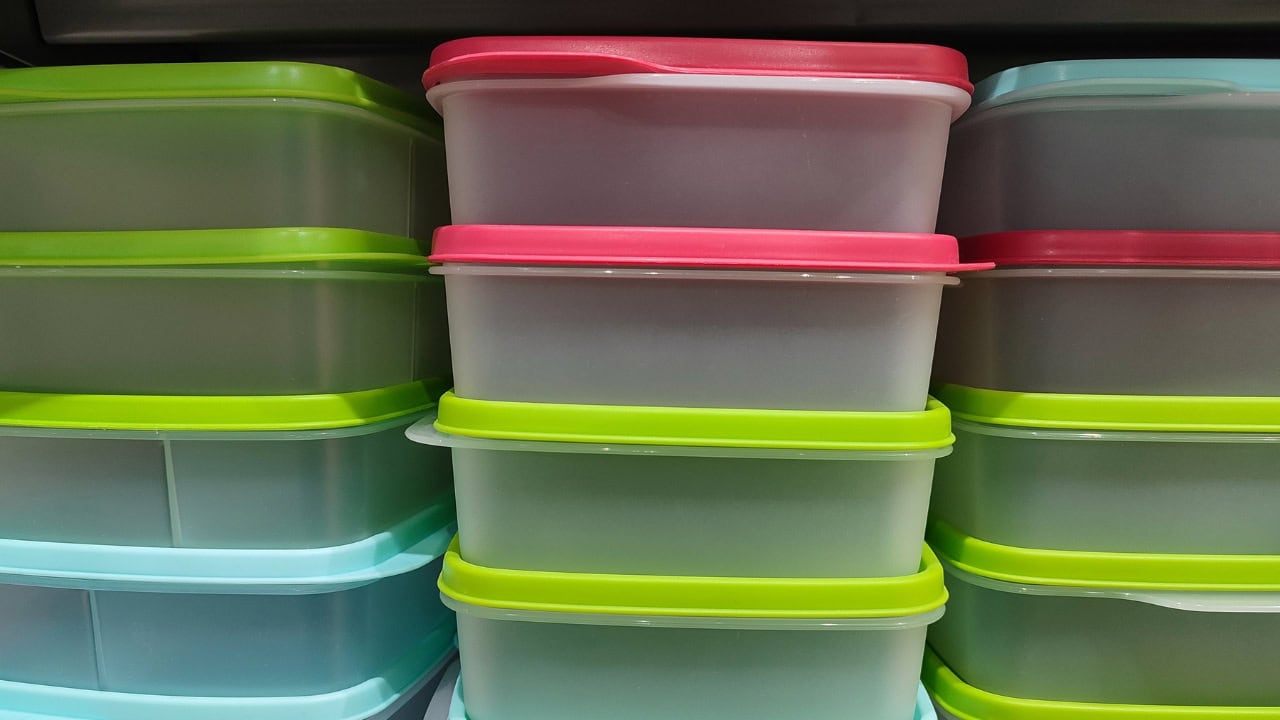
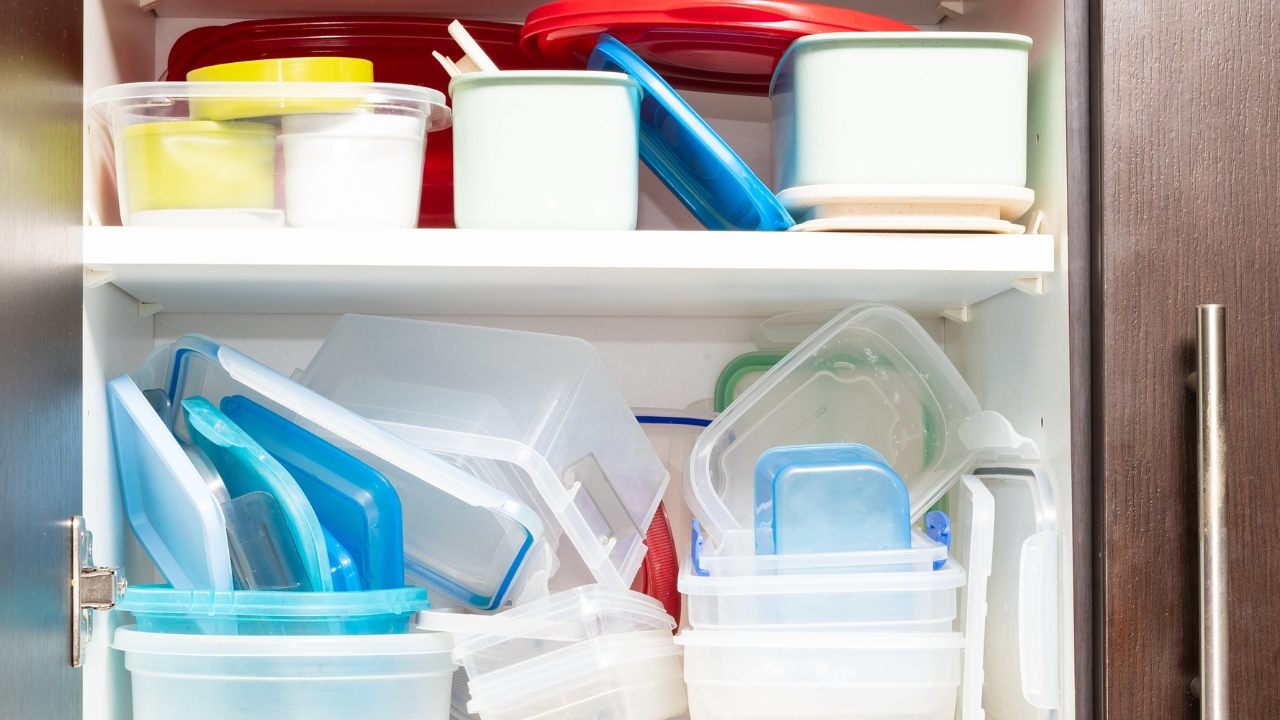
A small stash of extra containers is handy. A whole cabinet that explodes every time you open it is a different story. A lot of us grew up in homes where every butter tub, yogurt container, and takeout box got washed and kept “just in case.”
These days, most people have plenty of actual food storage containers. Keep a few sturdy extras for sending leftovers home with guests and recycle the rest. You’ll open that cabinet without ducking.
Stashing plastic bags in a giant “bag of bags”

The famous bag of bags is a classic. One was useful when plastic grocery bags were everywhere. Now most families have reusable totes, and many stores have changed bag types anyway.
If a bag of bags is taking over the pantry, cull it. Keep enough for cat litter, bathroom trash cans, or muddy shoes and let the rest go. A small organizer or dispenser does the same job without eating half your shelf.
Keeping “good” towels and sheets no one is allowed to use
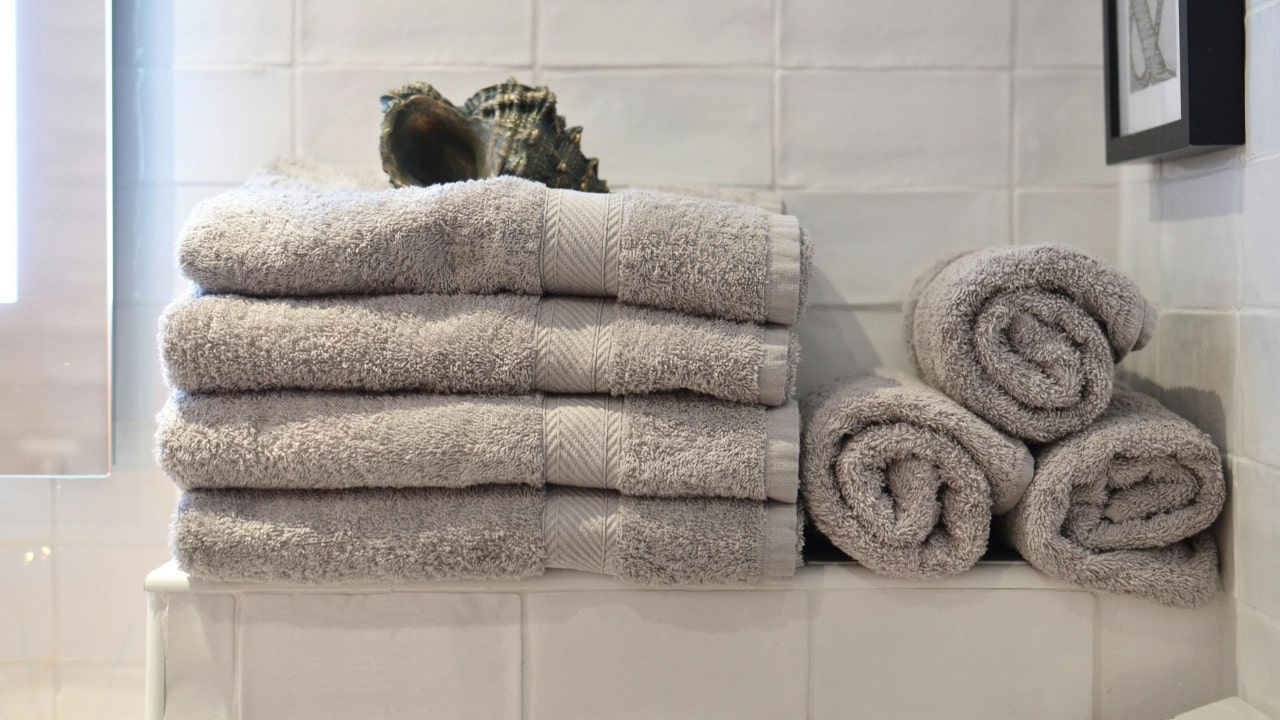
Saving things for company made sense when money was tight and wear-and-tear was constant. The problem is, a lot of us still do it—and end up using scratchy old towels while the nice ones sit folded.
If you’re storing the “good” set for guests who come twice a year, it might be time to flip that around. Use the nice things in your daily life and keep one backup set for guests. You’ll enjoy your own home more.
Treating the living room as a museum
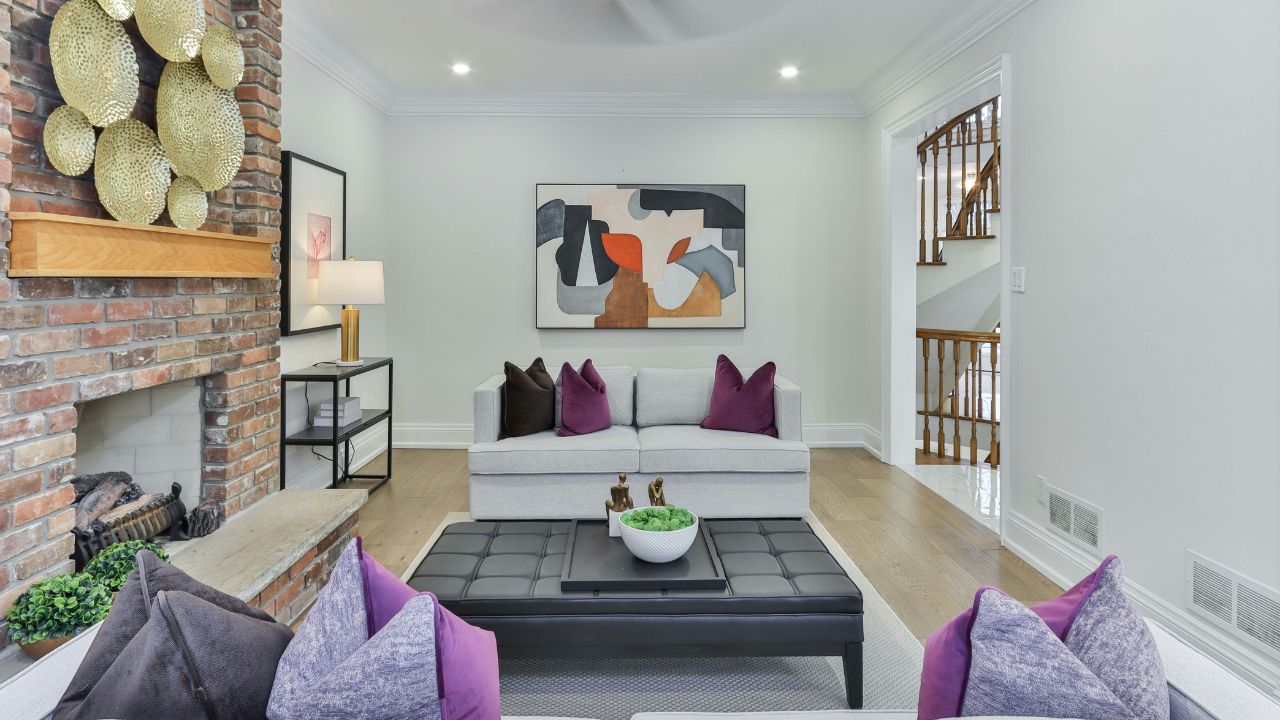
The formal living room that kids weren’t allowed to touch worked in a different era. Now, space is expensive. A whole room you don’t use is a waste of square footage.
If you have a “pretty” room no one ever sits in, think about what would make it useful: a second TV zone, a reading room, a play space, or even a big office. Furniture can still look nice and be used. It doesn’t have to be one or the other.
Covering furniture with plastic or heavy covers
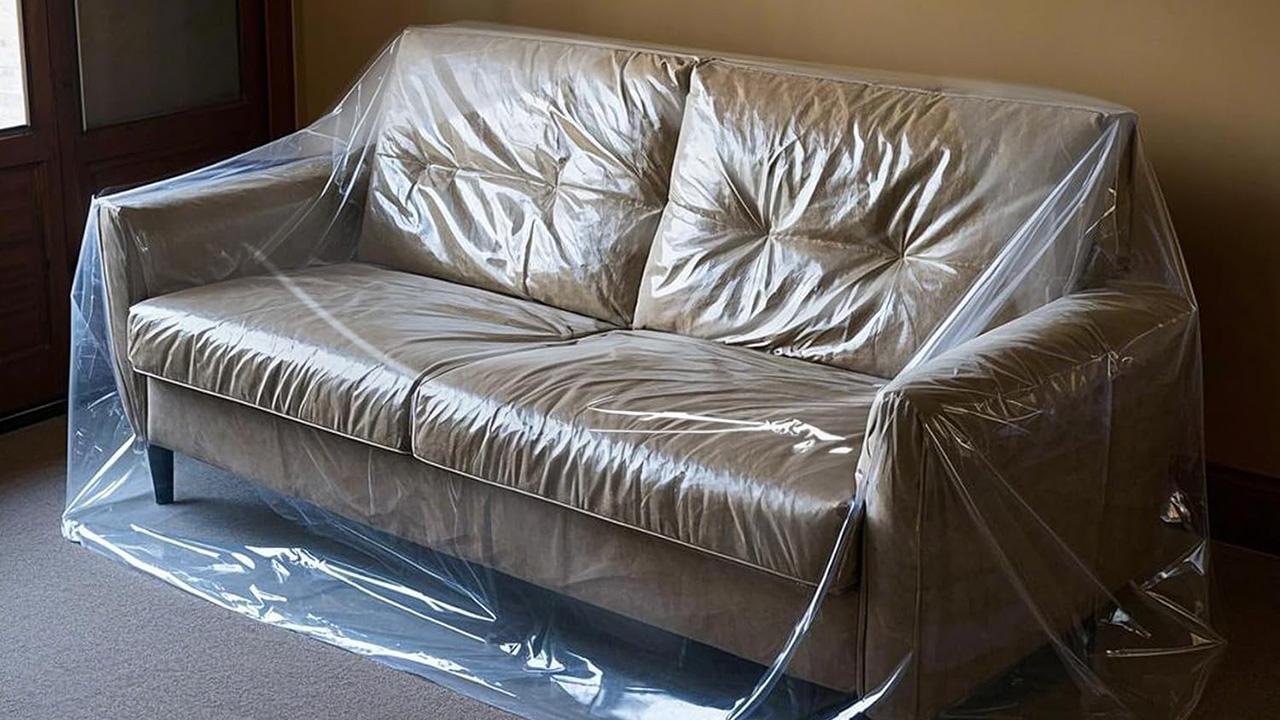
Protecting furniture made sense when you saved up for months for one sofa. Plastic covers and stiff protectors kept it “new” forever, but no one actually liked sitting on them.
Instead of wrapping everything in plastic, choose durable fabrics and washable slipcovers. You can still protect your investment without sweating through a visit.
Filling every surface with knickknacks and framed photos
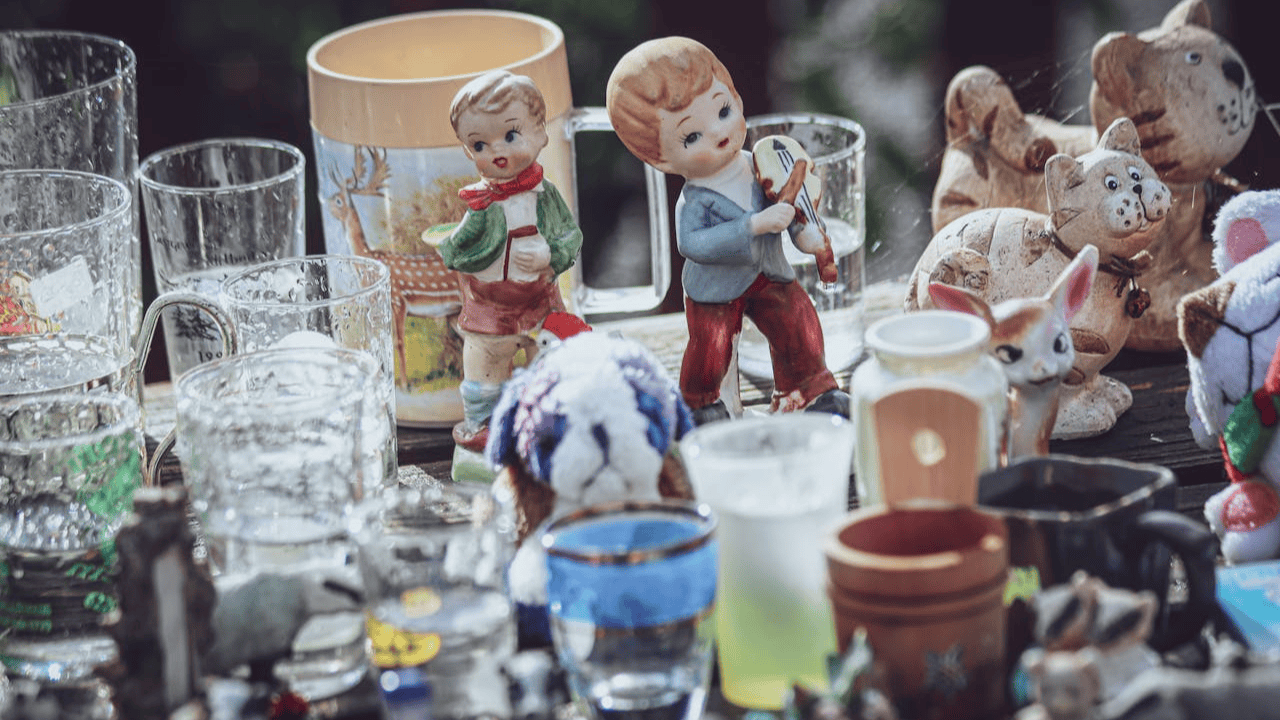
A few sentimental pieces are great. When every flat surface is packed with figurines, silk flowers, and frames from three decades, your house feels busier than it needs to. Dusting becomes a full-time job.
Try giving each room one or two display spots—maybe a bookshelf, the mantel, or a sideboard. Rotate favorite pieces instead of keeping everything out all the time. You’ll appreciate them more when they’re not lost in a crowd.
Keeping every single piece of mail “for now”
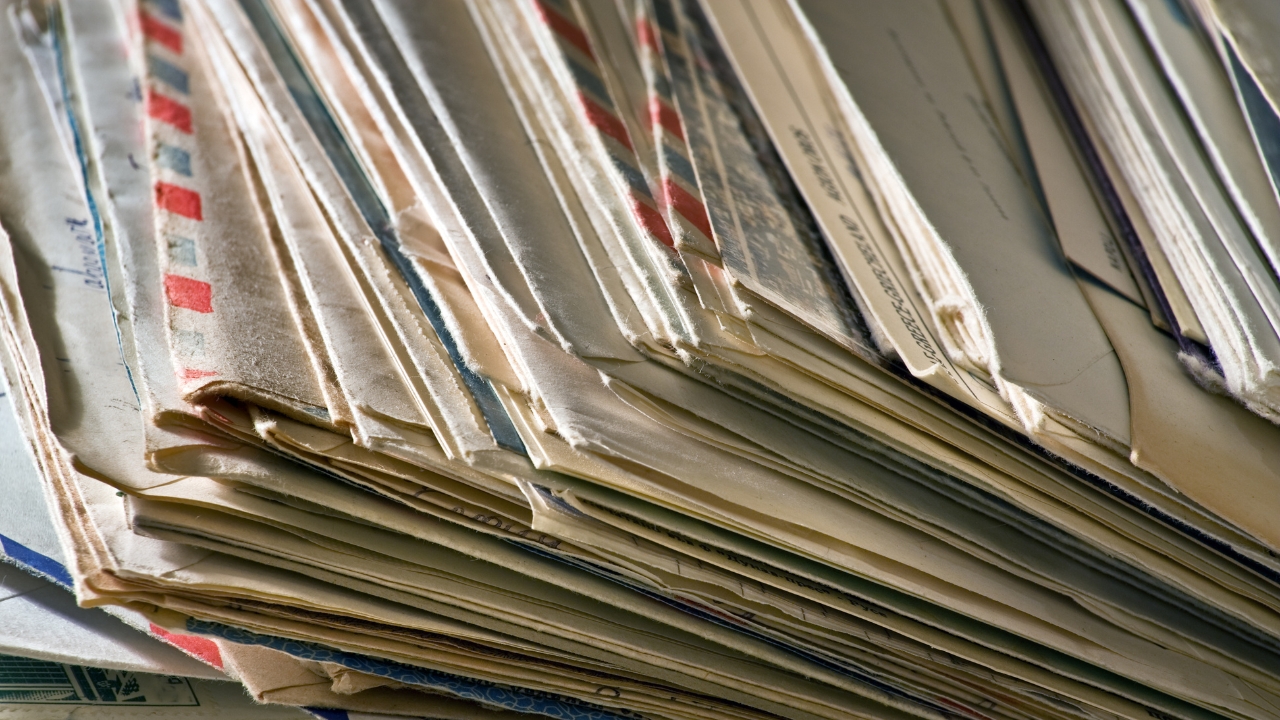
Stacks of catalogs, old phone books, and mail on every surface are a quiet habit a lot of us picked up. Important papers need a home; junk does not.
Set up one landing spot for mail and a simple rule: toss or recycle as much as possible the first time you touch it. Keep one small file or inbox for actual bills and forms. The days of needing every catalog are gone.
Hanging onto every box “in case you need it”

Saving boxes for moving or shipping can be smart. Saving every appliance box for ten years “just in case” fills closets and attics in a hurry.
Keep a few sturdy, plain boxes and break down the rest. If you haven’t needed that specific box in a year or two, you probably never will. That space could hold things you actually use.
Treating every piece of furniture like it has to last 40 years
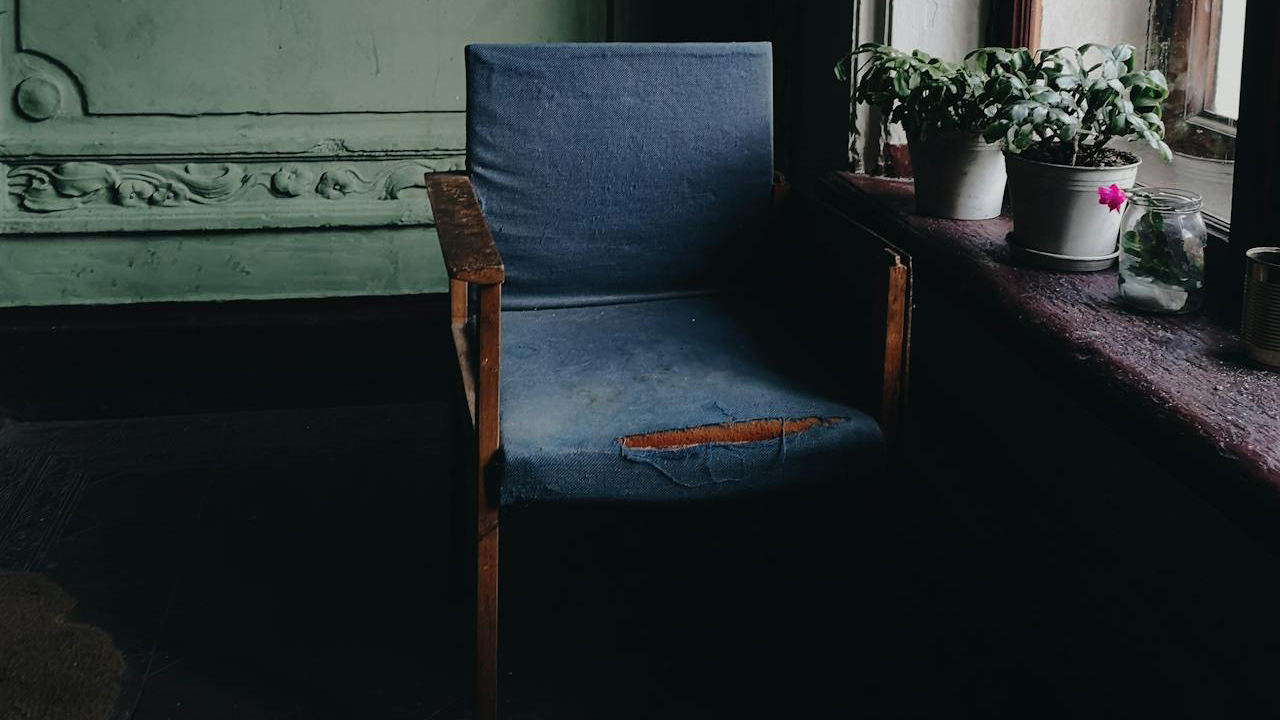
Older generations often bought furniture once and lived with it for decades, even if it didn’t fit their life anymore. These days, houses change, families change, and layouts change.
If a piece makes your room harder to use, blocks walkways, or keeps you from setting the house up in a way that works, give yourself permission to let it go. Keeping it out of guilt doesn’t honor anyone; it just clutters up your present.
Keeping “good” dishes and crystal packed away
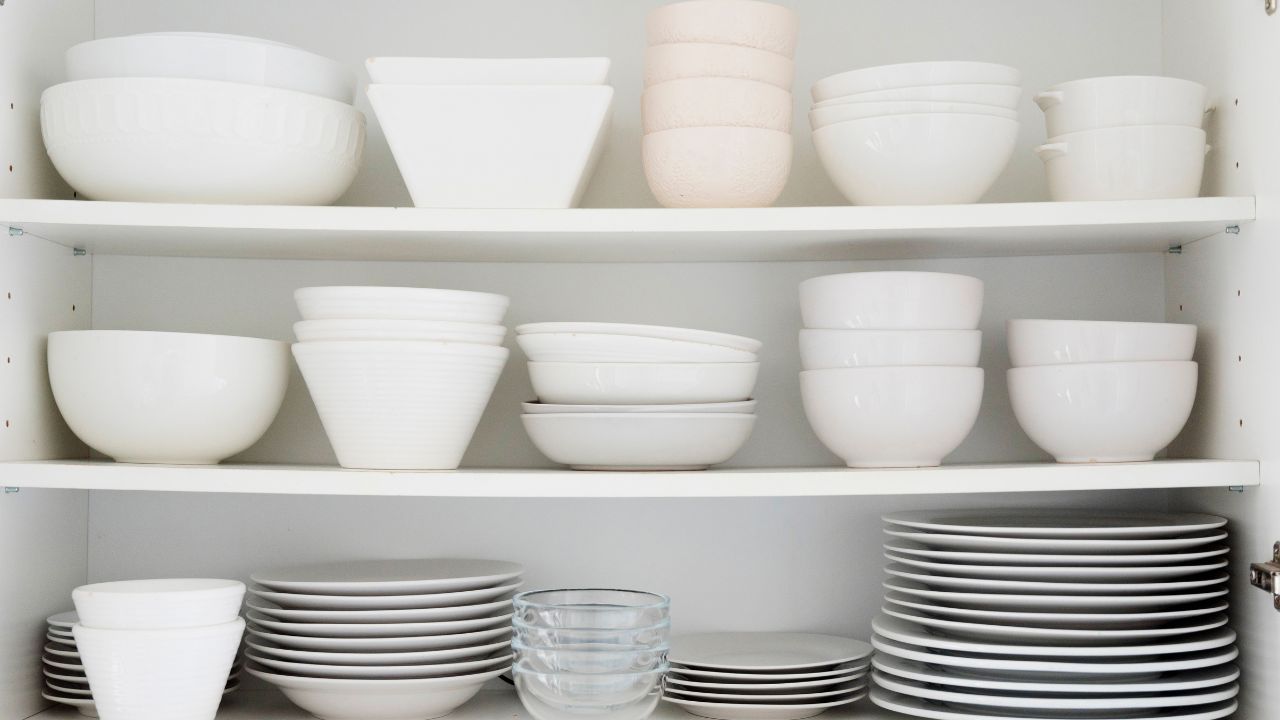
Formal china, crystal glasses, and silver serveware were a big deal in a lot of boomer homes. The problem is, those sets now live in hutches and boxes, waiting on “someday” while you eat off chipped everyday plates.
If you’re storing dishes you never use, either start pulling them out for Sunday dinners and holidays, or let go of the extra sets. A small collection you actually enjoy beats a full cabinet you’re scared to touch.
Hanging heavy drapes and valances that block light

Layered drapes, sheers, and valances used to be the goal—more fabric meant “finished.” Now, heavy window treatments often block light and make rooms feel smaller and older. You end up living in a darker house than you need to.
You don’t have to strip windows bare. Trade bulky valances and thick side panels for simpler rods and lighter curtains or shades. Letting more natural light in instantly freshens up a space without buying new furniture.
Keeping a whole library of VHS tapes, DVDs, and CDs
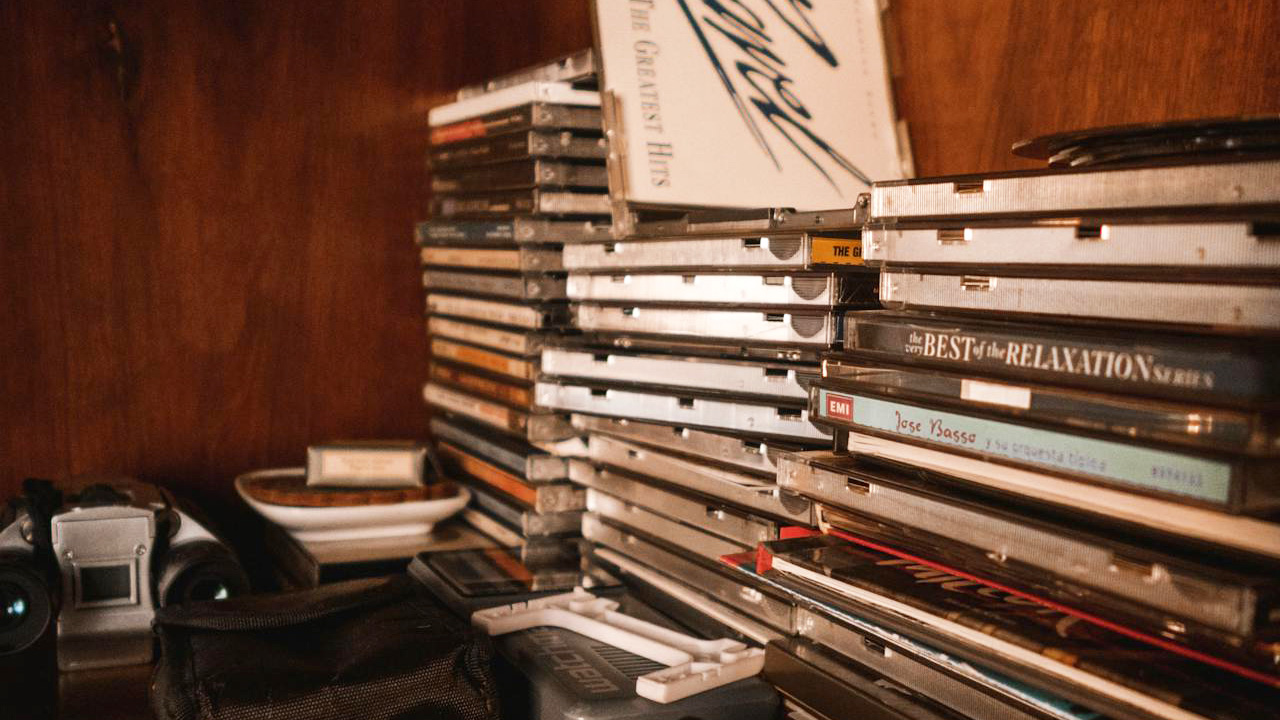
Media cabinets full of movies and CDs once felt impressive. Now, most of us stream almost everything. Those shelves take up a lot of wall space and collect dust, even though you haven’t used half of it in years.
Keep a small stack of true favorites or hard-to-find titles and let the rest go. Freeing up that storage opens room for things you actually reach for now—books, baskets, or even just breathing space.
Saving every appliance manual and warranty booklet
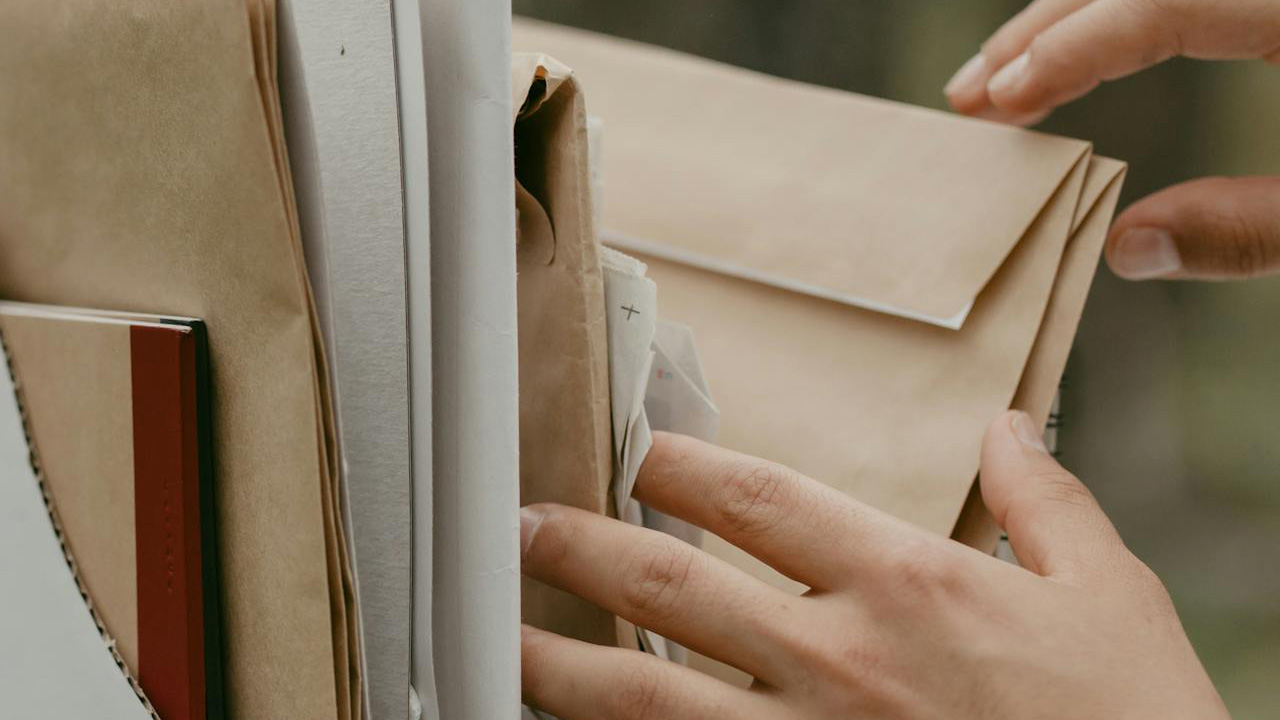
Drawers and file folders full of manuals are another carryover. It felt necessary when you couldn’t just search models online. Now, almost every manual and part number is on the internet.
Pick one small folder for truly important papers—big appliances still under warranty, major systems, and anything with special instructions. Recycle the rest. Your junk drawer and filing cabinet will both breathe easier.
Keeping decades of paperwork “just in case”

Old bank statements, utility bills from ten years ago, phone books, and receipts for things you no longer own all tend to hang around. Boomers were taught to keep paper trails; younger generations rely more on digital records.
You don’t have to toss everything, but you can follow current guidelines for how long to keep tax and financial records. Shred what’s past its useful life and reclaim your closets from boxes of paper you’ll never look at again.
Treating the dining room like a showroom
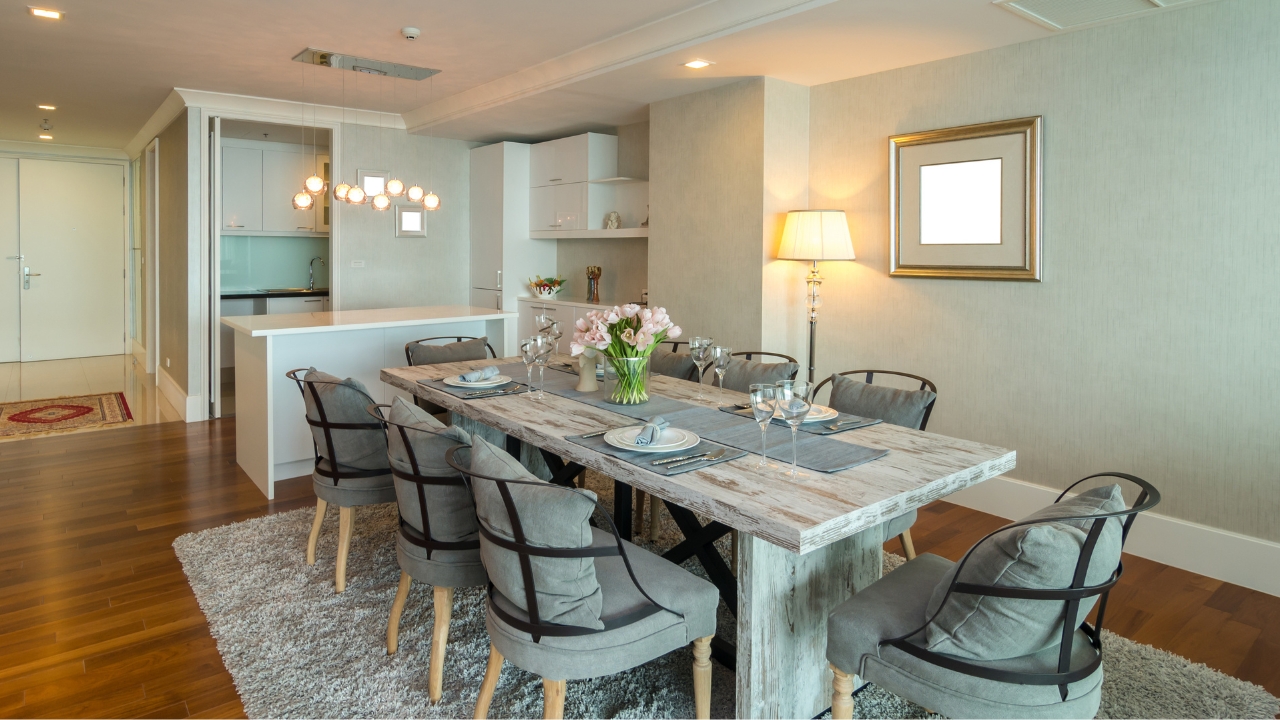
Just like formal living rooms, formal dining rooms often sit untouched. The table is set “for looks,” but no one actually eats there except maybe once or twice a year. The rest of the time, it becomes a parking lot for mail and random stuff.
If you have a dining room that’s more museum than meal space, think about how your family actually lives. Turn it into a homework room, office, or game space that still handles holiday dinners when you need it. A room that works daily is more valuable than a pretty one you tiptoe around.
Keeping every inherited piece out of guilt
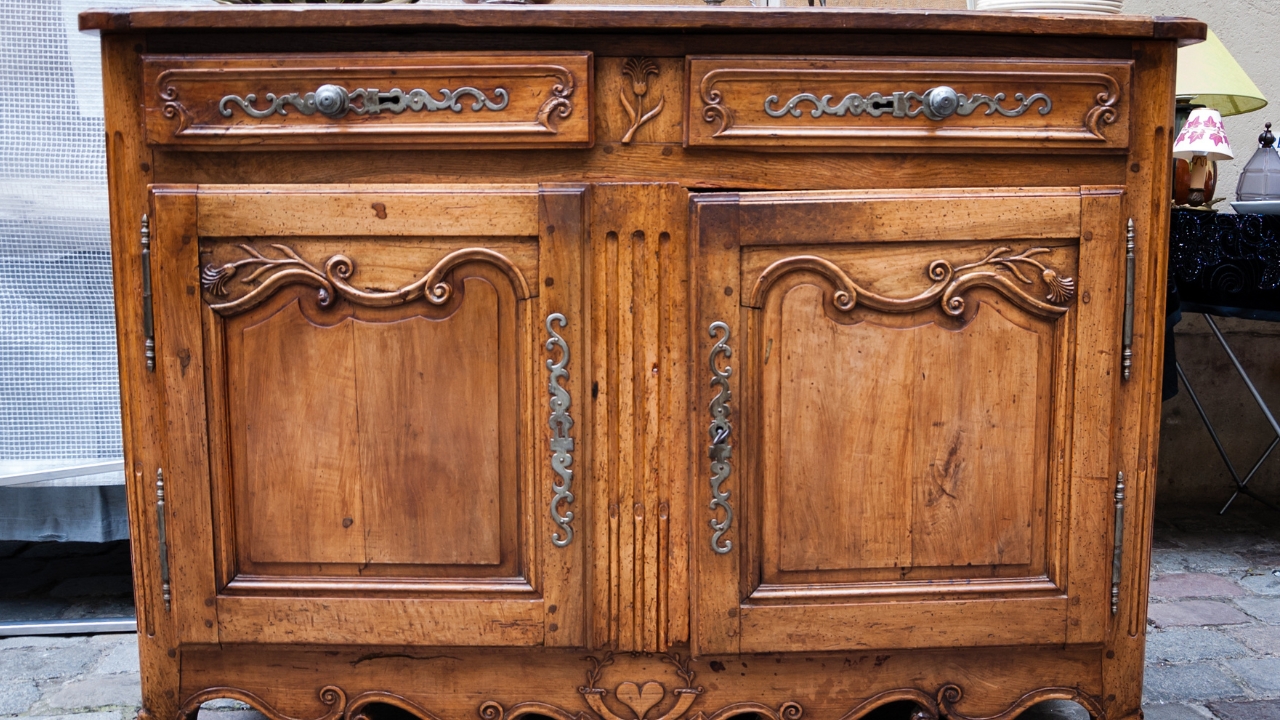
Side tables from your parents, a dresser from an aunt, the chair no one likes but “it was Grandma’s”—hand-me-downs stack up fast. Keeping a few is meaningful; keeping all of them can make your house feel like a storage unit for someone else’s life.
You’re allowed to keep one or two pieces that truly matter and release the rest. Passing them on or selling them doesn’t erase the memories. It just gives you room to build a house that fits how you live now.
Holding onto mountains of spare linens
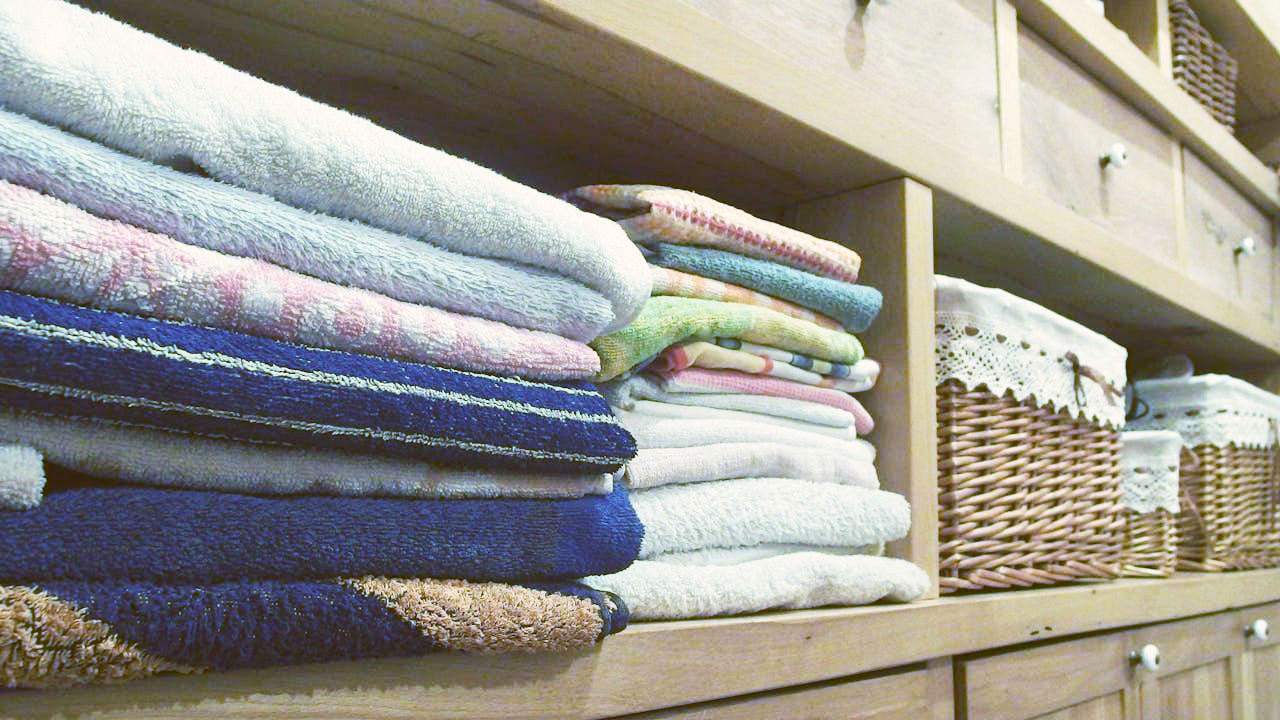
Many boomer homes kept multiple extra sets of sheets and towels “just in case.” That made sense when large families and unexpected guests were common. Today, most people could get by with far less.
Open your linen closet and be honest: how many sets do you actually rotate? Keep two or three per bed and a small guest stack. Donate the worn-out or rarely used ones. A leaner linen closet is easier to manage and less likely to explode on you.
Treating big desks and filing cabinets as non-negotiable
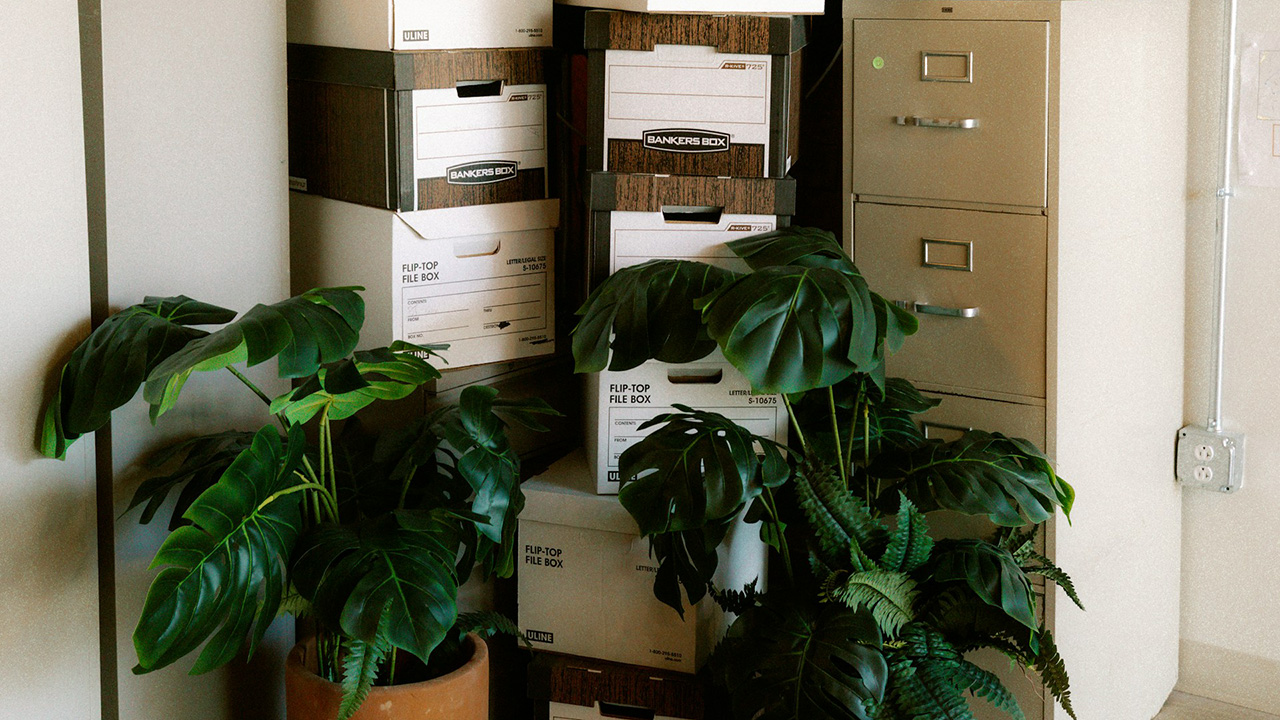
The giant corner desk with a hutch and matching metal filing cabinets were normal when paperwork and desktop computers ruled the house. Now, laptops and digital storage mean those pieces often sit half-empty and eating up a whole wall.
If that setup isn’t pulling its weight anymore, scale down. A smaller desk and a single drawer file can handle what you truly need. The extra floor space will make the whole room feel lighter.
Keeping every holiday decoration from the last 40 years
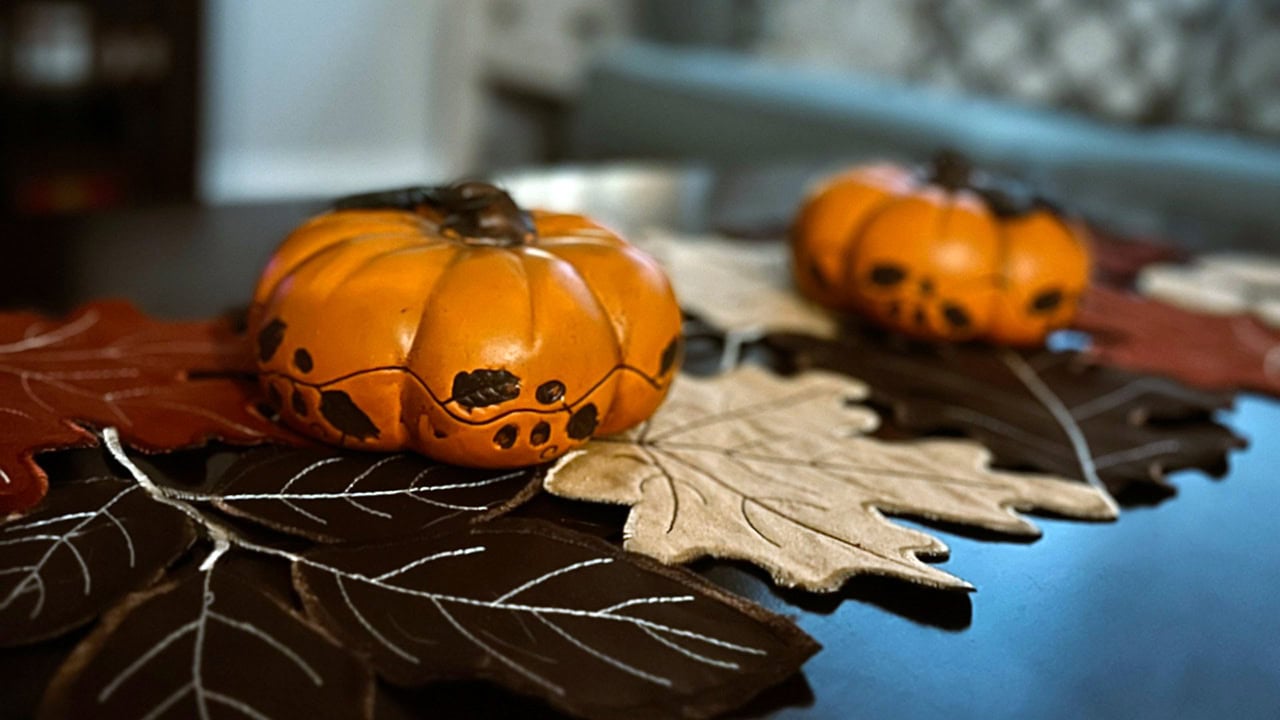
Attics and sheds are full of brittle plastic pumpkins, tangled tinsel, faded wreaths, and decor that hasn’t seen daylight in a decade. Older generations often kept every decoration because replacing things wasn’t cheap. Now, many of those pieces don’t match your house or your taste.
Before you drag it all back in next year, edit. Keep the truly sentimental pieces and the decor that still works with your current style. Let go of what you skipped again this year—you already answered the question by not using it.
Like Fix It Homestead’s content? Be sure to follow us.
- I made Joanna Gaines’s Friendsgiving casserole and here is what I would keep
- Pump Shotguns That Jam the Moment You Actually Need Them
- The First 5 Things Guests Notice About Your Living Room at Christmas
- What Caliber Works Best for Groundhogs, Armadillos, and Other Digging Pests?
- Rifles worth keeping by the back door on any rural property
*This article was developed with AI-powered tools and has been carefully reviewed by our editors.