How to Keep Your House Dry, Even in a Downpour
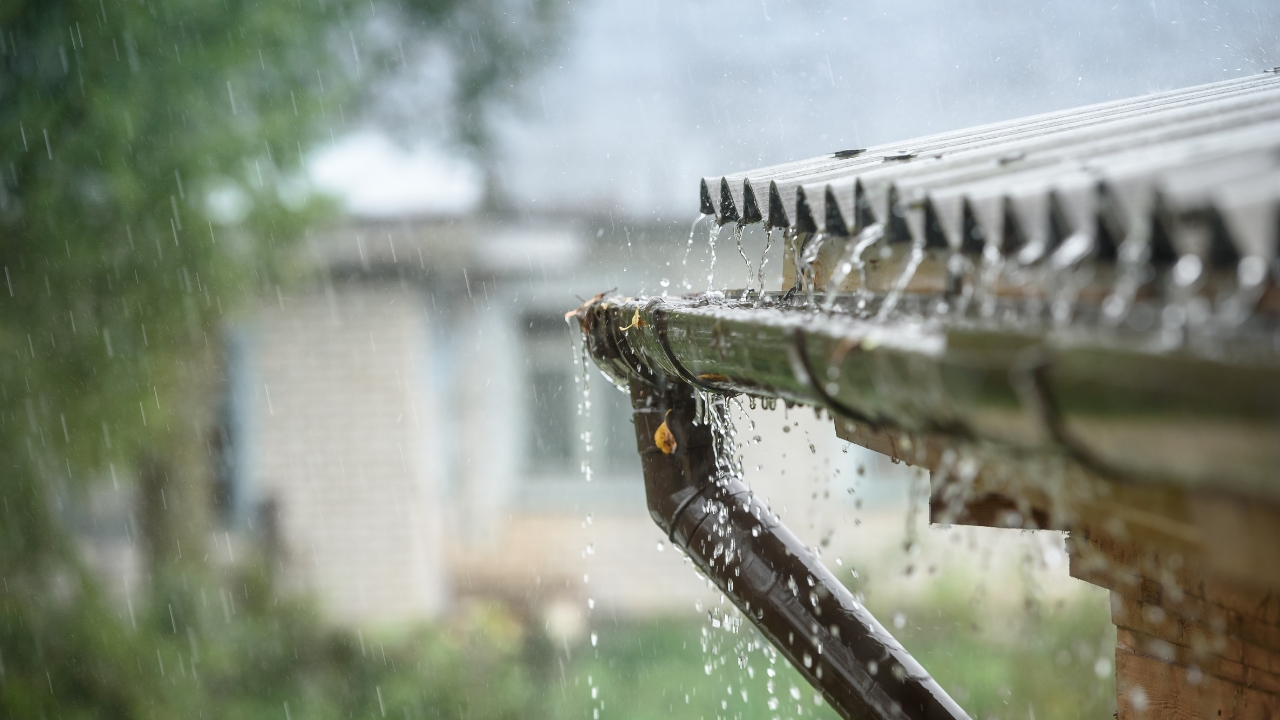
A heavy rain shouldn’t mean soggy baseboards, a musty crawlspace, or water dripping into your window tracks. If your house is set up right, it should shed water and keep it out—plain and simple. But too many folks don’t think about it until water’s already made its way in.
These are the things we check around our place every rainy season. They’re simple fixes and regular habits that make a big difference. If you want your house to stay dry even when the skies open up, here’s where to start.
Keep Your Gutters Clear
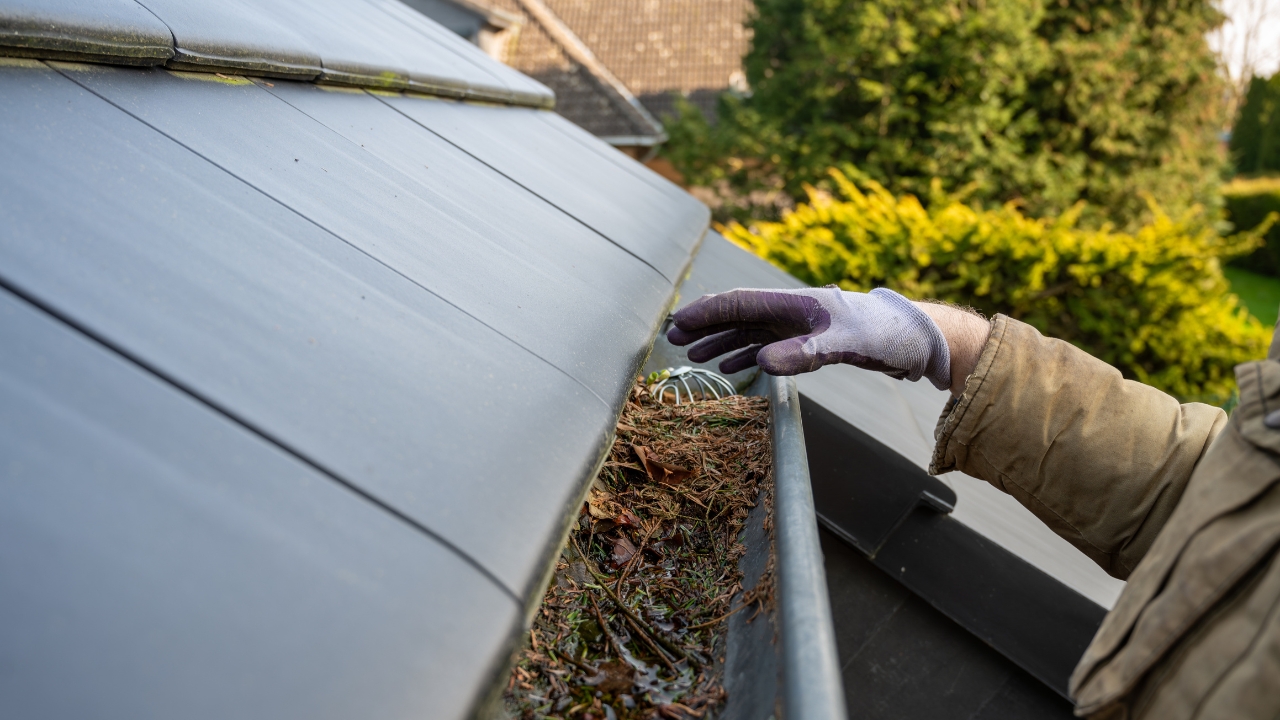
If your gutters are packed with leaves or gunk, water’s going to spill over—and that’s a fast track to foundation problems. Overflowing gutters can also soak your siding and windows, which leads to rot and water damage over time.
Clean them out at least twice a year, and more often if you’ve got trees nearby. While you’re up there, check that the gutters are pitched correctly so water flows toward the downspouts. It’s not fun, but it’s one of the easiest ways to protect your home.
Extend Downspouts Away from the House
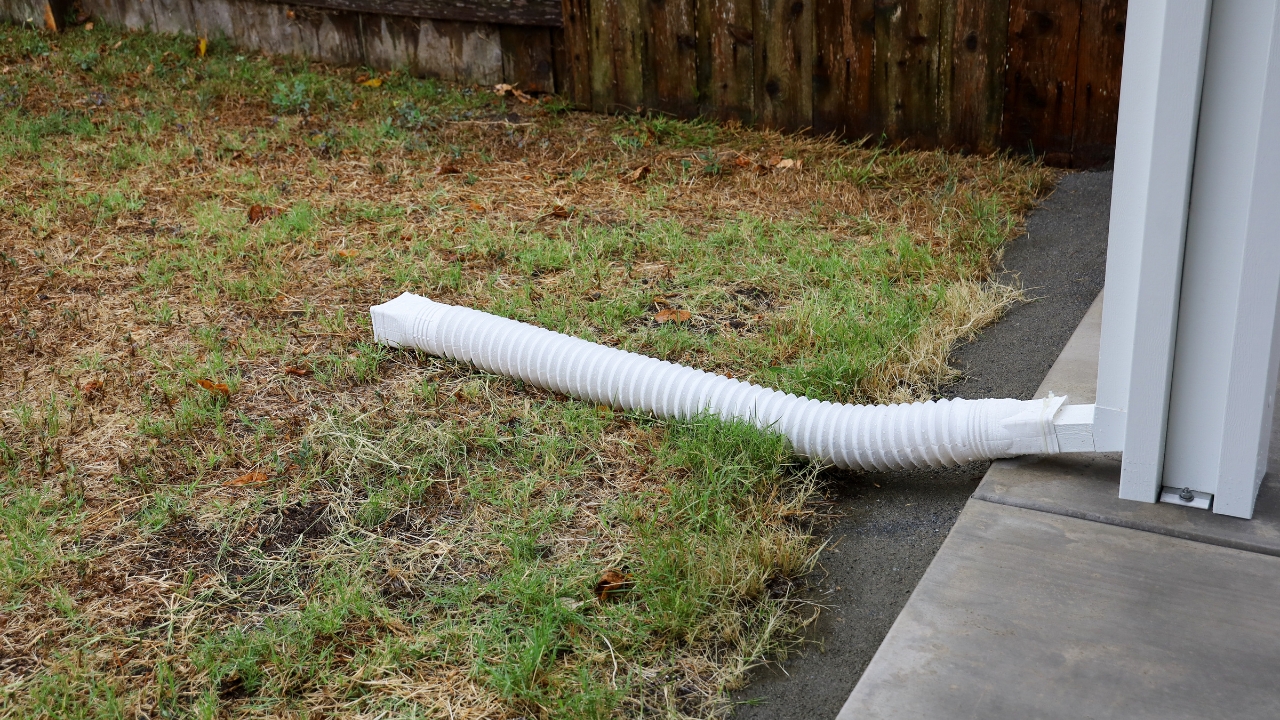
Downspouts that dump water right at your foundation are asking for trouble. You need that water going at least 3 to 6 feet away from the house so it doesn’t pool up around your slab or crawlspace.
You can add extenders or splash blocks—both are cheap and easy to install. If your yard slopes toward the house, go even longer with your extensions. You don’t want that runoff finding its way into your basement or under your floors.
Check for Gaps Around Windows and Doors

Water will find the tiniest crack and seep in slowly over time. It’s common around window frames, door thresholds, and even where siding meets trim. If you see daylight or feel a draft, odds are water can get in too.
Use exterior-grade caulk or expanding foam to seal up problem spots. Around doors, make sure the weatherstripping is still in good shape. Replacing a door sweep or adding a new bead of caulk takes just a few minutes but keeps the water where it belongs—outside.
Grade Your Yard Away from the Foundation

If your yard slopes toward your house, water is going to follow it—and you’ll end up with puddles or worse. A low spot near your foundation can turn into a serious problem fast during a heavy storm.
Adding dirt to create a gentle slope away from the house can fix it. You want a drop of at least 6 inches over the first 10 feet. It’s basic landscaping work, but it goes a long way toward keeping your crawlspace or basement dry.
Seal the Driveway and Walkways
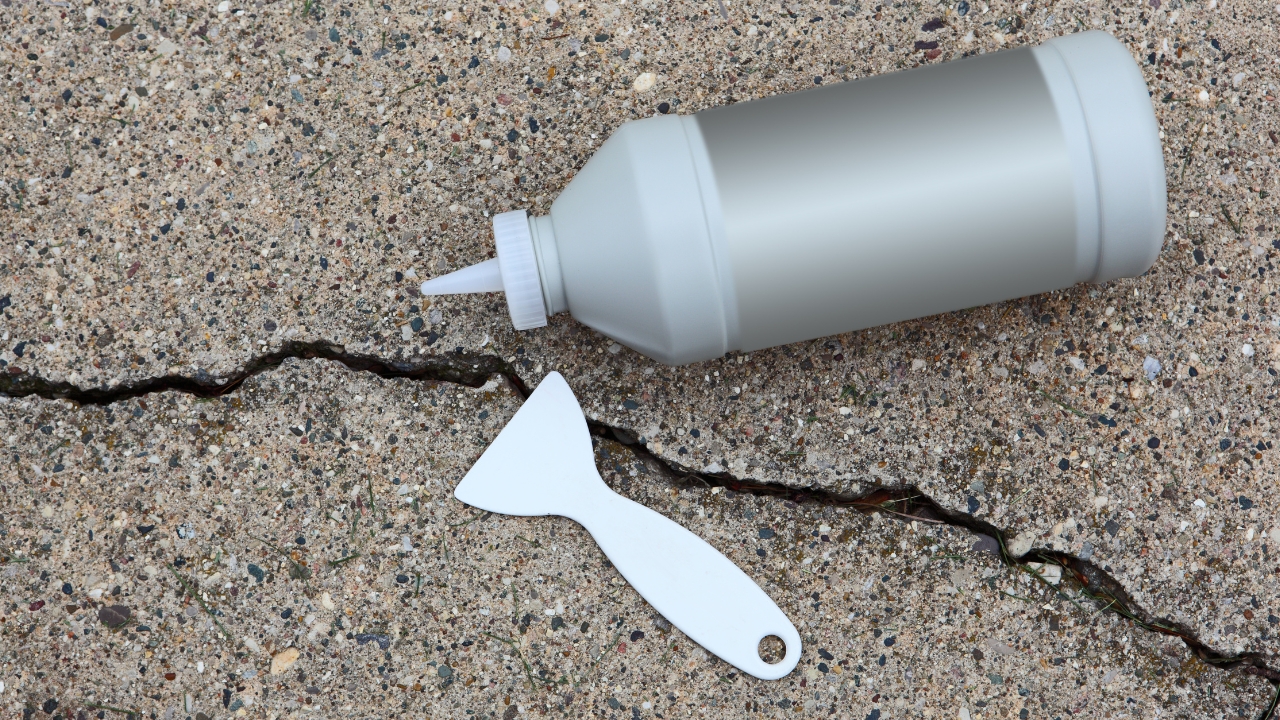
Cracks in your driveway or sidewalks might not seem like a big deal—until water seeps in, freezes, and expands. That can shift concrete and push water back toward your house or garage.
Use a concrete sealant or crack filler to keep water out. It’s an easy weekend project that doesn’t take much time or money. While you’re at it, make sure any hardscape is pitched slightly away from your home so the runoff doesn’t end up where you don’t want it.
Install or Check Your Sump Pump
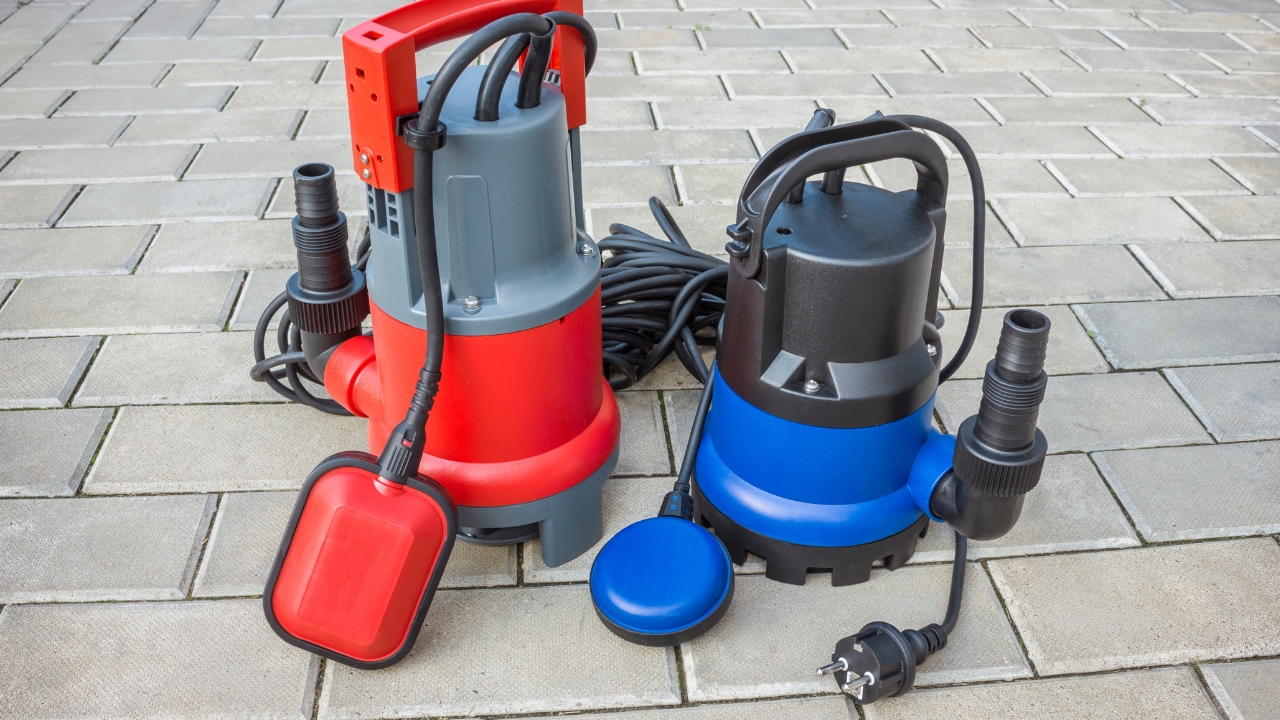
If you’ve got a basement or a low-lying crawlspace, a sump pump can save you from a lot of headaches. But it only helps if it’s working when you need it. Too many people forget to test theirs until the water’s already rising.
Make a habit of testing it before the rainy season starts. Dump a bucket of water into the sump pit and make sure it kicks on. If it doesn’t, check the power and float switch first. It’s a small thing, but it can prevent a major flood.
Inspect Your Roof for Missing Shingles or Flashing Issues

A leak in the roof can take weeks to show up inside—but by then, the damage is done. After a big storm or strong wind, it’s worth glancing at your roofline for anything out of place.
Check for lifted shingles, missing tabs, or flashing that’s pulling up around chimneys and vents. If you’re not comfortable getting on the roof, a pair of binoculars from the yard works too. Catching small issues early is way cheaper than dealing with a full roof leak later.
Use Rain Barrels to Help Manage Runoff
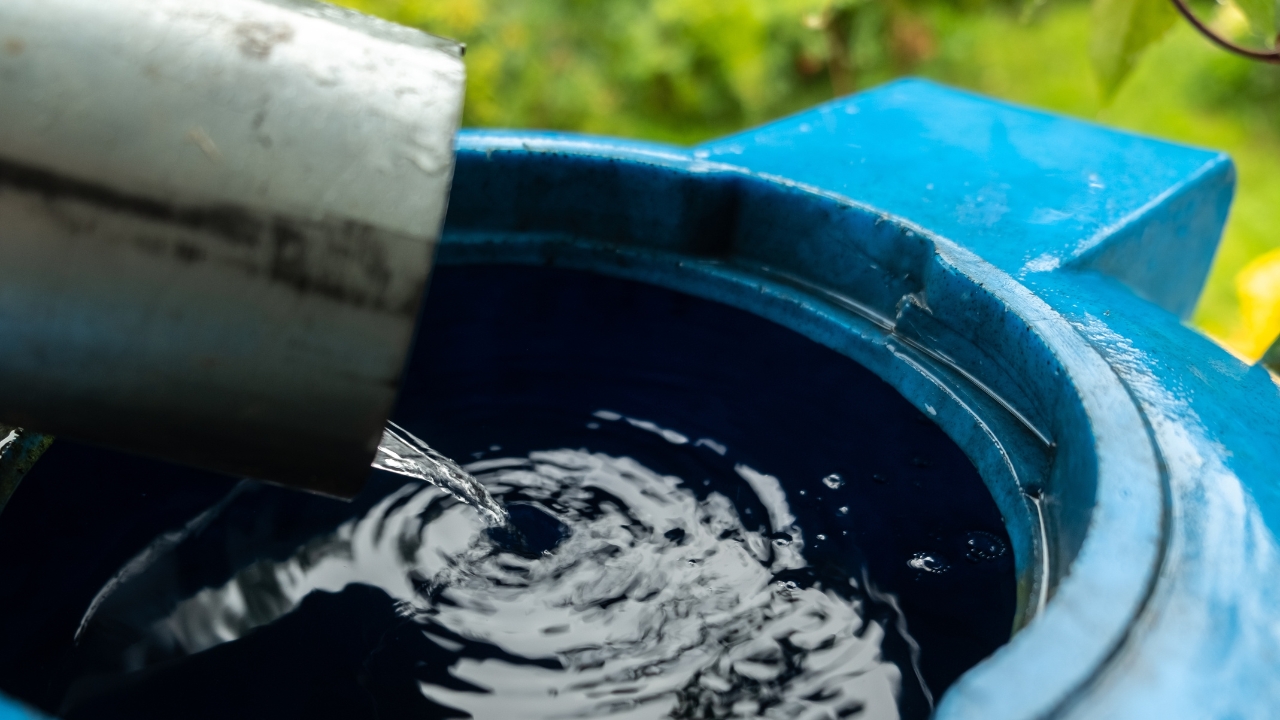
Rain barrels won’t fix a grading problem, but they can help you manage excess runoff—especially near areas that tend to flood. They catch roof runoff at the downspouts, and you can use that water later for your garden or livestock.
Make sure the barrels have overflow hoses or valves so you can control where the extra water goes. This helps prevent pooling near your foundation and puts all that rainwater to good use instead of letting it cause damage.
Add Gutter Guards to Cut Down on Clogs

If you’re tired of climbing up a ladder every few weeks, gutter guards can make life a whole lot easier. They keep leaves, pine needles, and other debris from piling up in your gutters—so water actually flows where it’s supposed to.
There are a bunch of styles out there, but mesh guards are usually the easiest to install yourself. They won’t eliminate maintenance completely, but they’ll cut it down big time and help prevent overflows during a heavy downpour.
Check Crawlspace Vents and Vapor Barriers
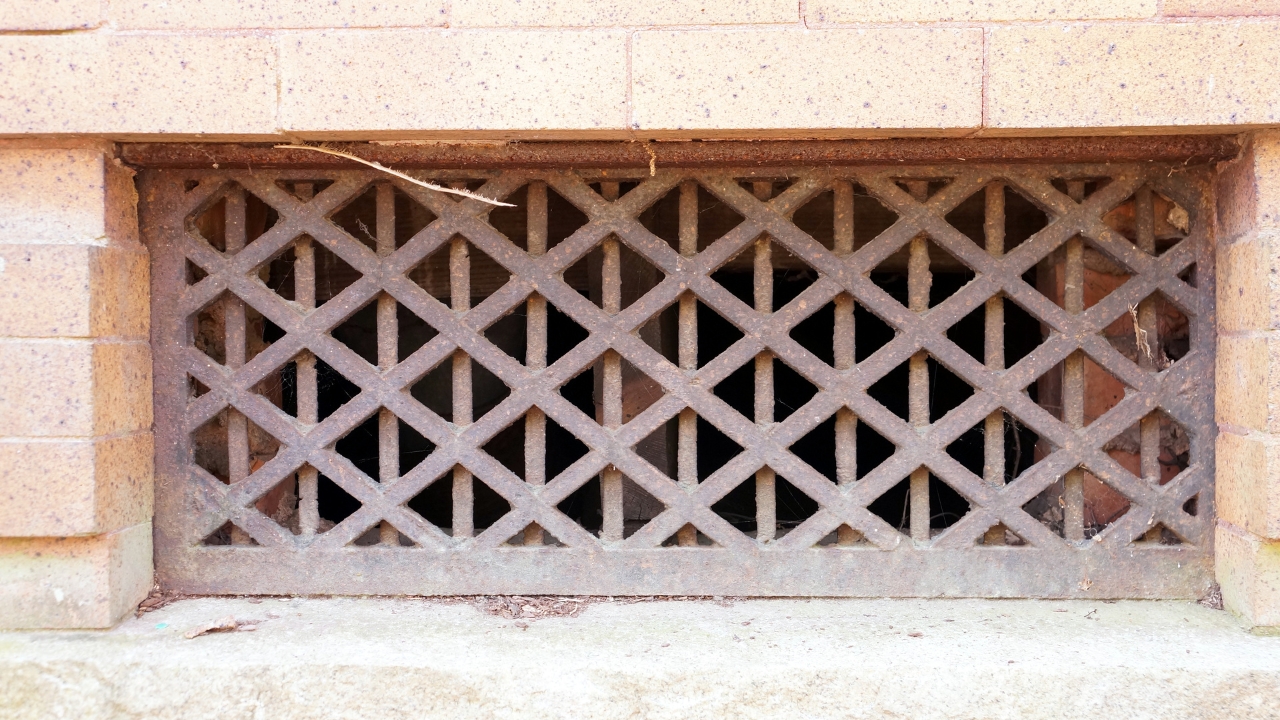
If water is getting under your house, it’s going to start causing problems fast—mold, rot, and foundation issues are all on the table. Make sure your crawlspace vents aren’t blocked or damaged, and check that the vapor barrier is still in place and doing its job.
If you don’t already have a vapor barrier, laying one down is a smart weekend project. It keeps ground moisture from building up under your house and helps stop condensation during high humidity. It’s not fancy, but it’s a key part of keeping things dry long-term.
*This article was developed with AI-powered tools and has been carefully reviewed by our editors.