I planted mint next to the tomatoes and spent months trying to contain it
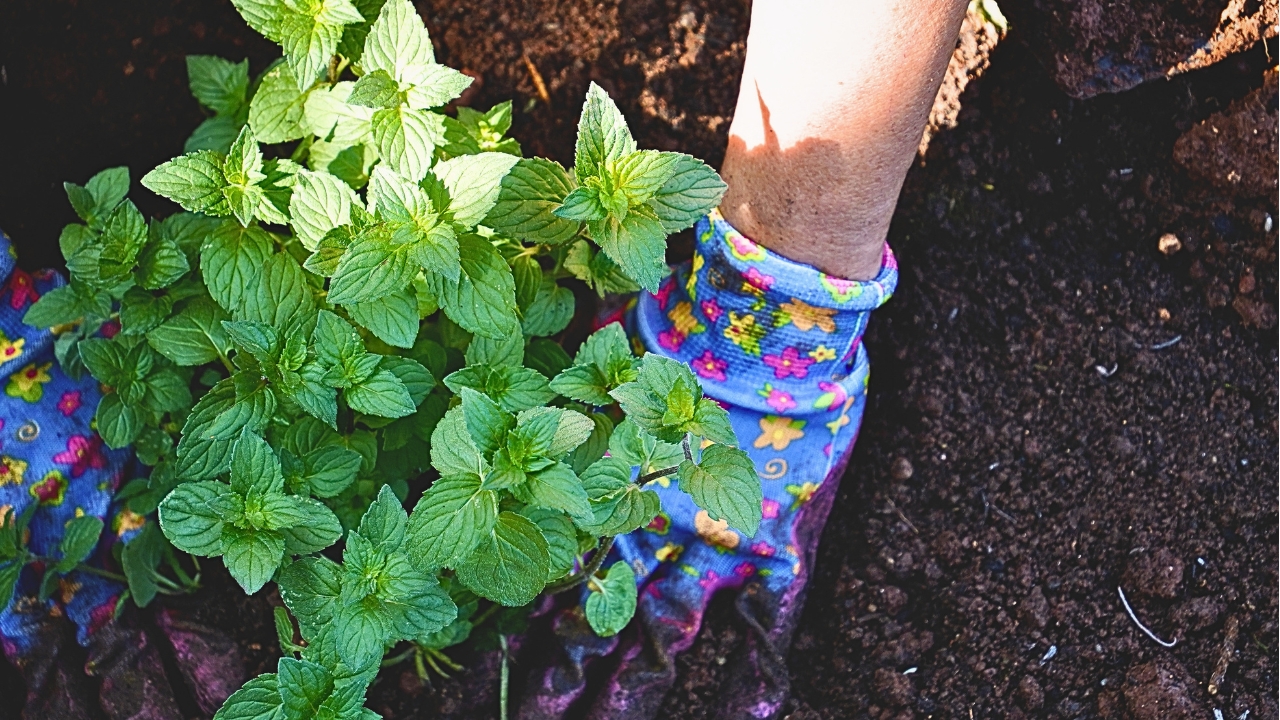
Gardeners who tuck a small mint plant beside their tomatoes often expect a fragrant ally against pests and a steady supply of leaves for drinks and salads. Many discover instead that the herb surges across the bed, weaving through roots and swallowing space that was meant for Tomato vines. The story behind that surprise offers a cautionary look at how one companion plant can quietly turn into a months-long containment battle.
The appeal is understandable. Companion planting guides list Mint as a classic partner for vegetables such as Cabbage, tomatoes, broccoli and Brussels sprouts, highlighting Benefits like deterring cabbage moths, aphids and flea beetles with its strong scent. Some gardeners also point to the way mint draws pollinators and provides fresh flavor within arm’s reach of the kitchen door. On paper, it sounds like an ideal neighbor for a hungry, pest-prone crop.
Why mint and tomatoes look perfect together
Tomato growers are constantly searching for natural pest control and stronger growth, and advice that points them toward a familiar herb is easy to follow. One guide argues that Tomato plants can be healthier and stronger when planted near mint, framing the herb as a living shield that confuses pests and supports plant vigor. That promise, combined with the convenience of harvesting both from a single bed, nudges many gardeners to tuck mint at the base of their tomato cages.
There is also a sensory draw. Mint has a fresh and minty aroma that some garden pests cannot stand, and it doubles as a culinary staple for drinks, desserts and sauces. For gardeners who prize multiuse plants, a single patch that supports tomatoes, repels insects and fills the kitchen with fragrance feels like a smart, efficient choice.
Yet the same traits that make mint resilient under Tomato foliage also set up trouble. The plant spreads through an aggressive network of roots and runners that do not respect tomato spacing charts or carefully mulched paths.
How mint turns a tomato bed into a takeover
Anyone who has watched mint escape a corner of the garden knows how quickly optimism gives way to containment mode. Mint is often described as a bully that likes to take over and choke out neighboring plants, infiltrating the soil until it effectively owns the bed. Gardeners who have seen it in action compare it to a garden party crasher that never leaves, popping up in new spots just when they think they have pulled the last stem.
Experts at a Cooperative Extension program warn that mint can even tunnel under fences, barriers and other things put in its way, which explains why a plant that starts beside one Tomato stake can surface on the far side of a path. That underground spread is not random. The plant relies on rhizomes and runners that store energy and send up new shoots wherever they find a gap in the soil.
Once those rhizomes are established, removal becomes a long-term project rather than a weekend chore. An Extension expert addressing a gardener who wanted to clear a field of mint stressed that if any underground parts, rhizomes or runners are left in place, they will regenerate, and added that it is not possible to remove every fragment without extreme measures like covering the area with black plastic or cardboard. In a mixed bed with tomatoes, that kind of scorched-earth tactic is rarely an option.
Home gardeners echo that reality in more colorful language. In one widely shared Comments Section about raised beds, a poster joked that containing mint might require a signed pact with the devil and asked whether growers had planned what to do with the soul of their first born yet. Beneath the humor sits a clear message: once mint is in the ground, especially near valued crops, it is very difficult to confine.
Social media threads and short videos reinforce the point. Gardeners describe mint as super invasive, noting that once planted, it spreads rapidly and can expand its footprint in just weeks. Others show beds where mint has threaded through irrigation lines, crowded out lettuce and even climbed into cracks in hardscape, all from a single original clump.
For tomato plants, the consequences are straightforward. As mint roots thicken, they compete for water and nutrients, and their dense mat can make it harder to replant or rotate crops. The herb’s vigor can also shade out young seedlings and complicate tasks like mulching or side-dressing with compost.
Containment strategies that arrive too late
Once a gardener realizes that the small mint start beside the Tomato vines has become a sprawling colony, the next step is usually triage. Traditional advice begins with frequent harvesting. Guides on how to Get Rid of Mint in Your Garden recommend Harvest Often to reduce the plant’s energy reserves and slow its spread, framing regular cutting as a Simple Organic Method that doubles as a way to use more leaves in the kitchen.
Others move directly to physical removal. One detailed response on removing a field of mint explains that every rhizome and runner must be dug out, and even then, survivors are likely. Gardeners are urged to sift the soil carefully and, in some cases, to smother stubborn patches with opaque covers such as black plastic or cardboard for an extended period. That approach is hard to reconcile with a bed full of ripening tomatoes.
Video tutorials on how to control your mint show another path: accept that the plant will run, then corral it before it reaches the rest of the garden. In one such guide, a gardener who loves collecting different varieties describes planting them in containers or restricted zones, then demonstrates how to cut back runners aggressively and monitor escape routes. The tone is affectionate but clear eyed about the plant’s tendencies.
Gardeners trading advice in Facebook groups often land on the same conclusion. In one thread that began with a question, Can mint be kept in the ground and still contained, the most common answer was simple. Contain in a container. Do not allow mint to root freely in beds that also hold vegetables, perennials or lawn.
Nursery and gardening organizations formalize that rule. One guide titled Plan the Area You Will Be Growing Mint In advises gardeners to think about barriers before planting, recommending pots, raised planters or dedicated strips of soil with edging that extends deep enough to intercept rhizomes. The message is consistent across sources: planning ahead is easier than months of pulling runners from around Tomato roots.
Specialists who focus on herb culture also stress root control. One widely cited tip sheet on the Key to Controlling Your Mint Plants suggests planting mint first in a pot, then sinking that pot into the ground so that the container walls limit the spread of roots. The advice comes with a warning to watch for roots escaping through drainage holes, a reminder that even partial barriers are not foolproof.
For gardeners who have already made the mistake of planting mint directly beside tomatoes, the realistic path is a combination of damage control and long-term adjustment. It often means sacrificing some mint, digging carefully around Tomato stems to lift as many rhizomes as possible, and then moving any saved clumps into containers placed near, but not within, the vegetable bed.
Some still argue that the trade-off is worth it. Advocates of companion planting point to benefits such as pest deterrence, improved biodiversity and easier access to fresh herbs. They highlight experiences where mint, kept in check with regular cutting and root pruning, coexists with tomatoes and other crops without obvious harm.
Yet even those enthusiasts tend to add caveats. Many recommend using buried pots, bottomless buckets or raised troughs within the bed, so that mint remains close enough to influence pests but cannot quietly tunnel into the rest of the soil. Others suggest growing mint in containers on a nearby patio and relying on airflow to carry the scent into the garden.
Like Fix It Homestead’s content? Be sure to follow us.
Here’s more from us:
- I made Joanna Gaines’s Friendsgiving casserole and here is what I would keep
- Pump Shotguns That Jam the Moment You Actually Need Them
- The First 5 Things Guests Notice About Your Living Room at Christmas
- What Caliber Works Best for Groundhogs, Armadillos, and Other Digging Pests?
- Rifles worth keeping by the back door on any rural property
*This article was developed with AI-powered tools and has been carefully reviewed by our editors.