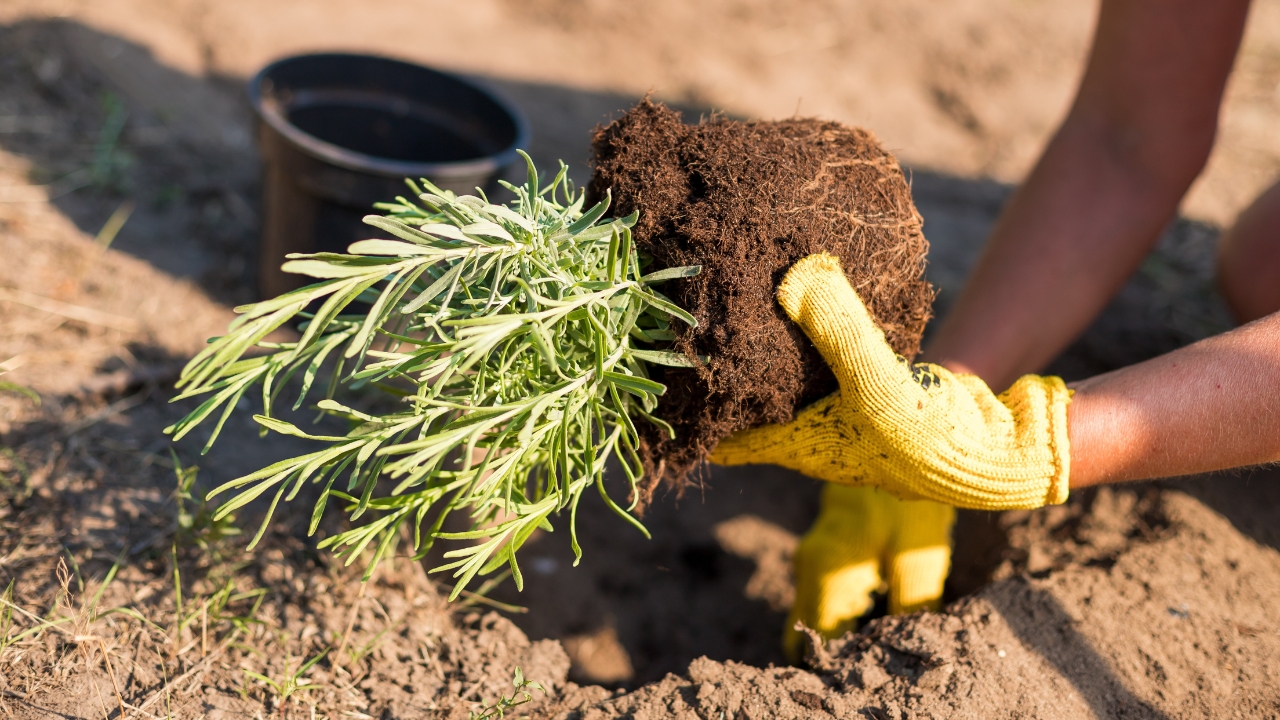
I put lavender in the wrong bed and realized too late it wanted different soil
Gardeners learn quickly that not every plant forgives a bad first impression. Lavender is one of the least forgiving, and few lessons land harder than watching a thriving shrub slump in the wrong bed because the soil never suited it.
The story often begins with good intentions and rich compost, then ends with yellowing stems, browning crowns, and the realization that this Mediterranean icon had been asking for leaner, sharper ground all along.
When the “good” bed is the wrong one
Lavender tempts people to pamper it. A gardener sees a sunny border, adds organic matter, waters generously, and expects Provence in a year.
Instead, the plant sulks. Growth turns floppy, stems stretch, and flowers thin out as roots sit in moisture that lavender never evolved to handle.
Guides on how to grow stress that this shrub needs full sun and well drained soil, not a deep, fertile vegetable bed that stays damp after rain.
Experienced growers describe lavender as a plant that thrives on neglect in the right conditions and fails under kindness in the wrong ones.
What lavender actually wants under its feet
The starting point is structure. Lavender prefers loose, gritty soil where water moves through quickly and air reaches the roots.
Advice on best soil types describes a mix that mimics sandy or rocky slopes, with drainage that prevents water from lingering around the root zone.
That guidance also highlights pH, with lavender performing best in soil that trends toward neutral or slightly alkaline, often between 6 and 8.
Growers who manage commercial fields in places far from Provence, including regions promoted on sites such as Michigan tourism, still build this same dry, mineral structure rather than relying on local default soils.
Where native ground is dense or acidic, they correct it instead of asking lavender to adapt.
The clay trap that quietly kills plants
Clay soil is where optimism collides with physics. Fine particles pack tightly, hold water, and exclude air, which is exactly what lavender roots resist.
One grower in a tutorial on planting in clay admits that it became clear very quickly that their heavy ground was a serious challenge for a small lavender field.
They describe early signs of stress even with full sun, because waterlogged pockets formed around the roots after every rain.
Other step by step videos that pan across fields reminiscent of Provence landscapes show how growers avoid this trap by planting on raised rows or mounds and blending in coarse material before a single plant goes in.
They treat drainage as infrastructure, not decoration.
How wrong soil shows up on the plant
When lavender sits in soil that stays wet, the first symptoms usually appear at the base.
Guides on garden lavender root describe yellow leaves, mushy roots, and a plant that feels loose in the ground as the root system collapses.
Another advisory on dropping leaves frames the problem more simply: location is everything, and lavender will not tolerate anything less than a sun soaked spot with good drainage that evokes a Mediterranean getaway.
In heavier soil that does not drain, the plant often drops foliage from the bottom up, then turns brown and brittle at the center.
Videos such as the one hosted by Jan, who greets viewers as “my friends” from Italy, show lavender problems where browning stems and dead patches trace back to waterlogged roots rather than frost or pruning mistakes.
Viewers watch Anna Wireless pull back stems to reveal dark, rotting crowns that never had a chance in dense ground.
Why rich beds make lavender lanky
Even when drainage is acceptable, overly fertile soil sends lavender into soft, unstable growth.
Gardeners on forums such as Top 1% Commenter describe plants that grow lanky and floppy in rich soil if they survive at all.
One comment notes that the most important factor is fast drying ground, with small pebbles preferred over sand to keep texture open.
In lush beds that suit tomatoes or dahlias, lavender often produces long, weak stems that split under their own weight or after a storm.
Flowering suffers too, as the plant invests in green growth instead of the compact, woody structure that supports dense blooms.
Rescuing lavender from the wrong bed
Once a gardener recognizes that a plant is in trouble, the question becomes whether it can be moved.
Guidance on transplanting lavender explains that relocation is possible if it happens at the right time and with careful handling of the root ball.
The advice is to dig wide, keep as much root mass intact as possible, and replant into a lean soil mix that matches lavender’s preference.
Another section on the same guidance stresses that drainage is the factor, warning that roots left naked and exposed to damage will struggle even in better soil.
That means planning the new planting hole before lifting the plant, so it can move directly into its improved home.
Another practical checklist on moving a lavender recommends amending the new area with compost or grit to improve drainage and digging a hole twice as wide as the root ball.
That extra width encourages new roots to grow outward into soil that has already been tuned for air and water flow.
Engineering better soil instead of starting over
For gardeners who cannot abandon a clay heavy yard, soil engineering becomes the path forward.
Specialists at a greenhouse in North Carolina, where dense red clay is common, explain that lavender likes sandy, well draining soil that dries quickly and that improving the layer beneath the plant is critical for survival.
They recommend mixing perlite into the planting area at a ratio of 4 parts soil to 1 part perlite, advice detailed in their guide to secret to growing.
They also mention gypsum as another amendment, with instructions to follow the directions on the bag rather than guessing at quantities.
Other growers echo this strategy and add coarse grit or small gravel to further open the structure, especially in raised beds or along walls that hold heat.
One video that walks through tidying a Mediterranean herb garden shows lavender planted just across a path from vegetables, with the lavender side built higher and leaner to keep roots dry.
Fine tuning pH and nutrients
Soil chemistry matters alongside structure. Lavender leans toward alkaline conditions and reacts poorly to very acidic ground.
Growers who answer common questions about explain that lime can be used to raise pH toward the preferred range and that testing soil before planting helps avoid guesswork.
They describe lime as a tool to shift pH rather than a fertilizer, with the goal of matching the conditions lavender expects in its native habitats.
At the same time, they caution against heavy feeding, since high nitrogen pushes soft growth that is vulnerable to winter damage and disease.
Resources linked through hubs such as gardening know how and question forums often repeat the same theme: think mineral, not lush, when preparing a lavender bed.
Knowing when it is too late
Even with careful rescue attempts, some plants will not recover from months in saturated soil.
Analyses of why lavender is point out that these shrubs are adapted to sandy or rocky soil that is incredibly well draining, and that prolonged exposure to clay or compacted ground often ends in root rot.
Once the crown is soft and the interior stems are brown, cutting back or moving the plant rarely reverses the damage.
Guides on leaf drop suggest that persistent decline, even after improving drainage, is a sign to replace the plant and fix the bed before trying again.
That replacement becomes less a failure and more a reset, informed by a clearer understanding of what lavender had been asking for from the start.
A different way to choose the “right” bed
The lesson from all these missteps is simple. Lavender does not want the richest soil in the garden, it wants the most suitable.
Like Fix It Homestead’s content? Be sure to follow us.
Here’s more from us:
- I made Joanna Gaines’s Friendsgiving casserole and here is what I would keep
- Pump Shotguns That Jam the Moment You Actually Need Them
- The First 5 Things Guests Notice About Your Living Room at Christmas
- What Caliber Works Best for Groundhogs, Armadillos, and Other Digging Pests?
- Rifles worth keeping by the back door on any rural property
*This article was developed with AI-powered tools and has been carefully reviewed by our editors.