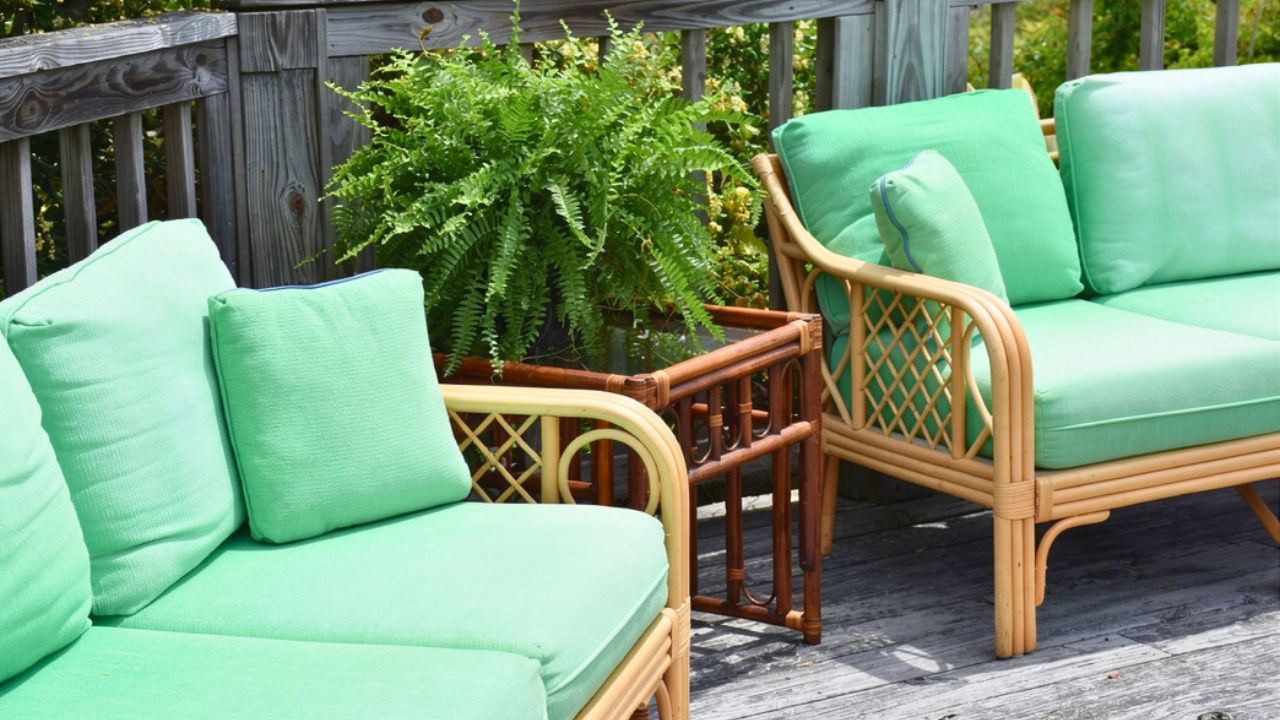
I tried to save money on outdoor cushions and replaced them by the next season
Outdoor cushions seem like an easy place to save money, right up until they sag, sour and shed their color before the next summer even starts. The short lifespan of bargain sets is rarely an accident, and it usually traces back to what sits inside the fabric covers. The difference between cushions that last one season and ones that last several years comes down to foam quality, drainage and how well the materials handle water and sun.
Behind the scenes, outdoor seating often relies on the same cost cutting that affects indoor sofas. Most couches sold on the market today use conventional, lower grade foam that flattens quickly and loses support, which is why so many buyers complain that their seating feels tired long before the frame fails. The same pattern shows up on patios when manufacturers prioritize low initial cost over performance.
Why cheap outdoor cushions collapse so fast
At the budget end, outdoor cushions are usually filled with basic polyurethane foam or loose polyester fiber. Polyurethane foam is the most common and affordable option, and it is often used in both indoor and outdoor cushions because it offers decent comfort at a low price. The tradeoff is durability and moisture behavior.
Standard polyurethane foam tends to break down under repeated compression, especially when it starts in a lower density. The result is a seat that feels supportive in the store but develops permanent body impressions after one or two seasons. Indoor buyers see the same pattern, which is why replacement specialists point out that Most couches sold with conventional foam wear out long before the frame does.
Water exposure makes that weakness worse. Foam is another prevalent filling for outdoor cushions, offering good support and comfort at first. Standard polyurethane foam can act like a sponge, soaking up rain or splashes and holding that moisture deep inside. If the cushion is not unzipped and dried thoroughly, trapped water creates potential mildew issues and a musty smell that never quite goes away.
That is exactly what happens on many patios. A storm rolls through, the cushions get soaked, then a sunny afternoon seems to dry the fabric. Inside, the core is still wet. Over time, the combination of moisture, body weight and temperature swings accelerates breakdown and stains.
How water and foam design shorten cushion life
The structure of the foam matters as much as the type. Closed or tight cell foam resists initial water penetration, but once water gets in, it is very hard to get out. Reports on outdoor seating note that when water does get into these foams, it can also end up trapped between the foam and the fabric cover, where it has almost no path to escape.
That trapped moisture explains why some cushions feel dry on the surface yet squish out water when someone sits down. In those cases, the foam does not drain easily, so the cushions dry slowly and stay vulnerable to mold. Guidance on how to upgrade outdoor seating warns that when water reaches the core of a conventional cushion, the design gives it few exit routes.
Moisture is not the only enemy. Polyurethane foam is also sensitive to UV and temperature. While it offers decent initial comfort, it can oxidize and crumble when left outdoors without protection. Technical descriptions of garden cushion materials explain that Polyurethane foam is prone to mildew if left outside without proper drainage or ventilation, especially when it remains damp inside a non breathable cover.
Combine all of that with thin, low thread count fabric and light dye treatments, and the result is predictable. The cushion fades, flattens and starts to smell, often within a single cycle of spring and summer use.
What higher grade foam does differently
Replacement specialists argue that the core problem is not outdoor living itself but the quality of the materials. When indoor seating fails early, they recommend higher density foam that holds its shape longer and resists sagging. For patios, the equivalent upgrade is an open cell, quick draining foam that is designed to live outside.
One example is Dry Fast Foam It, described as an open cell foam that allows water to drain right through instead of sitting in the core. Product guidance notes that Dry Fast Foam It is ideal for cushions where outdoor cushions will be exposed to the elements for long periods of time, even if they are left out in the rain. That performance comes at a price, and manufacturers describe it as the most expensive fill available, but it directly addresses the water retention that ruins cheaper inserts.
Quick draining foams are engineered with large, interconnected cells that let water move vertically and horizontally through the cushion. Rather than resisting water at the surface, they accept it and then shed it quickly. That approach matches advice from upgrade guides that recommend foams which drain easily so the cushions dry fast and avoid long term dampness.
Support is another advantage. Higher grade outdoor foams are often formulated to maintain firmness over years of compression. Where lower grade inserts collapse into a hammock shape, quality foam rebounds and keeps a more level seating surface. That difference is especially noticeable on deep seating sets and outdoor sectionals that see daily use.
Fabric, covers and the rest of the system
Foam quality does not work in isolation. The cover fabric, inner lining and even the zipper placement all affect how long a cushion lasts. Performance textiles such as solution dyed acrylic, including well known brands that specialize in outdoor fabric, are designed to resist fading and repel water while still allowing air to move through the cushion.
Suppliers that focus on outdoor products often pair quick draining foam with breathable mesh bottoms or vent panels. That design lets gravity and airflow pull water out of the cushion instead of trapping it against a solid base. Some retailers also stock specialized upholstery supplies so that DIY owners can rebuild existing cushions with better inserts and fabrics sourced from dedicated upholstery supplies vendors.
On the retail side, pool and patio stores that sell outdoor furniture routinely explain to customers that foam is another prevalent filling for outdoor cushions, but they warn that standard foam can soak up water and create potential mildew issues if not dried properly. That message appears in consumer guidance that asks whether patio cushions can get wet and underlines that standard foam behaves very differently from quick draining alternatives.
Specialty foam makers go further, promoting quick dry technology through their own channels and partnerships. Company profiles for producers of quick dry foam for garden cushions highlight how open cell structures and antimicrobial treatments help prevent mildew even when the cushions are used near pools or on boats.
When saving money costs more
The financial argument for cheap cushions looks simple at checkout but rarely holds up over a few seasons. A low priced set that needs to be replaced every year or two often ends up costing more than a higher quality option that survives for five summers or longer. That is before counting the annoyance of shopping, hauling and disposing of worn out foam and fabric.
From a sustainability perspective, short lived cushions also create unnecessary waste. Polyurethane foam is not easy to recycle, and mildewed, UV damaged fabric often heads straight to the landfill. Investing once in higher grade inserts, such as Dry Fast Foam It or similar quick draining cores, reduces both replacement frequency and trash volume.
For homeowners trying to avoid another one season failure, the checklist is straightforward. Look for cushions that specify open cell, quick draining foam rather than generic polyurethane. Confirm that the fabric is rated for outdoor use and that the construction includes vents or mesh panels to help water escape. If the set comes with vague labels and no details about the core, assume that standard foam is inside.
Like Fix It Homestead’s content? Be sure to follow us.
Here’s more from us:
- I made Joanna Gaines’s Friendsgiving casserole and here is what I would keep
- Pump Shotguns That Jam the Moment You Actually Need Them
- The First 5 Things Guests Notice About Your Living Room at Christmas
- What Caliber Works Best for Groundhogs, Armadillos, and Other Digging Pests?
- Rifles worth keeping by the back door on any rural property
*This article was developed with AI-powered tools and has been carefully reviewed by our editors.