I used landscape fabric under the flower bed and now I wish I’d never touched it
Landscape fabric promises a neat, low-maintenance flower bed, but many gardeners discover too late that the plastic grid under their mulch is quietly suffocating the soil and creating more work, not less. Once roots have grown through it and weeds have colonized the surface, that quick fix turns into a long, messy excavation project. The regret is common enough that professionals and experienced home gardeners now warn that they wish they had never installed it in ornamental beds at all.
Rather than a clean weed barrier, aging fabric often leaves a tangle of shredded plastic, stressed plants, compacted soil and a bed that is harder to rehabilitate than if it had simply been left bare.
How a “weed barrier” becomes a long term problem
Landscape fabric is usually sold as a woven or spun plastic sheet that lets water through while blocking light to weeds. In theory, mulch on top finishes the job. In practice, gardeners find that permeability drops as the pores clog with silt and decomposing mulch, which leads to poor drainage and stagnant pockets around roots. A horticulturist in one widely shared discussion described how fabric that starts out breathable can trap moisture and contribute to erosion in heavy rain situations once the openings fill.
That same organic horticulturist, writing about the disadvantages of landscape, noted that roots often grow right along the plastic layer instead of into the soil below, which leaves plants more vulnerable to heat and drought. When a hot spell arrives, the thin zone where roots have concentrated can dry out quickly, even if the soil beneath still holds moisture.
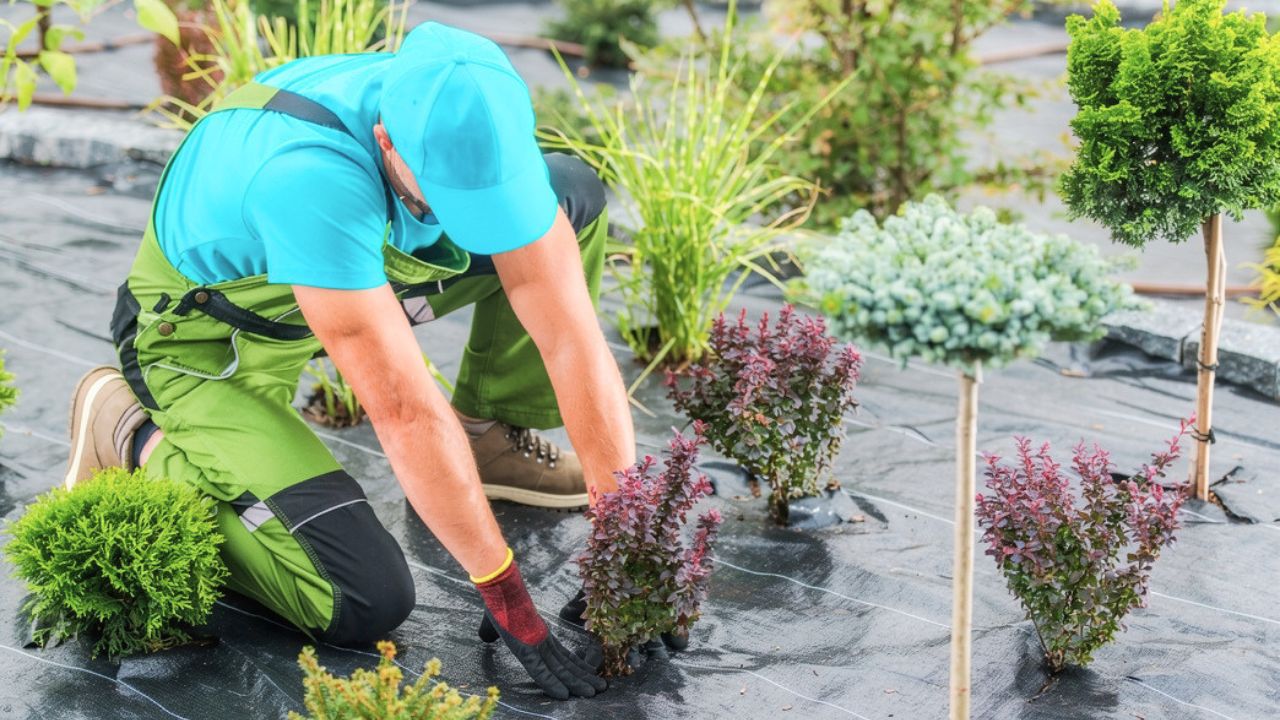
In flower beds, gardeners also tend to add just enough soil on top of the barrier to tuck in new plants. That shallow layer becomes a perfect seed bed for wind-blown weeds. Within a couple of seasons, the surface is full of dandelions and crabgrass anchored in a mat of decomposed mulch, while the original weeds beneath the fabric may still be alive and pushing at the edges.
Plastic fabric also blocks the normal exchange between soil and the organic matter that should be feeding it. One detailed critique of flower bed barriers points out that healthy plants start with healthy soil and that building that soil is an ongoing process, not a one-time project. When a sheet of polypropylene sits between mulch and earth, earthworms and microbes cannot easily pull down the material that would usually improve structure and fertility.
The result is a bed that looks tidy for a short window, then slides into decline, with compacted, low-oxygen soil and a growing layer of debris on top that behaves like a separate, shallow planter.
The moment regret sets in
Gardeners often reach a breaking point when they try to refresh or redesign a bed covered in fabric. One homeowner described pulling mulch aside to plant a new shrub and finding a frayed, half-buried sheet that disintegrated into strips whenever it was cut. Others discover that every perennial they want to move has roots woven through the barrier, so lifting a clump tears the plant apart or drags up huge sections of plastic.
That frustration is visible in video diaries where people document ripping out old barriers. In one clip focused on removing landscape fabric, the gardener explains that an annual bed converted to perennials is far easier to manage once the plastic is gone. The process is slow and physical, but the payoff is a cleaner planting area and better long-term growth.
Professional crews echo that sentiment. Guides written for maintenance teams describe jobs where the fabric has broken into pieces that clog rakes and shovels. Instead of lifting large intact sheets, workers spend hours teasing out fragments around roots and edging. One step-by-step tutorial on how to remove notes that old material can be so brittle that it comes up in handfuls, which complicates both cleanup and disposal.
For many homeowners, the turning point comes when they realize that the barrier did not even deliver on its core promise. A detailed breakdown of flower bed performance explains that landscape fabric often fails to suppress weeds once organic matter builds up on top. The author lists this as “Reason 1” not to use it and describes how roots from both weeds and ornamentals tangle through the sheet, making later removal far more disruptive than simple hand weeding would have been.
By that stage, gardeners are not just annoyed with the product. They are angry with themselves for putting a long-lasting plastic layer into a space that was supposed to be alive and easy to work.
Why the soil suffers
Beyond the practical headaches, there is growing concern about what fabric does to soil life. Commenters in the Knox Area Gardening Tips community, including Liz Mabey, have bluntly said “I despise landscape fabric” and described being left yanking out deteriorated remains years later while the soil underneath stayed lifeless. That sentiment matches a broader shift toward soil-focused gardening, where the priority is to feed microbes, fungi and worms rather than cover them with plastic.
Several technical assessments now argue that fabric contributes to compaction. One analysis of six reasons to skip it notes that in order to be healthy, soil needs air pockets created by roots and organisms. When a dense sheet covers the surface, rain hits, spreads and runs off instead of soaking in, which gradually presses the top layer into a hard pan. Another review of the impacts in a highlights how roots can circle along the barrier rather than branching deeply, which leaves plants less anchored and more vulnerable to wind or drought.
Organic horticulturists also worry about trapped moisture. As permeability declines, wet spots around stems can encourage fungus and rot. One detailed warning from a group of master gardeners describes how fabric that once drained well can start to smell rotten when saturated, a sign that anaerobic conditions have developed under the sheet.
Conditions like that undermine the very soil-building process that long-term gardeners rely on, especially in beds intended for shrubs and perennials that might stay in place for a decade or more.
Pulling it up without destroying the bed
Once the decision is made to remove fabric, the work needs to be methodical. Guides aimed at homeowners stress the importance of starting with the surface. The first step is usually to rake back mulch or rock, then locate edges and seams. One walkthrough on best way to advises gardeners to gather basic tools such as gloves, a utility knife and a shovel, then work in small sections to avoid tearing plants or leaving shreds behind.
Specialty instructions focus on established beds. A detailed checklist on removing old barriers without harming roots recommends cutting around the base of each plant with scissors or garden shears, then sliding hands or a trowel underneath to lift the sheet in pieces. Another section of the same guide advises people not to yank when fabric feels stuck, since roots may have grown through it, and to instead work the material out gently under the roots.
Where the barrier is still mostly intact, professionals sometimes lift it in wide strips. One crew-oriented manual on how to remove suggests rolling or folding sections as they come up, which keeps sharp edges contained and makes disposal easier. The same guidance notes that heavily degraded plastic should be bagged carefully so fragments do not blow back into the yard.
Home gardeners who document their own projects often combine these tactics. Some, inspired by no-dig methods shown in videos on sheet mulching, remove what they can, then smother remaining scraps with thick layers of compost and cardboard. One no-dig progress series demonstrates how a previously fabric-covered area can be rebuilt with successive layers of organic material that gradually restore soil structure.
Better options for weed control
Like Fix It Homestead’s content? Be sure to follow us.
Here’s more from us:
- I made Joanna Gaines’s Friendsgiving casserole and here is what I would keep
- Pump Shotguns That Jam the Moment You Actually Need Them
- The First 5 Things Guests Notice About Your Living Room at Christmas
- What Caliber Works Best for Groundhogs, Armadillos, and Other Digging Pests?
- Rifles worth keeping by the back door on any rural property
*This article was developed with AI-powered tools and has been carefully reviewed by our editors.