ICE’s $38.3 billion detention buildout plan is sparking backlash — and the document lays out “mega” centers
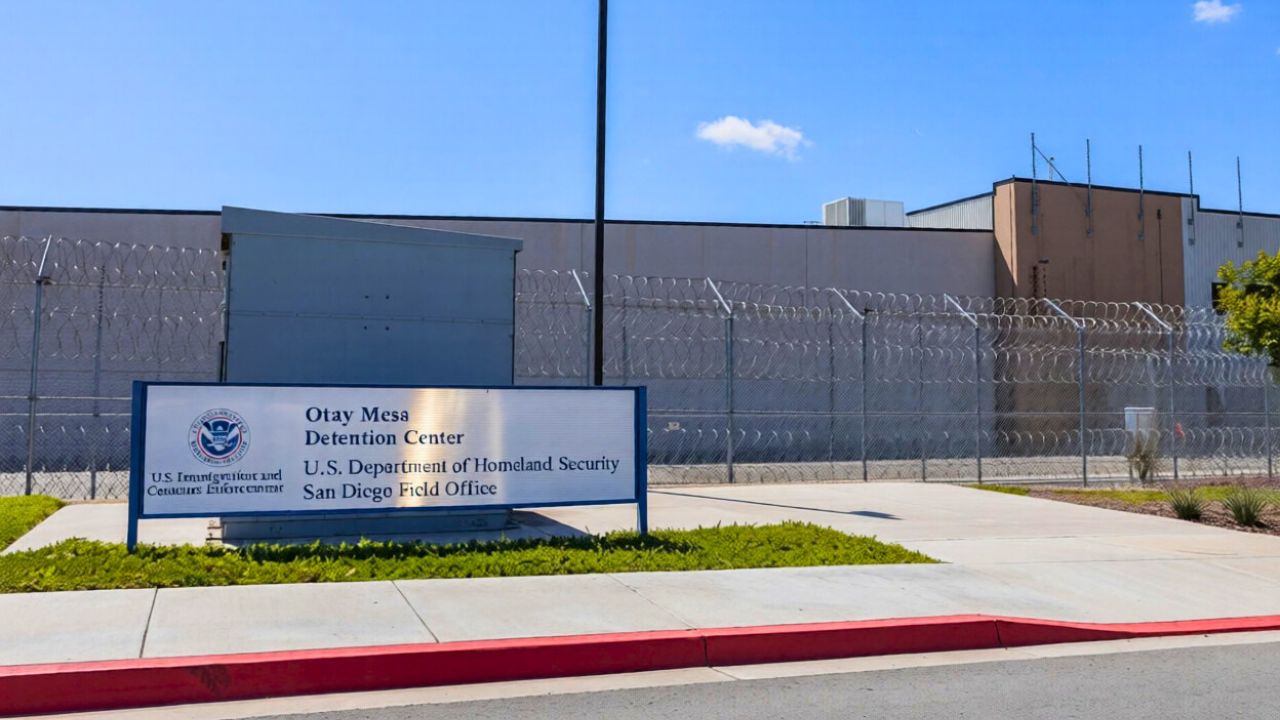
WASHINGTON — Immigration and Customs Enforcement plans to spend $38.3 billion by the end of the year on a major detention-and-processing expansion aimed at holding tens of thousands of immigrants slated for deportation, according to a planning document obtained and published by New Hampshire Gov. Kelly Ayotte’s office.
The plan is attention-grabbing because it isn’t just “more beds.” It’s a full redesign of the detention pipeline. Reuters reported the document describes eight large detention centers designed to hold 7,000 to 10,000 detainees for an average stay of about 60 days, plus 16 regional processing centers (converted from existing buildings) intended to hold 1,000 to 1,500 detainees for shorter stays of three to seven days.
The proposal also calls for ICE to buy 16 existing buildings and renovate them, and to acquire an additional 10 “turnkey” facilities where it already operates. The renovations described in the document include detention space, medical and dental services, cafeterias, recreational areas, dormitories, and courtroom space.
Why it’s blowing up: the spending jump is huge. Reuters reported the July 2025 spending package that funded this approach included $45 billion for detention as part of a broader immigration enforcement boost, compared with $3.4 billion in the 2024 fiscal year budget for immigration detention. And the plan explicitly ties the expansion to an expected rise in arrests in 2026, citing the hiring of 12,000 more agents.
ICE projects the facilities could be operating by the end of November 2026, increasing total detention capacity to 92,600 beds, according to the same document. Reuters also reported government data showing the number of people in ICE detention has risen by about 74% since Trump took office in January 2025, to more than 68,000 this month.
Supporters of the expansion argue it’s about logistics: fewer contracted facilities, more centralized capacity, and faster removals. Critics argue it’s building a permanent, expensive detention footprint that will be hard to unwind and could expand detention in ways the public won’t fully see until it’s running.