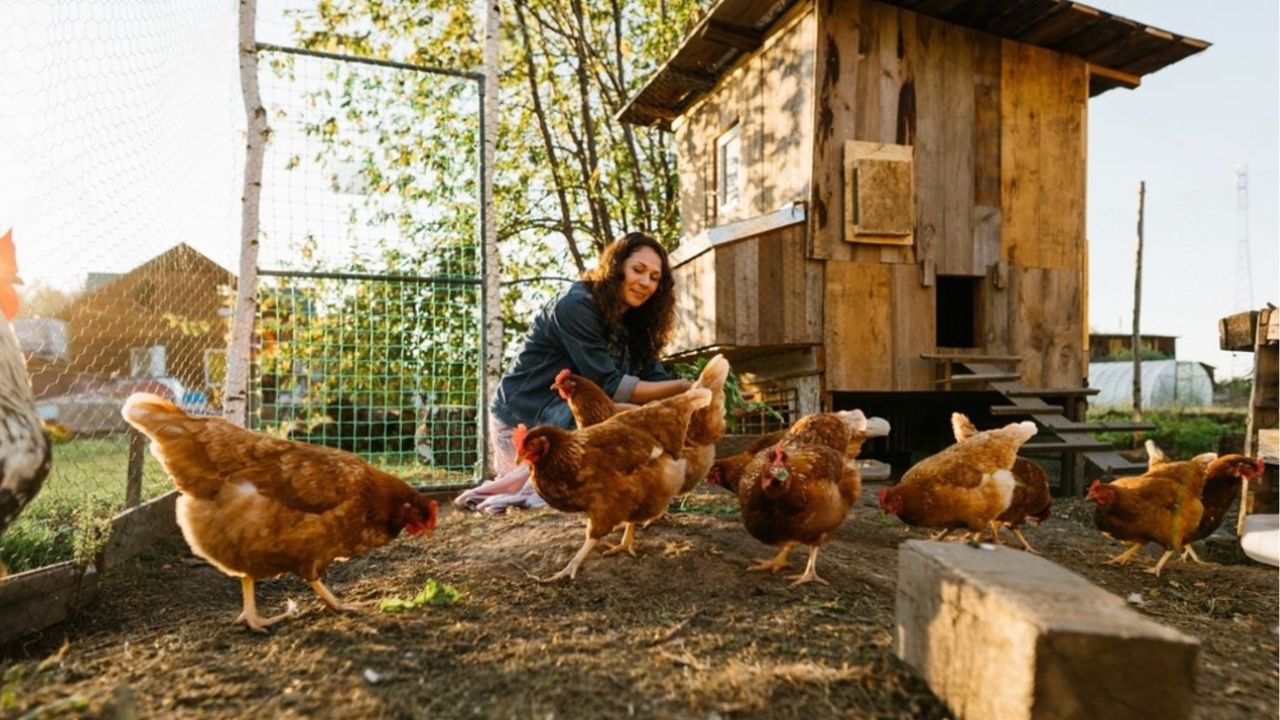
If you keep backyard chickens, the H5N1 headlines are a reminder to tighten biosecurity basics
H5N1 headlines are unsettling for anyone who collects eggs from a coop instead of a carton, but they are also a practical reminder that your backyard is part of a much larger disease-control picture. Highly pathogenic avian influenza moves quickly through birds, and the same simple habits that protect commercial barns can sharply cut the odds that it ever reaches your hens. If you tighten a few daily routines now, you can keep enjoying your flock while lowering risk for your birds, your household, and your neighbors.
Why H5N1 matters even in a small backyard coop
It is tempting to assume that a dozen hens behind a privacy fence are insulated from the kind of outbreaks that make national news, yet the virus does not care whether birds live in a mega-barn or a decorative urban run. Avian influenza harms poultry flocks most severely when it is highly pathogenic, and H5N1 falls into that HPAI category, which means a single introduction can lead to rapid illness and death across your birds. Guidance for noncommercial owners stresses that even small flocks are part of the same disease ecosystem as large farms, so your choices about cleanliness, visitors, and bird movement influence how easily the virus can travel between properties and communities.
Wild waterfowl and shorebirds are the main long-distance carriers, but they do not have to land in your yard to cause trouble. Virus particles in droppings can contaminate puddles, feed, or soil, and then ride into your coop on boots, tools, or pet paws. Public health and animal health agencies frame prevention in simple terms: you protect your birds by limiting contact with infected birds, their secretions, and anything they have touched, and by reporting any sudden illness or unexplained deaths promptly so officials can respond to suspected HPAI in time to contain it.
Biosecurity basics: the mindset behind the rules
Before you change a single chore, it helps to think of biosecurity as a mindset rather than a checklist. The core idea is that every time you, a visitor, a vehicle, or a piece of equipment crosses the invisible line between “outside” and “coop,” you either block or carry in germs. Federal programs that urge flock owners to defend the flock boil this down to a few habits: keep your distance from other birds, keep it clean, do not bring in disease on shoes or tools, and watch your birds closely so you can act quickly if something looks wrong.
That mindset is just as relevant to a backyard as to a commercial barn. Extension specialists emphasize that good biosecurity measures such as hand washing, dedicated clothing, and dedicated shoes are needed to keep backyard flocks safe, and that these routines should be in place before there is any sign that something serious does happen. When you treat your coop like a small, secure facility instead of a casual hangout, you are more likely to notice when a gate is left open, a waterer is dirty, or a visitor walks in wearing shoes that were just at a live bird market, all of which can change your flock’s risk in an instant.
Controlling contact with wild birds and other poultry
Most backyard flocks do not share fence lines with industrial barns, but they almost always share airspace and water sources with wild birds. Migratory ducks and geese can shed H5N1 in droppings that land in ponds, ditches, or lawns, and those contaminated spots can become a bridge into your coop. Public health guidance for small flock owners urges you to prevent contact between wild birds and domestic birds by removing standing water, fencing off natural ponds and vegetation that attract waterfowl, and keeping feed and water where wild birds cannot easily reach them, so you are not inadvertently inviting carriers into your birds’ daily path.
That separation also applies to other people’s poultry. As migratory birds return to your area, local health departments advise you to protect your backyard flock from avian influenza H5N1 by tightening how you move birds on and off your property and by avoiding casual visits to swap meets or shows with lax hygiene. Recommendations for how to protect your flock highlight simple steps such as preventing contact with wild birds, avoiding shared water sources, and skipping nonessential trips that mix your birds with others, because every extra contact point is another chance for the virus to hitch a ride into your coop.
Cleaning, clothing, and the “coop-only” rule
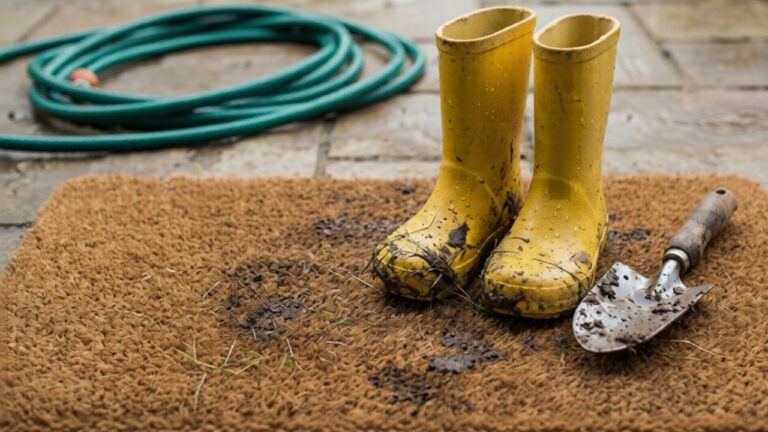
Clothing and footwear are some of the most overlooked disease carriers in a backyard, largely because they feel so ordinary. Yet the same jeans and boots that walk through a park full of geese or a neighbor’s muddy run can carry virus particles straight into your nest boxes. Poultry health experts recommend that you wear clean, dedicated flock clothes and shoes whenever you care for your birds, and that you store those items near the coop instead of in your living spaces so they do not pick up contaminants from other environments between chores.
Some specialists go further and advise you to shower and change clothes before caring for chickens after going to any location where other poultry or wild birds are present, whether that is a feed store parking lot, a pond, or a friend’s farm. They frame this as part of a broader set of good biosecurity measures that also include thorough hand washing and routine cleaning of tools and surfaces, all aimed at keeping backyard flocks safe. If you treat your coop like a clean zone, with a clear “coop-only” rule for shoes and clothing, you dramatically cut the number of chances H5N1 has to cross your threshold on fabric, laces, or skin.
Managing people, pets, and traffic around your birds
People often think of wild birds as the main threat, but human visitors and household pets can be just as efficient at moving pathogens from place to place. National campaigns that urge owners to put simply that we have to work together to protect our flocks also tell you to keep visitors to a minimum and only allow those people who have a reason to be there into your poultry areas. The same guidance stresses that everyone who has contact with your birds should understand and follow your biosecurity rules, from where to park to which boots to wear, so you are not relying on luck or politeness to keep germs out.
Pets and vehicles deserve the same scrutiny. Public health advice for backyard poultry owners notes that you should use dedicated shoes when caring for poultry and keep them outdoors, avoid putting poultry near your face, and avoid kissing backyard birds, because close contact can expose you to germs that birds shed. It also recommends that you clean vehicles and cages that have been in poultry environments, since tires and crate floors can track contaminated mud or droppings into your driveway or garage. When you combine limits on visitors with clear rules for pets, cars, and equipment, you turn your yard into a controlled space instead of an open thoroughfare for whatever H5N1 might be circulating nearby.
Feed, water, and coop design that work in your favor
How you set up your coop and run can either help or hinder your biosecurity goals. Open feeders and uncovered waterers are magnets for sparrows, starlings, and other wild birds that may have contact with infected flocks or contaminated environments. Disease-prevention guidance for backyard chickens warns that natural waterways and open food sources attract wild birds and recommends sheltering backyard birds and keeping feed in covered containers or feeders, preferably inside the housing area, to reduce the number of wild visitors that can leave droppings where your hens eat and drink.
Physical barriers matter as well. Extension materials for noncommercial poultry owners point out that smaller mesh hardware cloth can help keep wild birds and rodents from entering coops and runs, and that you should disinfect vehicle and trailer tires that come near your poultry areas so you are not rolling contaminated soil into your yard. When you pair those structural choices with routine cleaning of feeders, waterers, and bedding, you create a coop that does some of the biosecurity work for you, instead of relying solely on daily vigilance to keep H5N1 and other pathogens at bay.
Handling birds, eggs, and manure without taking unnecessary risks
Backyard chickens are often treated like pets, which makes it easy to forget that they can carry germs that affect people as well as other birds. Public health guidance on backyard poultry stresses a few simple rules: use dedicated shoes when caring for poultry, keep those shoes outdoors, do not put poultry near your face, and do not kiss backyard birds. Those same recommendations remind you to wash your hands thoroughly after handling birds, eggs, or anything in the coop, and to keep poultry and their supplies out of kitchens and areas where food is prepared, so you are not giving pathogens a shortcut into your household routines.
Protecting yourself is not only about hand washing. When you are cleaning a coop, disposing of dead birds, or working in a space where sick birds have been, officials advise you to follow recommended PPE, which includes putting on PPE before you go into the coop or poultry environment and avoiding wearing or storing that PPE in your home afterward. That protective gear can include gloves, eye protection, and a head cover or hair cover, all designed to keep contaminated dust and droplets off your skin and out of your lungs. Treating eggs and manure with the same respect, by collecting eggs frequently, discarding cracked shells, and composting litter away from play areas, helps you enjoy the benefits of your flock without taking on unnecessary health risks.
When to call for help and how to plug into official alerts
Even the best biosecurity plan cannot eliminate risk entirely, which is why knowing when to ask for help is part of responsible flock ownership. Educational materials for urban and backyard poultry owners emphasize that you should always report any signs of disease or sudden deaths in your birds to animal health authorities, because early reporting gives veterinarians and regulators a chance to test for avian influenza and other threats before they spread. Symptoms such as a sharp drop in egg production, birds that stop eating, or multiple deaths in a short period are all reasons to pick up the phone rather than waiting to see if things improve on their own.
Local and regional agencies are also pushing out practical tools to help you stay ahead of H5N1. Health departments that focus on how to protect your backyard flock from avian influenza H5N1 encourage owners to sign up for alerts as migratory birds return to their regions, so you know when risk is rising and which specific practices to tighten. State extension services remind small scale and backyard poultry owners that they should remain vigilant to protect against highly pathogenic avian influenza, and they spell out steps such as preventing contact between wild and domestic birds, removing standing water, and fencing off natural ponds and vegetation that attract waterfowl. Staying plugged into those channels turns biosecurity from a static checklist into an evolving partnership with the people tracking the virus in real time.
Learning from 2025’s flock owners and experts
Across the country, veterinarians, extension agents, and humane organizations are using the current H5N1 cycle to translate big-picture science into backyard-scale habits. Poultry health experts explain that wild birds can spread the virus to backyard flocks through their droppings and contaminated feed or water, and that although rare, infections in people can occur when there is close, unprotected contact with sick or dead birds. They advise you to keep visitors to a minimum, limit trips that take your birds to sales and shows, and treat every new bird as a potential source of infection until it has been quarantined and observed, because those are the moments when H5N1 is most likely to jump into an otherwise healthy flock.
On the ground, that advice is being echoed by local educators and shelters. In one televised segment, staff at the San Diego Humane Society noted that, at the time of their report, no backyard chickens in their county had tested positive for bird flu, and they used that breathing room to urge owners to act before the virus arrived rather than after. Extension specialists in Jan have been just as blunt, telling flock owners that good biosecurity measures such as hand washing and dedicated clothing and shoes are needed to keep backyard flocks safe and that these routines should be in place long before there is any sign that something serious does happen. When you combine that local experience with broader guidance that tells you not to share equipment or supplies with other bird owners and to wear clean clothes and footwear around your birds, you end up with a practical, layered defense that fits comfortably into a backyard routine.
Putting it all together in a realistic daily routine
Turning guidance into habit starts with a few nonnegotiables that you repeat every day until they feel automatic. Disease-prevention checklists for small flocks suggest that you isolate your flock from other birds, both wild and domestic, keep feed in covered feeders, preferably inside the housing, and avoid unnecessary traffic in and out of your coop. Federal materials that explain how to protect birds from avian influenza translate those ideas into simple rules like keep your distance by restricting access to your property and your birds, keep it clean by washing hands and equipment, and avoid tracking disease in on shoes, clothing, or tools that have been in contact with other poultry.
From there, you can build a routine that fits your yard and schedule. A typical day might start with slipping into your coop-only boots and jacket at the edge of your poultry area, checking that wild birds cannot reach your covered feeders and waterers, and walking your perimeter to confirm that fences and hardware cloth are intact. After chores, you would wash your hands, leave your dedicated clothing outside your living space, and make a quick note of any changes in behavior, appetite, or egg production. If you plan to visit a farm store, show, or another flock, you would do that after your own chores, then shower and change before going back into your coop. Over time, those small, consistent steps, backed by programs that urge you to make sure everyone who has contact with your birds follows the same rules, turn your backyard into a place where H5N1 has far fewer opportunities to gain a foothold.
Staying flexible as the science and seasons change
H5N1 is not a static threat, and neither should your biosecurity plan be. As migratory patterns shift and surveillance data evolve, agencies update their recommendations on how to protect your backyard flock from avian influenza H5N1, including when to move birds indoors, when to cancel shows, and which regions face the highest risk from wild carriers. Extension resources that focus on avian influenza and biosecurity in 2025 urge you to revisit your setup regularly, looking for new ways to isolate your flock from other birds, keep feed in covered feeders inside the house, and adjust your routines as you learn more about how the virus is moving through your state or region.
Flexibility also means being willing to tighten or relax certain measures as conditions change. During peak migration, you might decide to suspend visits from friends who keep poultry, stop taking birds to community events, and double down on cleaning and PPE, following detailed advice on how to protect backyard chickens from avian flu that tells you not to share equipment or supplies and to wear clean clothes and footwear around your birds. When risk ebbs, you can maintain core habits like dedicated clothing, covered feed, and limited wild bird access while easing off on the most disruptive restrictions. By treating biosecurity as a living plan rather than a one-time project, you give your flock the best chance to ride out whatever the next H5N1 headline brings.
Like Fix It Homestead’s content? Be sure to follow us.
Here’s more from us:
- I made Joanna Gaines’s Friendsgiving casserole and here is what I would keep
- Pump Shotguns That Jam the Moment You Actually Need Them
- The First 5 Things Guests Notice About Your Living Room at Christmas
- What Caliber Works Best for Groundhogs, Armadillos, and Other Digging Pests?
- Rifles worth keeping by the back door on any rural property
*This article was developed with AI-powered tools and has been carefully reviewed by our editors.