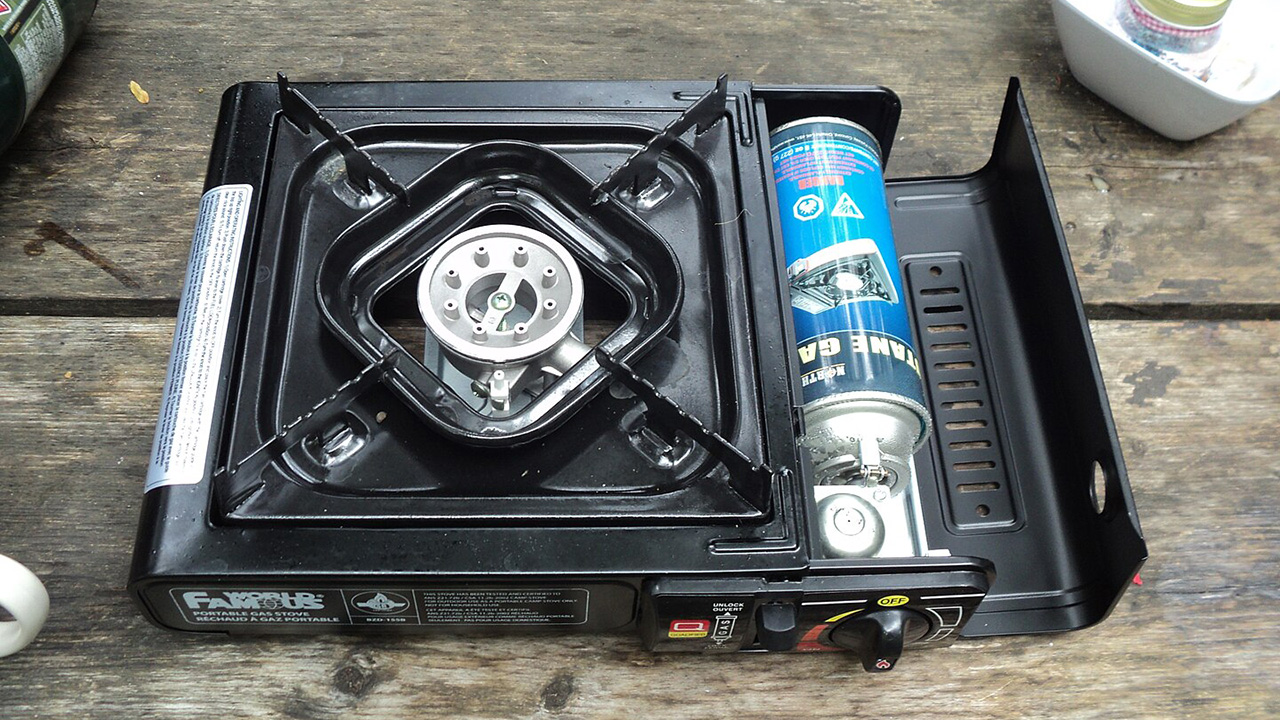
If you use a butane stove for emergencies, this is the safe place to use it
When the power goes out or a storm keeps you homebound, a portable butane stove can feel like a lifeline. Used in the wrong place, though, that same burner can quietly fill your space with toxic gas or start a fire faster than you can grab a fire extinguisher. If you rely on butane for emergencies, you need a clear plan for where it is actually safe to cook, and where it is not.
The safest setup is not about improvising on the fly, it is about choosing a location that gives the flame room to breathe, keeps fuel away from heat, and leaves you an exit if something goes wrong. Once you understand how butane behaves and how emergency agencies expect you to use it, you can decide exactly where that stove belongs long before the lights go out.
The single safest place to use a butane stove in an emergency
If you own a butane stove for blackouts or disasters, the safest place to use it is outside, on a stable, non combustible surface, in open air. You want a spot that is sheltered from heavy rain and strong wind but still fully outdoors, such as a concrete patio, driveway, open carport, or balcony that is not enclosed by glass or plastic. That location keeps any leaked gas or exhaust from building up around you and gives you space to move away if the flame flares or the canister overheats.
Health authorities are explicit that portable butane stoves should never be used inside small, enclosed spaces because burning fuel can release carbon monoxide, which can cause headache, shortness of breath, fatigue, and death, so your “safe place” must be somewhere that air can freely circulate in all directions rather than a sealed room or tent. Guidance on barbecue and burner safety also stresses that any fuel burning appliance should be used outside and in a well ventilated area, with the unit set on a firm, level surface to reduce the risk of it tipping over, which is exactly the kind of setup you should be aiming for when you choose your emergency cooking spot.
Why indoors is usually the wrong answer
In a storm or deep freeze, it is tempting to bring the stove to the kitchen counter and pretend it is just another burner, but that is where the risk spikes. Combustion from butane produces carbon monoxide and other gases that can accumulate quickly when you cook in a closed room, especially if you are simmering food for more than a few minutes. Unlike smoke, carbon monoxide is invisible and odorless, so you will not get an early warning before it starts affecting your brain and lungs.
Safety guidance on portable burners notes that using them in enclosed spaces can lead to symptoms like shortness of breath, fatigue, and death, and that is before you factor in the fire risk from curtains, cabinets, or paper towels near the flame. Research on camp stoves that use isobutane and propane canisters has found that these burners can produce unsafe carbon monoxide levels when they are used in enclosed spaces, which is a strong signal that your living room, bedroom, or bathroom should never double as an emergency cook site.
When limited indoor use might be possible
There is a narrow middle ground that some preparedness experts and manufacturers acknowledge, and it starts with the stove itself. If your unit is explicitly rated for indoor use and the instructions say it can be operated inside, you may be able to use it in a large, well ventilated room for short cooking tasks, such as boiling water or reheating food. Even then, you should treat it as a last resort, not your default plan, and you should never sleep in the same room while the stove is in use or still hot.
Some emergency cooking guides describe using a butane stove that is rated for indoor use on a sturdy table away from combustibles, but they still emphasize that alternative cooking sources should be kept outside and at least 20 feet from windows whenever possible. Other camping resources frame the question bluntly, asking “Is It Safe to Use Camping Stoves Indoors” and answering that camping stoves can sometimes be used inside only if there is strong ventilation, constant supervision, and strict attention to manufacturer instructions, and that they should not be left unattended under any circumstances.
Ventilation: what “enough fresh air” really looks like
If you ever have to light a butane stove in a semi enclosed area, ventilation is your only real safety margin. Proper airflow means more than cracking a single window, it means creating a clear path for fresh air to enter and exhaust to leave, ideally on opposite sides of the space. That might look like opening a sliding door fully, propping open a second window, and running a fan that pushes air out, not just around the room.
Indoor camp stove guidance stresses that proper ventilation is essential when you cook with a portable burner, and that you should always make sure there is fresh air circulating to maintain a safe indoor cooking environment. Practical setup advice for using a camping stove inside says to open windows and doors fully and to keep someone in the room to supervise, which reflects the reality that ventilation is not a one time switch you flip but a condition you maintain the entire time the flame is burning.
Choosing the right surface and layout
Even in the safest location, your stove is only as secure as the surface you set it on. You should place the unit on a stable, heat resistant platform such as a metal table, stone countertop, or bare concrete, and avoid plastic folding tables, vinyl flooring, or anything that can soften or melt. The legs of the stove need to sit flat so the pot does not wobble, and you should keep the fuel canister away from direct sunlight or other heat sources that could raise its temperature.
Indoor setup advice for camping stoves recommends placing the unit on a sturdy, level surface and clearing the area around it so nothing can catch fire if a pot boils over or the flame flares. Official barbecue safety guidance adds that burners should be clean and that you should position them outside and in a well ventilated area to reduce the risk of tipping over, which is why you should never balance a butane stove on a couch, bed, or improvised stack of boxes, no matter how desperate the situation feels.
Fuel, flames, and the invisible risks
Butane canisters are designed to be safe when used correctly, but they are still pressurized containers of flammable gas, and that deserves respect. Before you ever strike a match, you should inspect the stove and canister for damage, make sure the locking mechanism is engaged, and confirm that there are no leaks by listening and smelling around the connection point. You should also keep spare canisters away from the active burner and store them in a cool, dry place where they will not be exposed to open flame or high heat.
Detailed guidance on portable butane stove safety tips advises you to keep a fire extinguisher nearby, to avoid using oversized pans that can trap heat around the canister, and to shut off the stove immediately if you suspect a malfunction. Broader burner safety advice notes that before using a butane stove you should ensure that it is in an appropriate location with adequate ventilation, because poor airflow can expose you to dangerous gases, including the risk of carbon dioxide and carbon monoxide poisoning if combustion is incomplete.
What emergency agencies and manufacturers actually recommend
When you look at how emergency managers and manufacturers talk about butane stoves, a consistent pattern emerges: they are tools for outdoor or highly ventilated use, not substitutes for your kitchen range. Official guidance on safe cooking methods during a power outage lists portable camp stoves as an option but stresses that alternative cooking sources can be dangerous and should only be used outdoors and kept at least 20 feet from windows, which is a clear signal that your porch or yard is the intended setting. That distance helps keep exhaust and any stray fumes from drifting back into your home through open windows or vents.
Manufacturer instructions echo that caution. One set of butane stove directions includes a section labeled “Precautions on Place of Use” that tells you not to use the unit in unventilated places and to keep it away from flammable materials, which effectively rules out closets, bathrooms, and cramped hallways. Emergency gas safety guidance also advises you to allow good airflow to drive gas out of the area if there is a leak and to avoid using open flames in confined spaces, reinforcing the idea that your safest plan is to treat the stove as an outdoor appliance that only comes near a doorway or window when you have no other choice.
How real world users manage the risk
Preppers and campers who rely on butane stoves tend to develop their own rules of thumb, and those habits are instructive. In one online discussion about how safe it is to use a camping stove indoors, a commenter identified as S_Serpent summed up the prevailing wisdom by saying that anything with an open flame belongs in a space with serious ventilation, and that you should always have a carbon monoxide detector if you are cooking under a roof. That kind of peer advice is not a substitute for official guidance, but it shows how people who use these stoves regularly think about risk.
Preparedness writers who recommend butane for outages usually emphasize that you should choose a stove that is clearly labeled for indoor use if you plan to cook inside at all, and they still encourage you to default to outdoor setups whenever weather allows. One emergency cooking guide describes a butane stove as portable and convenient power outage cooking, but it also notes that you should verify whether your specific model is rated for indoor use and follow the manual closely, which is another way of saying that the safe place to use your stove is the one your manufacturer and local emergency officials agree on, not the one that feels most comfortable in the moment.
Building a practical emergency cooking plan
Knowing the safest place to use your butane stove is only useful if you plan around it before the next storm hits. You should pick a primary cooking spot, such as a covered patio or open garage doorway, and clear it of clutter so you can set up quickly when the power fails. It is also smart to stage a small kit there with a metal table, windscreen, matches or a lighter, a pot with a lid, and a fire extinguisher so you are not scrambling through dark rooms with an open flame in your hand.
Once you have that outdoor plan, you can decide what your backup will be if weather or security makes it impossible to cook outside, and that is where all the earlier guidance on ventilation, surface choice, and supervision comes into play. If you ever have to bring the stove closer to the house, you should treat it like a temporary hazard, not a convenience, and follow the same principles that research on camp stoves and carbon monoxide has highlighted, namely that stoves utilizing isobutane and propane fuel can produce unsafe CO levels and should not be used in enclosed spaces, which is your final reminder that fresh air is not optional when you light that burner.
Like Fix It Homestead’s content? Be sure to follow us.
Here’s more from us:
- I made Joanna Gaines’s Friendsgiving casserole and here is what I would keep
- Pump Shotguns That Jam the Moment You Actually Need Them
- The First 5 Things Guests Notice About Your Living Room at Christmas
- What Caliber Works Best for Groundhogs, Armadillos, and Other Digging Pests?
- Rifles worth keeping by the back door on any rural property
*This article was developed with AI-powered tools and has been carefully reviewed by our editors.