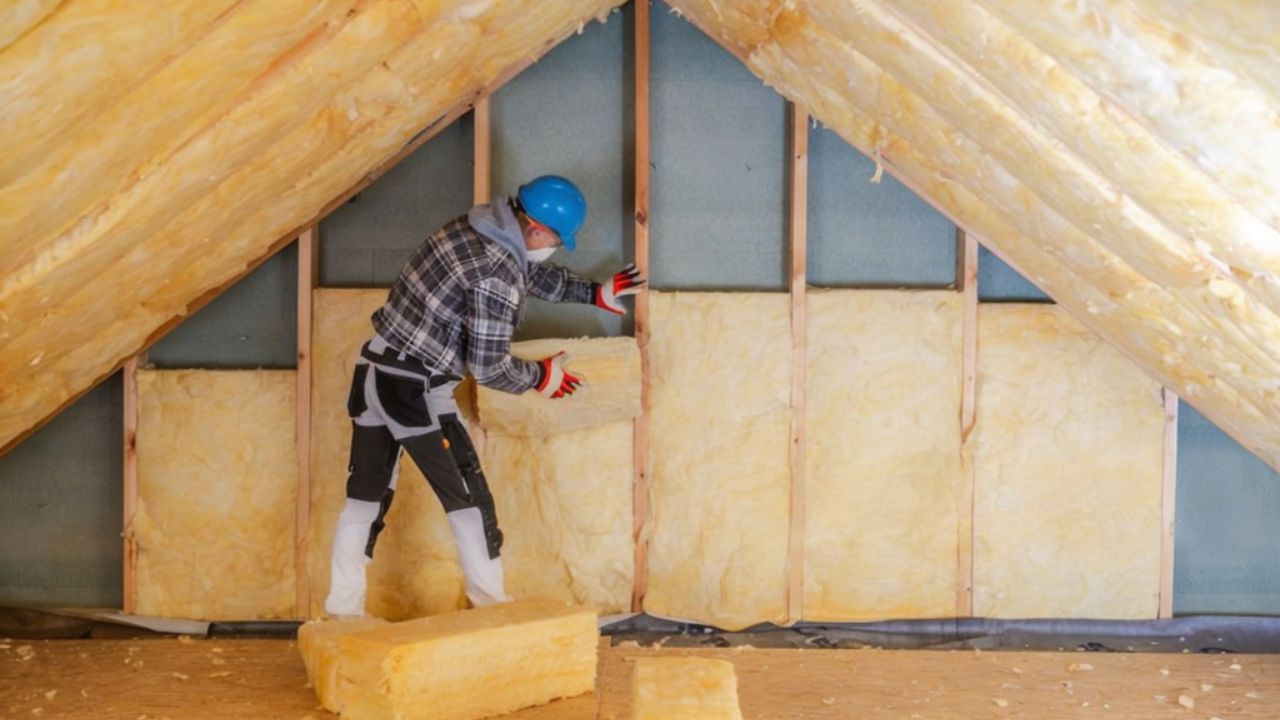
If your attic isn’t insulated properly, you’re throwing money away
If your house never feels as warm or cool as it should, the problem probably isn’t your HVAC system—it’s your attic. Poor insulation up there can quietly drain your wallet all year long. It’s one of those things you don’t think about until you notice your energy bill creeping higher every season.
The truth is, a poorly insulated attic can waste more energy than almost anything else in your home, and it’s often the reason your house feels uncomfortable no matter how much you adjust the thermostat.
Warm air rises—and escapes right through your attic
In winter, the heat your system works so hard to create naturally rises. Without enough insulation, that warm air slips through the ceiling and out of the attic. You’re left paying for heat that’s literally floating away. Then, when summer rolls around, the reverse happens. Hot air from the attic radiates down into your living space, forcing your air conditioner to run constantly.
Insulation is what keeps that air where it belongs. It acts as a barrier between the conditioned air inside your home and the unconditioned air outside. When it’s done right, your house maintains its temperature longer and your system doesn’t have to work nearly as hard.
Most homes don’t have enough insulation
Even newer homes can fall short when it comes to attic insulation. Builders often meet minimum code requirements, but “minimum” isn’t the same as efficient. Over time, insulation also settles, compresses, or gets moved around by critters and contractors crawling through the attic.
You can check your insulation levels with a flashlight. If you can see the tops of your joists, you don’t have enough. The Department of Energy recommends around 10 to 14 inches of insulation for most climates, but many homes fall well below that.
Signs your attic insulation is failing
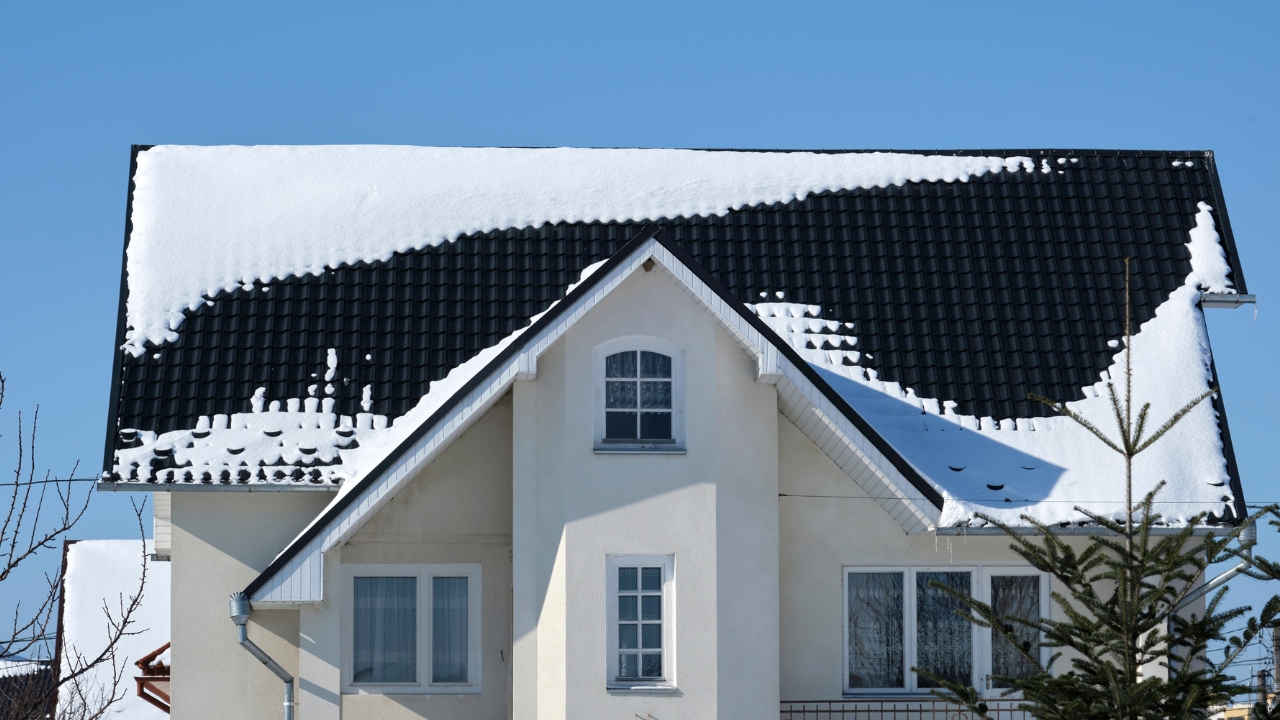
If certain rooms feel draftier than others or your upstairs stays hotter in summer and colder in winter, that’s a big clue. Ice dams forming on the roof or uneven melting after snow are also signs that heat is escaping through the attic.
You might even notice that your HVAC system runs constantly or your utility bills are rising faster than usual. Those are symptoms of a home that’s working too hard to make up for what’s leaking through the ceiling.
Air leaks make everything worse
Insulation alone won’t fix the problem if you also have air leaks. Gaps around vents, pipes, and attic hatches let conditioned air escape and pull in outside air. Before adding new insulation, seal those areas with spray foam or caulk. You’ll trap more heat where you want it and help your insulation work properly.
Think of it this way: insulation slows down the movement of heat, but sealing stops it from escaping in the first place. Doing both gives you the biggest payoff.
The best insulation types for the job
Fiberglass batts are common because they’re easy to install and affordable, but they need to fit tightly without gaps. Blown-in cellulose is another great option for filling irregular spaces, especially in older homes. For the highest efficiency, spray foam insulation creates an airtight seal that adds structure and reduces moisture issues.
Each has pros and cons, so the right choice depends on your budget, attic setup, and climate. But almost any upgrade will outperform what’s sitting in most attics right now.
Insulation affects more than your comfort
Beyond the temperature difference, good insulation also reduces wear on your HVAC system. The less your system has to cycle, the longer it lasts. You’ll spend less on repairs and replacements down the road, which adds up to real savings.
It also helps with soundproofing and can reduce humidity swings that lead to mold or mildew problems. You might not see those benefits right away, but they make your home healthier and more efficient over time.
A weekend project that pays off fast
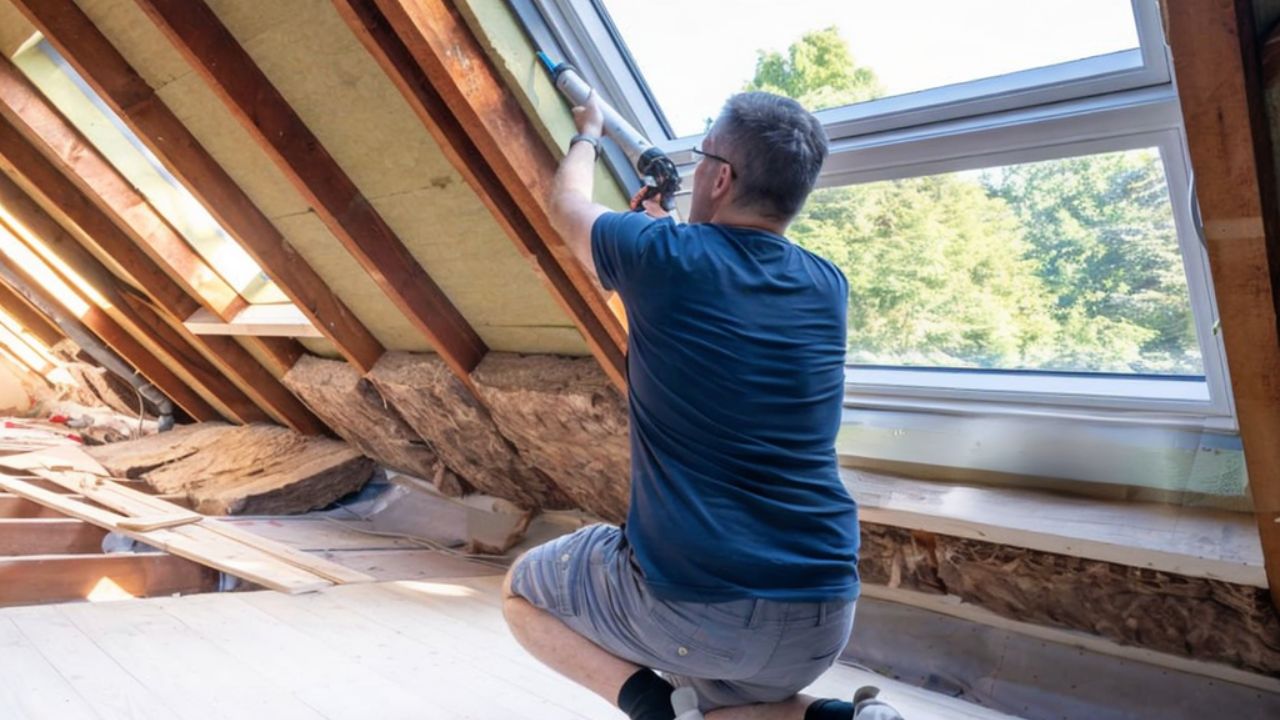
Upgrading your attic insulation doesn’t require a full remodel. With the right prep, you can tackle small sections yourself over a weekend. Focus on sealing first, then layer new insulation on top of what’s already there if it’s still in decent shape.
Even if you hire someone, it’s one of the fastest-return investments you can make in your home. The upfront cost is often offset by lower utility bills within a year or two.
Stop heating and cooling the outdoors
When your attic isn’t insulated properly, your house can’t hold onto the air you’ve already paid to heat or cool. That’s money you’re losing every single day. Fixing it doesn’t have to be complicated or expensive—it just takes attention to a part of the house most people forget about.
Once it’s sealed and insulated right, you’ll feel the difference immediately. Your rooms will stay comfortable longer, your energy bills will drop, and your system will finally get the break it deserves.
Like Fix It Homestead’s content? Be sure to follow us.
- I made Joanna Gaines’s Friendsgiving casserole and here is what I would keep
- Pump Shotguns That Jam the Moment You Actually Need Them
- The First 5 Things Guests Notice About Your Living Room at Christmas
- What Caliber Works Best for Groundhogs, Armadillos, and Other Digging Pests?
- Rifles worth keeping by the back door on any rural property
*This article was developed with AI-powered tools and has been carefully reviewed by our editors.