If your house was built in the 80s, this pipe could be your biggest surprise
If your house went up in the 1980s, the most expensive thing hiding behind the drywall may not be knob‑and‑tube wiring or asbestos tile, but a gray plastic pipe that looked like the future when builders first embraced it. Polybutylene, often shortened to “Poly B,” was sold as a miracle material, yet it has since become one of the most notorious sources of hidden water damage in North American homes. Before you remodel a kitchen or list your property, it is worth understanding whether this quiet risk is running through your walls and what you can do about it.
The surprise for many owners of 80s homes is that the plumbing system can be both out of sight and already past its expected life, even if the fixtures still shine. Once you know how to spot problem piping and how insurers, buyers, and inspectors treat it, you can decide whether to monitor, repair, or fully replace it on your own terms instead of waiting for a catastrophic leak to make the decision for you.
From “miracle plastic” to problem pipe
Polybutylene exploded in popularity in the late twentieth century because it was cheap, flexible, and fast to install compared with copper. From the mid‑1970s through the late 1990s, builders ran this plastic resin through millions of houses, townhomes, and mobile homes, especially in fast‑growing suburbs where speed and cost savings mattered most, a trend documented in guidance on POLYBUTYLENE PIPES: WHAT TO DO IF YOUR HOME HAS THEM. At the time, the material checked every box for builders: it resisted freezing better than rigid metal, required fewer fittings, and could be snaked through tight framing with minimal labor.
That early enthusiasm did not last. As the first generation of installations aged, homeowners began reporting leaks at fittings, pinhole failures in the pipe walls, and sudden bursts that soaked ceilings and floors. Those failures triggered a major class‑action lawsuit during the 1980s and 1990s and pushed regulators, insurers, and manufacturers to reassess whether polybutylene could survive long term under normal municipal water conditions. The same plastic that once symbolized modern efficiency is now widely treated as a liability that you, as an owner of an older home, need to factor into your maintenance and resale plans.
Why 80s houses are squarely in the risk window
If your home was built in the 1970s, the 1980s, or the 1990s, you sit squarely in the age band where polybutylene was most aggressively installed. Plumbing specialists flag that the age of your home is a first screening tool, noting that houses from those decades have a real chance of hiding Polybutylene Pipes behind finished walls and ceilings. That is especially true in tract developments where builders standardized on one plumbing system across hundreds of lots.
Renovation history matters as well. If your property was built or renovated between 1985 and the late 1990s, there is a good chance that at least some of the supply lines are made from what many contractors now call Poly B piping, a shorthand for the same polybutylene material described in warnings about Poly B corrosion problems. Even if a bathroom or kitchen has been cosmetically updated with new fixtures, the original plastic trunk lines often remain in place, which means the risk profile of the house may not match its fresh finishes.
What polybutylene actually is
To understand why this pipe has such a checkered reputation, it helps to know what it is made of. Polybutylene is a plastic resin, sometimes labeled PB‑1, that belongs to a family of polyolefin polymers engineered for flexibility and low cost. Plumbing references describe What Are Polybutylene Pipes and Why Are They A Problem? by noting that the material was used extensively in the late twentieth century as an alternative to copper in the United States, particularly for interior water distribution and underground service lines.
Technical overviews of What are Polybutylene Pipes? explain that the resin is a polymer of butene‑1, which gave it appealing properties on paper: resistance to scale buildup, smooth interior walls, and the ability to handle typical residential water pressures. For a time, those traits convinced builders and manufacturers that PB could be a long term solution. Only later did field experience reveal how the material behaves after years of exposure to treated water, oxygen, and mechanical stress, especially at fittings and bends.
The chemistry of failure: why the pipes break down
The core problem with polybutylene is not that it fails immediately, but that it degrades from the inside out in ways that are hard to see until a leak appears. Analyses of The Problems with Polybutylene Piping note that despite its widespread use, the material has been found to suffer from several inherent weaknesses, including susceptibility to embrittlement and cracking over time. Those weaknesses are amplified by the very thing the pipe is meant to carry: treated municipal water.
Inspectors who have studied Polybutylene’s Drama Queen Moments point to chlorine as a particular villain. In many systems, chlorine and other disinfectants slowly attack the inner surface of the pipe, a process sometimes described as Chlorine’s Revenge, creating micro‑fractures that grow under normal pressure cycles until the wall splits. Legal histories that catalog the Factors behind major polybutylene lawsuits emphasize that these failures occurred under normal usage conditions, not just in extreme scenarios, which is why the material ultimately fell out of favor with both builders and insurers.
How to tell if your home is affected
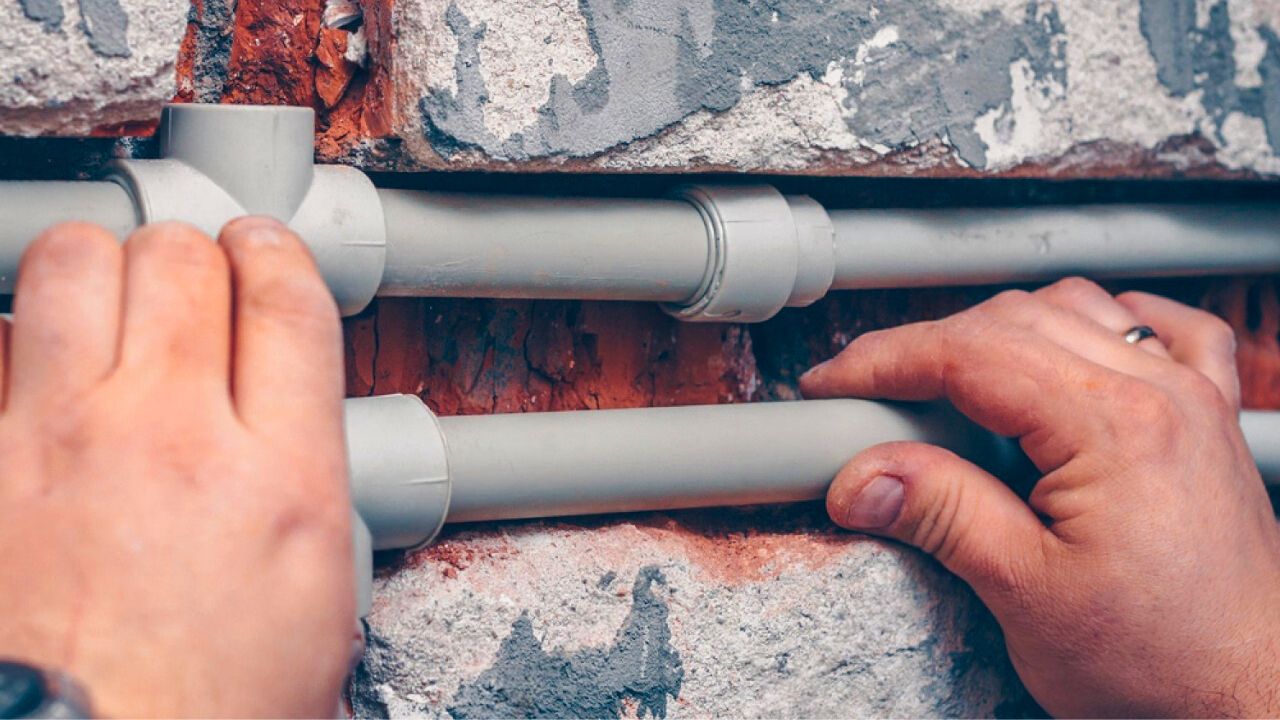
You do not need to tear out drywall to start investigating whether your house has PB. Many home inspectors will flag suspect plumbing lines during a pre‑purchase or pre‑listing inspection, but they are not required to report on them in every jurisdiction, which is why you should learn How do I Know if my Home is Affected? yourself. Typical clues include gray, blue, or black flexible plastic lines feeding water heaters, crawlspace manifolds, or basement runs, often with plastic or metal crimp ring fittings.
Guides on How to Identify Polybutylene Pipes explain that polybutylene was used in homes for piping from 1978 to 199, and that the material often appears in gray, silver, black, or blue. You can usually see it near the main shutoff, at the water heater, or where lines emerge in an unfinished basement or utility room. Some pipes are stamped with codes such as “PB2110,” which is a strong indicator that you are looking at PB supply lines rather than another plastic like PEX or CPVC. If you are unsure, a licensed plumber or experienced inspector can confirm the material type during a routine service call.
Poly B, Dura PEX, and other 80s–2000s plastic surprises
Polybutylene is not the only plastic that can surprise owners of 80s and 90s homes, but it is the one that tends to worry insurers and buyers the most. Service companies that work on older housing stock warn that if your Home built in the 80s, 90s, or early 2000s, You might have Poly or Dura PEX pipes hiding in your walls, and those pipe types each come with their own track record of issues. The common thread is that rapid innovation in plastic plumbing during those decades left some homeowners with systems that did not age as gracefully as copper or cast iron.
Energy and utility specialists now publish consumer alerts with titles like Poly B piping: Cracking the code before your pipes crack, underscoring that Poly B pipes are just built different, but not in a good way. Those alerts walk homeowners through how to distinguish between various plastics, what failure signs to watch for, and why some insurers now treat certain materials as higher risk. For you, the practical takeaway is that identifying the exact pipe type is not a cosmetic exercise, it directly affects your maintenance priorities and your long term costs.
What can go wrong if you ignore it
Leaving aging polybutylene in place is a calculated gamble, because the failure pattern is often sudden and severe rather than a slow drip you can catch early. Plumbing experts who catalog Why Are Polybutylene Pipes A Problem emphasize that when the pipe wall or fittings give way, they can cause large‑scale damage, soaking drywall, flooring, and insulation in a matter of minutes. Because the degradation often starts inside the pipe, you may see no warning signs on the exterior before a failure.
Contractors who specialize in older housing stock list polybutylene among the top plumbing problems in old houses and recommend that these lines be replaced before they fail. Real estate professionals echo that advice from a financial angle, noting that Polybutylene Kills a Home Price because the major issue with polybutylene is that it can deteriorate from the inside, become brittle, and lead to costly repairs, a point highlighted in market analyses of Polybutylene Kills a Home Price. If a leak occurs while you are away or in a finished ceiling cavity, the repair bill can quickly exceed what a planned repipe would have cost.
Insurance, lawsuits, and the money question
One of the most frustrating aspects of owning a home with PB is how insurers treat it. When you ask whether insurance will cover full replacement, the answer is that it depends on the provider, but general guidance is blunt that insurance companies do not provide blanket coverage for proactive repiping. Instead, they may only pay for specific water damage after a pipe bursts and damages the home, a limitation spelled out in explanations of does insurance cover polybutylene pipe replacement. Some carriers even surcharge or decline policies on homes that still have extensive PB systems.
The legal history is equally sobering. Builders were quick to embrace PB in the 1970s and 1980s, but as failures mounted, homeowners banded together in large class actions that scrutinized the Factors contributing to the failure of polybutylene pipes. Those cases led to settlement funds and replacement programs that have long since wound down, which means that if your 80s home still has PB today, you are unlikely to benefit from historic payouts. Instead, you need to weigh the cost of replacement against the potential for uncovered damage, higher premiums, or a lower sale price if a buyer demands concessions.
Your options: monitor, phase out, or fully repipe
Once you confirm that your home has PB, you have three broad paths: monitor and maintain, phase out over time, or commit to a full repipe. Some homeowners with hidden leaks wonder what is causing the problem, and in houses built between the late 1970s and the mid‑1990s, plumbing specialists often trace the issue back to PB lines that They Break Down Over Time. If one section has already failed, there is a good chance others will follow, which is why many plumbers recommend replacing the entire system rather than chasing individual leaks.
Educational resources framed as Everything Homeowners Should Know About Polybutylene Piping stress that PB was effectively banned from new installations after widespread water damage caused by leaking poly pipes. That history is why many professionals treat full replacement with modern PEX or copper as the gold standard, especially if you plan to stay in the home for years or sell into a competitive market. At a minimum, you can prioritize replacing exposed trunk lines and any sections near high value finishes, while keeping a close eye on remaining runs and budgeting for a staged upgrade.
Taking the next step before the pipe surprises you
If you suspect PB in your 80s home, the most practical next step is a targeted inspection. Local plumbers and home inspectors now treat polybutylene as a standard item on their checklists, and many offer specific evaluations framed as WHAT to do if YOUR HOME HAS it. Others publish homeowner guides that walk you through the first visual checks so you can decide whether to bring in a professional, such as advice that there are a few ways to spot PB and that recognizing it is the first step toward protecting your home, a point reinforced in resources on how to tell if your home has polybutylene pipes.
Once you have a clear picture of your plumbing, you can align your response with your risk tolerance and budget. Some owners of older houses choose to roll PB replacement into planned renovations, opening walls only once and upgrading lines while finishes are already disturbed. Others move more urgently after learning that their insurer will not fully cover future PB‑related damage or that buyers in their market are wary of homes with legacy plastic systems. However you proceed, treating polybutylene as a known variable rather than a hidden surprise puts you in control of your 80s home’s most important infrastructure: the pipes that keep water where it belongs.