If your outlet plate feels warm, here’s what that usually means in winter
When the temperature drops and your space heaters, holiday lights, and kitchen gadgets all run at once, your electrical system quietly takes on a heavier load. If you notice an outlet cover that feels warm in the middle of that winter surge, it is often your first, subtle warning that something behind the wall is working harder than it should. Understanding what that warmth usually means, and when it crosses the line into danger, helps you protect both your home and everyone in it.
Most of the time, a slightly warm outlet is a symptom of extra demand, not an automatic emergency, but it is never something to ignore. By learning how to distinguish normal warmth from a hot spot that signals overloaded circuits, loose wiring, or a failing device, you can decide when to unplug, when to monitor, and when to call a licensed electrician before a small issue turns into a fire risk.
Why winter makes outlet warmth more common
Cold weather changes how you use electricity, which is why you are more likely to notice a warm outlet plate in winter than in July. Space heaters, electric blankets, portable dehumidifiers, and constantly running furnace blowers all add up to heavier demand on the same branch circuits that already power televisions, game consoles, and phone chargers. Electrical pros repeatedly point to overloaded circuits as a common cause of failures and fire hazards in colder months, especially in homes with older wiring that was never designed for today’s device-heavy lifestyle.
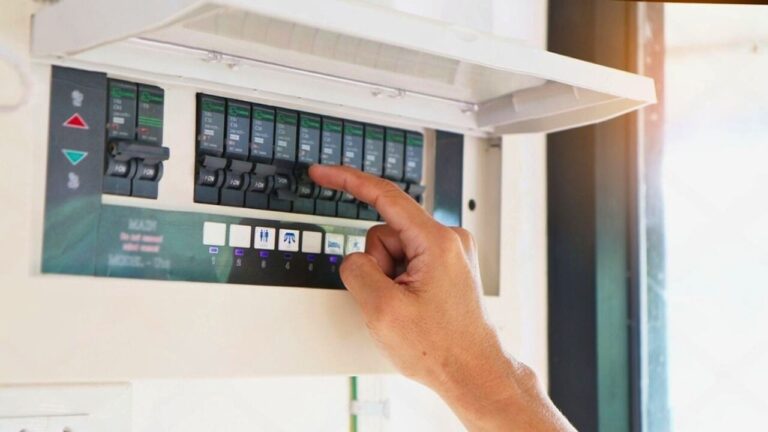
That seasonal spike in demand does not just stress individual receptacles, it also pushes your service panel closer to its limits. Your main breaker and branch breakers are sized for a certain amount of current, and when winter appliances like heat pumps and sump pumps run more frequently, the entire system runs hotter. One electrical contractor describes your electrical panel as the command center of your home’s power distribution, and when that command center is outdated or overloaded, warmth at outlets can be an early symptom that the system is straining to keep up.
Normal warmth versus a dangerous hot outlet
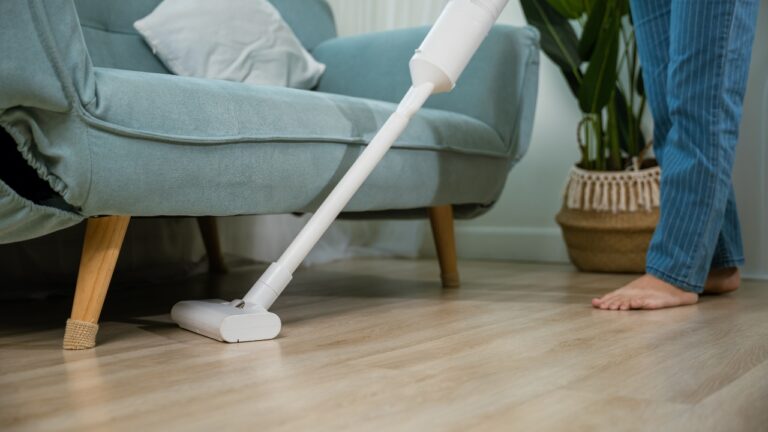
Not every bit of warmth is a crisis. A receptacle that feels just slightly above room temperature after you have been running a vacuum cleaner or charging a laptop is often experiencing normal resistance as current flows through the metal contacts. Electricians note that a small amount of heat can be expected when an outlet is under load, and one Top rated Maryland Local Licensed Electrician Answer Your Hot Outlet Questions style guide explains that if the cover is only mildly warm and there are no other warning signs, you are most likely okay to keep using it while you monitor.
The line you cannot afford to cross is when that warmth becomes distinctly hot, or when it is paired with other red flags like discoloration, a burning smell, or buzzing. Multiple electrical safety guides stress that a hot outlet usually points to circuit overload, loose wiring, or a failing device, and that these conditions can quickly escalate into arcing and fire. One resource on Why Is My Electrical Outlet Hot to the Touch notes that if you cannot comfortably rest your fingers on the cover for several seconds, or if the plate feels hot even when nothing is plugged in, you should treat it as a serious hazard and stop using that receptacle until it is inspected.
The most common reasons an outlet feels warm
When you feel a warm plate in winter, the most likely culprit is simple overload. Plugging too many devices into one receptacle, or into a power strip that feeds a single receptacle, forces that circuit to carry more current than it was designed to handle. Guides on Overloaded Outlets or Circuits explain that this extra demand creates heat at the connection points over time, which is why regular inspection is helpful when you rely on power strips and extension cords to make up for a shortage of receptacles.
Other frequent causes have nothing to do with how many gadgets you plug in and everything to do with what is happening behind the wall. Loose terminal screws, backstabbed connections that have worked loose, or aging receptacles that no longer grip prongs tightly all create resistance, and resistance turns electrical energy into heat. One detailed breakdown of Common Reasons an Electrical Outlet Gets Hot notes that incorrectly wired outlets may also send current somewhere it should not, which can make the device feel hot even under a modest load. In older homes, where many outlets were never intended for high wattage appliances, that combination of age and wiring quirks is especially risky.
How winter loads push circuits past their limits
Winter does not just add a few extra lamps, it often stacks several high draw devices on the same branch circuit. A single 15 amp circuit might end up feeding a space heater in the living room, a 4K television, a game console, and a cluster of phone chargers, all running for hours at a time. Electricians who outline the Common Causes of Warm Outlets point out that when you plug in too many devices, your outlet can only handle so much before the wiring behind it starts to feel hotter than it should, especially if the circuit is already near capacity.
That overload can be subtle at first, showing up as a plate that feels warm only after hours of use, or as a breaker that occasionally trips when you run a hair dryer and a portable heater at the same time. Over time, though, the constant stress can damage insulation and weaken connections. One winter safety advisory on Overloaded circuits warns that outdated systems are easily overwhelmed by modern devices, which is why you should treat a warm outlet as a sign to rethink how you distribute heaters, holiday décor, and other seasonal loads across your home.
When a warm outlet is a clear red flag
There are moments when you should stop debating whether the warmth is normal and simply act. If the covering of the outlet feels hot, not just mildly warm, or if you see any discoloration, melted plastic, or scorch marks, that receptacle has already been running at unsafe temperatures. One guide to The covering of the outlet feels hot states plainly that you should promptly replace those devices, ideally through a certified electrician, because the damage you can see on the outside often mirrors more serious deterioration inside the box.
Sound and smell are just as important as temperature. A faint buzzing or crackling from the receptacle, a whiff of burning plastic, or a plug that feels loose and wobbly are all signs that arcing may already be happening. One safety checklist on Damaged or faulty outlets notes that warmth combined with burns, cracks, or a GFCI that does not trip as designed indicates a serious issue in your electrical system. In those situations, you should stop using the outlet immediately, shut off the breaker if you can identify it, and schedule professional service rather than waiting to see if the problem gets worse.
How to safely check a warm outlet in the moment
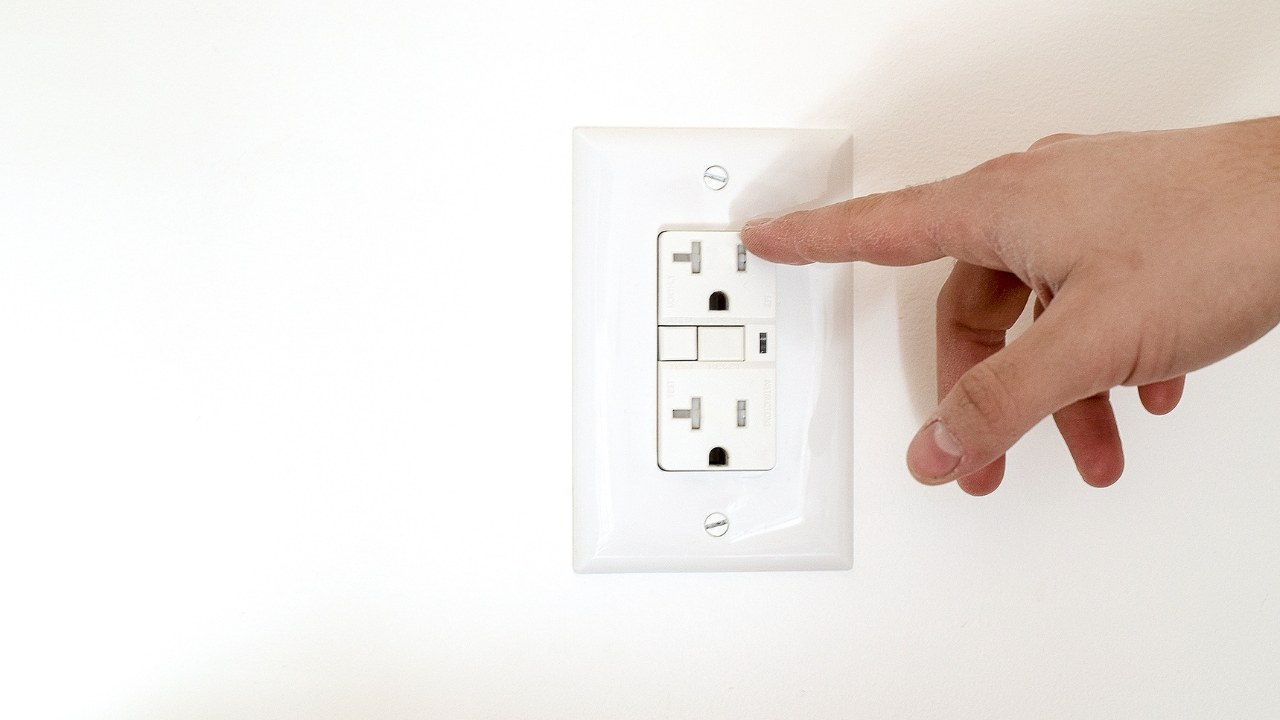
When you first notice a warm plate, your priority is to stay safe while you figure out what is going on. Start by gently touching the outlet cover with the back of your fingers so you are less likely to grip it reflexively if it is very hot. If it feels more than slightly warm, unplug any devices by pulling on the plug body, not the cord, and avoid plugging anything back in until you have assessed the situation. Troubleshooting guides on how to troubleshoot an outlet that is warm to the touch emphasize that you should never ignore a hot receptacle or continue using it under a heavy load while you “wait and see.”
Once everything is unplugged, check nearby outlets on the same wall or in the same room. If several feel warm, or if the breaker for that area is hot to the touch, you may be dealing with a broader circuit or panel issue rather than a single bad device. One homeowner video from Harold with Nature Friends and walks through how receptacles can get warm when they are daisy chained, meaning the wiring passes through multiple outlets on the same run, so a problem upstream can show up downstream as heat. If you are not comfortable removing the cover to look for loose wires, your next step should be to label the breaker and call a licensed electrician instead of experimenting.
Hidden culprits: chargers, worn receptacles, and aging parts
Sometimes the outlet itself is not the only thing to blame. Modern electronics rely on small transformer boxes, the “wall wart” chargers that power phones, tablets, and smart speakers, and those boxes can run warm or even hot during normal use. A detailed explainer on Charger Boxes notes that these devices convert voltage and naturally generate heat, which can make the outlet plate feel warmer even when there is no problem with the wiring. If the warmth disappears once you unplug the charger and the receptacle cools quickly, the charger may simply be doing its job, although you should still replace any adapter that is too hot to touch comfortably.
Age and wear are another underappreciated factor. Every receptacle has a “make and break” number, essentially a rating for how many times it can securely connect and disconnect before the internal contacts loosen. One discussion on For example, receptacles have a points out that after so many connections, a worn out connection can develop, which increases resistance and heat even under normal loads. In a living room where you have been plugging in and unplugging vacuum cleaners, holiday lights, and game consoles for years, that quiet wear and tear can be the reason a plate suddenly feels warm one winter, even if your habits have not changed.
What pros say a warm outlet really means
Electricians tend to agree on one core message: a warm outlet is a symptom, not a diagnosis, and you should treat it as a prompt to investigate. One breakdown of What It Means When an outlet is hot lists nine potential causes, from overloaded circuits and faulty wiring to damaged plugs and failing devices, and stresses that any of them can compromise safety if left unaddressed. Another guide on Common Causes of a Warm Outlet puts it bluntly: if you feel warmth, you are probably overloading that circuit or dealing with a connection that is not as tight as it should be.
Professionals also emphasize that you should not try to fix deeper electrical issues on your own if you are not trained. One safety note on What Does a Warm Electrical Outlet Mean explains that behind your outlet cover is a set of wires that can arc or spark if they are loose, and that a warm plate can be the first sign of that hidden activity. Another advisory on Why Is My Electrical Outlet Hot to the Touch recommends shutting off power and calling a licensed electrician if you discover an electrical outlet that is hot, because only a professional can safely test whether the wiring, the breaker, or the connected devices are to blame.
When to call an electrician and when to rethink your system
There is a point where unplugging a few devices is not enough, and that is when you should bring in a professional. If an outlet remains warm with nothing plugged in, if the breaker for that circuit trips repeatedly, or if you notice multiple warm receptacles in different rooms, you are likely dealing with a systemic issue. One service guide on If you discover an electrical outlet that is hot advises homeowners to have a licensed electrician inspect the wiring and confirm that the circuits are safe to use, rather than simply replacing the faceplate or swapping in a new receptacle on their own.
In some homes, especially those built before today’s high demand appliances were common, a warm outlet in winter is a symptom of a bigger mismatch between your lifestyle and your electrical capacity. If you rely on multiple space heaters, window air conditioners that double as heat pumps, or a growing collection of smart home devices, it may be time to consider a panel upgrade or new dedicated circuits. One overview of An electrical panel that feels hot warns that a warm panel itself is a sign you should not ignore, and another winter planning guide on when it is time to upgrade notes that adding capacity before winter helps high demand appliances run more reliably. If your outlets keep getting warm every cold season, that kind of long term fix may be the safest answer.
Practical ways to keep outlets cooler all winter
Preventing warm outlets starts with how you use them. Spread high wattage devices across different circuits whenever possible, for example by plugging a 1,500 watt space heater into a dedicated outlet in another room instead of sharing a receptacle with your television and game console. Avoid daisy chaining power strips or running multiple heaters from the same strip, and pay attention to manufacturer labels that list the amperage or wattage of each device. One winter safety checklist on Are you plugging in too many devices highlights that your outlet can only handle so much before it feels hotter than it should, so planning your layout with load in mind is one of the simplest protections you have.
It also helps to upgrade aging components before they fail. Replacing old two prong receptacles with modern, properly grounded outlets, installing Ground Fault Circuit Interrupter protection in kitchens, bathrooms, and outdoor areas, and swapping out worn devices that no longer grip plugs tightly all reduce the chance of heat building up at a bad connection. One detailed guide on What to Look For When Outlets Feel Warm to the Touch explains that circuits that carry too much current, loose wires behind the outlet, and older devices that were never designed for today’s loads all contribute to overheating and wear. Another section on Common Reasons Outlets Feel Warm notes that upgrading aging or frequently used outlets can relieve that stress, and a related reminder on when an outlet feels warm underlines that even small changes, like moving a heater to a different circuit, can add to the safety margin in your home.
Like Fix It Homestead’s content? Be sure to follow us.
Here’s more from us:
- I made Joanna Gaines’s Friendsgiving casserole and here is what I would keep
- Pump Shotguns That Jam the Moment You Actually Need Them
- The First 5 Things Guests Notice About Your Living Room at Christmas
- What Caliber Works Best for Groundhogs, Armadillos, and Other Digging Pests?
- Rifles worth keeping by the back door on any rural property
*This article was developed with AI-powered tools and has been carefully reviewed by our editors.