If you’re running a generator, this is the extension-cord mistake that starts trouble fast
When the power goes out and a portable generator roars to life, the weak link in your setup is often not the machine, but the cord you grab in a hurry. One specific extension-cord shortcut, using a cord in a way it was never designed to be used, can turn a blackout workaround into a fire, shock, or backfeed hazard in seconds. If you understand how that mistake starts trouble so quickly, you can avoid it and keep your home and the people working on nearby lines safe.
The core risk is simple: a generator can push far more current than a light-duty cord, worn plug, or improvised connector can safely handle. Once you treat an extension cord like a permanent wiring solution, or worse, like a homemade transfer switch, you are no longer just bending the rules, you are bypassing the protections that keep live power where it belongs.
The generator shortcut that turns deadly fast
The fastest way to get into trouble with a generator is to treat an extension cord as a backdoor into your home’s electrical system. Instead of running individual cords from the generator to appliances, some people try to energize an entire house by plugging a cord into the generator on one end and into a household receptacle on the other, effectively using the branch circuit in reverse. That single decision can energize every wire in your panel, including circuits you thought were off, and it can send power out past your meter into the neighborhood grid.
In a widely shared video, a home-improvement creator shows how some users take one side of a male cord, plug it into the generator, then take the other side, whether it is connected to a cord cap or a panel inlet, and use it as a crude way to feed the house, a setup that turns the exposed blades into a shock hazard and sets up dangerous backfeeding through the system Jul clip. Safety guidance on portable power stresses that a generator should either feed individual loads through properly rated cords or connect through a transfer switch that isolates your home from the grid, not through improvised cord-to-outlet tricks that were never contemplated in electrical codes.
Why a “regular” extension cord is not built for generator duty
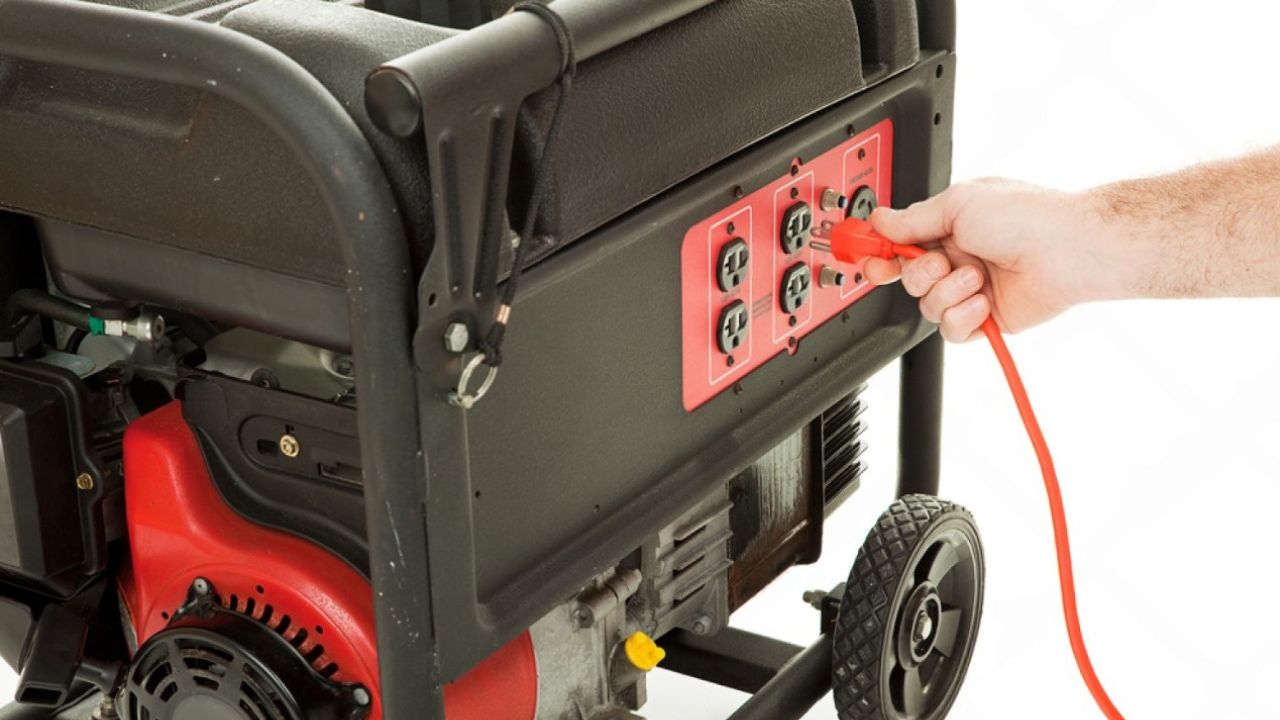
Even if you avoid backfeeding, another fast mistake is assuming any household cord can handle generator output. Many orange or white cords sold for light-duty use are designed for lamps or a single small tool, not for a refrigerator, sump pump, and space heater all at once. When you plug a generator into a regular cord with thin conductors, the current that flows to heavy loads can exceed what that cord is rated to carry, which drives up resistance, heat, and voltage drop along the entire run.
Generator specialists warn that overloading a light-duty cord can turn a simple job into a fire hazard, because the insulation and plug bodies are not engineered for sustained high current from a portable unit, especially when you daisy-chain multiple devices or run long distances across a yard Overloading and Overheating. The same guidance notes that appliances like fridges are power-hungry and should be supplied either by a heavy-duty generator cord or, for whole-home use, by a transfer switch installed by a licensed electrician, not by a random cord pulled from a holiday decorations bin fridges are power‑hungry.
Backfeeding: the hidden danger behind the “quick fix” cord
Using an extension cord to push generator power into a wall outlet does more than overload a circuit, it reverses the direction of power flow through your panel. Once that happens, every breaker and conductor between the generator and the utility lines can become energized, even if you think the main disconnect is off or the grid is down. That reverse flow, known as backfeeding, is not just a code violation, it is a direct threat to anyone working on what they believe is a dead line.
Electrical service experts explain that when you backfeed a portable generator into a home circuit, the energy moves backward to the electrical panel and throughout the house, and from there can travel out to the distribution system, creating a risk of electrical fires and energizing equipment in an incredibly risky way backfeeding portable generators. Consumer safety guidance reinforces that you should never plug a generator directly into a home’s wiring with a cord, and that the only acceptable way to power circuits is through a properly installed transfer device that keeps your generator isolated from the grid The Consumer Product Safety Commission.
The male‑to‑male “suicide cord” that safety agencies want off the market
The most extreme version of the generator extension-cord mistake is the so‑called suicide cord, a length of cable with a male plug on both ends. The idea is simple and dangerous: one end goes into the generator, the other into a household receptacle, with the user relying on the branch circuit to carry power back into the panel. The moment either end is energized and not fully seated, the exposed metal prongs become live, turning what looks like an ordinary cord into an open set of energized blades.
Safety regulators have gone so far as to warn consumers not to buy, use, or resell male-to-male extension cords that are marketed as a way to connect a generator directly into a home’s electrical system, because they bypass the protections built into standard wiring and transfer equipment CPSC warns. Portable power specialists also point out that the metal prongs on the end of an extension cord hold and transmit live electricity once the other end is plugged into a power source, which means a suicide cord can deliver a severe electrocution or shock to anyone who touches those blades or a conductive surface they contact Electrocution or shock.
How cord damage and cheap hardware turn heat into fire
Even if you avoid suicide cords and backfeeding, the way you choose and handle extension cords can quietly set up a fire risk. Every nick in the insulation, crushed section under a door, or loose blade in a bargain plug adds resistance to the circuit. When you run a generator for hours, that resistance turns into heat, and heat inside a coiled cord or plastic plug body has nowhere to go.
Electrical hobbyists and professionals alike have documented how bad contacts in cheap or worn-out plugs and jacks can cause excessive resistance and heating, especially when cords are left tightly wound on storage reels where the heat cannot dissipate Bad contacts. Technical discussions of extension-cord behavior note that the amount of heat dissipated in a conductor rises with the square of the current, so a modest increase in load can produce a large jump in temperature, which is why regulations in your jurisdiction limit how much current a given gauge and length of cord is allowed to carry The amount of heat. When you pair that physics with generator loads that run continuously, a damaged or undersized cord becomes more than a nuisance, it becomes a likely ignition source.
Overloading, coiling, and the quiet ways cords start fires
Generator outages often tempt you to plug in “just one more” device, but every added load pushes more current through the cord jacket. If the total draw exceeds the cord’s rating, the copper conductors and insulation can overheat, even if the breaker on the generator never trips. That risk climbs when you use multi-outlet taps, daisy-chain cords, or run a long cord to a shed or detached garage, because the voltage drop encourages you to add more load to compensate for poor performance.
Fire-safety educators explain that extension cords are a common household item that many people see as harmless, yet overloading them is a leading cause of electrical fires, which is why you are urged to check the cord’s ampere rating and ensure the total load does not exceed that limit The Risks of Overloading. Safety guidance on everyday cord use also highlights that even small nicks or exposed wires can turn a simple extension into a shock or fire hazard, and that awareness of these defects is the first step in preventing accidents when you rely on cords for temporary power Even small nicks.
Reading the fine print: gauge, ratings, and labels that matter
When you connect a generator, the numbers printed on the cord jacket are not decoration, they are your safety margin. The American Wire Gauge, or AWG, tells you how thick the conductors are, and the ampere and voltage ratings tell you how much load that cord can carry without overheating. A 16 AWG cord that is fine for a table lamp is a poor match for a 1,500 watt space heater or a 1,200 watt refrigerator, especially over a long run from a generator parked outdoors.
Extension-cord safety guidance warns that ignoring cord ratings and labels is a critical mistake, because every extension cord is labeled with crucial information such as gauge (AWG), amperage, and whether it is suitable for indoor or outdoor use, and those markings are your best defense against hazards when you size cords for heavy loads Mistake Ignoring Cord Ratings and Labels Every AWG. Before storm season or any planned generator use, experts recommend that you inspect and replace worn cords, because extension cords can wear down over time, and at the start of the season and throughout it you should check for damage, especially if you use them for power tools and holiday lighting as well as emergency power Inspect and Extension At the.
Safe generator setup: what to do instead of the risky cord hack
A safe generator setup starts long before the lights go out. You should decide which appliances are truly essential, calculate their combined wattage, and match that to both your generator’s capacity and the cords you plan to use. Heavy-duty outdoor cords with intact insulation, properly grounded plugs, and sufficient gauge for the distance and load are nonnegotiable, and they should be routed in a way that avoids pinch points under doors or windows and keeps connections off wet ground.
Emergency power checklists emphasize that you should never plug extension cords into one another or into power strips to reach farther, and that you should not use cords as a substitute for permanent wiring, for example by running them through walls, ceilings, or doorways to secure a temporary power cord DON’T plug extensions cords. Generator safety advice also notes that whether you have run a generator before or just bought one, you should avoid common mistakes such as overloading the unit, running it in an enclosed space, or using makeshift connections instead of proper cords and transfer equipment when you fire up the generator in cold weather Whether You.
Your pre‑storm checklist: cords, outlets, and what to retire now
Before the next outage, it is worth treating your extension cords the way you would treat any other piece of safety equipment. Lay them out, untangle them fully, and look for cuts, flattened sections, or melted spots near the plugs. If you find a cord with exposed copper, a missing ground pin, or a plug that feels loose in every receptacle, retire it instead of saving it for “just in case,” because that “case” often arrives when the generator is running at full tilt and everyone is distracted.
Portable power guides recommend that when you are in a hurry to get a generator up and running, you still take the time to choose cords that are rated for outdoor use, have intact grounding, and are sized correctly for the loads you plan to run, rather than grabbing whatever is closest in the garage safely get a generator up and running. Extension-cord safety resources also point out that Nov guidance on common mistakes highlights how awareness of cord condition, ratings, and proper use is the starting point for keeping your home safe when you rely on temporary wiring, especially during storm season Nov Here.
Like Fix It Homestead’s content? Be sure to follow us.
Here’s more from us:
- I made Joanna Gaines’s Friendsgiving casserole and here is what I would keep
- Pump Shotguns That Jam the Moment You Actually Need Them
- The First 5 Things Guests Notice About Your Living Room at Christmas
- What Caliber Works Best for Groundhogs, Armadillos, and Other Digging Pests?
- Rifles worth keeping by the back door on any rural property
*This article was developed with AI-powered tools and has been carefully reviewed by our editors.