If you’ve got an older water heater, this is the failure pattern to watch for
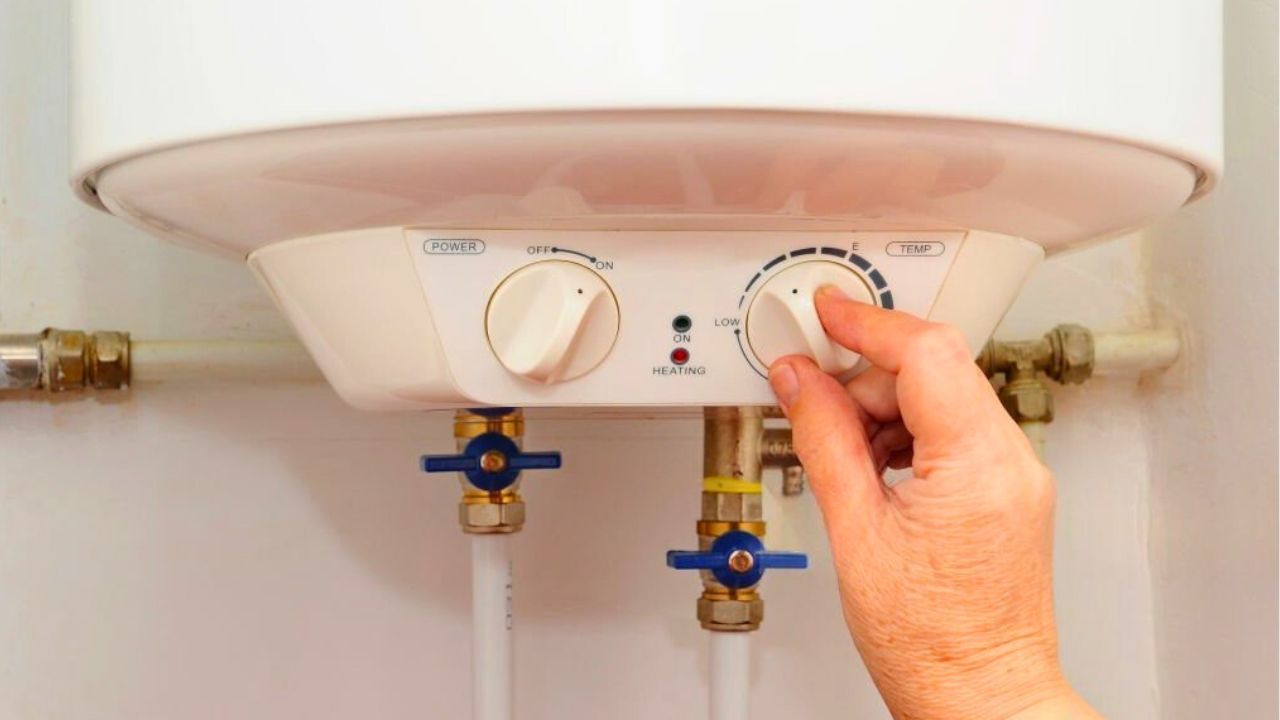
Your water heater rarely fails without warning. Long before a tank splits or a basement floods, an aging unit usually follows a predictable pattern of small changes that, if you know how to read them, give you time to plan a safe and orderly replacement. If you have an older heater, learning that pattern now is the difference between a controlled upgrade and a frantic call after water has already soaked the drywall.
The most common failure arc starts quietly, with subtle shifts in temperature, water quality, and sound, then escalates into leaks and corrosion that can damage floors, walls, and even nearby electrical systems. By tracking those stages and acting early, you protect your home, your budget, and your hot showers.
1. The typical life span and why older tanks fail differently
Once a storage water heater moves past its first decade, the way it fails changes from random nuisance to near certainty. Inside the steel shell, constant exposure to hot water gradually eats away at the glass lining and the sacrificial anode rod that is supposed to corrode first. As that protection disappears, the tank itself begins to rust, which is why many professional outfits that focus on water heaters, such as Benjamin Franklin Plumbing, urge homeowners to treat age as a primary risk factor, not an afterthought.
Older tanks are also more vulnerable because every heating cycle bakes minerals out of the water and onto the bottom of the tank. Over years, that sediment layer thickens, forcing the burner or elements to work harder and longer to deliver the same temperature. That extra strain accelerates wear on thermostats, gas valves, and the tank itself, which is why technicians often see a cluster of issues, from temperature swings to leaks, once a heater crosses the 10 to 15 year mark. If your unit is in that range, you should assume it is entering the classic failure pattern and start watching for the next stages.
2. Stage one: hot water shortages and temperature swings
The first sign many people notice is not a puddle on the floor but a shower that turns lukewarm halfway through. When a tank that used to handle back-to-back showers suddenly runs out, or when you have to crank the handle further just to get the same comfort, it is often the earliest stage of decline. Guides that walk through Hot Water Shortage problems point out that this can reflect a failing thermostat, a burned-out heating element, or a gas burner struggling under a blanket of sediment.
Those temperature swings can also show up as water that starts hot, then quickly slides to warm or even cold. Resources that outline Common Warning Signs Before the Leak Starts emphasize that inconsistent temperature is often a prelude to more serious trouble, not just an annoyance. If your older heater is suddenly unpredictable, that is your cue to check the age, inspect the thermostat settings, and consider a professional evaluation before the problem escalates into physical damage.
3. Stage two: strange noises as sediment hardens
As sediment builds up, your heater starts to talk back. Rumbling, popping, or banging sounds during a heating cycle usually mean water is trapped under hardened mineral deposits, then flashing to steam and rattling the tank. Technicians who catalog Fixes for noisy heaters note that this is not just cosmetic; the noise signals extra stress on the tank wall and the heating elements, which can shorten the remaining life of an already old unit.
Other pros who list Strange noises like knocking, clanging, or hissing as key red flags explain that these sounds often arrive in the middle of the heater’s decline, after temperature issues but before obvious leaks. In a newer tank, a thorough flush might restore quiet operation. In an older one, persistent noise after flushing is a strong hint that the tank has been damaged internally and is moving toward the leak stage of the failure pattern.
4. Stage three: discolored water and metallic taste
Once corrosion inside the tank gains ground, it often shows up in the tap. Brown, yellow, or rusty hot water is a classic mid-to-late warning that the interior surface is breaking down. A detailed breakdown of Discolored Water from a Water Heater, Common Causes and How to Fix It, notes that in most cases discoloration occurs when rust or sediment is stirred up inside the tank, and it often comes with a metallic taste or odor that is hard to miss.
Specialists who focus on early Indicators of a Failing Water Heater warn that discolored hot water, especially when cold taps run clear, is a strong sign that the tank itself is the source of the problem. At that point, flushing may temporarily improve clarity, but it will not reverse corrosion. If your older heater is sending out rusty water, you are likely in the middle of the failure curve, and replacement planning should move from “someday” to a specific timeline.
5. Stage four: leaks, moisture, and mold around the tank
By the time water appears on the floor, the failure pattern has moved from warning to active damage. Small drips from fittings or valves can sometimes be tightened or repaired, but repeated puddles around the base of an older tank usually mean the steel shell has started to crack. Checklists that highlight Leaks or Pools of Water Around the Water Heater Tank explain that while a loose drain valve is fixable, seepage from the body of the tank itself is not, and the only long term solution is replacement.
Even before you see standing water, you might notice damp concrete, peeling paint, or a musty smell near the heater. Guides that walk through Signs That Your Water Heater Is Leaking point to moisture or mold nearby as evidence that even a slow leak is already affecting surrounding materials. At this stage, the risk is no longer just losing hot water; it is also warped flooring, damaged drywall, and potential mold remediation costs if you delay action.
6. Corrosion on the tank and fittings
Corrosion is the visual counterpart to discolored water, and on an older heater it is a serious milestone in the failure pattern. Rust streaks, flaking metal, or white crust around connections show that water and oxygen have been attacking the steel for some time. Technicians who outline Leaks and Corrosion as early repair triggers stress that once the tank wall itself is compromised, it is only a matter of time before a pinhole becomes a larger rupture.
Some plumbing experts go further, listing specific Signs That Your Water Heater Has a Corrosion Problem, such as rust around the hot and cold nipples or at the base of the tank. When you see that kind of damage on an older unit, patchwork repairs are rarely cost effective. Corrosion on the exterior usually mirrors more advanced deterioration inside the tank, which is why professionals often recommend replacing the entire unit rather than chasing leaks one by one.
7. Safety risks as the pattern progresses
As the failure pattern advances, the stakes move beyond comfort and into safety. A leaking tank can saturate insulation, subfloors, and nearby electrical outlets, increasing the risk of short circuits or structural damage. Detailed discussions of the Key Safety Risks of a Failing Water Heater underline that a malfunctioning unit is not just an inconvenience; it can create scalding hazards, gas leaks, or in extreme cases pressure related tank failures if temperature and pressure relief valves are compromised.
Cold weather compounds those risks. Winter focused guidance on Signs of Water Heater Failure You Shouldn Ignore Water notes that when outdoor temperatures drop, heaters work harder and any existing weakness in the tank, valves, or venting can turn into a mid season breakdown. For gas units, that can mean combustion issues or backdrafting if the system is not venting correctly. For electric models, water intrusion near wiring can be just as serious. If your older heater is already showing multiple warning signs, treating it as a safety priority is prudent.
8. When repair still makes sense, and when to walk away
Not every symptom in the failure pattern means you must replace the heater immediately. In some cases, a failing thermostat, a single burned out element, or a loose fitting can be repaired cost effectively, especially if the tank is still relatively young. Service checklists that outline Whether to repair or replace suggest weighing the age of the unit, the cost of the fix, and whether the tank itself is sound. If the shell is dry and free of rust, a targeted repair can buy you several more years.
Once you see a cluster of issues, the math changes. Guides that list Signs Your Water Heater is Failing, such as lack of hot water, strange noises, and visible leaks, emphasize that repeated service calls on an aging tank often cost more than a planned replacement. Another resource that walks through Is It Time for a Change, Key Signs Your Water Heater Needs Replacement Your home, frames it bluntly: if your heater is old, corroded, and leaking more than once this year, you are better off putting your money into a new, efficient model rather than propping up one that is already near the end of its life.
9. How to monitor an older heater so failure does not surprise you
The most practical way to manage an aging heater is to treat it like any other critical appliance and give it a simple routine checkup. Once a month, look and listen: scan for rust, damp spots, or white mineral trails, and pay attention to new noises or changes in how quickly you get hot water. Many homeowners rely on local pros, such as those reachable through a Google business listing, to perform annual flushes and safety inspections that can catch problems before they become emergencies.
It also helps to keep a simple log of symptoms, especially if you are already seeing the early stages of the failure pattern. Note when you first noticed temperature swings, when noises began, and whether discolored water or leaks have appeared. Resources that describe Homeowners watching for leaks, and winter focused warnings that your system can become a ticking time bomb if ignored, all point to the same conclusion: if you track the pattern and act on the signs, you can schedule replacement on your terms instead of waking up to a cold shower and a soaked utility room.