Inspectors keep flagging this attic modification
Across the country, inspectors are walking into listings that look polished from the curb, only to find the same problem overhead: attics that have been casually turned into living space without the structure, permits, or moisture control to back it up. That single modification is quietly killing deals, shrinking appraisals, and saddling buyers with repair bills that can rival a kitchen renovation. If you are eyeing a finished loft or planning to carve a home office out of the rafters, you need to understand why this space keeps triggering red flags and how to keep your own project off that list.
At its core, the issue is not that you use your attic, but that you treat it as an afterthought instead of a critical part of the building system. When you load it with furniture, cut into trusses, or close off ventilation to make it “cozy,” you are changing how the entire house handles weight, air, and water. Inspectors are increasingly treating the attic as a diagnostic lab for the rest of the property, and they are finding that a surprising number of “upgrades” are really liabilities in disguise.
The attic red flag inspectors keep circling
Inspectors are not fixated on attics because they enjoy crawling through fiberglass; they are focused on them because that is where the most revealing problems hide. Across recent listing reports, professionals keep returning to the same pattern: a neglected or hastily modified attic that undermines the roof, insulation, and even the appraisal. One detailed review of Across 2025 listings describes inspectors flagging attics that were treated as storage closets or bonus rooms rather than as part of the home’s structural and mechanical system. When that space is ignored, everything from roof leaks to failing insulation can go unnoticed until they are expensive to fix.
The most common modification that sets off alarms is the informal conversion: flooring laid directly over joists that were never sized for living loads, walls framed on top of that deck, and HVAC ducts or can lights punched through without a plan. In those same Across 2025 reports, inspectors describe how these improvised build‑outs compromise ventilation, trap moisture, and overload framing that was only meant to carry drywall and insulation. From the street, the home reads as “updated.” In the report, it reads as a risk.
Why flippers love the attic, and why you should be wary
For investors, the attic is a tempting place to squeeze out extra square footage without expanding the footprint. You see it in renovated homes where the main floors gleam, but the top level has oddly low ceilings, narrow stairs, and no clear record of permits. One inspector who regularly reviews flipped properties has warned that the attic is where you will “find a lot of hidden problems” because some flippers focus on finishes instead of the structure or ventilation that you cannot see from the curb, a concern echoed in a Feb inspection of a renovated home.
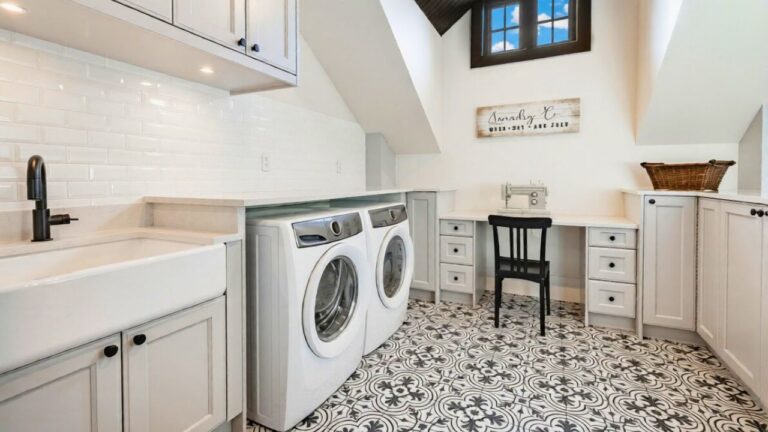
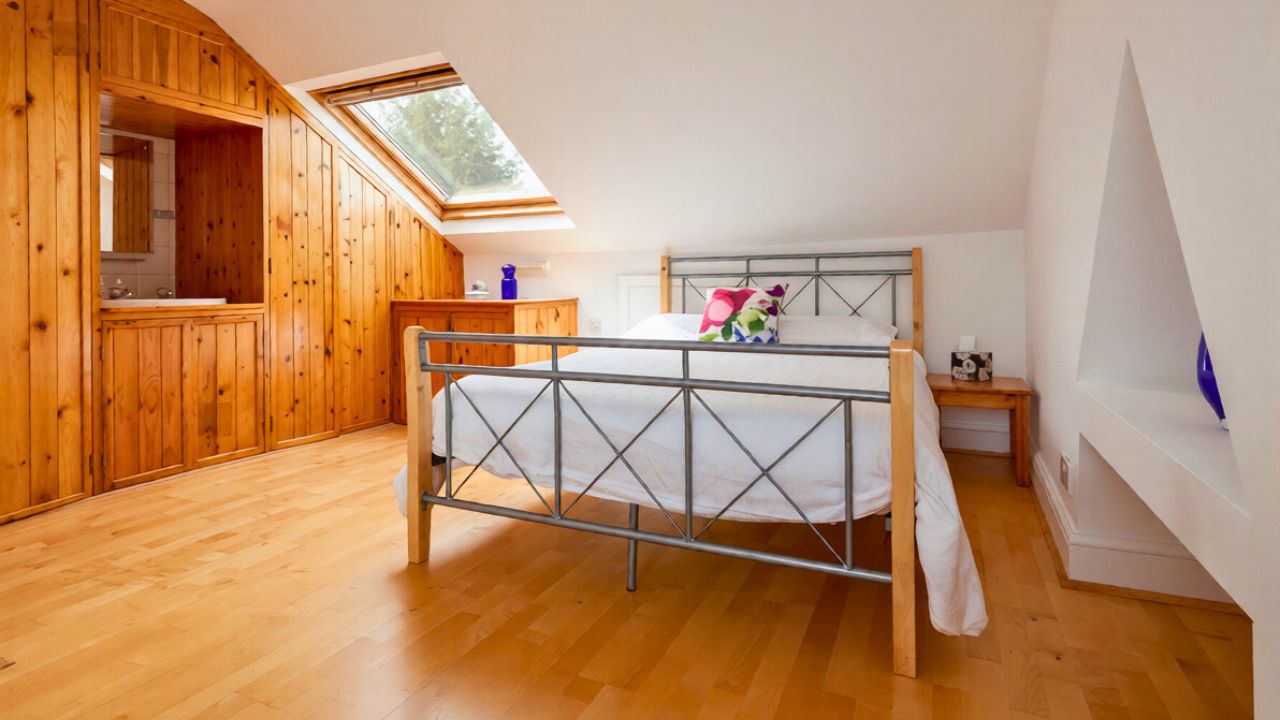
When you walk through a listing like that, you might be dazzled by new LVP flooring and recessed lighting, but the real story is in the rafters. If the attic was finished without upgrading insulation, adding proper egress, or protecting the roof deck from condensation, you inherit a space that looks like a bedroom but behaves like a greenhouse. That same Feb report highlighted mold blooming behind fresh drywall in a “newly finished” attic, a reminder that shortcuts overhead can undo every cosmetic upgrade below.
The structural gamble: broken trusses and overloaded joists
The most dangerous attic modification inspectors keep finding is not a paint color or a missing handrail, it is structural surgery. To create open space, some owners or contractors cut through engineered trusses or notch rafters, then try to hide the damage behind drywall. One experienced inspector has warned buyers to treat Broken or repaired framing as a major red flag, because those trusses are part of the roof’s engineered system, not decorative lumber you can trim at will.
Even when no one has taken a saw to the rafters, the way you use the space can overload it. Attic floor joists in many older homes were sized for light storage, not for a full suite of furniture, a treadmill, and a row of bookcases. In one social media walkthrough, the same inspector emphasized that Trusses and joists must be evaluated as a system before you treat the attic as a bonus room. When an inspector sees cracked gusset plates, sagging chords, or makeshift “sistering” with scrap lumber, that finished loft quickly shifts from selling point to structural liability.
Moisture, mold, and the attic you cannot breathe in
Even if the framing is intact, the way an attic is finished can quietly turn it into a moisture trap. When you add drywall and flooring without preserving ventilation paths, warm interior air can condense on the underside of the roof deck, feeding mold that you will not see until it stains the ceiling below. Inspectors are trained to look for Active Leaks and subtle staining on rafters, and one recent training clip urged them not to stop at visible water but to pay attention to “shining” on the wood and even dry marks that signal past intrusion. Those clues are often most obvious in attics that have been partially finished, where insulation is patchy and air pathways are blocked.
When moisture does take hold, the attic becomes a case study in how a small oversight can ripple through a transaction. In one Comments Section discussion, a home inspector in BC described seeing attic mold “a lot” and noted that Most remediation plans involve not just cleaning the growth but correcting the ventilation and insulation that allowed it to flourish. Another thread aimed at first‑time buyers stressed that Every home has some mold, but that you need proper remediation and documentation when the attic growth is extensive or identified as black mold. A finished attic that hides those conditions behind shiplap is not just a comfort issue, it is a health and financing problem.
The permit problem: finished attics that do not exist on paper
Beyond structure and moisture, the modification that keeps derailing sales is the unpermitted conversion. Turning an attic into a bedroom or office without going through your local building department might feel like a shortcut, but it leaves you with square footage that lenders and appraisers may refuse to count. In one widely shared thread, a buyer asked about a house with a full basement and attic conversion and no permits, prompting the blunt response, Tell me I am not crazy for refusing to buy this. The poster had Found a property in a great location with a Huge yard, but the lack of paperwork on major work was a deal breaker.
Lenders and underwriters share that skepticism. A Comments Section exchange from a Mortgage loan officer laid it out plainly: they would strongly advise against buying anything with an unpermitted finished attic, because it can complicate financing, insurance, and resale. When your “third bedroom” does not exist in county records, you are not just out of luck on appraisal value, you may also be on the hook if the city later requires you to bring the space up to code.
What a thorough attic inspection actually looks like
If you are serious about buying or selling a home with a modified attic, you need more than a quick flashlight peek. Professional guidance stresses that a thorough attic inspection is critical and often overlooked, which is why some inspectors promote tools and routines that make it easier to get up there safely. One video from Jan highlights Why Your Attic an Annual Check, urging homeowners to treat the space as part of routine maintenance rather than a once‑a‑decade mystery tour.
On the technical side, inspectors are trained to move systematically from access points to insulation depth, ventilation, and structural members. One professional course notes that There are common installation issues with attic pull‑down stairs that inspectors should watch for, including missing fasteners and inadequate fire separation. Another training thread on how to inspect insulation and ventilation reinforces that the attic is not just about storage; it is a key part of the home’s energy and moisture control strategy.
Who you need: inspector, roofer, or structural engineer
When an attic has been modified, you often need more than one professional to understand what you are looking at. A general home inspector can flag obvious issues, but they may recommend that you bring in a structural engineer if trusses have been cut or loads have changed. One homeowner asking How to find the right person was told they would need a structural engineer to educate them on code and that all floor joists must have at least 2 inches of bearing on each end, a reminder that attic floors are not just platforms, they are part of the load path.
Roofers also have a stake in what happens overhead. Some companies explain that Attic inspections routinely flag concerns such as mold, rot, poor ventilation, and compromised structure, all of which present serious threats to the health and safety of homeowners. When you are replacing a roof on a house with a finished attic, a responsible contractor will want to see the underside of the deck to check for hidden damage. If they cannot access it because of drywall or built‑ins, that is another sign that the modification may be working against the long‑term health of the house.
How inspectors actually use the attic during a home inspection
For a buyer, the attic is one of the most valuable stops on the inspection tour, even if you never plan to spend time up there. A detailed home inspection guide notes that the Attic is where inspectors check the condition of insulation, which is essential for energy efficiency, and look for signs of moisture and mold growth. The same guide emphasizes that If the home has an attic, skipping that step is not an option, because it can reveal roof leaks and ventilation problems that are invisible from the living room.
Technology is making that work more precise. Manufacturers of inspection tools point out that Attic inspections are crucial for home maintenance and safety because they reveal insulation problems, moisture damage, and pests that compromise structural integrity and indoor air quality. Small cameras and borescopes let inspectors look behind finished knee walls or into tight rafter bays without tearing anything apart. When your attic has been modified, those tools can be the difference between a clean bill of health and a surprise discovery of hidden mold or rot.
How to keep your own attic project off the inspector’s blacklist
If you are planning to finish your attic, the path to staying out of trouble is straightforward, even if it is not always cheap. Start by treating the space as part of the house’s core systems, not as a leftover void. That means pulling permits, hiring professionals where needed, and designing around structure and ventilation instead of forcing the framing to match a Pinterest photo. Local inspectors and engineers repeatedly stress that you should not cut or modify trusses without stamped plans, and that joists must meet bearing and span requirements like the 2 inch support rule highlighted in the How discussion.
Once the bones are right, focus on moisture and access. Make sure bath fans and dryers vent outdoors, not into the attic, and preserve or add soffit and ridge vents so the roof deck can dry. Training clips on Active Leaks and staining are a good reminder that even small gaps in flashing or insulation can snowball into mold. Regular checkups, like the Annual Check promoted by Why Your Attic advocates, help you catch those issues early. If you do that work up front, your finished attic is far more likely to impress the next inspector instead of landing on the growing list of modifications that keep getting flagged.
Like Fix It Homestead’s content? Be sure to follow us.
Here’s more from us:
- I made Joanna Gaines’s Friendsgiving casserole and here is what I would keep
- Pump Shotguns That Jam the Moment You Actually Need Them
- The First 5 Things Guests Notice About Your Living Room at Christmas
- What Caliber Works Best for Groundhogs, Armadillos, and Other Digging Pests?
- Rifles worth keeping by the back door on any rural property
*This article was developed with AI-powered tools and has been carefully reviewed by our editors.