Inspectors keep warning buyers about this attic problem
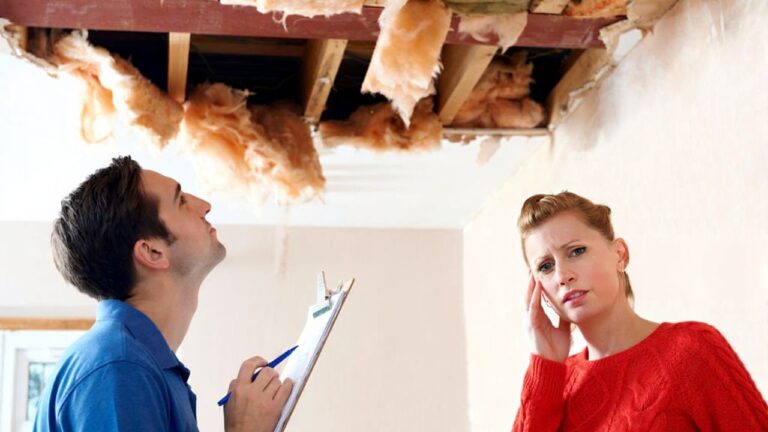
Home inspectors keep sounding the same alarm about attics because what happens above the ceiling quietly dictates how healthy, safe, and durable a house really is. When you are buying, that hidden space can reveal structural shortcuts, moisture damage, and ventilation failures that never show up in listing photos or a quick walk-through. If you ignore it, you risk inheriting problems that are expensive to fix and difficult to negotiate after closing.
The recurring attic red flag inspectors keep circling
Across recent inspections, professionals keep coming back to one core issue in attics: moisture that has nowhere to go. Instead of moving cleanly out through vents, warm interior air gets trapped under the roof deck, condensing on wood and insulation. Over time, that trapped humidity can stain sheathing, rust fasteners, and feed mold colonies, even when the roof shingles still look fine from the street. From an inspector’s perspective, this is not a cosmetic flaw, it is a sign that the house is struggling to manage basic airflow.
Reports on 2025 listings describe how this recurring attic problem shows up as darkened roof decking, damp insulation, and frost or mildew around nails, all pointing to poor ventilation and chronic moisture buildup Across many homes. When you see that pattern, you are not just looking at a comfort issue, you are looking at a system that is failing to move air from soffits to ridge or gable vents the way it should. That is why seasoned inspectors treat attic moisture as a proxy for how well the entire building envelope is performing, and why they keep warning buyers not to shrug it off as “just a little discoloration.”
Why the attic matters more than the listing photos
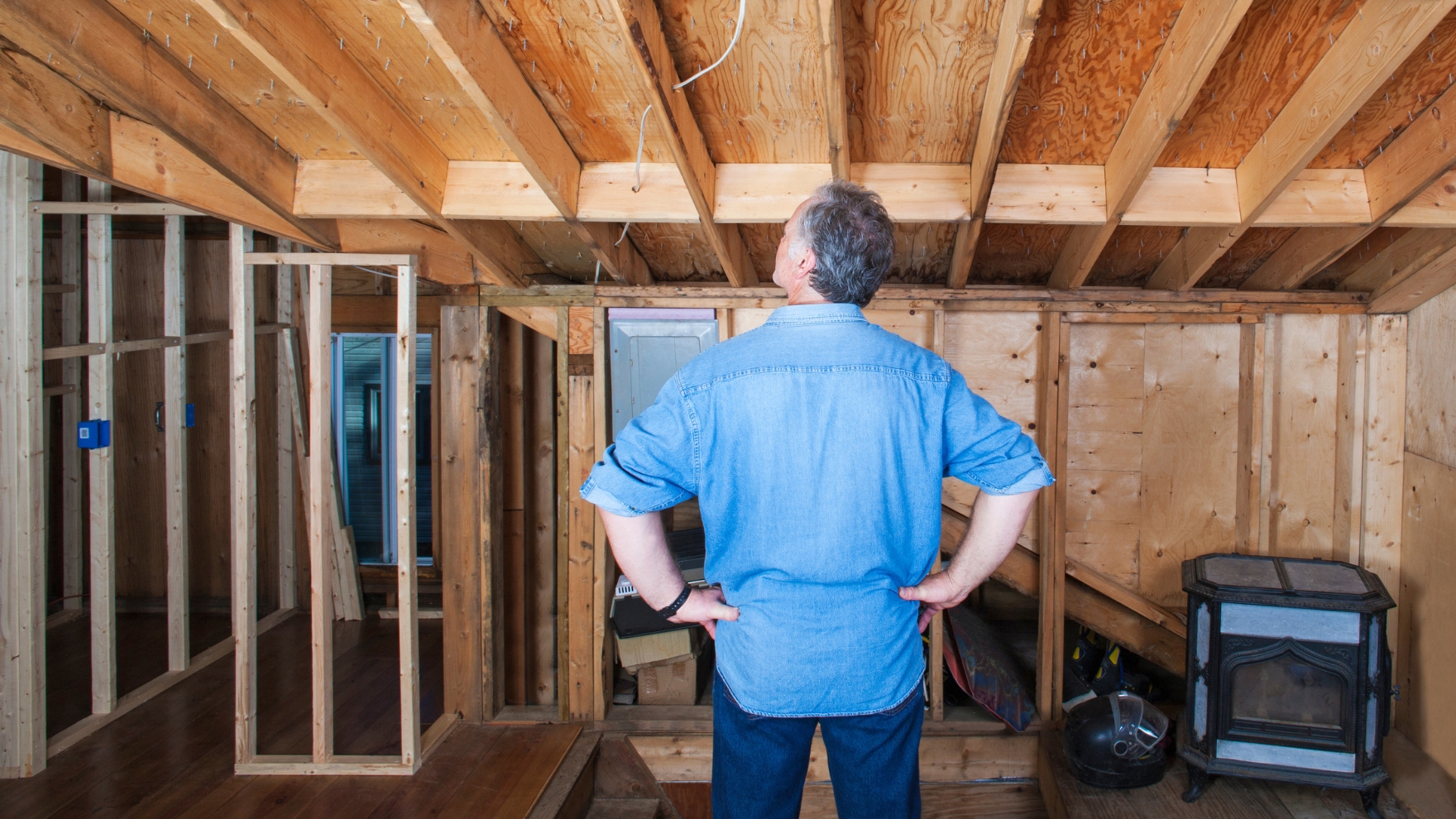
When you are evaluating a property, the attic is one of the few places where the house cannot easily hide its history. Roof leaks, ice dams, and past repairs all leave traces in the sheathing and insulation, even if the interior ceilings have been freshly painted. Experienced inspectors emphasize that when you are buying a home, the attic is one of the most important and most overlooked areas to inspect, because problems hidden there can quietly undermine everything you like about the rest of the property When you finally move in.
That hidden space also tells you how the roof structure is built and whether anyone has modified it in ways that were never permitted or engineered. You might see added storage platforms compressing insulation, bathroom fans venting straight into the attic instead of outside, or makeshift electrical splices buried under loose fill. Problems like these rarely appear in seller disclosures, yet they can affect everything from your heating bills to fire safety. Treating the attic as a core part of your due diligence, not an optional add-on, is one of the simplest ways to protect yourself from expensive surprises.
Moisture, Mold, and the cost of ignoring “minor” staining
Once moisture is trapped in an attic, it does not stay a small problem for long. Persistent dampness can feed Mold growth on rafters and sheathing, degrade fiberglass or cellulose insulation, and eventually lead to rot in structural members. Inspectors who specialize in these spaces warn that by the time you see visible colonies or smell a musty odor, the underlying moisture imbalance has usually been going on for years, not weeks. Addressing it often requires both remediation and a redesign of how the attic is ventilated.
Professionals who document attic conditions on social media show how Mold, damaged insulation, or roof leaks discovered during inspection can quickly turn into a list of Repairs that are neither cheap nor fast, especially when they are categorized as Important Issues or even Major defects that must be resolved before closing Important Issues. For you as a buyer, that means attic staining is not just a bargaining chip, it is a signal to investigate whether bath fans are vented correctly, soffits are blocked by insulation, or roof vents are undersized. Fixing the moisture source early is far less costly than waiting until mold remediation and structural repairs are on the table.
Structural shortcuts: cut trusses and compromised framing
Beyond moisture, inspectors are increasingly worried about what they are finding in the framing above the ceiling. Roof trusses and rafters are engineered to carry specific loads, and when someone cuts or alters them to run ductwork, add a skylight, or carve out storage space, the entire load path can change. You might not notice anything from the living room, but in the attic, those shortcuts show up as notched chords, missing bracing, or makeshift repairs that were never designed by an engineer.
One widely shared attic video labeled Attic Findings Matter shows a roof truss that was cut and altered, with the narrator explaining that Roof trusses are engineered systems and that changes like this can create structural concerns, improper load distribution, and costly repairs if left unaddressed Attic Findings Matter. Trade groups that train inspectors note that Many homes have wooden tresses in the attic or wooden floor joists, and that any rotted wood or compromised members in these areas must be flagged because they provide essential support for the roof and upper floors Many. When you see cut trusses or sagging joists in a report, you are not nitpicking, you are confronting a core safety issue.
Ventilation and insulation: the quiet systems that make or break comfort
Attic ventilation and insulation rarely get top billing in a listing, yet they are central to how comfortable and efficient a home will feel once you move in. If insulation is thin, patchy, or compressed, you will pay for it in higher heating and cooling bills and in rooms that never quite reach the temperature you set. If vents are blocked or undersized, heat and moisture build up under the roof deck, which can shorten shingle life and contribute to the very moisture problems inspectors keep flagging.
Inspectors who walk attics daily explain that they are looking for a balanced system of intake and exhaust, along with insulation that is deep enough and properly installed to avoid cold spots and condensation John from Looks Smart Home Inspections in New Jersey, for example, highlights how missing baffles at the eaves can choke off airflow even when vents are present. Professional organizations that set standards for the field, such as the American Society of Home Inspectors, train members to evaluate these details systematically so that buyers understand not just whether a roof is leaking today, but whether the attic is set up to manage heat and moisture over the long term Check. When your report calls out ventilation or insulation deficiencies, it is really describing how the house will feel and perform in every season.
Real-world fallout: when attic findings change the deal
Attic problems are not theoretical; they change real purchase decisions. In one widely discussed case, a buyer described how, after waiting 5 days for the inspection, they received a report that ran to 106 pages, packed with photos of issues that had never been mentioned in the listing or by the seller’s agent 106. Among the concerns were structural and safety problems that made them walk away from the deal entirely, even after investing time and money in the process. Stories like this are a reminder that a thorough inspection can reveal a very different house than the one you thought you were buying.
Inspectors themselves share similar experiences from the other side of the ladder. One professional recounted inspecting a house that had an attic but no attic access, with the buyers agent asking the sellers, an LLC, to cut an opening so the space could be evaluated properly LLC. In another case, His company’s Instagram feed documented pristine looking homes that hid raw sewage under one house and serious moisture problems in another, all discovered only because a full inspection, including the attic, was completed before closing His. For you, the takeaway is simple: if the attic cannot be inspected, or if the findings there are brushed aside, you should treat that as a major red flag, not a minor inconvenience.
Choosing an inspector who will actually go into the attic
Not every inspector approaches attics with the same rigor, which means you need to be deliberate about whom you hire. You want someone who treats the attic as a standard part of the job, not an optional extra, and who is willing to crawl into tight spaces when it is safe to do so. That starts with credentials. Trade groups such as the American Society of Home Inspectors and the International Association of Certified Home Inspectors set education and practice standards that go well beyond a quick checklist, and they maintain directories you can use to verify membership.
Before you sign a contract, ask prospective inspectors whether they will physically enter the attic, what limitations might prevent that, and how they document conditions when access is restricted. Reputable professionals encourage you to be present during the inspection so they can walk you through what they see and answer questions in real time, a point that is echoed in guidance that stresses how carefully you should choose a qualified inspector who can discover red flags before you commit and that you are present during the inspection to understand those findings carefully choose. You can also cross-check their certifications through organizations like the American Society of Home Inspectors at homeinspector.org and the International Association of Certified Home Inspectors at InterNACHI, which both emphasize attic evaluation as a core part of a complete inspection.
How to read attic notes in your inspection report
Once the inspection is done, the attic section of your report can feel dense and technical, but it is worth reading closely. Look for comments about moisture staining, Mold, damaged insulation, or ventilation concerns, and pay attention to whether they are labeled as maintenance items or safety and structural issues. When inspectors categorize something as a Major or Important defect, they are signaling that it could affect habitability, financing, or insurance, not just aesthetics.
If you see references to cut trusses, rotted joists, or missing access, ask your inspector to explain the implications in plain language and, if needed, recommend a structural engineer or specialist. Video resources from working inspectors, including those who walk you through what they look for in attic inspections and how they evaluate ventilation and insulation in real homes, can also help you understand the terminology and context before you negotiate with the seller Looks Smart. When you combine that explanation with the broader perspective that when buying a home, the attic is one of the most important and most overlooked areas to inspect, you are better equipped to decide whether to request repairs, seek a credit, or walk away entirely Problems.
Turning attic warnings into negotiation leverage
Handled correctly, attic findings can strengthen your position rather than simply scaring you off. When your inspector documents Mold, damaged insulation, or structural concerns, you have concrete evidence to bring back to the seller along with repair estimates. That might mean asking for a price reduction, requesting that the seller remediate mold and correct ventilation issues before closing, or insisting on engineered repairs for any altered trusses. The key is to treat the report as a tool, not a verdict.
Professional associations that support inspectors, including the American Society of Home Inspectors and the International Association of Certified Home Inspectors, encourage clear documentation precisely so buyers like you can make informed decisions and negotiate from a position of knowledge rather than guesswork American Society and InterNACHI. When you understand that the attic is where moisture control, structural integrity, and energy performance all intersect, you can see why inspectors keep warning buyers about this problem area and why you should insist that it be inspected, explained, and, when necessary, fixed before you commit your savings to the house beneath it.
Like Fix It Homestead’s content? Be sure to follow us.
Here’s more from us:
- I made Joanna Gaines’s Friendsgiving casserole and here is what I would keep
- Pump Shotguns That Jam the Moment You Actually Need Them
- The First 5 Things Guests Notice About Your Living Room at Christmas
- What Caliber Works Best for Groundhogs, Armadillos, and Other Digging Pests?
- Rifles worth keeping by the back door on any rural property
*This article was developed with AI-powered tools and has been carefully reviewed by our editors.