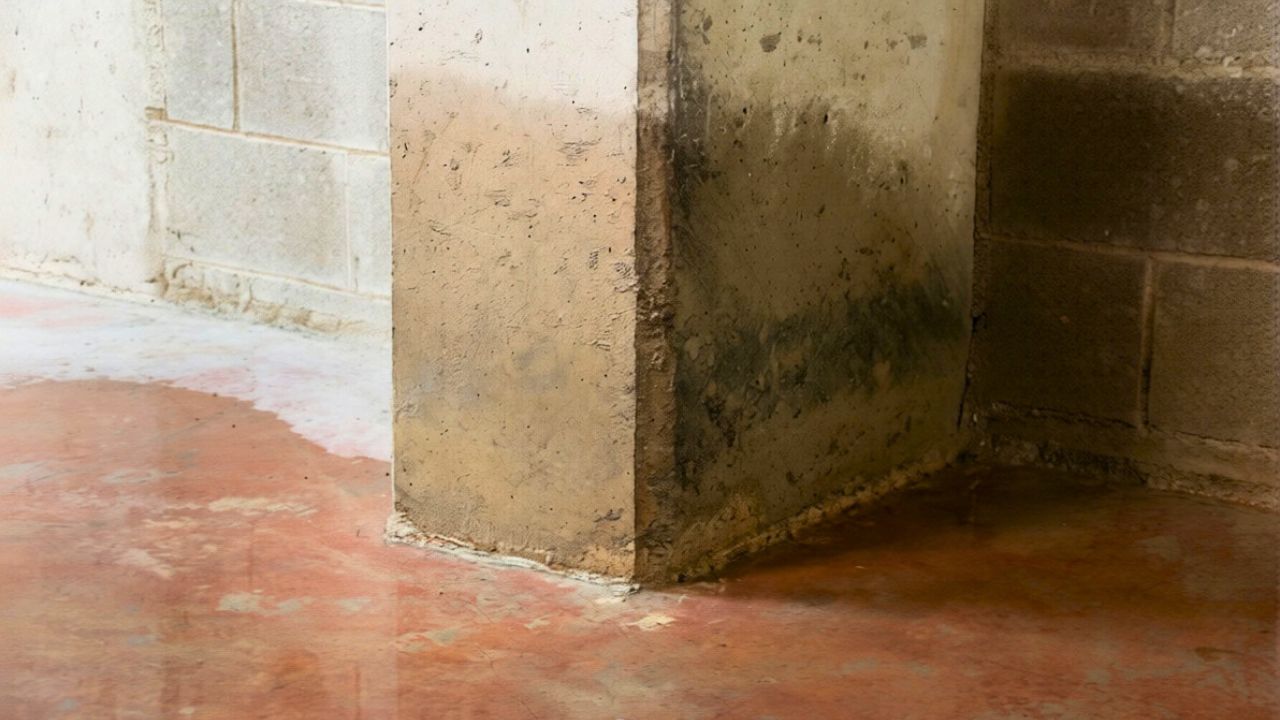
Inspectors say this house problem is getting more common
Home inspectors are sounding the alarm about a problem that is quietly eroding foundations, rotting framing, and driving some of the costliest repairs in residential real estate: water getting where it should not be. You might expect the biggest red flags to be exotic structural failures or rare materials, but inspectors say the most common and increasingly serious issues start with moisture, drainage, and the damage that follows.
If you are buying, selling, or simply trying to protect your biggest asset, understanding how water, wiring, and mechanical systems are showing up in inspection reports can help you spot trouble early and negotiate from a position of strength.
Why water problems now top inspection reports
Across markets, inspectors consistently rank poor grading, drainage, and related moisture issues as the number one defect they document. When the ground around a house slopes toward the foundation instead of away from it, water pools against the structure, seeps into basements or crawl spaces, and can trigger everything from musty odors to structural movement. One guide to common inspection findings notes that Poor surface grading is the most frequent problem discovered, and that standing water near the house can quickly turn into a mold problem and other serious concerns.
Once moisture penetrates, the damage multiplies. Inspectors describe Water damage as one of the most expensive categories of defects, because it can compromise finishes, insulation, framing, and even foundations, often requiring thousands of dollars in restoration. Insurer data on inspection-related claims backs this up, identifying Water Damage from intrusion as a top driver of disputes when buyers later discover leaks or rot. For you, that means a simple gutter extension, re-graded soil, or repaired downspout can be the difference between a clean report and a major negotiating setback.
From clogged gutters to hidden leaks: how small issues snowball
What makes moisture problems feel more common is that they rarely start as dramatic floods. Inspectors routinely find clogged gutters, missing splash blocks, and deteriorated caulk around windows that allow a slow but steady trickle of water into walls and roof edges. One breakdown of inspection patterns notes that During a typical inspection, seemingly minor items like leaking pipes, clogged gutters, and bad window seals show up again and again, each one a potential entry point for water that may not be obvious from the living room.
Real-world inspection reports echo this pattern. In one widely discussed seller’s report, commenters pointed out that Any older house is likely to have a collection of “issues,” from past leaks to patched-over stains, and that the real question is whether those small clues point to an active moisture problem behind the walls. Another buyer describing a century home inspection mentioned “a bit of wonky wiring, leaky plumbing, and a WHOLE lot of shoddy unprofessional repairs,” including evidence of past water issues from the roof to the water heater. For you, the lesson is that small, repeated signs of moisture are rarely isolated; they often reveal a pattern of deferred maintenance that inspectors are now trained to flag aggressively.
HVAC and ventilation: when comfort problems become damage risks
Inspectors are also reporting more concerns tied to heating, cooling, and ventilation systems, not just because they affect comfort, but because they can worsen moisture and air quality problems. As summers get hotter in many regions, your HVAC system has to work harder, and inspectors are finding units that are undersized, poorly maintained, or pushing conditioned air into the attic rather than living spaces. That kind of misconfiguration can leave rooms humid and uncomfortable while also driving condensation in hidden cavities, which feeds mold and rot.
Training materials for inspectors now list Heating, Ventilation, and Air Conditi systems among the core components that must be evaluated on every job, alongside roofs and foundations. Another overview of frequent defects notes that Faulty HVAC systems are often at the top of the list of concerns, both because replacement is expensive and because poor airflow can trap moisture in bathrooms, kitchens, and basements. For you as a buyer or owner, that means service records, filter changes, and proper venting are no longer “nice to have” details; they are central to whether an inspector sees your home as a growing risk or a well-managed system.
Electrical surprises: outdated wiring and overloaded panels
While water may be the most common culprit, inspectors are also flagging electrical systems more often, especially in older homes and fast-built new construction. One national overview of inspection issues points out that a trained inspector will identify aluminum wiring, which is most often found in homes built between 1965 and 1973, and that this material does not guarantee a fire, but it increases the odds enough that it must be documented. That same guidance notes that inspectors routinely call out outdated panels, double-tapped breakers, and missing covers as part of the Decision about what needs immediate repair versus what can wait.
Investors and traditional buyers alike are increasingly wary of these findings, because they hint at both safety risks and hidden costs. A detailed breakdown of pre-listing fixes warns that Electrical Panel and Outdated Wiring problems are among the most common reasons deals wobble, and that Outdated or unsafe wiring is particularly likely to scare off cautious buyers. In online discussions of inspection reports, you see the same pattern: one buyer’s list of concerns about a century home included “wonky wiring” alongside leaks and shoddy repairs, and commenters urged them to treat electrical corrections as nonnegotiable safety work rather than cosmetic upgrades. For you, that means an older panel or aluminum branch circuits are not just technical footnotes; they are leverage points in negotiation and potential budget line items that you should price into any offer.
New builds are not immune: code violations and rushed work
One of the more surprising trends inspectors describe is the volume of serious issues they are finding in brand new houses. In South Carolina, a private inspector who focuses on new construction reported dozens of code violations in recently built homes, many of them related to framing, safety clearances, and improperly installed systems. He emphasized that There are laws, rules, and licensing boards that builders are accountable to, and reminded buyers that You can file complaints when work falls short. The fact that a private inspector can walk through a just-finished house and find dozens of violations underscores how much pressure builders are under to move quickly, and how much risk that can create for you.
These problems often overlap with the same themes seen in older homes: water management, mechanical systems, and electrical safety. Poorly flashed windows, missing sealant at exterior penetrations, and misrouted exhaust vents can all set a new house up for early Water damage, even if everything looks pristine on move-in day. Rushed trades may leave behind loose outlets, unprotected wiring, or HVAC ducts that dump air into attics instead of rooms, the same kinds of defects that inspection training materials list under Common Problems in a Home Inspection. For you, the takeaway is clear: a builder’s warranty and a passed municipal inspection are not substitutes for a thorough independent review before you sign off on the final walk-through.
Like Fix It Homestead’s content? Be sure to follow us.
Here’s more from us:
- I made Joanna Gaines’s Friendsgiving casserole and here is what I would keep
- Pump Shotguns That Jam the Moment You Actually Need Them
- The First 5 Things Guests Notice About Your Living Room at Christmas
- What Caliber Works Best for Groundhogs, Armadillos, and Other Digging Pests?
- Rifles worth keeping by the back door on any rural property
*This article was developed with AI-powered tools and has been carefully reviewed by our editors.