Inspectors warn this wiring method won’t age well
Home inspectors are sounding the alarm on a wiring method that looked clever and cost effective decades ago but is now aging into a serious liability: aluminum branch-circuit wiring and other mid‑century shortcuts that were never designed for today’s electrical loads. As more buyers walk into homes built Between the 1960 and 1970 boom years, they are discovering that what is hidden behind the walls can make or break a deal, an insurance policy, or even your family’s safety.
The core warning is blunt. Wiring that was installed to save money or stretch materials, from aluminum conductors to cloth‑wrapped knob and tube, tends to deteriorate faster, run hotter, and fail more dramatically than modern copper cable. Inspectors say you should treat these systems as time‑limited technology, not permanent infrastructure.
Why inspectors single out aluminum branch wiring
When inspectors talk about a wiring method that will not age well, they are usually pointing at aluminum branch‑circuit wiring that was widely installed Between the 1960 and 1970 copper shortages. Aluminum was cheaper than copper, so builders pulled miles of it into new subdivisions, often on 15‑ and 20‑amp lighting and receptacle circuits that now feed flat‑screen TVs, gaming PCs, and high‑draw kitchen gadgets. According to guidance on Aluminum conductors, that cost saving came with a tradeoff: aluminum expands and contracts more than copper, is softer, and is more prone to loose or oxidized connections that can overheat.
Inspectors who specialize in older housing stock describe aluminum branch wiring as a classic hidden defect that looks fine on a quick walk‑through but shows up as scorched insulation, discolored outlets, or oversized breakers once panels are opened. In one widely shared inspection video on Aluminum Wiring Hazards on Home Inspections, the inspector notes that fully ripping out every aluminum run is costly, yet he still treats the system as a high‑priority concern because of its long‑term reliability problems. Real‑world buyers echo that concern in online forums, where one prospective owner of a 50‑year‑old house with “some aluminum single wiring” asks what it will cost to “fix and be up to code,” and is told to budget for professional evaluation and targeted remediation to ensure proper repairs are made, as seen in the Is aluminum wiring in a 50-year-old house a problem and what can discussion.
Cloth, knob and tube, and other systems that time has outgrown
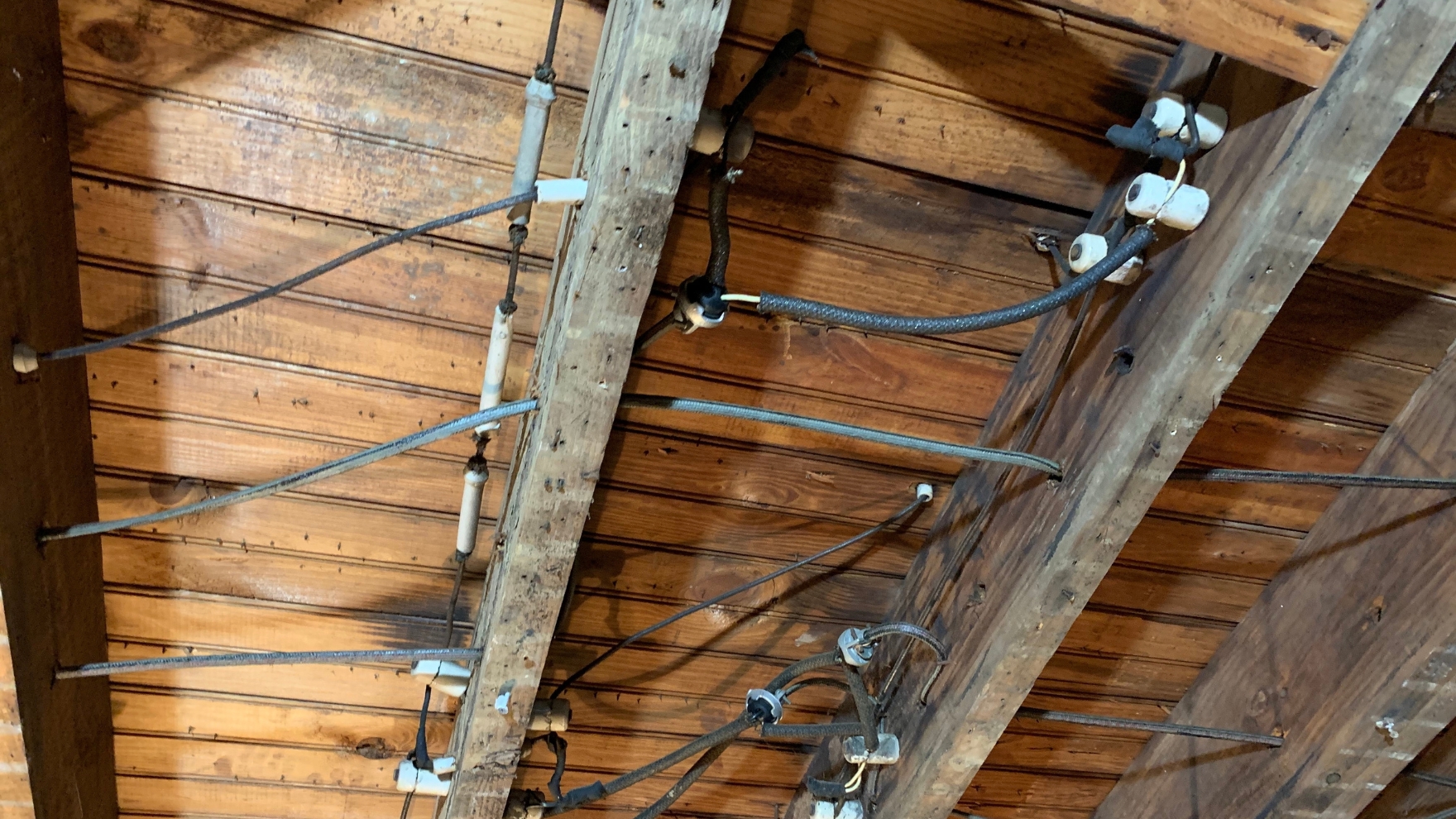
Aluminum is not the only wiring method that inspectors say has aged out of its design life. In many older neighborhoods, especially in cities like Cincinnati, you still find knob and tube circuits hidden behind plaster. These systems rely on ceramic knobs and tubes to route individual conductors through framing cavities, often with cloth and rubber insulation that dries, cracks, and flakes away. One detailed guide on the hidden danger of aging wiring notes that the primary safety concerns with knob and tube are a lack of grounding and progressive deterioration, both of which increase the risk of arcing and fire as insulation fails, as described in Nov.
Cloth‑wrapped cable presents a similar problem. Electricians who focus on rewiring older homes warn that the fabric jackets used on many mid‑century cables were never meant to last indefinitely. One analysis titled The Risks of Cloth Wiring explains that Cloth insulation can become brittle, fall away from the conductor, and leave bare wire exposed inside walls or junction boxes. Another contractor notes that knob and tube “does not meet current electrical code requirements,” making it unsafe by today’s standards and a liability for insurers and lenders, as outlined in Finally. A separate Quora discussion on whether older homes with knob and tube can still pass safety inspections lists issues like degraded cloth and rubber insulation and the absence of grounding as key hazards, as summarized in Some of the.
How aging wiring shows up in everyday use
For most owners, the first clue that a wiring method is failing is not a visible cable, it is how the system behaves under load. Electricians who publish consumer guides on Warning Signs of Faulty Electrical Wiring in Your Home urge you to Keep Track of Circuit Breaker Trips and to Look and Listen for Flickeri in lights. Frequent trips, especially when you plug in a vacuum or run a microwave, can signal that old conductors or connections are overheating and that breakers are doing their job by cutting power, as detailed in 6 Warning Signs of Faulty Electrical Wiring in Your Home. Another contractor writing about Understanding the Need for Rewiring Older Homes points to Frequent breaker trips and blown fuses as one of the most common signs that the existing wiring cannot safely handle modern loads, as seen in Understanding the Need for Rewiring Older Homes.
Other symptoms are more subtle but just as telling. A guide on Signs Your Wiring May Be Outdated notes that Old wiring does not always make its issues obvious, but flickering lights, warm switch plates, buzzing outlets, or a burning smell can all point to trouble. Another piece aimed at homeowners, 7 Signs It’s Time to Replace Your Electrical Wiring, stresses that Older wiring was not designed for today’s technology, so You may experience dimming when appliances start, limited outlet capacity, or reliance on extension cords. Even lighting troubleshooting guides for 3‑way switches remind readers that it is wise to consider the age of electrical components, since older systems may have degraded insulation that turns minor annoyances into serious wiring issues, as noted in 3 Way Switch Price: Troubleshooting Issues in Electrical Lighting Systems.
Why inspectors flag old wiring as a top home‑inspection red flag
From an inspection standpoint, outdated wiring is not just a technical quirk, it is a material defect that can derail a sale. A detailed buyer’s guide on hidden home problems notes that Material defects are exactly what a qualified inspector is trained to identify, and that organizations like the International Association of Certified Home Inspectors provide detailed guidelines on what must be reported, as described in Material. Another overview of Top 10 Home Inspection Red Flags warns that If the home you are looking to sell or purchase is older, built between the 1880s and 1970s, it could include dangerous electrical systems such as knob and tube, aluminum branch circuits, or undersized panels that no longer meet modern expectations, as laid out in If the.
Inspectors also look beyond the branch wiring to the heart of the system: the panel. One electrical contractor notes that There are certain older brands that are recommended for upgrade because of documented issues with breakers failing to trip or with faulty connections that can become a hazard, as explained in There. In some cases, even if the wiring itself is marginally acceptable, an obsolete panel combined with aluminum or cloth‑wrapped conductors pushes the overall system into the “unsafe” category. That is why some electricians argue that rewiring is essential in neighborhoods where knob and tube is still active, particularly in markets like Cincinnati where older housing stock is common, as highlighted in Dangers of Outdated Wiring: Why Rewiring Is Essential.
What you can do if your home relies on a fading wiring method
If you discover aluminum, cloth, or knob and tube in your home, the first step is to treat it like any other life‑safety system and get a qualified assessment. Fire protection standards from groups such as the National Fire Protection Association, referenced in guidance on Fire Sprinkler Quarterly and Annual Inspections The National Fire Protection Association, emphasize regular inspections and testing of critical systems. Electricians apply a similar philosophy to wiring: they look for signs of overheating, test grounding, and evaluate whether the existing conductors and devices can safely support your current loads. Many contractors who specialize in retrofitting older homes stress that rewiring is not just about convenience, it is about reducing the risk of electrical fires and shocks that can put your home and family at risk, as outlined in Retrofitting Outdated Wiring For Enhanced Home Safety.
Like Fix It Homestead’s content? Be sure to follow us.
Here’s more from us:
- I made Joanna Gaines’s Friendsgiving casserole and here is what I would keep
- Pump Shotguns That Jam the Moment You Actually Need Them
- The First 5 Things Guests Notice About Your Living Room at Christmas
- What Caliber Works Best for Groundhogs, Armadillos, and Other Digging Pests?
- Rifles worth keeping by the back door on any rural property
*This article was developed with AI-powered tools and has been carefully reviewed by our editors.