Junk or Jackpot is basically a home makeover funded by selling the stuff that’s taking over your house
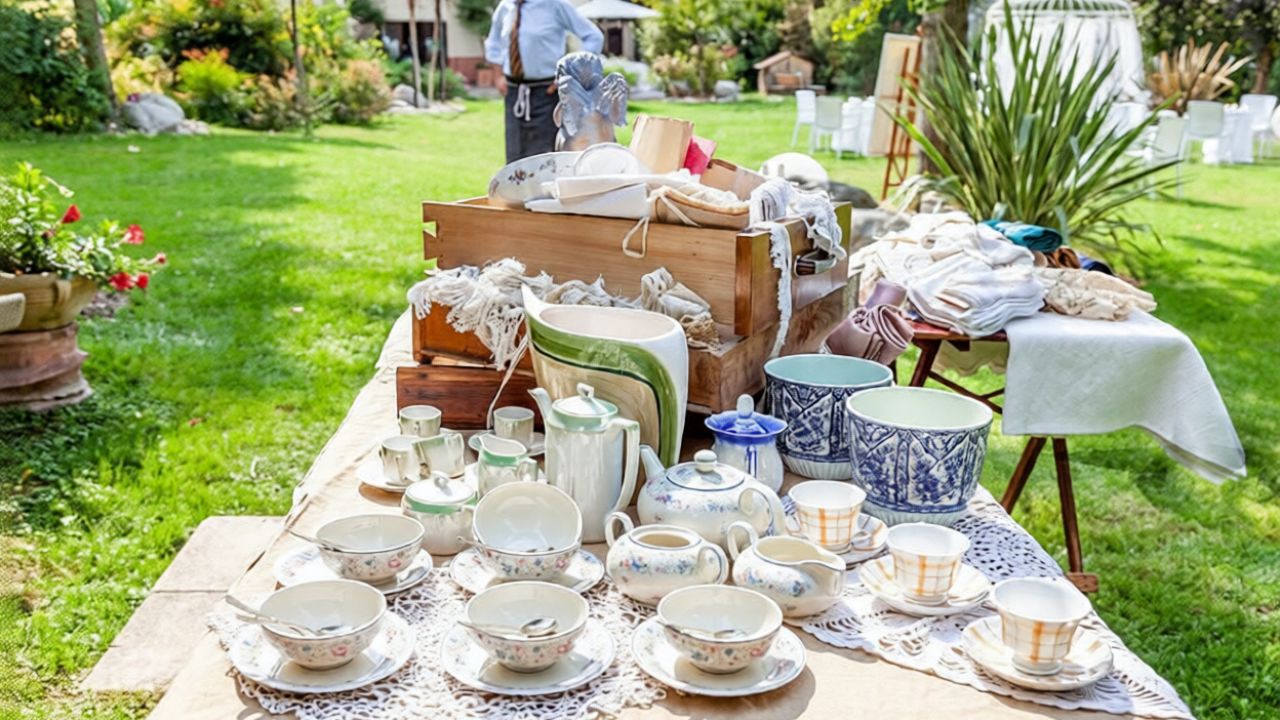
Your closets, attic, and garage are probably holding more than dust and old memories. In HGTV’s new series “Junk or Jackpot?,” that clutter becomes currency, turning overflowing collections into the budget for the kind of home makeover you usually only see in glossy before-and-after reels. Instead of writing a check, you are effectively paying for transformation with the toys, dolls, and collectibles that have taken over your rooms.
The premise is simple but pointed: if your stuff is running your life, it might also be the key to reclaiming your space. By treating your home like a showroom and your collection like an investment portfolio, the show reframes decluttering as a strategic trade, not a loss. You are not just getting rid of things, you are cashing them in for a house that finally works for the way you live now.
How “Junk or Jackpot?” actually works
At its core, “Junk or Jackpot?” is built around a clear equation: your collection funds your renovation. You follow Collectors whose homes are “overrun by toys, dolls and collectibles” as they decide which prized possessions to sell so they can pay for major upgrades, with design expert Bobby Berk guiding the process and turning the proceeds into a tailored makeover that fits their lives today. The official series description notes that these homeowners must weigh their emotional attachment against the chance to transform cramped, chaotic rooms into functional spaces, with the sale of their items directly used “to fund home makeovers.” Collectors with homes overrun are not just tidying up, they are underwriting their own renovation.
The show’s structure leans into that tension. You see the initial walk-through of a house where every surface is buried, then the careful appraisal of what might actually be valuable, followed by the tough decisions about what to keep and what to let go. Once the sales are complete, Bobby Berk and his team turn the total into a renovation plan, revealing a finished home that reflects the owners more than their stuff. The format is consistent enough that you can track the stakes in each episode, yet flexible enough to handle wildly different obsessions, from vintage fashion to action figures, as highlighted in HGTV’s own episode guide for the series Junk or Jackpot?.
Why HGTV is betting on clutter as content
You are not imagining it: home clutter has become a cultural flashpoint, and HGTV is leaning into that reality. After a run of high-profile cancellations, the network ordered “Junk or Jackpot?” as a fresh spin on renovation television, explicitly centering people whose “obsessive collections” have swallowed their living spaces. Executives framed the show as a response to viewers who are overwhelmed by their own stuff but still crave aspirational design, positioning it as a series where the problem and the solution are literally the same objects. The new format arrives under the HGTV banner at a moment when the brand is recalibrating its slate, and the network’s decision to greenlight a show that treats clutter as both drama and budget underscores how strongly it believes audiences will see themselves in these overstuffed rooms HGTV has ordered a new series.
For you as a viewer, that means the stakes feel more grounded than a fantasy remodel funded by an anonymous production budget. The people on screen are not winning a sweepstakes, they are making tradeoffs that mirror the ones you might be avoiding every time you close a closet door. By tying renovation dollars directly to the sale of personal items, the show taps into a broader conversation about consumption, sustainability, and the emotional cost of hanging on to everything. It is a calculated bet that you are ready for a home show that acknowledges the mess instead of skipping straight to the reveal, and that you will stick around to see how far a house full of “junk” can really go when it is treated like a jackpot.
Bobby Berk’s role and why his approach matters
If you are going to ask people to part with the objects that define their identity, you need a host who understands that those items are more than clutter. Bobby Berk, known to many viewers from “Queer Eye,” steps into that role with a mix of design authority and emotional fluency. In early previews, he is described as listening to “the emotional stories behind the stockpiles,” then bringing in experts to appraise the collections and help owners see their belongings in a new light. The first trailer emphasizes that he approaches these rooms “with humor and compassion,” which is crucial when you are asking someone to turn a lifetime of collecting into a renovation budget rather than a museum display with humor and compassion, Bobby.
Bobby Berk has been explicit that the work is about more than paint colors. In promotional interviews, he talks about “Helping them find clarity and create spaces that reflect who they are,” describing that process as deeply rewarding and tying it directly to the decision to let go of items that no longer serve the life they want. That framing turns the show into a kind of design therapy, where the real transformation is as much psychological as it is physical. When you watch him guide someone through a packed room, you are seeing a designer who is as interested in your relationship to your stuff as he is in the final floor plan, a balance that is central to the series’ identity Helping them find clarity.
From chaotic collections to “dream digs”
The transformation arc in each episode is designed to feel both dramatic and attainable. You see homes where every hallway is lined with boxes and every spare room has become storage, then watch as those same spaces are stripped back and rebuilt into what the show calls “dream digs.” The key is that the dream is not generic; it is tailored to the people who live there, using the money from their own collection to fund changes that match their priorities, whether that is a functional kitchen, a calm bedroom, or a dedicated hobby room that does not swallow the rest of the house. The series premiere, for example, drops you into a home where a collection has clearly taken over, then tracks how targeted sales unlock the budget for a renovation that finally gives the owners room to breathe The show, produced by John Cena.
One episode titled “It’s Giving Fashion” focuses on a vintage clothing collection that has spilled into every corner of a woman’s house, leaving little space for everyday living. Instead of shaming her for the volume of garments, the show treats the wardrobe as an asset, bringing in specialists to identify which pieces can command high prices and which should stay. The proceeds then pay for a renovation that includes proper storage and display for the items she keeps, turning what was once a suffocating pile into a curated feature of the home. That structure reinforces a message you can apply yourself: your most overwhelming collection might also be the key to funding the systems and spaces that make it sustainable It’s Giving Fashion.
The emotional math of letting go
For you, the hardest part of this equation is rarely the logistics of selling; it is the emotional math of deciding what a memory is worth in square footage. “Junk or Jackpot?” leans directly into that conflict. Bobby Berk spends time hearing why a particular toy line, doll collection, or stack of memorabilia matters so much, then gently reframes the conversation around what kind of life the owner wants now. The show’s description highlights that he will “hear the emotional stories behind the stockpiles” before any decisions are made, which acknowledges that these rooms are filled with identity and history, not just objects. That approach gives you permission to see your own clutter as a story you can edit rather than a failure you need to hide Berk will return to the.
The series also recognizes that letting go is easier when you know what you are gaining. When owners see renderings of potential renovations or hear how much a single rare item could contribute to a new kitchen or a safer, more accessible bathroom, the tradeoffs become clearer. You watch people move from “I could never sell that” to “If this pays for a space where my family can actually gather, maybe it is worth it.” That shift is the emotional engine of the show, and it mirrors the calculation you might make if you start to view your own overstuffed shelves as a resource. By showing that process in detail, the series gives you a script for having similar conversations in your own home, whether you are negotiating with a partner, a parent, or yourself.
Where and how you can watch
If you are ready to see how far a house full of collectibles can go, you will find “Junk or Jackpot?” on the same platforms that have turned home renovation into comfort viewing. The series is part of the lineup on HGTV, where it sits alongside more traditional makeover shows but distinguishes itself by tying every design decision to the sale of personal items. That placement signals that the network sees it as a core offering, not a niche experiment, and it gives you an easy entry point if you already tune in for other design series.
For streaming viewers, the show is also folded into the broader Warner Bros. Discovery ecosystem. Promotional materials point you to Discovery+ and related platforms as destinations where you can catch episodes on demand, often bundled with other lifestyle and renovation content. Coverage of the trailer notes that you can watch “Junk or Jackpot?” on cable and then find it again through streaming hubs that also feed into HBO Max, which means you can follow the transformations whether you are a channel surfer or a binge watcher Where can I watch Junk.
The John Cena factor behind the scenes
You might not expect John Cena to be involved in a show about decluttering, but his presence is a key part of how “Junk or Jackpot?” is being positioned. He serves as an executive producer, backing a format that blends emotional storytelling with practical design. That partnership pairs Bobby Berk’s on-camera expertise with Cena’s growing footprint in unscripted television, signaling that the series is meant to reach beyond hardcore design fans to a broader audience that recognizes his name. The production team has emphasized that this collaboration is intentional, aligning a high-profile personality with a concept built around everyday households and their very real messes Cena serving as executive producer.
For you, that behind-the-scenes detail matters because it hints at the scale of the show’s ambitions. This is not a low-profile experiment tucked into an off-peak slot; it is a series that combines a recognizable design expert, a major cable brand, and a celebrity producer who has already proven he can draw viewers across genres. Interviews with Bobby Berk about the project, including conversations where he jokes that he could “talk about John all day long,” underline that the partnership is more than a name in the credits. It is part of the show’s DNA, blending heart, humor, and a bit of star power into a format that still feels grounded in the reality of your overstuffed garage Credit HGTV, Bobby Berk.
How this fits into Bobby Berk’s larger design story
If you have followed Bobby Berk from “Queer Eye” to his own projects, “Junk or Jackpot?” feels like a natural extension of his philosophy. He has spoken about bringing the same mix of empathy and practicality from that earlier series into this new HGTV format, emphasizing that design is a tool for helping people live better, not just a way to chase trends. Coverage of the show highlights that he is carrying over his signature approach, listening first, then using design to solve problems that are as emotional as they are spatial. That continuity gives you a familiar anchor if you are already a fan of his work, while the new premise pushes him into more complex territory around collecting and identity Bobby Berk hosts the new HGTV series.
The series is also being framed as a key chapter in his relationship with HGTV itself. Network materials describe how he will “host the new HGTV series Junk or Jackpot?,” positioning him as a central figure in the channel’s evolving lineup and underscoring that this is not a one-off guest appearance. For you, that suggests a level of continuity and investment that often translates into more seasons, deeper storytelling, and a stronger sense of trust between host and audience. When you tune in, you are not just watching a designer drop in for a quick makeover; you are following a long-term collaboration that aims to reshape how home shows talk about the stuff that fills your life Bobby Berk to host.
What you can take back to your own home
Even if you never appear on camera, the logic of “Junk or Jackpot?” is something you can apply in your own rooms. The show invites you to look at your collections the way an appraiser would, asking which items truly hold value, which ones could be sold to fund improvements, and which are simply taking up space. Coverage of the series notes that it “delves into the lives of collectors whose homes have been overtaken by their passionate pursuits,” then uses the sale of select pieces to pay for “a much-needed home makeover.” That framing gives you a practical blueprint: identify the passion that has spilled over, decide what you want your home to feel like instead, and treat the excess as a resource rather than a burden Junk or Jackpot? delves.
You can also borrow the show’s mindset without selling a single item. Start by walking through your home the way Bobby Berk does on screen, noting where collections are blocking light, circulation, or basic function. Ask yourself what kind of renovation you would fund if you did decide to sell, then consider whether smaller, low-cost changes could deliver some of that feeling right now. If you do choose to monetize part of your collection, think like the experts who appear on the series: research market values, prioritize rare or high-demand pieces, and direct the proceeds into specific projects rather than letting them disappear into general spending. In that sense, “Junk or Jackpot?” is less about television spectacle and more about giving you a new lens on the stuff that has quietly taken over your life, a lens that starts with a simple search for the show and its premise Junk or Jackpot?.
Why this format lands right now
The timing of “Junk or Jackpot?” is not accidental. You are living through an era of storage-unit booms, online resale platforms, and a constant tug-of-war between minimalism and maximalism. A recent feature urging viewers to “Tune into HGTV for ‘Junk or Jackpot’” frames the show as a response to people who feel buried by their belongings yet still want homes that feel intentional and artful. Bobby Berk explains that he walks homeowners through a process of understanding why they kept certain items, then helps them decide which pieces should stay in their lives and which should move on, a journey that mirrors the questions many of us are asking about our own consumption habits Tune into HGTV for Junk.
The show also fits neatly into HGTV’s broader strategy of offering both escapism and practical guidance. On one hand, you get the satisfaction of a dramatic reveal, complete with fresh finishes and clever storage solutions. On the other, you see the unvarnished reality of how those results are funded, with every dollar traced back to a sold collectible. That transparency resonates in a moment when viewers are increasingly skeptical of “magic” TV budgets and more interested in models they can adapt at home. By anchoring its drama in real financial and emotional tradeoffs, “Junk or Jackpot?” turns the fantasy of a home makeover into a negotiation you can imagine having around your own dining table, whether you are streaming it on a weeknight or catching a marathon on HGTV and its connected platforms.
Like Fix It Homestead’s content? Be sure to follow us.
Here’s more from us:
- I made Joanna Gaines’s Friendsgiving casserole and here is what I would keep
- Pump Shotguns That Jam the Moment You Actually Need Them
- The First 5 Things Guests Notice About Your Living Room at Christmas
- What Caliber Works Best for Groundhogs, Armadillos, and Other Digging Pests?
- Rifles worth keeping by the back door on any rural property
*This article was developed with AI-powered tools and has been carefully reviewed by our editors.