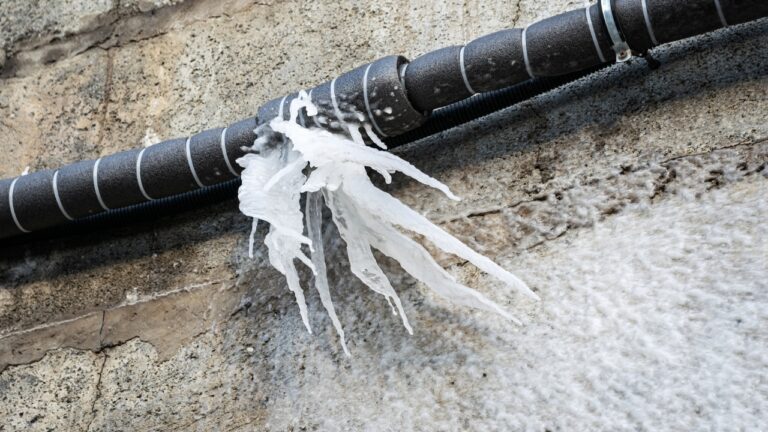
Laundry Room Changes That Will Finally Keep Humidity Under Control
Laundry rooms work hard, and all that warm, damp air can cause problems if it doesn’t have somewhere to go. Humidity is what leads to musty smells, peeling paint, and gunk that builds up where you can’t see it. You don’t need a fancy remodel to fix it—just a few smart changes.
Here’s how to keep moisture in check so the space actually feels clean.
Make sure the dryer is vented correctly
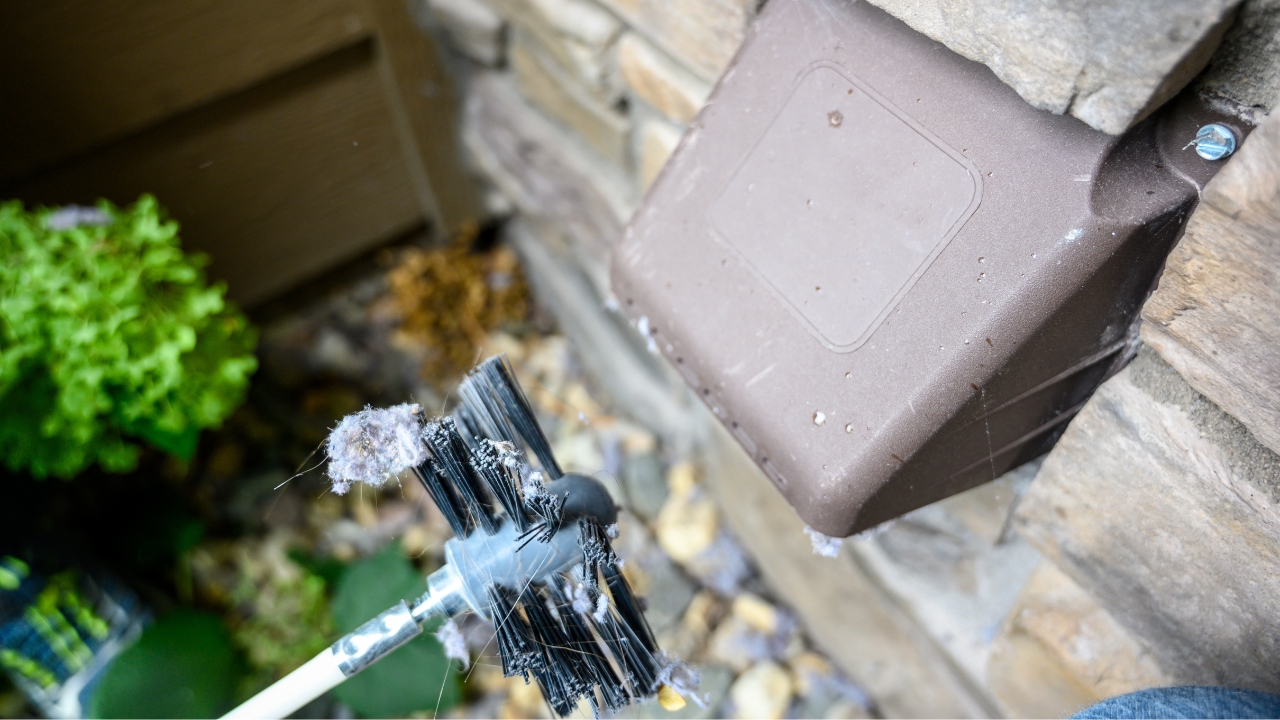
A crushed or disconnected dryer vent dumps warm, wet air straight into the room. Check that the hose isn’t kinked, smashed, or venting into a wall cavity or attic instead of outside.
Replace flimsy foil hoses with a smoother, rigid or semi-rigid option if you can. It helps air move out more efficiently—and cuts down on lint buildup too.
Run an exhaust fan long enough

If you have a bathroom-style fan in the laundry room, turn it on before you start a load and leave it running for at least 15–20 minutes after you’re done drying.
If there’s no fan, crack a window when the weather allows or run a small portable fan pointing toward an open door. Moving air is your friend when you’re fighting humidity.
Don’t overload drying racks
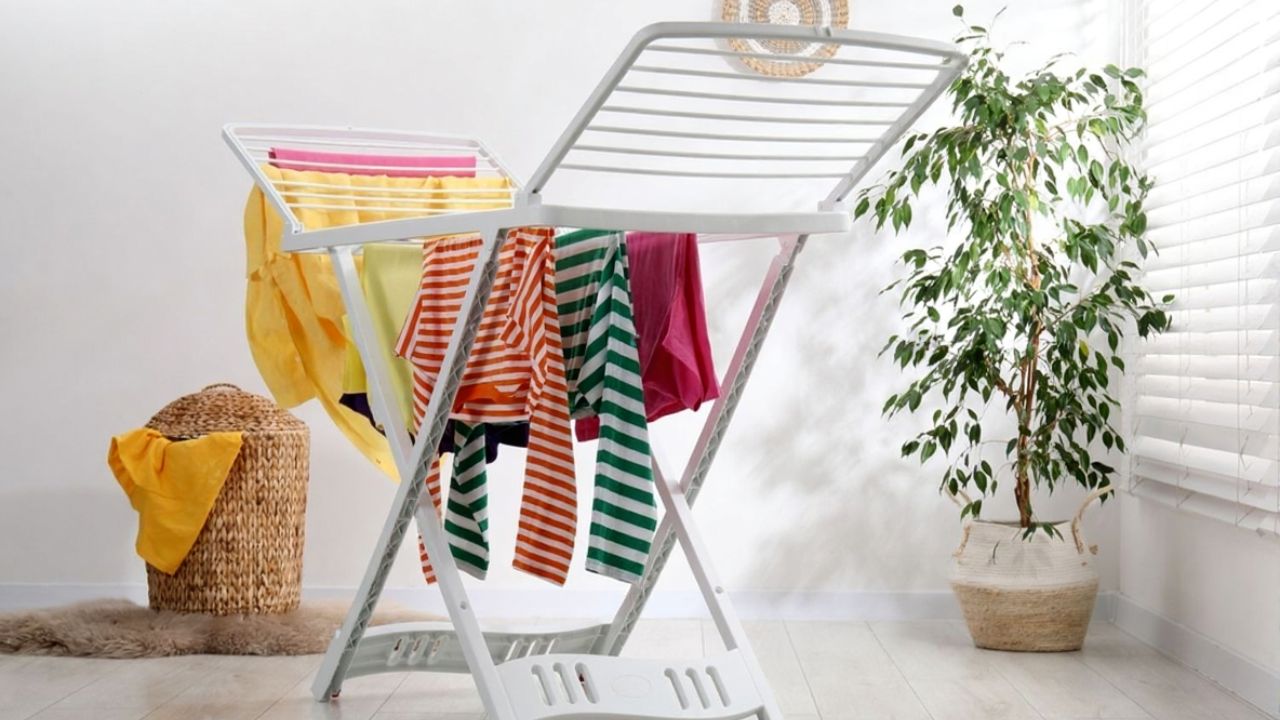
A drying rack packed shoulder-to-shoulder with clothes takes forever to dry and leaves that damp smell in the air. Spread items out a little more or use multiple smaller racks instead of one jammed full.
If things are still wet many hours later, that’s a sign you need more airflow or less fabric in the room at once.
Keep lint under control
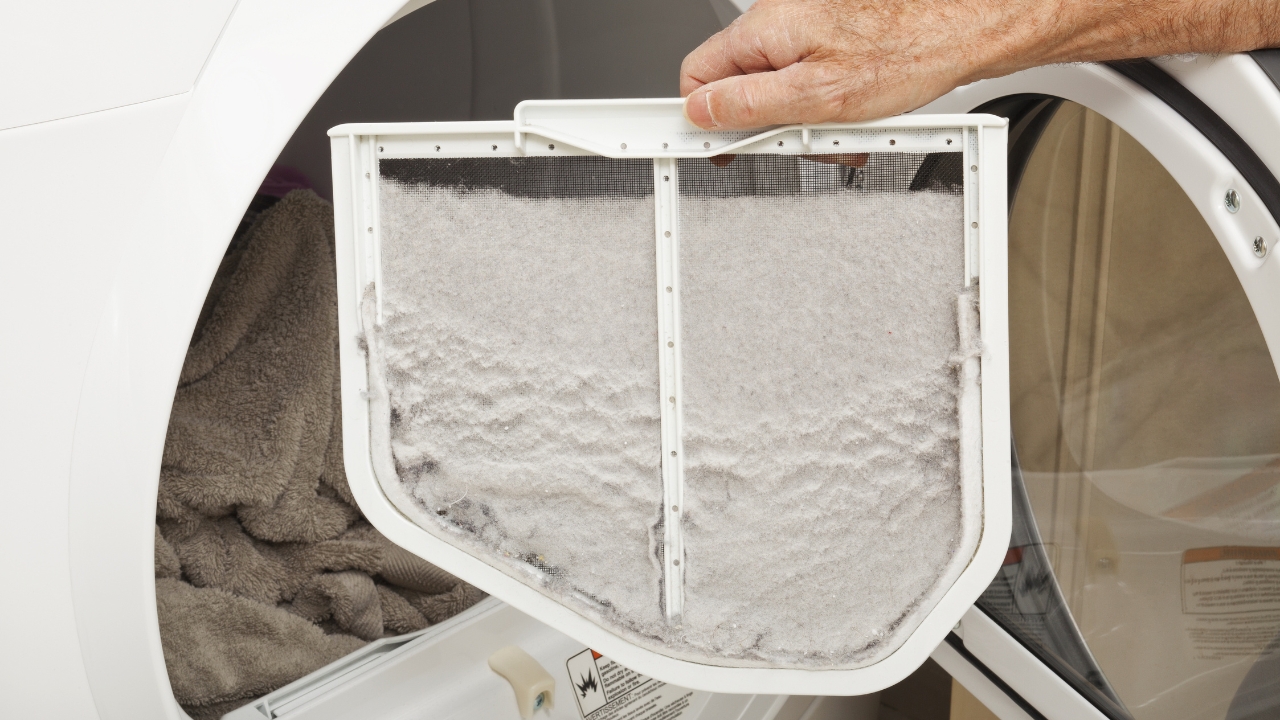
Lint traps, behind the dryer, and the vent all collect lint that traps moisture and restricts airflow. Clean the lint screen every load, and regularly vacuum around and under the dryer.
If you can reach the vent from outside, check that lint isn’t clogging the flap. A clean system lets wet air escape like it’s supposed to.
Avoid leaving wet laundry in machines
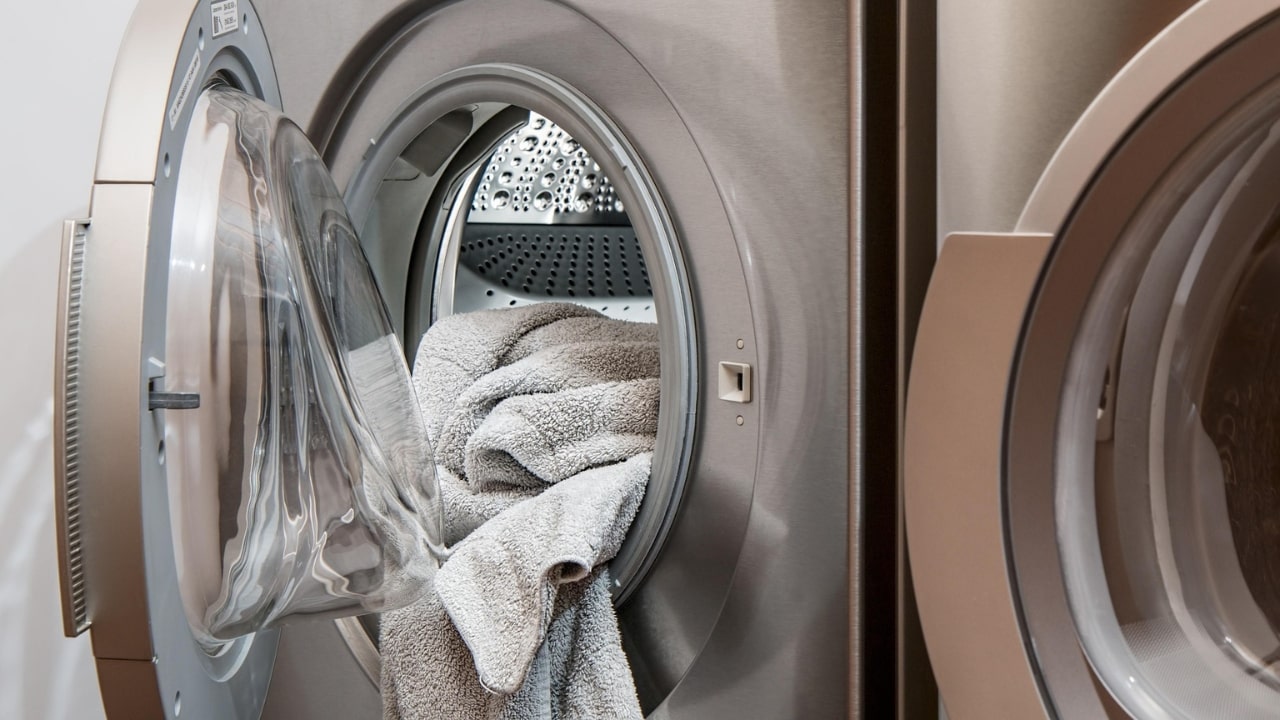
Wet clothes sitting in the washer or dryer for hours keep humidity high and lead to that familiar “forgotten load” smell. Try to set a timer on your phone when you start a load.
If life happens and something sits too long, rewash with a little vinegar and open the door afterward to let the machine dry out fully.
Give your washer door time to dry
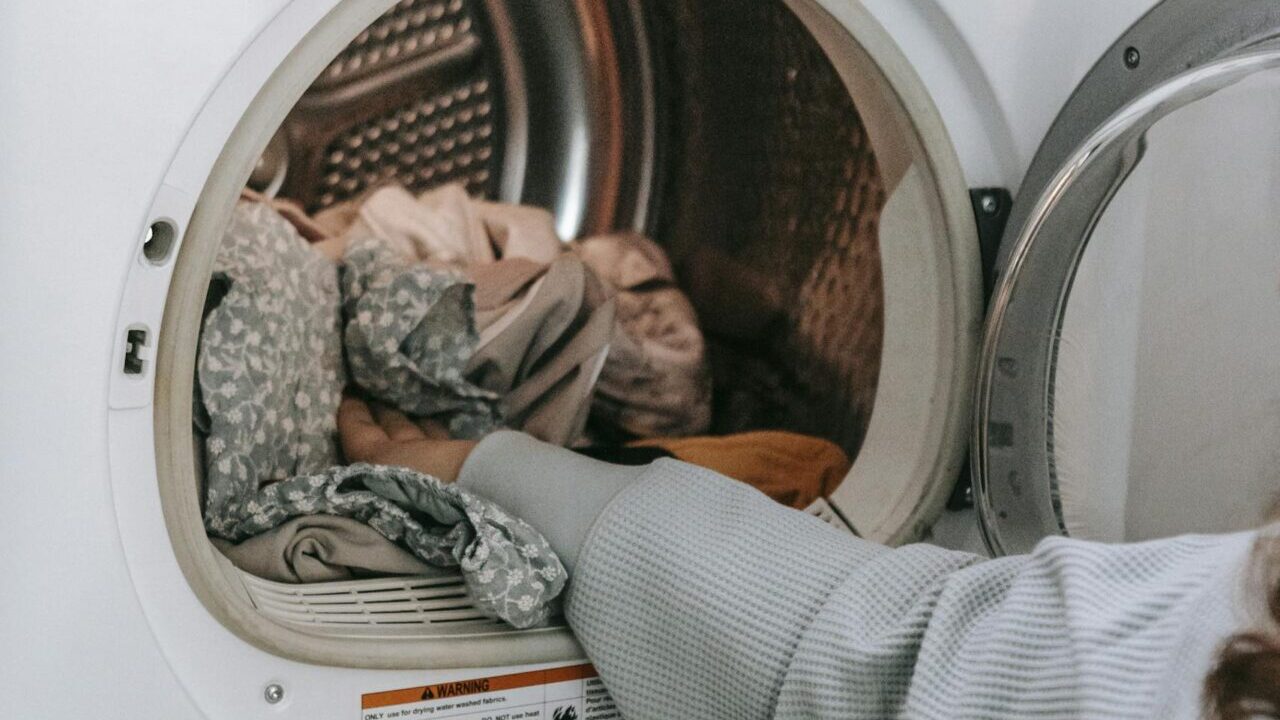
Front-loaders especially benefit from being left open between uses so moisture can evaporate. Even top-loaders do better when lids aren’t slammed shut immediately.
If you hate the look of open doors, at least leave them cracked for a while after the last load so the drum doesn’t stay damp and musty.
Store detergents and supplies off the floor
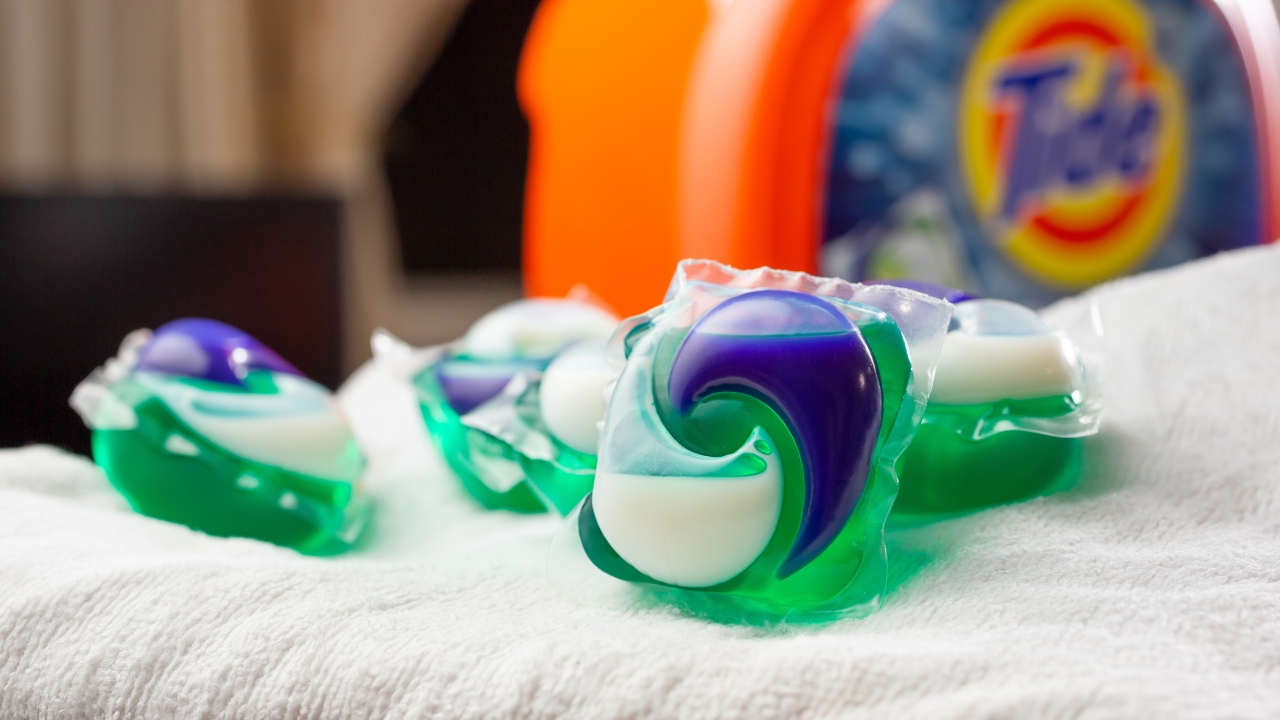
Cardboard boxes, fabric bags, and random baskets sitting on a damp floor can mildew. Keep supplies on shelves, wall racks, or a small cart instead.
It helps air move under and around things, and you’re more likely to notice if you have a leak or condensation problem starting.
Consider a small dehumidifier if the room is always damp
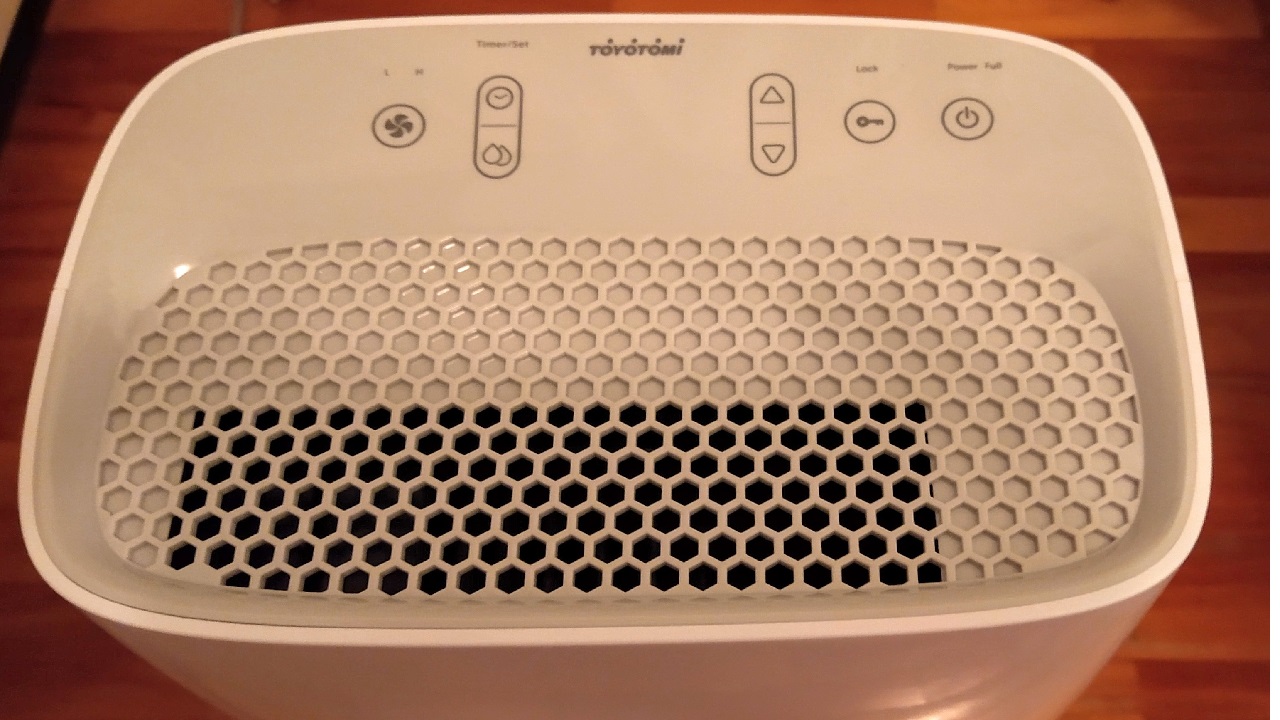
If you’ve done the basics and the room still feels sticky, a compact dehumidifier can help. Set it up near the worst area and run it during and after laundry sessions.
Empty the tank regularly or hook it to a drain if you have one. It’s one more way to keep moisture from settling into walls, trim, and flooring.
Like Fix It Homestead’s content? Be sure to follow us.
- I made Joanna Gaines’s Friendsgiving casserole and here is what I would keep
- Pump Shotguns That Jam the Moment You Actually Need Them
- The First 5 Things Guests Notice About Your Living Room at Christmas
- What Caliber Works Best for Groundhogs, Armadillos, and Other Digging Pests?
- Rifles worth keeping by the back door on any rural property
*This article was developed with AI-powered tools and has been carefully reviewed by our editors.