Mistakes That Make Animals Mess With the Fencing
If your livestock keeps testing the fence line, breaking through it, or rubbing it into the ground, it might not be them—it might be something you’re doing without realizing. These common mistakes usually lead to problems down the road.
Using the Wrong Height
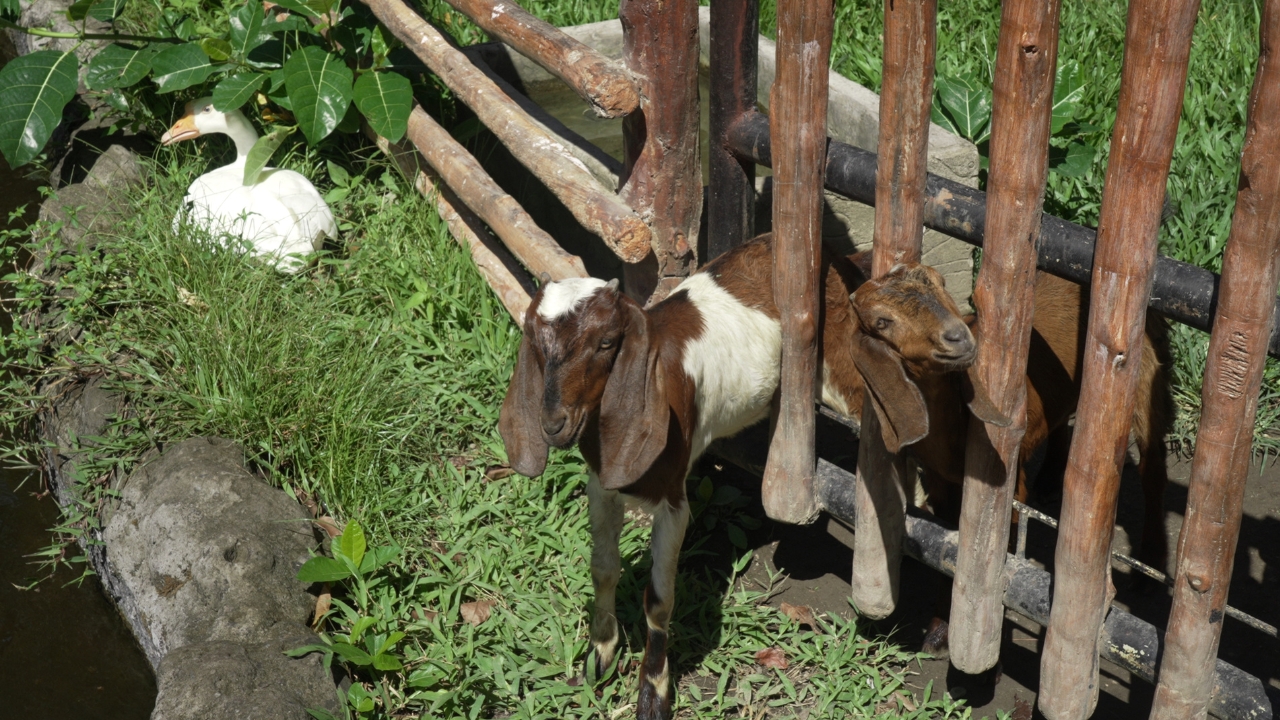
Cattle fences that are too short or goat fences with wide gaps are begging to be tested.
Animals are more likely to challenge fencing when they realize it’s not really keeping them in. Know your species and match the fence height to the need.
Letting Weeds Grow Up the Line
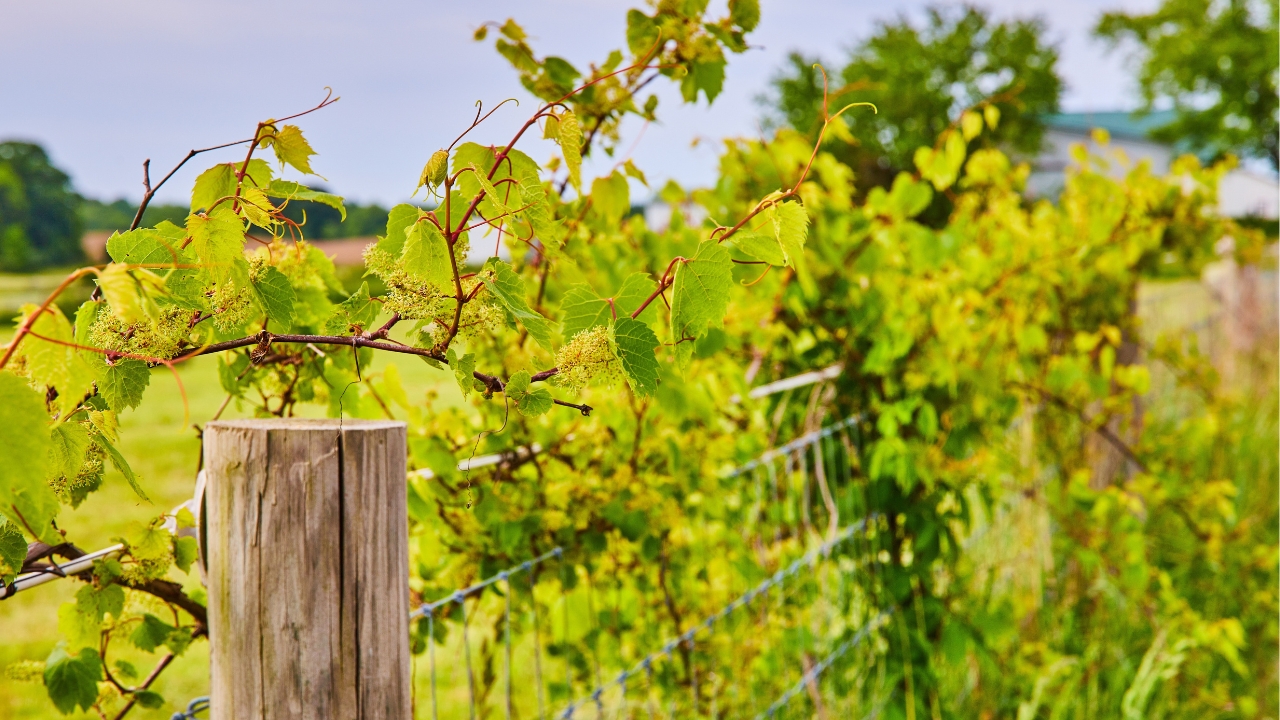
Overgrown grass or brush along the fence line makes it easier for animals to push through—and harder to spot damage.
It also grounds out electric fencing. Keep it trimmed and cleared regularly.
Putting Feed or Water Near the Fence

If the food source is right next to the edge, they’ll lean and push to get at it.
Keep feeders and water troughs a few feet off the fence. Otherwise, you’ll deal with leaning panels and bent posts before long.
Loose or Wobbly T-Posts
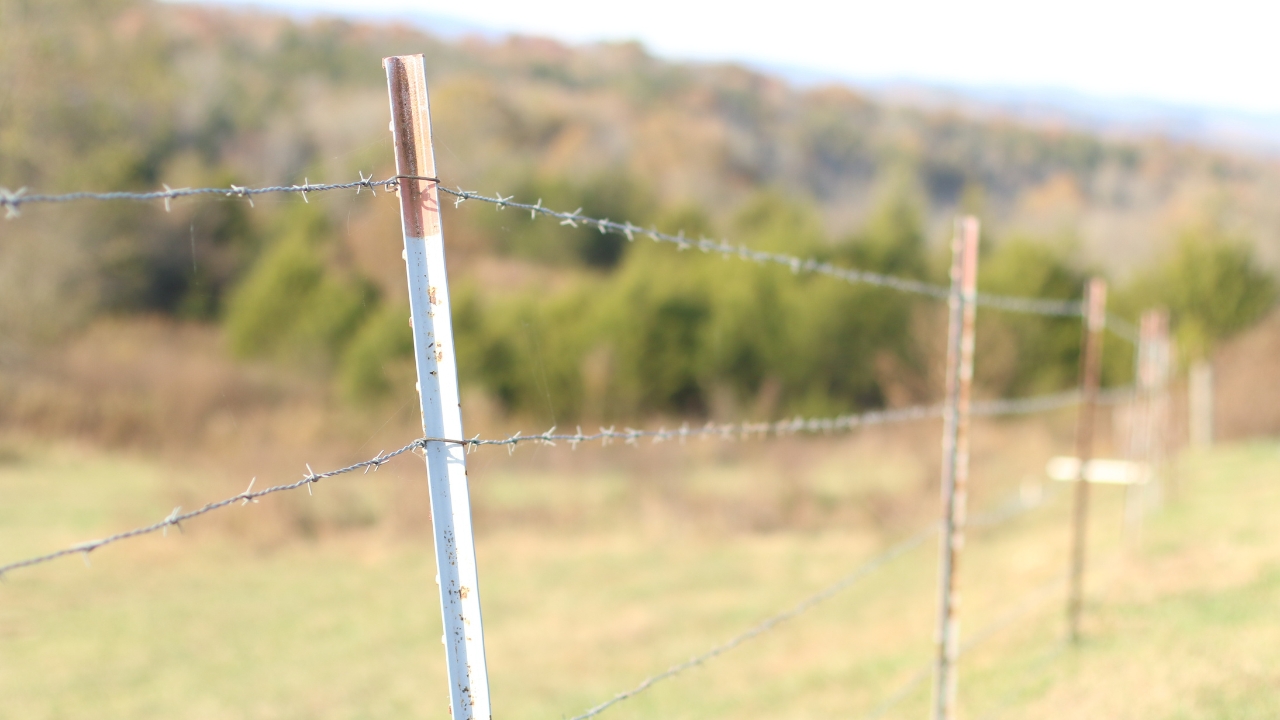
If your posts can be pushed with your hand, your animals will figure it out too.
Drive them in deep and brace corners properly. Goats especially will test every weak spot over and over.
Skimping on Hot Wire

Electric fencing works—but only if it’s hot and consistent.
One jolt teaches them to respect it. But if it’s grounding out, disconnected, or weak, they’ll ignore it. Check your connections often and mow underneath.
Letting Them Get Bored
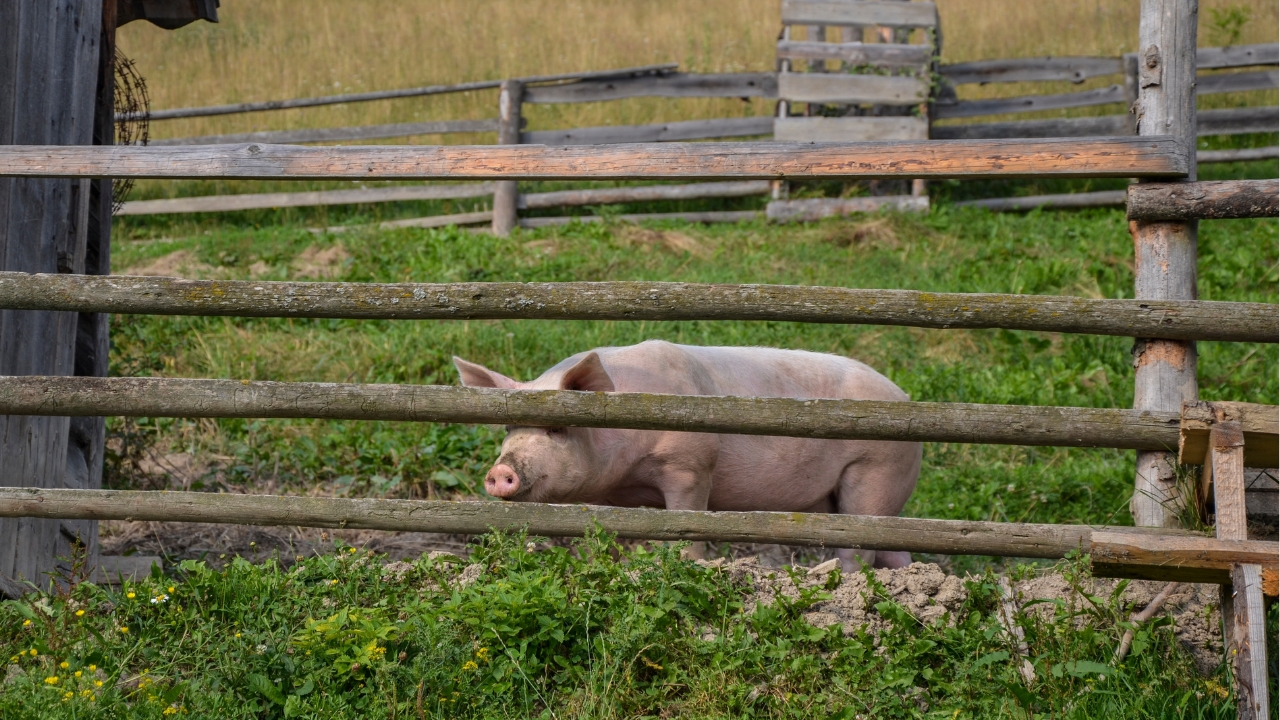
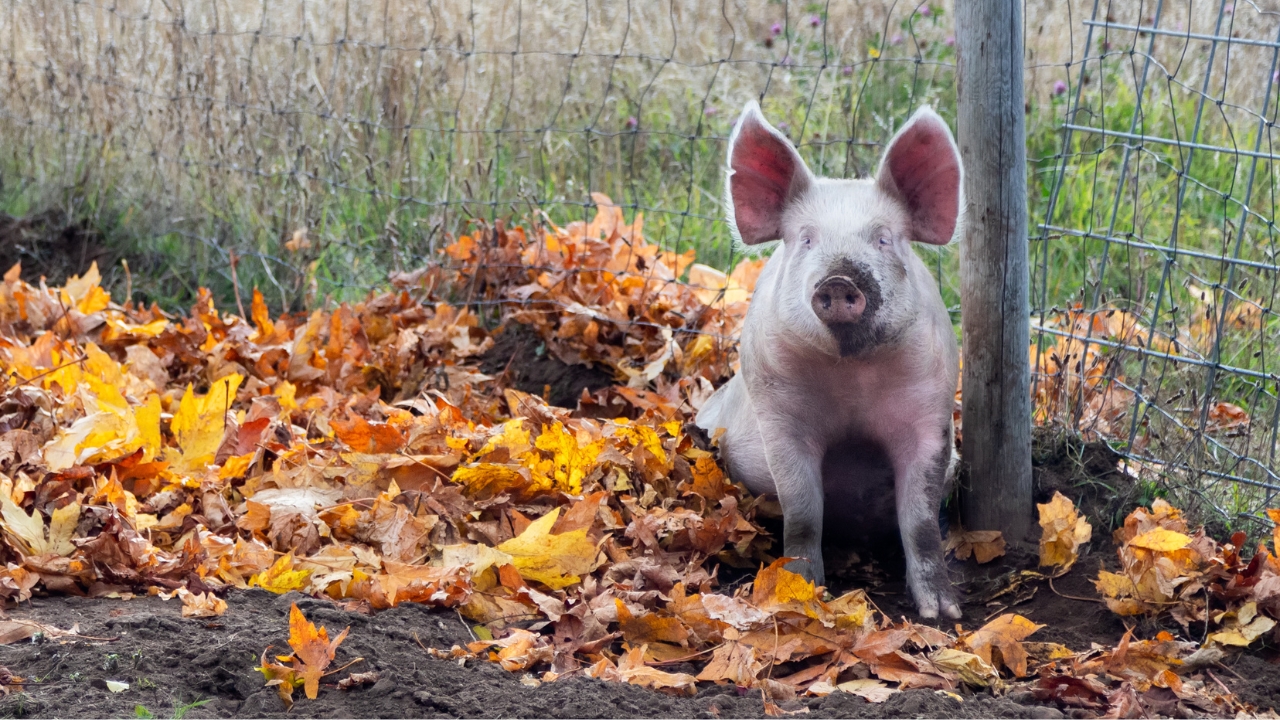
Animals that are under-stimulated—especially pigs and goats—will start fiddling with anything they can.
Add toys, rotate pasture, or give them more space to keep them occupied. A bored animal is a destructive one.
Using Wire They Can Climb
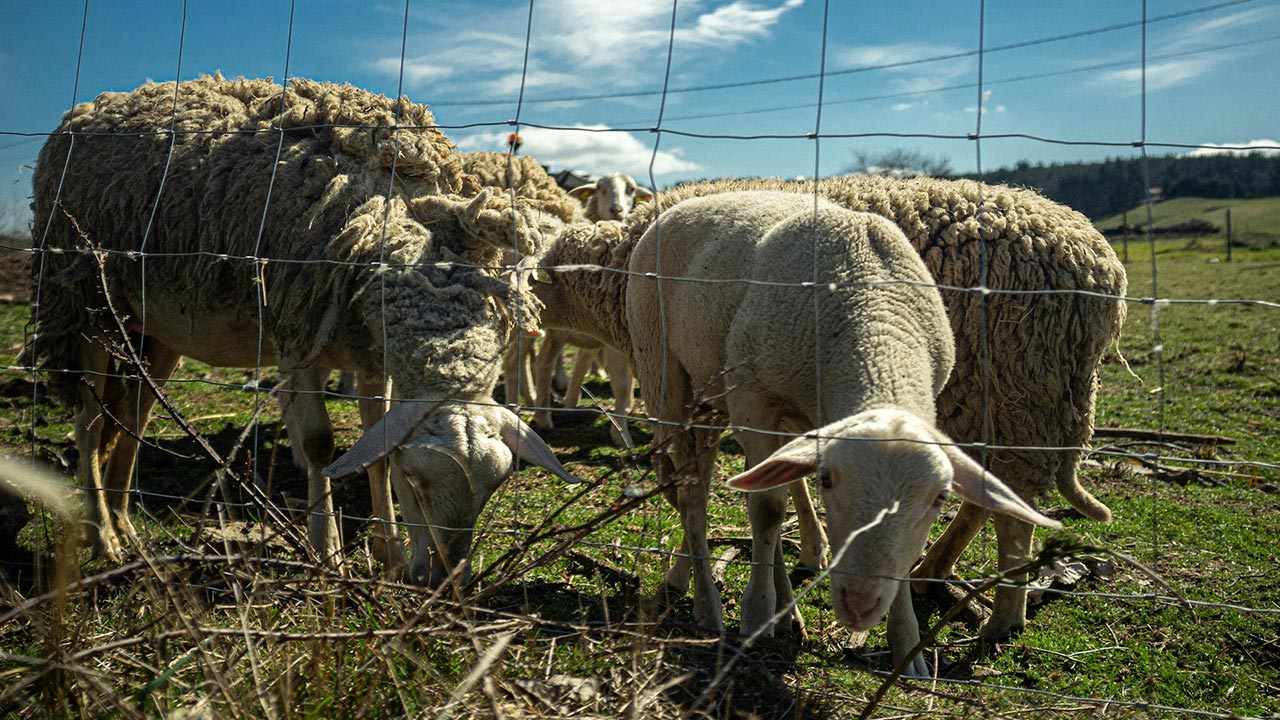
Field fence with wide squares becomes a ladder to goats and calves.
They’ll climb it, stretch it, and eventually ruin it. Go for smaller spacing or smooth wire on the inside to keep hooves off it.
Ignoring Minor Damage
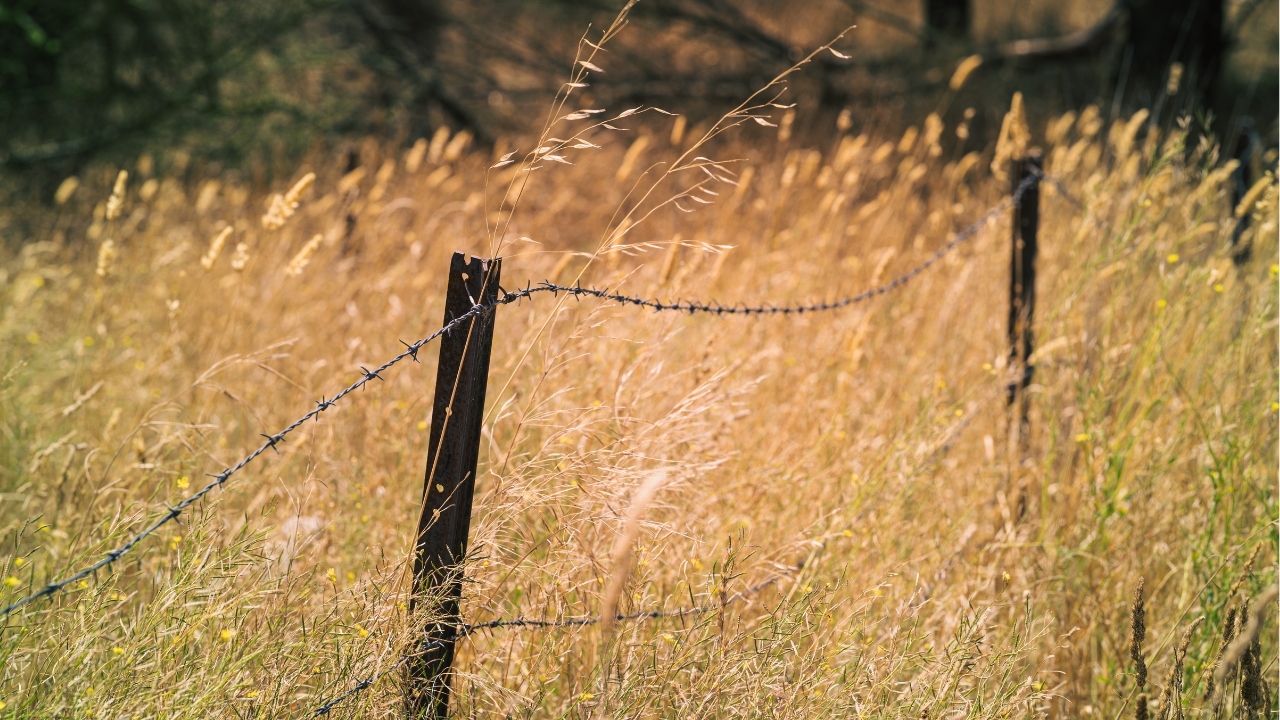
A bent wire or sagging spot might not seem like a big deal, but animals remember where the weak spots are.
Fix it fast before it becomes a hole. Most escapes don’t start big—they start with one loose strand.
Piling Stuff Near the Fence
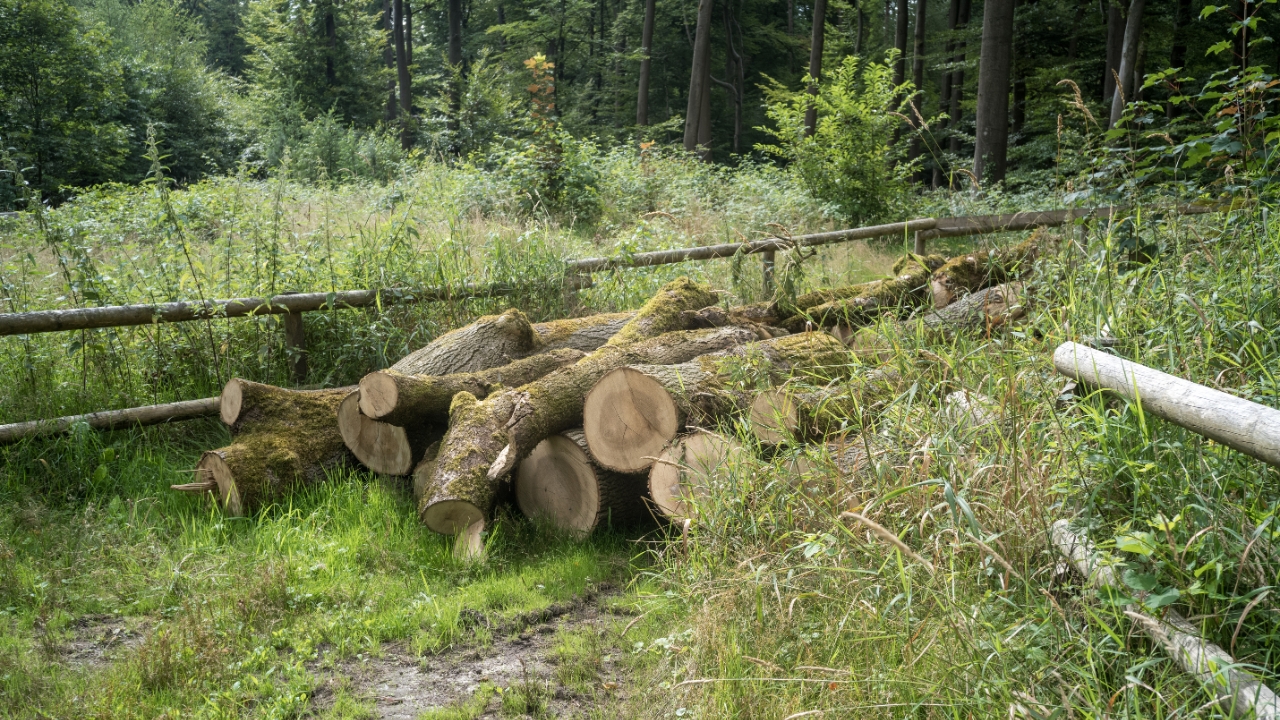
Wood piles, equipment, or pallets stacked near the fence give animals a boost or a place to scratch.
Keep the perimeter clear so there’s no extra temptation. And always look at fencing from their side, not just yours.
*This article was developed with AI-powered tools and has been carefully reviewed by our editors.